
Complete Clean Management · South West London
Office Cleaners Barnehurst
Professional office cleaning tailored to your premises, working hours and priorities.
Request a free quote Call 0203 092 2297

Build an office cleaning brief around a Barnehurst working day
Start with the people who use the rooms, the way they arrive and the times those rooms need to be ready. A small Barnehurst practice with a steady sequence of appointments can have quite different needs from an office where people spend much of the week away from their desks. If the only meeting room doubles as a quiet space, its availability may decide when certain work can happen. Give Complete Clean Management a room list and describe a representative day. Include what needs to be ready first and which parts of the premises are available only after a specific person has left or cleared a surface.
The Bexley local character study describes the neighbourhood centre around Barnehurst station, including the small shopping parades along Barnehurst Road. If your office sits in or near a parade, explain whether its entrance is at the front, up a shared stair or reached from another side of the building. Give the floor and the contractor door. An address used by clients will help locate the building but may give no indication of how equipment can be brought to it.
If you manage another office, the London office cleaning guide can help structure a second brief. Keep the Barnehurst access instructions, room schedule and local responsibilities separate. Explain what is already included in the premises agreement and what the office would like to add. An enquiry that starts with those details makes it possible to discuss real working arrangements rather than a list of tasks detached from the space.
Confirm contractor access near the station and side streets
Walk the route you propose for a contractor and identify where someone can stand while arranging entry. If a door is opened from another floor, tell the supplier whether staff will be there at the proposed time. Check whether a shared gate or a delivery route is needed to reach the premises. A cleaner carrying a small bag may have a practical route that larger floor equipment cannot use. Include both arrangements if they differ. Ask the building contact who can approve a temporary alternative if an entrance is being repaired or a shared route is occupied.
For parking context, consult Bexley Council’s controlled parking zone information, which includes the Barnehurst Station area. Confirm the signs and actual conditions at the address as well as any premises-specific permissions. Avoid relying on the same arrival instructions for ordinary visits and an appointment that requires bulkier equipment. Specify where equipment can be unloaded if a suitable arrangement exists, how far it is carried and whether there are steps, narrow turns or a door shared with another occupier.
Tell the provider where supplies can be stored, which water point can be used and who opens those areas outside staffed hours. If the office has limited space, it helps to know what can stay on site and what the contractor must bring each time. Give one contact for access problems and explain when a visit should be rearranged. Put changes into the site notes before the next affected appointment so the team can make a realistic plan.

Write a clear reset for an appointment-led waiting area
Begin with the condition the receptionist expects before the first visitor. Look at the points people see from the doorway and the places they touch when they arrive. A floor just inside the mat, the front of a low table and the area beneath a row of chairs may need different attention from the rest of the room. Specify which parts of the area are included and who clears paperwork, brochures or a sign-in device. If furniture is moved throughout the day, agree where it should be left after the visit and how the cleaner can recognise the normal arrangement.
Think about what happens when the waiting room remains in use. If a cleaner can work elsewhere until it is free, name the person who can tell them when to return. If the room rarely has a clear gap, discuss a visit before opening or after the last appointment. A short point in the day may suit one task and leave insufficient access for another. Give the supplier an example of the busiest typical day and ask how it would organise the work. Include any dates when a room will be used outside its normal hours.
Choose a time when the office can check the agreed result. Record the exact spot and whether it had already been used since the cleaning visit. If grit repeatedly appears near the same chair or door after a regular appointment, the office can decide whether the work needs a different point in the day. A short and specific note is more useful than a general judgement about the whole reception. Check the same point after any change to see whether the revised routine has helped.
Resolve who looks after a stair before adding it to the schedule
A suite above a shop or in a building with several occupiers may be responsible for only the area behind its own door. Ask the managing agent what is covered in the entrance, on the stair and at each landing. Identify the surfaces that matter to your office and which person can authorise work on them. If people enter through a corridor maintained by another business, give that person a way to report a concern. Use labels from the building rather than vague directions such as the back stairs. A new person should be able to identify where the office specification starts.
For an agreement involving more than one tenant, refer to the communal cleaning service overview. First verify whether the proposed tasks duplicate the existing service. Record who will pay for any shared addition and who can approve access. Describe the time during which people need the route, where equipment can stand and what has to be kept clear. If a task must take place in short stages, say which area needs to remain available. Keep a separate instruction for faults such as a loose rail or damaged trim that should go to the property team.
Review the division of work when a suite is relet or another team begins using a common room. A change in occupancy can increase pressure on a route without changing which person is responsible. Compare the current schedule with the way people are using it. Give each office a named contact who can pass a concern to the right building manager and confirm when the outcome can be checked.

Plan access to work surfaces without handling private material
A desk may be visible and still hold papers that should remain undisturbed. Decide which surfaces staff are expected to clear and where they put their materials. Tell the cleaning provider how to recognise a restricted area and which nearby surfaces or floor areas can still be attended. For equipment such as a desk phone, monitor or shared printer, agree which parts are in scope and where any handling instructions come from. Do not rely on a contractor to decide whether an object can be moved. A simple instruction gives staff a way to make the agreed area available.
Inspect the floors around the same desks. A room with small workstations may have loose bins, temporary files or cables restricting access underneath. Ask who can move items, where they should go and how often the area can be cleared. If the room contains work that stays in place for several days, identify a planned time when staff can make otherwise inaccessible points available. Keep confidential material within the office’s own process and record exceptions by location and time without recording what was left there.
When work shifts between rooms, update the instruction. A team that uses a spare desk one day may need the entire room for a project the next. The office contact should be able to let the cleaner know which parts are still available. If a place is frequently skipped because the agreed work surface cannot be reached, review the clearance process or give it another appointment. This keeps the scope realistic while preserving the office’s control over its documents and equipment.
Assess floor problems where people stop, turn and wait
The most affected flooring may be in a small area, such as the step after an entrance mat or the point where people turn to reach a seat. Walk the path from the door to the working rooms and record the floor finishes. Check whether grit collects at a join, whether a mat shifts and whether carpet appearance changes beneath office chairs. Report a damaged trim or loose edge to the person responsible for the building. State which surfaces the office wants included in the routine and which belong to a shared route or need separate permission.
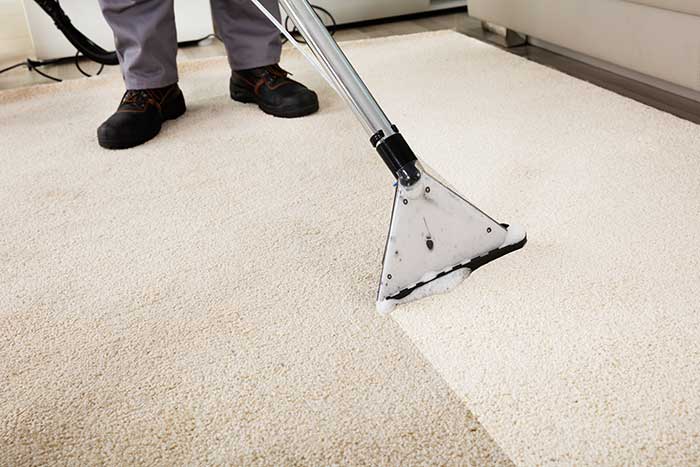
If the concern persists after ordinary work, record its position and what you can see. A small mark may need a different assessment from widespread wear. For periodic commercial carpet cleaning, identify the flooring, when the room can be cleared and what furnishings can move. Mention whether a visitor route needs to remain available and the time the office is due to reopen. If equipment must come through a different door, include the permitted route. Keep periodic work separately identifiable in the quotation so it can be reviewed with those practical details in view.
Compare the floor at a similar time and in similar light. Record any use between the visit and the check. If the issue repeatedly follows wet weather or the movement of supplies, discuss whether the entrance needs a focused adjustment. If an area is inaccessible, ask staff when they can clear it. The inspection should help decide what is included in the cleaning schedule and what would be better raised as a property condition.
Prepare kitchen and washroom information together
A small office might have one kitchenette and one washroom, while an upstairs suite may share both with another occupier. Give the number of rooms and explain who uses each one. For the kitchen, identify when staff can clear mugs and food, which appliance fronts need attention and whether any interior appliance work should be considered separately. Show where bins and supplies are kept. For a washroom, include the fixtures and available time, along with any points that regularly need attention before visitors arrive. If people rely on an accessible route, discuss where equipment and signs can be placed while it remains usable.
Separate replenishment from cleaning. State who orders consumables, who can access the store and which dispensers a cleaner should check or refill. Use the washroom services overview when discussing a separate supply or maintenance arrangement. Keep the person responsible for a broken lock or a leaking fitting visible in the brief. A missing refill can be reported to the office, while a defect may go to the managing agent. Give clear room names so the issue can be found even when several facilities have similar fittings.
Ask the people using the rooms when they notice recurring issues. A spill after a particular break may need staff to clear a surface or a change to the timing. A facility that needs refills earlier than expected may have more users than the office initially estimated. Check results at the same point on a representative day. Discuss whether to adjust stock or the schedule and record who will follow up if the problem continues.
Identify the business waste handover before the first visit
List the bins a cleaner can attend and identify the agreed containers for each stream. Mark the route to the store, any shared door and the person who can open it. Tell the provider whether responsibility passes to a landlord, your own staff or a collection company at that point. Office cleaning can include moving waste within the property where agreed, and a separate collection arrangement may apply. Confirm those roles for the actual address. Keep confidential material in the office’s established procedure and make clear which containers are reserved for staff.
Explain who supplies liners and where stock can be reached at the scheduled time. If the store sits behind a parade or uses access controlled by another occupier, confirm the available hours. Give the contractor an agreed contact if the door is locked or the intended container is full. Do not leave an instruction that relies on finding a different place on the day. A designated alternative can be recorded if the building permits one. Keep shared circulation clear and note any tasks that need the office or building contact to intervene.
Review the instructions when collection arrangements change or another tenant begins using the store. If a problem repeats, record the date, container and reason the expected arrangement could not be used. That helps the responsible person decide whether access, capacity or the handover itself needs review. Update the room and route notes together so a change at the end of the process is communicated to the person emptying office bins at the start.
Plan periodic work at a different scale from the routine
List tasks that need rooms to be cleared or equipment brought in. A meeting area that can be vacuumed while staff are elsewhere may need a longer window for periodic floor work. Interior glazing behind furniture can be reachable only when a room is rearranged. Decide who can clear the area, who moves the furniture and when people need the room back. Include any landlord permission for a service door or the use of shared access. Ask whether the provider needs more information before agreeing the method or timing.
Use the London commercial cleaning overview to frame any requirement beyond the office routine. Describe the actual task, the condition you want addressed and how it should be assessed. If a surface has worn or damaged areas, state that in the brief. A periodic job can be agreed separately with its own assumptions, which allows the office to understand how it differs from ordinary visits. Check what staff are expected to do beforehand and who confirms the room is ready for use afterwards.
Keep a simple record of the work and when it was done. Include any conditions that prevented access or led to a change of scope. For future appointments, compare the result with a similar inspection point rather than judging all flooring or furniture from one observation. A short record can help show whether the next appointment should cover the same areas, add a particular surface or take place when another part of the office is available.
Keep separate details when comparing nearby office sites
An organisation with more than one workplace can request quotes with a consistent format. Use the same headings for opening hours, room types, visit frequency and inspection. Give each address a separate arrival route, stock location and list of shared responsibilities. The office contact in Barnehurst may be able to admit a contractor directly, while another site relies on a building team. Avoid assuming that the same equipment or timing will suit both. A quotation should make it easy to identify which parts apply to each premises.
If you also need a brief for Bexleyheath or Abbey Wood, give those addresses their own room lists and expectations. Name the people who can approve changes locally and the person who reviews the combined work. A common inspection form can show whether an issue is repeating, but whoever follows up still needs the building and room information for the correct site. Record which areas are managed by the landlord and what the tenant can authorise.
Check how shared supplies or periodic work would be arranged. A central stock order may go to one place even though two buildings need access at different times. An occasional floor appointment might require a service door that only one premises has. A separate site schedule lets you discuss changes at Barnehurst without inadvertently adjusting work at the other office. Share any known changes in staffing or hours before the quotation is final so each site’s assumptions remain visible.
Make a quote easy to compare with the schedule you already use
Gather your room list, the hours people are present and the areas you want included. Give the condition you need at opening, after a break or before the next booking. Tell each supplier about the same limits, including a narrow stair, a restricted store or a landlord-maintained area. If you are reviewing an existing arrangement, identify which parts work well and which produce recurring issues. A proposed visit can then be compared against a real day at the premises rather than against a heading in a quotation.
Ask each provider to distinguish the routine from occasional work. Confirm what it assumes about storage, supplies and access, and who handles a visit when a room is still occupied. If one provider proposes a different order, ask how that affects the rooms you need ready first. A written frequency against each task is useful when comparing quotes or reviewing a change. Discuss the responsibilities staff keep, such as clearing desks and ordering consumables, so those actions can be planned around the work.
Review the proposal with someone who uses the office and someone who controls the building access. They can check whether the stated hours match actual practice. Agree a method for reporting a change or an issue before the service starts. If a new tenant takes an adjoining area or a room begins receiving more visitors, update the schedule with the affected room and time. Keep the most recent version where the office contact and cleaning supervisor can refer to it during a review.
Review results using a small number of useful checks
Pick the places that have the clearest effect on the working day. Check the inner entrance before visitors arrive, the area beneath the waiting chairs at an agreed point and the kitchen once it is available after the last break. Note whether people have used each area since the scheduled visit. Give an observation rather than an overall score when there is a concern. A note that identifies a particular point helps the office decide whether a task was missed, the room was inaccessible or later use changed the condition.
Give follow-up to the person who can act. An access clash may need the person who books the room, a damaged fitting may need the building contact and a question about frequency can go to the cleaning team. Record what they have agreed to do and when someone will check the result. If the issue recurs after the change, see whether the room was available when expected. Keep a short record so someone else can understand which points have already been reviewed and which still need a decision.
To discuss office cleaning in Barnehurst with Complete Clean Management, provide the address, route, room list and practical priorities. Include any work you want assessed outside the ordinary visit and explain who manages shared areas. If a detail still needs agreement, name the person who can confirm it. The resulting schedule should show the parts of the premises it covers and when staff can expect to use them again.

Questions about arranging office cleaning in Barnehurst
What should I send for an office near Barnehurst station?
Give the complete address, suite, floor and authorised contractor door. Explain whether the route uses a shared stair, gate or service entrance. Include who can admit a contractor and what equipment can be brought through. Use the quote enquiry to give the outline and keep keys and credentials within the agreed premises process.
How can the waiting area be cleaned when appointments run over?
Agree what the cleaner should attend first if people are still waiting. Give reception responsibility for confirming when the room is free. Record what should be reported if it remains unavailable. If the issue happens most days, discuss moving the work to a more reliable window and check whether the room is ready at the next opening.
What if the stair outside our office is already cleaned by the landlord?
Ask for the building schedule and mark where the tenant’s own scope starts. Describe any issue separately and agree who will report it to the managing agent. If several occupiers want additional work considered, use the communal cleaning service to discuss a distinct agreement. Confirm that the people commissioning it can authorise the work.
How should we describe carpet marking at the turn inside the door?
Identify where it starts, the flooring type and whether it follows wet weather or heavy use. Note what remains after the ordinary visit. If you want a separate carpet cleaning assessment, give the time the area can be cleared and any equipment constraints. Refer loose trim or mat damage to the premises manager.
Can a cleaner replenish stock in a washroom shared with another business?
Confirm who owns the dispensers, where compatible refills are stored and whether the cleaner has permission to use them. Decide who orders stock and whom to tell about a faulty unit. For separate supply or maintenance needs, see the washroom services overview. Keep the shared agreement visible beside the routine tasks.
What if our bin store is accessed through a rear gate?
Give the route and opening arrangements and identify which containers belong to your premises. Tell the provider where responsibility passes to the collection service. Agree whom to call if the gate is locked or the store is full. Keep an approved alternative in the site notes if there is one, and keep confidential waste within the office process.
Can we combine Barnehurst and Bexleyheath in one enquiry?
Use the same format for both but give each workplace an individual room list, entry instructions and priorities. See the Bexleyheath office cleaning guide for that site’s brief. Ask that the work and assumptions remain identifiable by address. Give each site a contact who can confirm any restrictions or changes.
How can we tell whether a desk area is being missed or was inaccessible?
Record the desk or room, time and whether staff cleared it. Ask the cleaning contact what could be reached during the visit. Agree a different time if the surface is repeatedly occupied or restricted. Check the same place after the first visit where the new instruction applies and record what changed.
Talk through your Barnehurst office cleaning brief
Describe your workrooms, access and the tasks you would like priced. For other sites, start with the London office cleaning guide.
Clients we service
Organisations featured across Complete Clean Management’s client portfolio.
















GOOGLE CUSTOMER REVIEWS
What our customers say on Google
Selected review excerpts from Complete Clean Management’s London Google listing.
★★★★★
“Really happy with the deep clean! The team were friendly, professional and did a fantastic job.”
★★★★★
“We engaged with Complete Clean Management and they came in and did an absolutely fantastic job.”
★★★★★
“We have recently started to use Complete Clean Management for various cleaning services to our domestic and commercial renovation projects.”
★★★★★
“The team is punctual, professional, and pays great attention to detail.”
★★★★★
“We’ve been using this office cleaning service for several months, and it’s been outstanding.”
★★★★★
“Complete Clean Management has transformed the cleanliness of our workspace.”
Selected excerpts, checked 6 November 2026. Leave a Google review ↗