Complete Clean Management · East London
Office Cleaners Beckton
Professional office cleaning tailored to your premises, working hours and priorities.
Request a free quote Call 0203 092 2297

Scope office cleaning for the Beckton address you operate
Begin with the physical premises. A Beckton enquiry might cover a reception and desk area in a multi-occupier building, an office attached to a trading unit or a workplace within a larger development. Give Complete Clean Management the street, postcode, building and suite. Mark the office on the site plan and indicate which door contractors use. Transport for London’s Beckton DLR information can help orient a visitor. The station and bus interchange are landmarks. Add the route from the relevant entrance to the actual workplace, including any sign-in point and which floor is involved.
Define the outcome before asking about hours. The reception may have to be ready before a regular delivery window. Staff using a meeting room may need it reset before the first booking. A manager overseeing a shared office might want to know which work happens inside the suite and which belongs to the building. Give the quotation a named location and time for each first priority. Tell the assessor whether work can happen while the office is occupied or if some rooms have to be available after closing. Check how those conditions vary through the week.
Use the London office cleaning guide to collect similar information for other addresses. Give each site its own authorised route, room priorities and contacts. An office with a separate entrance and an office at the back of a commercial unit need different instructions even when they share a postcode district.
Map pedestrian, vehicle and service entrances as three different routes
Newham’s Beckton walking and cycling scheme area describes links between the town centre, DLR station and surrounding routes. Use public route information for travel and the site contact for permission to enter. A cleaner arriving with ordinary supplies might follow the authorised pedestrian approach. Someone bringing equipment for a periodic task may need a service entrance with room to unload. Ask which point is available, when it can be used and whether anyone needs to be notified. Write down the exact door name and location. Do not infer from an open gate that a route is approved.
Walk the route to the floor being considered. Check whether there is a lift or stair, what happens when a door closes and where supplies can be put down without narrowing access. If a vehicle gate and pedestrian door have different hours, record the sequence for leaving as well as arriving. Ask the property contact how to report a blocked door or a delivery affecting access. A description that names the gate, time and person who can authorise a change is more useful than a general instruction to use the back entrance.
For public parking, start with Newham’s parking zone information and confirm the current restrictions for the actual street and date. The property manager should confirm site permissions separately. Give the quoting team a plan for ordinary visits and a distinct one for larger work. Make sure the site can provide the time and space on which the proposal depends.

Keep the office and the operating area under distinct specifications
Walk the boundary between workrooms and the rest of the site. One door may lead from desks to storage, a delivery corridor or staff welfare facilities. List what the office controls and ask which additional rooms the site manager can authorise. Mark doors used for access only and areas with their own procedures. For a proposal beyond the office, start with the commercial cleaning overview and give the wider activity its own assessment. Include the person who controls that space and the conditions under which it can be reached. The ordinary office visit should only cover work that the scope explicitly includes.
For each desk or counter, decide what staff can clear. A shelf used for dispatch, a front desk with visitor records and a table left ready for a meeting need different preparation. Give the cleaner a way to identify surfaces that can be attended and work that must stay in place. Tell them which nearby floor or accessible area can still be reached. Give equipment its own permission. The cleaner should be able to follow an ordinary office task without deciding whether a device, label or set of files can be moved.
If the business has several managers, agree who signs off the office room list and who can approve a change. A different contact may be responsible for common areas. Put the boundary on the site plan and specify how an issue outside the tenant area is reported. A named route for repairs and access makes the cleaning record useful even when the office team does not see the cleaner during the visit.
Catch floor debris at the point where people change routes
Look at how people enter the Beckton office from the staff door, visitor reception and any service corridor. Walk each authorised route after an ordinary working period. The first visible line of grit may appear past a mat, beside a threshold or where staff turn towards the workroom. Identify the surface and check who is responsible for it. A floor with a damaged edge or worn finish needs to be reported separately. If the material may be associated with an operational process, ask the responsible person to identify it before agreeing ordinary office treatment. That distinction keeps a floor issue tied to the place it comes from.
Ask the property contact about finishes, products and previous treatments. Give the cleaner different instructions for the mat, hard surface and carpet if needed. Check whether a shared route has to remain in use, and choose when work can happen without blocking it. Give staff an agreed route to the rooms they need. Where the floor has to remain clear after work, identify who can confirm when it can reopen. Keep the method tied to what the surface and building can support.
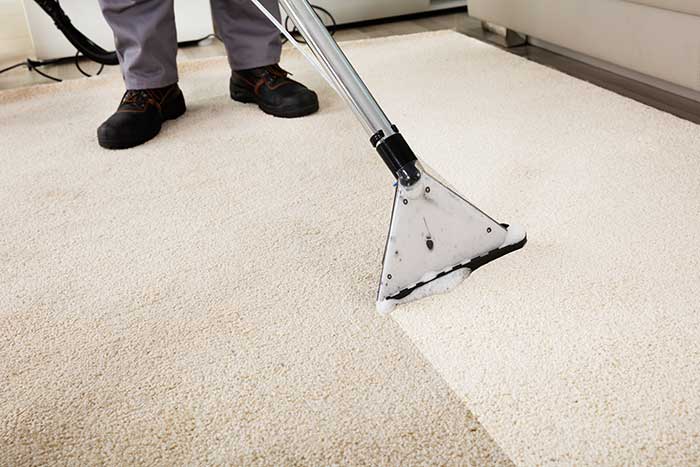
For a separately planned job, use our commercial carpet cleaning information to prepare the details. Describe the marks, surface, furniture and route for equipment. Say when staff can clear the room and the next time it needs to be used. If marks reappear after a particular arrival, look again at the approach before changing the entire office floor routine.

Choose the visit order for a site with staggered staff hours
Give the assessor the times when reception, offices and welfare rooms are in use. A building may be quiet in the workrooms while another shift still uses the staff facilities. Identify the room the next team needs first. Ask who can say when the room is available and when a cleaner can enter. Give the visit a first set of accessible tasks and a fallback if a room is occupied. A scheduled visit can then continue in other authorised spaces while the office decides what to do about an unavailable task.
Consider a site where a break room is needed before an early shift and the admin office is occupied until the evening. The room list can place the break room first, with a separate note that desk areas are cleared later. The person checking the visit can look at the break room before the next use and record whether it was ready. If the desk area repeatedly remains occupied, the staff contact can agree another time or make a limited area available. Recording those results separately shows whether the existing visit order serves each room.
Agree what the service record should contain. A room, task and time are enough to show what could not be reached. Staff can keep details of their business in the office’s own systems. Ask who confirms a new slot or decides whether a task can wait. If there is a regular change in working hours, amend the site brief and tell people who open or lock the rooms. The cleaning team should be able to follow a current instruction rather than discovering an exception on arrival each week.
Treat shared washrooms as individual rooms with their own users
Identify the washrooms your office uses and who manages them. A staff room beside the workrooms may have a different timetable from a facility used by visitors or by another tenant. Give each room a name, a route and a list of the accessible fixtures and floors you want considered. Ask whether a facility must remain available during agreed work and what alternative people can use. Choose where signs or supplies can stand safely. Give the building contact a way to report a fault, particularly if a damaged fitting or latch changes how the room can be used.
Record consumables by fitting. Identify who buys compatible refills, who can open the stock cupboard and what the cleaner is expected to check. A site may provide paper supplies but have another arrangement for dispensers. Clarify whether replenishment is included and who is told about a shortage. Use the washroom services overview to discuss work or provision beyond the regular clean. Write separate instructions for stock and maintenance. The person who supplies replacements may not be able to repair the fitting.
Inspect the room at a time that relates to its intended use. If staff arrive after several other groups have already used it, record that when reporting the condition. A finding about a shortage needs the location, fitting and time. Ask whether the correct stock was accessible at the previous visit. This helps the office identify the cause and choose a practical next step instead of changing the schedule before anyone knows which part is failing.
Use a break-room handover that reflects the actual shift
Watch how the break room is left at a changeover. The last people to use it may leave cups, packaging or food on a table while the next group needs the same space. Ask staff who clears those items and which surfaces the cleaner can attend. List the table, sink surround, accessible appliance fronts and floor by the bin as separate points where relevant. If an inside appliance clean needs an empty space, set a separate time and identify who prepares it. A regular schedule is easier to follow when the office knows the conditions that have to be in place before the work begins.
Give stock a suitable location and make sure it can be reached at the proposed time. If the cupboard is shared, label the items available to the office. Tell the cleaner who orders replacements and what to do when something is missing. Use a different route to report a blocked sink or damaged door. A useful report gives the room and location, without asking the cleaner to deal with a fault the site has not included. This helps a premises team respond even when the person who noticed the issue is working at a different time.
Check the room before the next people use it when possible. If the sink and worktop were unavailable, ask the room contact what can change. It might be enough to set a point when the last group clears the area or to move the task within the visit. Record the change beside the room so another person covering the site can follow it.
Assign office waste separately from goods, returns and site material
Follow each ordinary bin from the office to its agreed destination. Give the cleaner the streams they are asked to handle, the container the office is allowed to use and the route to the store. A shared commercial site may have materials from operations, packaging and returns handled by other people. Mark where the ordinary office scope ends. Keep confidential files, equipment and other separately handled materials in the appropriate site processes. Staff should have a location for each one so it does not get left beside a normal bin.
Ask who handles presentation for collection and how the site approves a change. The cleaner may be able to move ordinary waste to a store but need someone else to open a yard gate or present it at a set time. Give the person managing the property an opportunity to confirm the route. Refer to the GOV.UK business waste guidance for general responsibilities and confirm your site’s agreement with the collector. Do not use a delivery lane or common exit as an unapproved holding point. Agree what to report if the authorised store is unavailable.
Review what happens after deliveries, office meetings or a change of staff use. If one bin regularly fills first, check its location, labels, route and collection frequency. Record the time and room rather than assuming the task has been missed. Give the report to the contact able to change that part of the process. A small change to the container or the handover may be enough to make the arrangement workable.
Plan periodic work around unit access and room clearance
A Beckton office may want a separate job when a room is empty, when a tenant moves or when staff can make the largest surfaces available. Give the assessor the condition of the room, what needs to move and who prepares it. If work from a fit-out or an operational process is involved, describe it separately. Confirm when the room has been handed back and who can approve entry. An ordinary office visit can continue in agreed occupied parts while the other work is assessed. List the two scopes separately so the people preparing the premises know which conditions apply to each.
Check the equipment route before confirming the date. A larger job can need a clear lift, an agreed route through the building or space to unload. Ask what happens if a delivery is due at the same time and who can confirm an alternative. Set the time the space has to reopen and decide who checks the result before furniture returns. Give the site contact the list of items they are responsible for moving. If the room cannot be cleared, say who changes the date and what regular tasks still happen on the existing visit.
After a layout change, walk the new route and confirm the room names, store and washroom. Ask which areas are now used first and which ones no longer need to be included. Put the new room list in the scope before the next visit. The office can then check the result based on how people use it now rather than on the way the previous unit was arranged.
Coordinate the premises team with the person who checks the result
Give the work a review point that fits the building. A front desk can be inspected before customers arrive. A floor at the staff door may be worth checking before and after a delivery period. A shared kitchen should be observed before the group that needs it, when possible. Note whether people have already used the room. Give the service contact a specific place and time for an observation. A report that distinguishes conditions before and after use can help the premises decide whether to change the work, room preparation or timing.
Use a separate route for maintenance and permission issues. A damaged door goes to the property contact. A cupboard that cannot be opened may need the stock holder. A room that was not ready may need a decision from its owner. If a scheduled task was missed despite being accessible, identify it for the service contact. Give each action a person and a date for checking it again. Keep the record concise enough that people can use it on a shift without reading a long history of the building.
For sites in East Ham or Canning Town, use the same reporting fields and choose check points separately. Compare the room, condition, timing and next step rather than insisting on identical tasks. Each office should keep its own entry plan, permissions and stock arrangement so a manager reviewing several premises can see which conditions apply where.
Set out the conditions a cleaning quote should account for
Send the same scope to each provider you are considering. Include the room list, office boundary, shared areas, work hours and authorised entrance. Note whether the proposed cleaner needs a site induction, security sign-in or another person to admit them. Give the stock and waste arrangements if they affect the visit. Name the first room that needs to be ready and who can check it. An incomplete brief can still identify which questions need the building manager’s input before the quote is final. Ask how an access delay or unavailable room will be handled.
Check the proposals against the rooms and tasks. A recurring visit might include internal waste transfer and supplies while another ends at the desk bin. A periodic job may appear separately because it needs equipment or clearance. Ask what preparation is assumed and which conditions still have to be confirmed. Consider time spent moving between rooms and gates when it is part of the actual work. Keep different site roles visible so the quote does not assume the office can grant permission to an area controlled by another occupier.
Agree a process for revisions. If the site takes another room or shifts change, give the service contact the new room and time information before expecting the old schedule to cover it. Record the change and who approved it. Choose a point to check the result once the new arrangement starts. This gives the site a clear version of what is included and how it is meant to operate.
For a practical comparison, give providers a named example of the work you expect in an ordinary week and another for a periodic job. Ask them to explain how the price changes if a common stair is added, if the office supplies the stock or if the property can offer a better equipment route. This exposes assumptions before anyone commits to the schedule. Ask which points will be checked after the first few visits and how a change can be made without losing the written scope. The person who approves the quote should be able to match each separate line to an actual room, time or access requirement.
Ask Complete Clean Management about your Beckton office
Call or use the enquiry form with the address, unit, authorised door and main room list. Explain whether the office is standalone or attached to a wider facility. Name the person who can show access and the time at which the first room needs to be ready. Include the floors, welfare areas, stock and waste route where relevant. Identify specialist or occasional work separately and say what staff can prepare. If the route or boundary is unclear, ask for a walk-through before agreeing the final scope.
Choose the first practical issue you want the service to address. It might be grit at a staff threshold, a break room that needs a reliable reset between shifts or a reception that has to be ready before the first visitors. Give the assessor enough detail to see why the timing or room order matters. Ask what is included in the regular schedule and whether a different job needs a separate appointment. Make sure the proposal reflects the available access and the task priorities you gave.
Before work starts, agree how the first check will be carried out. Give the room, observation time and person who can report the result. Keep a separate route for stock, repair or permission issues. That lets the office review its actual priority and make a defined change if the way the building operates is different from what was expected when the quote was prepared.

Questions about arranging office cleaning in Beckton
Where should a contractor arrive for an office near Beckton DLR?
Use TfL’s Beckton station information for travel, then give the exact building, suite and authorised door. State who can grant access and whether a sign-in or induction is required. Explain any separate route used when bringing larger equipment to the site.
Can the scope include welfare rooms beside a trading unit?
List the specific staff rooms and washrooms and identify who can authorise their use. Mark the boundary with storage, operational or other restricted areas. Use the commercial cleaning overview if the wider premises needs a separate assessment and give each scope its own access conditions.
What should we check before booking carpet treatment?
Give the material, existing marks, route for equipment and time the room needs to reopen. Ask who can move furniture and where it can wait. Refer to commercial carpet cleaning when preparing the separate task. If grit returns, check which staff or service entrance carries it in.
Who looks after the shared washroom supplies in a Beckton building?
Confirm the role that buys compatible stock, who has the cupboard key and which fitting is covered. Decide what the cleaner checks or refills. Use the washroom services guide if another provision is needed. Report damaged fittings by room to the appropriate premises contact.
What if a delivery prevents access to the office bin store?
Tell the cleaner the approved route and who controls it. Agree which work can happen first and when the waste task can be resumed. Give a fallback authorised by the property contact. Keep operational material and separately handled items in the procedures the site has assigned to them.
How should we check an early clean when staff work different shifts?
Choose one or two points to inspect before the next people arrive and record whether the area was already used. Name the room, time and task. If an office was still occupied, check with the room owner and agree when it can be reached. Keep the visit record focused on access and work.
Can Beckton and Canning Town offices be included in one enquiry?
Yes. Use the Canning Town office guide for that address. Give each workplace its own room list, gate, hours and site contacts. Ask for the recurring and periodic work to be shown by location so different access assumptions are clear.
When does an office move need a separate cleaning brief?
Use a distinct brief when the timing, condition or access differs from the normal work. Confirm who clears furniture, what remains occupied and when the new space opens. Describe fit-out materials or specialist tasks separately. Give a date for when the new rooms become part of the ordinary office schedule.
Talk through your Beckton office cleaning brief
Describe your workrooms, access and the tasks you would like priced. For other sites, start with the London office cleaning guide.
Clients we service
Organisations featured across Complete Clean Management’s client portfolio.
















GOOGLE CUSTOMER REVIEWS
What our customers say on Google
Selected review excerpts from Complete Clean Management’s London Google listing.
★★★★★
“Really happy with the deep clean! The team were friendly, professional and did a fantastic job.”
★★★★★
“We engaged with Complete Clean Management and they came in and did an absolutely fantastic job.”
★★★★★
“We have recently started to use Complete Clean Management for various cleaning services to our domestic and commercial renovation projects.”
★★★★★
“The team is punctual, professional, and pays great attention to detail.”
★★★★★
“We’ve been using this office cleaning service for several months, and it’s been outstanding.”
★★★★★
“Complete Clean Management has transformed the cleanliness of our workspace.”
Selected excerpts, checked 6 November 2026. Leave a Google review ↗