Complete Clean Management · South East London
Office Cleaners Bellingham
Professional office cleaning tailored to your premises, working hours and priorities.
Request a free quote Call 0203 092 2297

Build the cleaning brief around how your Bellingham office is used
An office near Bellingham station can have a handful of permanent desks and a busy waiting room, or several workrooms that fill up on different days. Both may cover the same floor area. The second fact tells a cleaner less about the job than the first. Start with who uses each room and what they leave behind. A counter that handles paperwork and parcels calls for different attention from a quiet room used for calls. A kitchenette that serves lunch for everyone needs more work than a kettle in a room that is occupied twice a week.
Walk the route that a visitor takes from the Randlesdown Road entrance or your own side door. Include the threshold, handrail, bell, internal door, sign-in surface and any seat offered to someone who arrives early. Next, follow the staff route. Staff may come in from a different side, leave bikes in a corridor or stop at lockers before reaching their desks. This walk often finds the mat, shelf or bin that a floor plan misses. Put the routine on the plan at the point where the problem occurs. For example, a carpet stripe from a back entrance belongs with the back door and its mat as well as with the carpet.
Complete Clean Management can discuss the tasks you want included in a Bellingham office cleaning quote. If you have other premises in the city, compare the scope with our London office cleaning guide. The useful starting point for a single address is a brief that identifies tenant and shared space, busy rooms and any that need permission. Photographs of floors and entrances can help explain the layout. Leave screens, documents, names and access codes out of any pictures you send.
Make the Randlesdown Road handover unambiguous
The National Rail listing for Bellingham station identifies the station on Randlesdown Road. That is a useful arrival reference for a site walk, but the office instructions should continue to the exact door. If the door facing the street closes before the rear gate, describe which route applies after staff leave. Give the door name, any landmark visible from the pavement and the floor to report to. Include a way to reach an authorised person if the normal entry fails. Keep keys, credentials and alarm instructions in a separate agreed channel. An address on an invoice rarely contains enough information for the first evening on site.
For a workroom behind another business, the cleaning route may run beside a delivery area. Find out when goods come through, who controls the doors, and whether a trolley can be parked inside without blocking a route. A brief that says “rear access” could send someone to a delivery door that is latched from inside. Walk it at the proposed cleaning time and confirm which doors still open. A simple description such as “tenant stair beside the yard office, turn left at the landing” makes a real difference when the front shutter is down.
Close the loop by writing an exit check. Record which lights and doors the cleaner is responsible for, where a key goes after use and how a failed lock should be reported. Where a staff member will remain in the office, agree whether that person takes over the close-down or whether the cleaner still has a separate exit routine. That decision is worth resolving before pricing an early or late visit, because waiting for someone to grant or recover access takes time out of the cleaning slot.

Separate bookings from the weekly reset
Some offices arrange their day around short advice appointments, staff briefings or suppliers picking up paperwork. In Bellingham a small reception can double as an interview room when the main table is occupied. A cleaning plan can cope with that if it identifies the handover point between people using a space and someone cleaning it. Ask the bookings owner to mark the final session and put a repeatable reset on the list. The reset might include emptying a small waste bin, removing cup marks from the table, wiping the chair arms where suitable and checking the floor around the door. Record any papers the office wants left in place and identify who clears them.
A deeper weekly pass can deal with the quieter edges of the room. Check the window ledge, skirting behind a visitor chair, door panel near the latch and the strip under a brochure stand. A chair may move every day while a cabinet stays in the same place for a year. The two jobs need different planning. The schedule should say who moves furniture or stock when a clear floor is needed and what the cleaner can reasonably move during an ordinary visit. Leave the technician’s space and cables out of the furniture-moving instruction unless you have agreed a safe process with the person responsible for them.
For a building that books rooms in more than one location, such as a site nearer Catford, keep the same record of whether a room is free or occupied. Allow room-specific tasks to vary. A visitor desk in Bellingham may handle sign-ins for several rooms, while a Catford room may have a staffed counter and dedicated waiting seats. Comparable handover records make it easier to see which issues are local.
Catch grit where the entrance changes material
The council’s Bellingham Play Park information shows how the park connects with the River Pool Linear Park and Waterlink Way. If people reach your office on foot or by bike from that side, walk the final approach after rain and inspect the office side of the threshold. The dirt pattern tells you more than a guess based on the nearest road. A faint strip at the first turn may indicate a mat that ends early. Mud appearing beside a bike rack may have travelled through a staff door that has little protection at all. Look at each entrance separately, including one seldom used by visitors.
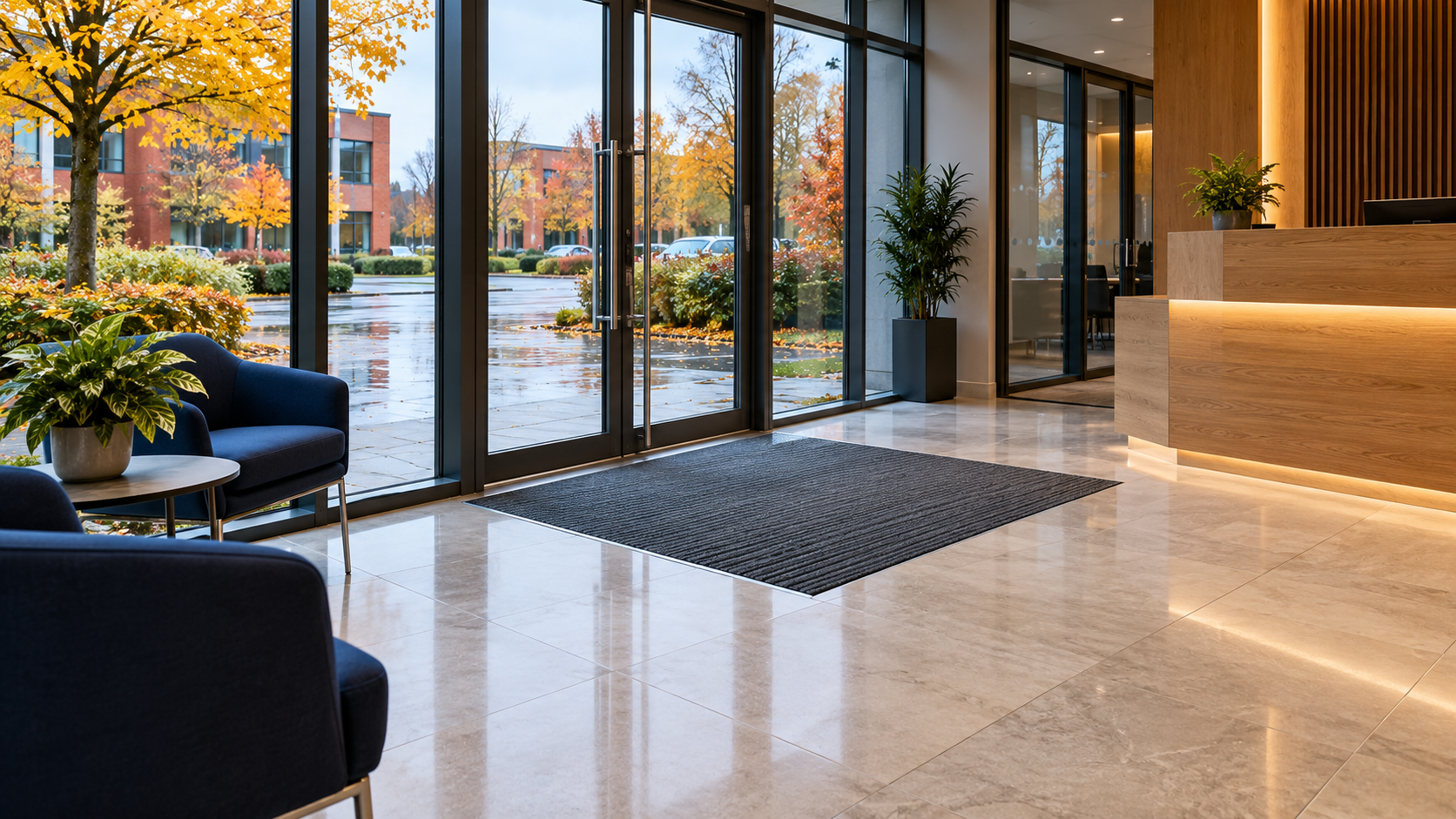
Record the surfaces from the first mat to the work area. A recessed mat well may gather dry grit below the insert. Smooth entrance flooring shows wet tracks, while a transition strip can hold debris at the edge of carpet tiles. Lift or remove only mats designed to be handled that way, and agree how the walking route will stay clear during floor work. If floor finish or a recent treatment is unknown, ask the property contact for the product or maintenance information so the method can be chosen for the surface.
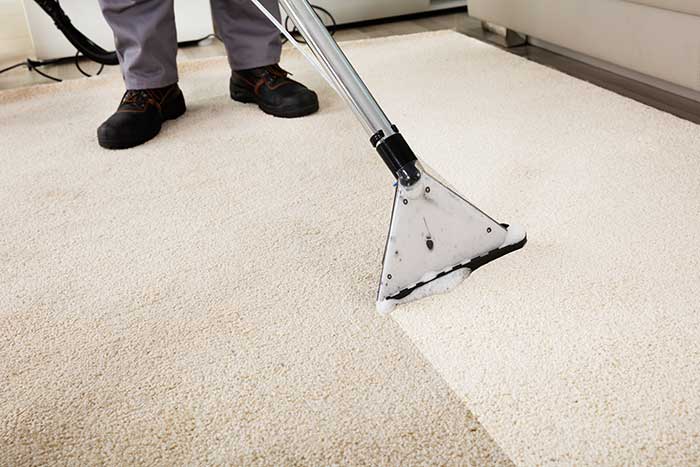
Separate ordinary vacuuming and spot checks from an agreed commercial carpet cleaning job. A carpet spot can be recorded by position and likely cause without making promises about its removal. Larger treatments need a clear area, an agreed method and time for the floor to be ready for staff again. Put the desk chair, cable and equipment arrangements in writing before the room is cleared. If there are carpet tiles in a heavy lane by reception, ask how the landlord handles tiles that have lifted or worn through so a maintenance fault is sent to the right person.
Specify separate routines for kitchen, washroom and stock cupboard
For a Bellingham office with a small kitchen, follow a used mug from the meeting table to wherever staff actually put it. It may stop at a shared sink that also has dishes waiting to be washed and a kettle surrounded by supplies. Make a clear distinction in the brief between wiping accessible surfaces and handling occupants’ belongings. Decide who clears mugs, deals with open food and takes items out of the fridge. If the office uses communal tea towels or cloths, identify who replaces them and where soiled ones go. It is easier to maintain a tidy kitchen when everyone knows which preparation tasks are theirs.
Record what a washroom clean covers by fixture. A tap, splashback, door handle, flush button, mirror and floor have different soil patterns and may require different materials or methods. For an accessible washroom, check the contact points and clear approaches in addition to the obvious fixtures. If a dispenser is locked or takes a particular cartridge, find the model or send a close photo that shows only the fitting. Decide who holds the key and who orders each refill. Discuss any separate supply requirements when looking at washroom services.
Set aside a defined place for agreed stock if there is space. A small cupboard may already contain paper files, repair tools, bottled drinks or a router. Make room for supplies under appropriate conditions and note where the building keeps its product information. List what the cleaner should do if a tap leaks or a dispenser is broken. An empty dispenser can be refilled as agreed, while a refill falling straight through a damaged housing needs a maintenance report. Give the cleaner a way to make that distinction without relying on a verbal note that only one shift hears.
Follow the waste from desk to collection point
Office waste arrangements in a shared Bellingham building can be simple at the desk and confusing at the exit. A tenant may have separate dry recycling and general waste in its own rooms, while a property manager runs a common bin store. Map the path for each stream from the point of use to the agreed bin. Then write down which streams the cleaner handles, where replacement liners are kept and what happens if the agreed bin is full. Include food waste if it is part of the site’s collection arrangements. The label on an indoor container should match the stream it actually reaches.
Check the Lewisham Council business rubbish and recycling guidance if the premises are in the borough. Confirm the arrangements for your address with the landlord or collector. Build the instructions around the actual storage point, which may have a padlock, a code, a stepped route or a door used by several tenants. Agree where sacks may wait if access is temporarily closed. Show that point on a sketch and make sure it leaves the stairs, pavement and fire route free. Where a collector’s presentation instructions differ from the building’s internal storage arrangements, give the two stages distinct names in the checklist.
Document what sits outside ordinary bin handling. Locked confidential-paper consoles, used toner, electrical equipment and materials from workshops may all have their own routes and authorised handlers. Give staff a nearby alternative so these items have somewhere obvious to go. Keep records of bin contamination or repeated overflow in the site handover. Two full containers every Thursday may point to a collection change, or to a change in how the office uses its space, rather than to a failure to empty the room bins.
Write boundaries that make sense in a shared SE6 building
The lease or facilities arrangement may put the cleaner for a Bellingham tenant on one side of a door while the landlord’s contractor works on the other. Establish who handles the stair treads, landing glass, lobby mat and corridor to the toilets. “Shared areas excluded” is easy to put in a quote, but hard to apply if a visitor follows a route across three different surfaces and only one is mentioned. Draw the line at a physical feature someone can recognise on the visit. If the front door has two glass panels with different responsibilities, identify them by side or orientation.
An office that shares an entrance with a ground floor business may also share an opening time. Check whether an early visit can use the same route as a lunchtime visit. If the tenant’s cleaner is allowed through a shop but cannot work there, list that as access only. When an issue appears outside your tenancy, identify which property contact takes the message. This lets a tenant report a spill or a damaged mat without turning a limited cleaning agreement into an open-ended duty for every space that staff walk through.
If you also manage a workplace in Sydenham, compare who controls the entrance, toilets and stock at both locations. Two small units may have different permissions even if their floor plans look alike. Use one format for marking the boundary, then write the local conditions in each row. For a mixed brief that includes space beyond the office rooms, our London commercial cleaning page can help you describe the areas you want to discuss separately. Include the manager who can approve a change to the shared specification if the arrangement evolves.
Protect quiet desks, records and specialist equipment
A clear desk can be ready for a wipe while the next one holds project papers that have been deliberately left in order. It is worth deciding how each desk communicates readiness. For example, an agreed clear corner can indicate that the accessible surface may be cleaned, while confidential records are stored by the team before a visit. That convention should be consistent across a Bellingham office. If personal objects, medication, signed forms or reference books are regularly left out, agree what the cleaning list says for that desk. Set a way for a missed surface to be recorded without describing anyone’s private information.
Choose a different instruction for printers, monitors, sockets and other equipment. Staff may expect a device to look tidy but its manufacturer or the internal IT team can have specific requirements about products and who may touch it. List equipment surfaces that are in scope only where the responsible owner has agreed a method. Keep the area around the device in the routine as appropriate. A printer alcove might need a floor vacuum, removal of ordinary scrap from an agreed bin and a wipe of the surrounding shelf. If powder has escaped from a cartridge, report it to the appropriate person and keep that separate from the daily shelf wipe.
The same principle applies to rooms with samples, instruments or access restrictions. A ground-floor office beside a preparation space may include all the staff rooms but exclude the bench itself. Mark that boundary on the walk-through and say whether anyone is permitted in the room at all. Make exclusions precise enough to protect equipment while allowing ordinary office work to carry on. If an exclusion changes later, ask for the revised instruction and method to be recorded before work starts.
Choose visit length from room evidence
Use a typical week from the Bellingham site rather than an assumption about how many visits an office of that size needs. Record how often interview rooms are used, how many times the kitchen is busy, when deliveries arrive and whether one day brings staff from several sites together. Ask the people who open the office which tasks tend to be unfinished or fall to them at the last minute. They might notice cups in the visitor room before anything else, while the closer sees grit at the back door. Together those observations give a better starting schedule.
Give recurring tasks their own intervals. A doorway, washroom or bin serving the whole team may need a check each time. A lightly used file room can have a different pattern, with a named periodic task for the shelf edges that gather dust. If the meeting calendar changes on one day, decide whether the team resets between bookings or the evening visit starts with those rooms. Cleaning the same room twice is sometimes sensible, but the quote should explain the two different tasks or times, so you can tell what is included.
Keep time to move through the premises visible in the plan. The path from a Bellingham upper-floor office to a waste store can involve locking doors and taking a route through another unit. If a cleaner has several short slots separated by access rules, adding up just the active cleaning minutes gives a misleading figure. Consider how many times the route needs to be walked and what tasks can safely be grouped. Put rooms with firm closing times first or arrange the work while the key holder is available. Review the pattern after a normal stretch of occupancy so seasonal peaks or a one-off closure do not set the schedule indefinitely.
Manage office moves and trades in a different brief
Moving furniture around a Bellingham office changes the places that collect dust and the routes people take through the rooms. Before moving day, photograph the blank floor or empty shelving if you need a condition record. Keep people and paperwork out of the photos. Write down which fixtures stay, who disconnects equipment and when boxes will be out of the way. If carpet underneath storage furniture has marks that were hidden, share the surface type and ask about options before assuming an extra vacuum will deal with it. Use a plan with room names that match the new arrangement, otherwise a handover note can continue referring to a room that has been split or renamed.
Where trades are still working, confirm when the area is handed back and what remains to clear. Offcuts, paint residue and fine building dust may require different handling from the dust on a desk after a normal week. Ask for those jobs to be described separately from recurring office visits. A staged handover can start with the cleared rooms, with a later pass on a lobby that is still carrying materials. Record who can confirm that services are back on, the route is clear and the agreed floor treatment can start.
If a building clean and a tenant clean are both under discussion, identify who signs off each stage. A manager may accept a bare office before desks arrive, then want a separate check after the move. Identify what “ready for staff” means on that second day. It might include clean seating, a usable kitchen and an agreed place for packaging waste to go. Write down who handles the last cable runs and plastic wraps so the final visit has a definite scope and an achievable finish.
Give the contract a practical check and feedback route
Choose a short set of places to inspect together after the routine has had a chance to settle. In a Bellingham office, those might be the strip at the visitor threshold, the underside of the kitchen table edge and the handle of a washroom that is used throughout the day. Pick points that correspond to tasks you agreed. One visual check should not stand in for an entire washroom or an entire floor, but it gives the tenant and cleaner a shared example of the standard. Keep the record readable enough that somebody covering for the usual office manager can use it.
When reporting a missed item, include the room name, exact position and time it was noticed. Separate a defect in the surface from dirt or clutter. A worn patch on a step will remain visible after cleaning, while gritty material on the tread can be removed by the agreed routine. A damp patch under a cupboard could merit investigation by the property contact, particularly if it reappears. Put repeated findings into the review list so there is a place to decide whether to change frequency, adjust access or report a repair.
Maintain an arrangement for interruptions. An early meeting, lock change or room closed to visitors could alter what can be cleaned that day. Give a named person responsibility for advising the cleaner and recording deferred work. Ask how the visit record will show that a room was inaccessible, and when to seek a decision from the tenant instead of returning on the next scheduled day. Reliable reporting is especially useful when office staff leave before the clean and arrive after it has finished. Both sides can pick up the same information without relying on a note pinned to the wrong door.
Request a quote that two people can read the same way
Before contacting Complete Clean Management, gather the building address and the locations of the entrances, floors and washrooms. A room list with surfaces, occupancy and proposed cleaning windows can be short. Indicate any access permissions that need the managing agent’s input. Highlight rooms that cannot be visited with occupants present and whether a tenant representative can attend a walk-through. Include the pattern that matters most to you, such as an early Monday handover or keeping a booking room ready throughout the week. That explains the job more clearly than asking for an unspecified regular clean.
When reviewing a quote, ask for distinctions you can use. Check which areas sit inside the regular price, how agreed consumables will be supplied and whether periodic tasks such as carpet treatment are described separately. Check who handles fixtures and common areas before comparing quotes with different scopes. Ask how agreed variations are recorded, such as one additional room, a temporary increase in occupation or a change to the bin store access. Recording changes in writing helps the next person responsible for the office see why the specification looks the way it does.
If the same team manages rooms nearer Forest Hill as well as Bellingham, send the separate room lists together and identify where you want a consistent approach. A common set of review questions makes multi-site discussions simpler. The access instructions, named contacts and floor methods should still be specific to each address. For Bellingham, finish with one request that reflects the main issue you want solved. It might be a clearer morning handover, better separation of waste or more regular attention to the rear entrance. A specific goal gives both parties a concrete place to start.

Questions about arranging office cleaning in Bellingham
What should I send for an office cleaning quote near Bellingham station?
Send the office address, floor, entrance name and a list of rooms with their main uses. The station is a useful meeting reference on Randlesdown Road, but a visitor door and a contractor door may be on different sides. Flag stairs, the bin route and any timed entry before the walk-through. Keep access codes private until the agreed handover. Our London guide also covers how to assemble a brief for other sites.
Can we keep cleaning outside the hours when visitors arrive?
Describe the times the waiting room is empty, when the last appointment finishes and who can grant access afterwards. If someone works late on certain days, note which rooms can be done first and who confirms the final room is clear. A regular slot can be discussed using those details. Agree how a late booking should be reported so the cleaner knows whether to work around it or leave the room for a later visit.
Who deals with the shared stair between our office and the front door?
Ask the property manager who specifies the stairs, landing, handrail and entrance glazing. If the landlord covers the route, identify the exact point at which the tenant work begins. Where the tenant is allowed to include part of a shared area, list it as a separate line and ask who approves it. For offices with additional shared space, the commercial cleaning page can help frame that conversation.
What if wet grit reaches the carpet from the staff entrance?
Look for the first place the dirt appears, especially around mat edges, the turn to a corridor and bike storage. Have the threshold and immediate carpet area recorded as separate checkpoints. A routine vacuum can address dry grit, while persistent marking or a larger clean should be assessed for the floor type and drying window. See commercial carpet cleaning if a separate treatment is needed.
How do we handle food waste if the bin store is behind another unit?
Start with your collection agreement and confirm who controls the rear access. Mark the food-waste container and the agreed deposit point on a plan, with a separate instruction for a locked or full bin store. Tell staff where to put food scraps so they reach that container. Lewisham’s business waste information is a useful reference for the site contact when arranging collections.
Can the cleaner look after soap and towels in a small SE6 washroom?
Include dispenser checks and refilling in the scope discussion. List each fitting, what refill it takes, who buys it, where replacements are kept and how low stock is reported. Identify locked dispensers and the authorised way to open them. A damaged fitting belongs on the maintenance list. Our washroom services information is a starting point for discussing anything beyond the normal fixture and floor clean.
How should we prepare for a first visit after an office move?
Confirm what has left the site and what will still be in boxes. Share a new room list and mark which space is available at the proposed time. Agree who disconnects equipment and who takes away packing material. If furniture or trades are still moving through the lobby, ask about staging the work in cleared rooms first. Record both the condition after the move and the recurring tasks you want on the new schedule.
Can we discuss Bellingham and Catford premises together?
Yes, bring the addresses and show what you want to compare, such as shared washrooms, visitor areas or treatment for the same flooring. Keep a separate access note and list of local responsibilities for each building. Start with the Catford office cleaning guide alongside this one and identify the rooms you want assessed. A common review sheet can still allow different visit times and separate landlord arrangements.
Talk through your Bellingham office cleaning brief
Describe your workrooms, access and the tasks you would like priced. For other sites, start with the London office cleaning guide.
Clients we service
Organisations featured across Complete Clean Management’s client portfolio.
















GOOGLE CUSTOMER REVIEWS
What our customers say on Google
Selected review excerpts from Complete Clean Management’s London Google listing.
★★★★★
“Really happy with the deep clean! The team were friendly, professional and did a fantastic job.”
★★★★★
“We engaged with Complete Clean Management and they came in and did an absolutely fantastic job.”
★★★★★
“We have recently started to use Complete Clean Management for various cleaning services to our domestic and commercial renovation projects.”
★★★★★
“The team is punctual, professional, and pays great attention to detail.”
★★★★★
“We’ve been using this office cleaning service for several months, and it’s been outstanding.”
★★★★★
“Complete Clean Management has transformed the cleanliness of our workspace.”
Selected excerpts, checked 6 November 2026. Leave a Google review ↗