
Complete Clean Management · Central London
Office Cleaners Bloomsbury
Professional office cleaning tailored to your premises, working hours and priorities.
Request a free quote Call 0203 092 2297

Office cleaning for Bloomsbury’s working day
An office in Bloomsbury may share its address with residential accommodation, occupy part of a converted building or sit within a larger managed property. Each arrangement creates different cleaning priorities. The practical starting point is the space your organisation controls: its workrooms, meeting areas, kitchen, washrooms and internal circulation routes. Complete Clean Management can discuss these requirements and put forward a specification that reflects how the premises are actually used. A useful cleaning plan makes the boundaries clear before a contract starts, so your team knows which tasks are included and who to contact when something needs attention.
For businesses around Russell Square, Bedford Square and the streets leading towards Holborn, the working day is rarely identical from one week to the next. Visitor appointments, staff attendance and meetings influence where dirt builds up and when cleaning can take place. Rather than treating every room as equally busy, the survey should identify the areas that need the most consistent attention. Our broader office cleaners London service provides the starting point for discussing a programme that suits your Bloomsbury workplace.
The aim is a dependable routine with sensible priorities. That might mean keeping reception ready for morning visitors, planning around occupied meeting rooms or allocating sufficient time to the kitchen after a busy office day. Agreed access arrangements and an understandable task list help turn those priorities into a service that is straightforward to manage.
A building survey that answers the practical questions
A survey should do more than record the number of desks. It should establish the floor finishes, the condition of shared facilities, the equipment present and the routes a cleaning team can use safely. In a property with several floors, the location of water supplies, storage and waste collection points can materially affect the time required. A small room at the top of a building can take longer to service than a similar room beside the main cleaning cupboard. Those details belong in the quotation discussion rather than becoming unexpected problems later.
Bloomsbury premises may have entrances used by several occupiers. If the landlord looks after the stairs or main lobby, the office cleaning contract should identify where that responsibility ends. Likewise, a private kitchen within a tenancy needs a different arrangement from a shared refreshment area maintained under a building service agreement. We recommend that the person approving the cleaning specification checks these divisions against their property arrangements. This helps prevent gaps in service and avoids paying for work that is already provided elsewhere.
The survey is also an opportunity to explain business restrictions. Some rooms may contain confidential material, fragile displays or equipment that should only be cleaned by authorised staff. Tell us about sensitive areas, access permissions and surfaces requiring particular products. An accurate brief allows a workable proposal to be prepared and gives everyone a clear understanding of the expected result.

Reception and meeting spaces ready for visitors
Visitors form an impression of an office before a meeting begins. Entrance flooring, seating, reception counters and internal glass can all influence that impression. A cleaning routine for these areas should focus on the surfaces people see and use, while respecting security procedures and reception equipment. Removing dust and visible marks matters, but so does understanding which surfaces are safe to touch and what must remain undisturbed. Reception staff should not have to reorganise their workspace every morning because cleaning responsibilities were left unclear.
Meeting rooms often need a slightly different timetable from ordinary workrooms. A room used for occasional internal discussions may be checked during a regular visit, whereas a heavily booked client space can need attention between sessions. Refreshments, presentation materials and furniture layouts all affect the work involved. The agreed routine can identify who clears cups, which tables are accessible and whether seating should be returned to a standard arrangement. These small decisions make the service more consistent and reduce the need for repeated instructions.
For offices receiving visitors from nearby transport routes or appointments elsewhere in central London, entrance conditions may change with the weather and the volume of arrivals. We can discuss suitable attention to accessible entrance areas within your responsibility. Any additional daytime attendance or event-related cleaning should be defined separately, with the required timing and scope confirmed in advance.

Desk areas, shared workstations and careful handling
Workstations need a cleaning approach that supports hygiene without interfering with business information. An occupied desk is not the same as an empty table. Papers, personal belongings, specialist equipment and cables can restrict what is accessible. The cleaning specification should explain which surfaces are included, what preparation is expected from staff and which items must remain untouched. A simple clear-desk arrangement, where suitable for your organisation, can make accessible surface cleaning more effective and reduce uncertainty for everyone involved.
Shared workstations bring another consideration: patterns of use can be uneven. Some desks may be occupied daily while others are used during occasional team gatherings. Cleaning effort should reflect that pattern rather than relying entirely on the number of seats in the floor plan. Discuss your busiest attendance days, any desk-booking arrangements and the areas that receive the most frequent changes of user. This information helps shape a practical routine for desks, nearby touchpoints, accessible ledges and the floor beneath the working area.
Computer screens, keyboards and other electronics require an agreed method appropriate to the equipment. General office cleaning should not be assumed to include dismantling, moving or treating specialist devices. Where equipment cleaning is required, identify the items and the relevant restrictions before work is quoted. The same principle applies to documents and storage: cleaning staff need clear boundaries, while your team needs confidence that business materials will be left as instructed.
Kitchens and refreshment areas with clear responsibilities
A shared office kitchen can look tidy at the start of the day and need considerable attention by the afternoon. Drink preparation, lunches and informal conversations bring regular contact with worktops, handles, tables and sinks. The cleaning routine should reflect the level of use and the facilities available. It should also distinguish routine cleaning from staff responsibilities, such as removing personal food, emptying cupboards or clearing dishes before a visit. Without those distinctions, even a well-planned service can be held up by an inaccessible sink or crowded work surface.
Appliance cleaning needs particular clarity. Wiping an accessible exterior is different from cleaning inside a refrigerator, microwave or oven. Interior work may require food to be removed, equipment to be switched off or a longer visit to be scheduled. We can discuss which tasks belong in the regular programme and which should be arranged periodically. The same applies to descaling, heavily marked surfaces and areas behind appliances: access, material compatibility and the condition of the equipment need to be considered first.
A useful kitchen specification explains the required result in plain language. It may cover accessible worktops, tables, sink areas, external appliance surfaces, bins and flooring, with the exact scope agreed during the survey. Staff can then support the routine by leaving those areas ready for cleaning. This shared understanding helps maintain presentation across the week and reduces friction over tasks that were never clearly allocated.
Washrooms and touchpoints within your premises
Washroom cleaning should be planned around the facilities provided and the number of people using them. A small private office washroom and a busy shared facility can have very different demands. The survey should identify accessible sanitary fittings, floors, partitions and contact surfaces, as well as any restrictions imposed by the building manager. If washrooms are maintained through a landlord contract, confirm whether your cleaning arrangement needs to cover any separate facilities within the tenancy. Clear ownership of the task is the foundation of a reliable routine.
Frequently used touchpoints elsewhere in the office also deserve attention. Door handles, accessible switches and shared surfaces may need to be included in the agreed task list. Product choice and application must suit the surface and the intended use. Cleaning should not be described as sterilisation, and no general office service should be presented as a guarantee against illness. The practical objective is a structured approach to removing dirt and maintaining agreed hygiene standards across the areas included in the contract.
Consumables are another point to resolve before work begins. Replenishing a dispenser is separate from supplying the stock, monitoring quantities or arranging delivery. We can discuss washroom services alongside office cleaning and confirm what is available for your premises. Your quotation should identify the included activities, the arrangements for supplies and how any additional requirements will be approved.
Floor care matched to materials and footfall
Office flooring is exposed to different conditions across the same building. Entrance routes can receive rainwater and tracked-in grit, while meeting rooms may show furniture marks or localised spills. Carpeted work areas collect debris around desk positions and circulation routes, and hard floors can reveal visible marks where movement is concentrated. A survey should identify the materials and their condition before a routine is specified. This avoids treating every floor as interchangeable and helps direct attention to the areas that affect presentation most.
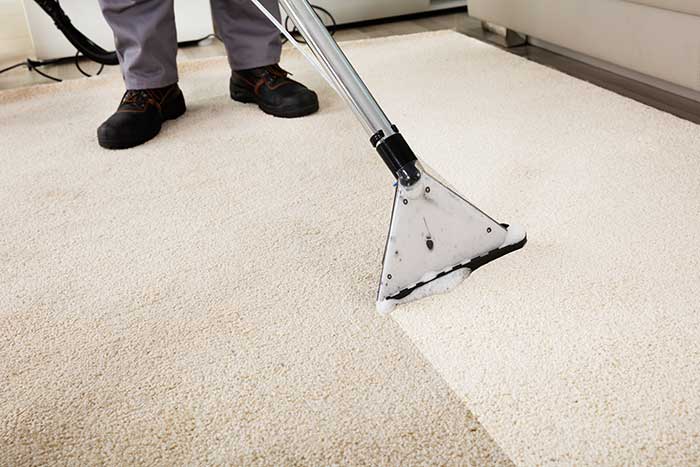
Routine vacuuming or suitable hard-floor cleaning deals with everyday use; periodic restorative work is a separate consideration. If carpet has established staining, a regular maintenance visit may not resolve it. Equally, a damaged surface or worn finish cannot simply be cleaned back into its original condition. We can discuss commercial carpet cleaning where appropriate and explain what needs to be assessed before a separate task is agreed. Access, drying time, furniture and the limitations of the material all matter.
For a Bloomsbury office with stairs, narrow routes or several rooms, the time needed to move equipment should also be considered. Safe access and sensible sequencing help prevent disruption to staff and visitors. Any wet cleaning should be planned with suitable precautions and clear arrangements for the areas affected. Tell us about your busiest movement periods so the floor-care programme can be discussed around the way the building operates.
Early starts, evening visits and secure access
The right cleaning time depends on access and occupation, not simply on a preference written into a proposal. An early visit may suit a workplace that opens later, while evening cleaning may work better where staff leave at a consistent time. Other organisations have changing schedules, late meetings or shared building restrictions. Before agreeing a timetable, check when the cleaning team can enter, which rooms will be available and who has authority to resolve an access problem. A realistic window helps the work proceed without avoidable interruptions.
Security procedures need to be practical as well as documented. Your organisation may require a sign-in process, an alarm sequence, a particular entrance or instructions for locking internal doors. These should be communicated through the agreed contact rather than passed informally between different staff members. If keys or access devices are involved, establish how they are issued, handled and returned. Cleaning arrangements should fit the building's requirements, with any changes confirmed through an appropriate management process.
Daytime cleaning is also worth discussing where out-of-hours access is difficult. It requires an agreed approach to occupied desks, meeting room bookings, noise and movement around colleagues. Some tasks may need to be scheduled during quieter periods or left until the space becomes available. We can explore the available options during the quotation process and identify the service pattern that is feasible for your particular office.
A considered handover when you change cleaning company
Changing a provider is easier when the incoming specification reflects the problems you want to solve. Start by identifying the issues that prompted the review. Are particular areas being missed, is communication inconsistent or has the office grown beyond the original scope? A clear explanation is more useful than a general request for a better clean. It allows the proposal to address the service you need now, rather than copying an arrangement that no longer matches the premises.
The handover should establish a start date, site contact, access instructions and an approved task list. It should also identify existing defects or areas needing an initial clean beyond routine maintenance. An inherited stain, damaged fixture or heavily soiled storage area should be recorded so expectations remain fair. If an initial deep clean is required, its scope and timing should be discussed separately. The regular contract can then begin from an agreed position, with a clearer basis for assessing ongoing performance.
Your own obligations under an existing contract may affect the transition, so check them before committing to a new start date. Where staffing or employment-related arrangements require specialist consideration, obtain appropriate advice rather than assuming they are covered by the quotation. From the cleaning perspective, a structured handover is about reducing uncertainty: everyone should know what will be cleaned, when the work begins and how day-to-day questions will be managed.
A quotation based on the work your office needs
Office cleaning prices depend on the scope, time and resources required. Floor area is useful information, but it does not describe the whole job. The number of washrooms, the amount of furniture, the condition of floors and the frequency of visits can all affect the proposal. Access restrictions, separate floors and additional specialist tasks may also make a difference. A quotation should therefore be based on an accurate understanding of the premises and the standard of service being requested.
When comparing proposals, check that the underlying specifications are comparable. One may include consumables, periodic tasks or additional attendance that another excludes. A lower total is not necessarily better value if important work has been omitted. Ask how additional requirements are approved, what happens when the office layout changes and which tasks need a separate quotation. Clear answers make it easier to budget and reduce the likelihood of unexpected disputes after the service has started.
We can discuss regular office cleaning alongside relevant commercial cleaning services in London and put forward a proposal for consideration. Share your address, approximate office size, preferred schedule and the areas needing attention. Photographs can help explain the layout, but a proper assessment may still be necessary. The goal is a specification and price that make sense together, with enough detail for your organisation to make an informed decision.
Quality reviews that lead to useful action
A quality review should refer to the cleaning specification and the conditions at the time of the visit. A room that could not be accessed needs a different response from a task that was missed in an available room. Likewise, a new maintenance problem should not be confused with ordinary cleaning. Recording the relevant area, the concern and when it was noticed helps the service contact understand what happened and arrange an appropriate response. Specific feedback is more useful than a general statement that the office looks different.
For offices with several departments, it helps to nominate a main contact who can bring comments together. This avoids conflicting instructions and makes it easier to identify recurring issues. The contact should have a clear way to communicate changes in room use, events or access arrangements. If a problem repeats, the review should consider whether the task list, timing or allocated resources need adjustment. Sometimes the correct response is a change to the routine rather than simply repeating the same instructions.
A cleaning programme should also be reviewed when the workplace changes. More staff, different attendance patterns or an additional meeting room can alter the workload significantly. Tell us when these changes are planned so the scope can be reconsidered. A documented update helps maintain realistic expectations and gives both parties a common reference for future service discussions.

Periodic tasks and a sustainable maintenance routine
Some work is most effective when planned outside the regular cleaning visit. Detailed attention to internal glass, upholstery, high ledges or accumulated floor soiling may require different equipment and additional time. The survey can help distinguish these tasks from everyday maintenance, but the final programme should reflect your priorities and the condition of the premises. A periodic schedule is useful because it brings less frequent work into view before it becomes a disruptive problem.
Planning also matters for staff availability and business continuity. A carpet clean may require furniture arrangements and drying time, while detailed work in a meeting area needs a suitable gap in bookings. Confirm who prepares the space, what access is available and when it can be used again. Where other contractors or building management are involved, coordinate the requirements before a date is fixed. Good preparation reduces the risk of a team arriving to find the agreed work cannot safely proceed.
Maintaining a sensible routine can also help avoid unnecessary use of products and repeated work. Appropriate methods, suitable dosing and attention to the manufacturer's instructions are practical considerations, rather than a reason to make unsupported environmental claims. If your organisation has purchasing policies or specific product requirements, raise them during the survey. We can discuss how those requirements relate to the proposed service and identify any limitations that need to be resolved before the programme begins.
Frequently asked questions about office cleaners in Bloomsbury
Can you clean a small office near Russell Square?
We can discuss the requirements of smaller offices as well as larger workplaces. The important details are the rooms included, how often they are used and the access available for cleaning. A compact office with a kitchen and private washroom can need a different routine from a similarly sized suite with shared facilities. Send your address, approximate size and preferred timetable so we can explain the next steps for assessing your premises.
Who cleans the shared stairs in a converted Bloomsbury building?
Responsibility depends on your lease and the building's management arrangements. Shared stairs may already be covered by a landlord's service, while the rooms inside your tenancy remain your responsibility. Check that division before requesting a quotation. If you are authorised to arrange cleaning for communal areas, identify them during the survey so their scope can be discussed explicitly. We do not assume that every shared area belongs within an individual office contract.
Can visits be arranged around changing staff attendance?
Tell us which days are busiest and whether that pattern changes regularly. A cleaning programme can then be discussed around actual use, including shared desks, meeting rooms and refreshment areas. Any flexibility needs to fit the agreed service arrangements rather than relying on last-minute assumptions. If attendance increases or additional rooms come into use, contact the service manager so the timing and task list can be reviewed and any change confirmed.
Will cleaners move papers or clean computer equipment?
Papers and specialist equipment should be handled only as agreed. General surface cleaning depends on safe access, and a desk covered with documents cannot be treated like a clear worktop. Explain your confidentiality requirements and any equipment restrictions before the service begins. If screens, keyboards or other devices need attention, the proposed method and scope must be discussed separately where necessary. Staff should know how to prepare their workstations before each visit.
Is an initial deep clean included in a regular contract?
It should not be assumed to be included unless the quotation says so. A new service may start in premises that need additional attention to accumulated soiling or neglected areas. The survey can identify that work and establish whether a separate initial clean is appropriate. Agree its scope, timing and cost before the regular routine starts. This provides a clearer starting point for later quality reviews and avoids confusing inherited conditions with ongoing performance.
Can you supply washroom products as well as clean the facilities?
We can discuss washroom requirements alongside the office cleaning brief. Supplying products, checking stock and replenishing dispensers are distinct activities, so the quotation needs to make their inclusion clear. Tell us which dispensers and products are already used, who orders stock and where it is stored. Availability and compatibility should be confirmed before an arrangement begins. A written allocation of responsibilities helps prevent shortages caused by each party expecting the other to order supplies.
How should we compare office cleaning quotes in Bloomsbury?
Compare the task lists, visit frequency, access assumptions and exclusions as well as the total price. Check whether products, equipment, consumables and periodic tasks are included or quoted separately. A proposal based on fewer tasks may appear cheaper while providing a different service. It is also useful to understand the process for changing the scope when staffing or room use changes. Ask for clarification wherever the description does not match what your office needs.
Do you also cover offices outside Bloomsbury?
Our London office cleaning page explains the wider service and provides a starting point for enquiries about other locations. Tell us the addresses involved and whether you need one specification or different arrangements for each office. Coverage, access and service requirements should be confirmed for the premises concerned. If you manage several workplaces, identifying a central contact and each local site contact can help make the quotation and ongoing communication more straightforward.
Arrange a Bloomsbury office cleaning assessment
Start with the information that will help us understand your workplace: its address, approximate floor area, number of users and preferred cleaning times. Include the areas you want covered and any concerns with the present arrangement. If responsibility for shared facilities is unclear, check with your building manager before the survey so the proposed scope can be discussed accurately.
Complete Clean Management can then discuss an appropriate next step and the details needed for a quotation. You can call the London team on 0203 092 2297 or send an enquiry using the quote button. Let us know about a planned move, contract review or preferred start date, together with any access restrictions that could affect the service.
A clear brief helps build a cleaning routine that supports the way your business works. From the first assessment to later service reviews, the focus is on an agreed specification, practical communication and the areas that matter to your team. For a wider overview, explore our office cleaners London page before requesting a proposal for your Bloomsbury premises.
Clients we service
Organisations featured across Complete Clean Management’s client portfolio.
















GOOGLE CUSTOMER REVIEWS
What our customers say on Google
Selected review excerpts from Complete Clean Management’s London Google listing.
★★★★★
“Really happy with the deep clean! The team were friendly, professional and did a fantastic job.”
★★★★★
“We engaged with Complete Clean Management and they came in and did an absolutely fantastic job.”
★★★★★
“We have recently started to use Complete Clean Management for various cleaning services to our domestic and commercial renovation projects.”
★★★★★
“The team is punctual, professional, and pays great attention to detail.”
★★★★★
“We’ve been using this office cleaning service for several months, and it’s been outstanding.”
★★★★★
“Complete Clean Management has transformed the cleanliness of our workspace.”
Selected excerpts, checked 6 November 2026. Leave a Google review ↗






