Complete Clean Management · South London
Office Cleaners Cheam
Professional office cleaning tailored to your premises, working hours and priorities.
Request a free quote Call 0203 092 2297

Office cleaning for Cheam premises with a busy front door
A visitor-facing office can be compact without being straightforward to clean. Consider a Cheam business that welcomes clients through a small waiting area, sees them in two private rooms and uses an upstairs office for administrative work. The waiting area has to be ready before the first appointment. Upstairs, desks may be used until closing. The private rooms have to be released by the people using them. An office cleaning specification is useful when it reflects these differences and gives the cleaner a workable order for the visit.
Take a walk through the premises at two different times before settling on the tasks. At opening, look for surfaces that will be seen by the first visitor, including the door pull, the edge of the counter and the floor immediately below the chairs. Later in the day, notice which surfaces are still available and which are occupied by equipment, coats or files. Make notes about what can reasonably be cleared by staff. Identify the surfaces that must be left alone. This gives you a starting point for discussing a visit that fits around the business.
Complete Clean Management can discuss the requirements of your workplace, including the areas in scope, practical access arrangements and the timing of visits. Our London office cleaning page gives an overview if you are planning for several addresses. For an individual Cheam site, an annotated floor plan or a few room descriptions can make a quote conversation more productive. Include staircases and shared rooms in that description even if you still need to find out who is responsible for them.
Decide who can release rooms for cleaning
An appointment diary does not always tell you when a room is free. A member of staff may spend another fifteen minutes there writing notes, preparing for the following day or talking to a colleague. If the room is routinely locked after use, the cleaner also needs to know who can open it and what to do when that person is away. Agree a realistic release time and identify a contact by role. Keep door codes and other sensitive details out of general work schedules.
Write down which rooms should be visited first and which can be left until later. If a meeting continues after the room was supposed to be released, decide whether to change the order, leave the room for the next agreed opportunity or ask the designated contact to make a decision. A small calendar change should not leave the cleaner guessing whether to interrupt a meeting or close the building with work outstanding. A clear exception procedure also makes missed work easier to distinguish from work deliberately deferred.
Some businesses need a different sequence on different days. A room may be available immediately on a Monday but needed for confidential appointments right up to closing on a Thursday. Describe the regular pattern separately from one-off requests. If a booking system already records room use, decide who communicates changes that affect the visit. For sites where visitor areas, staff offices and common parts have several sets of access rules, see the broader London commercial cleaning service before describing your own arrangements.

Follow the grit past the entrance mat
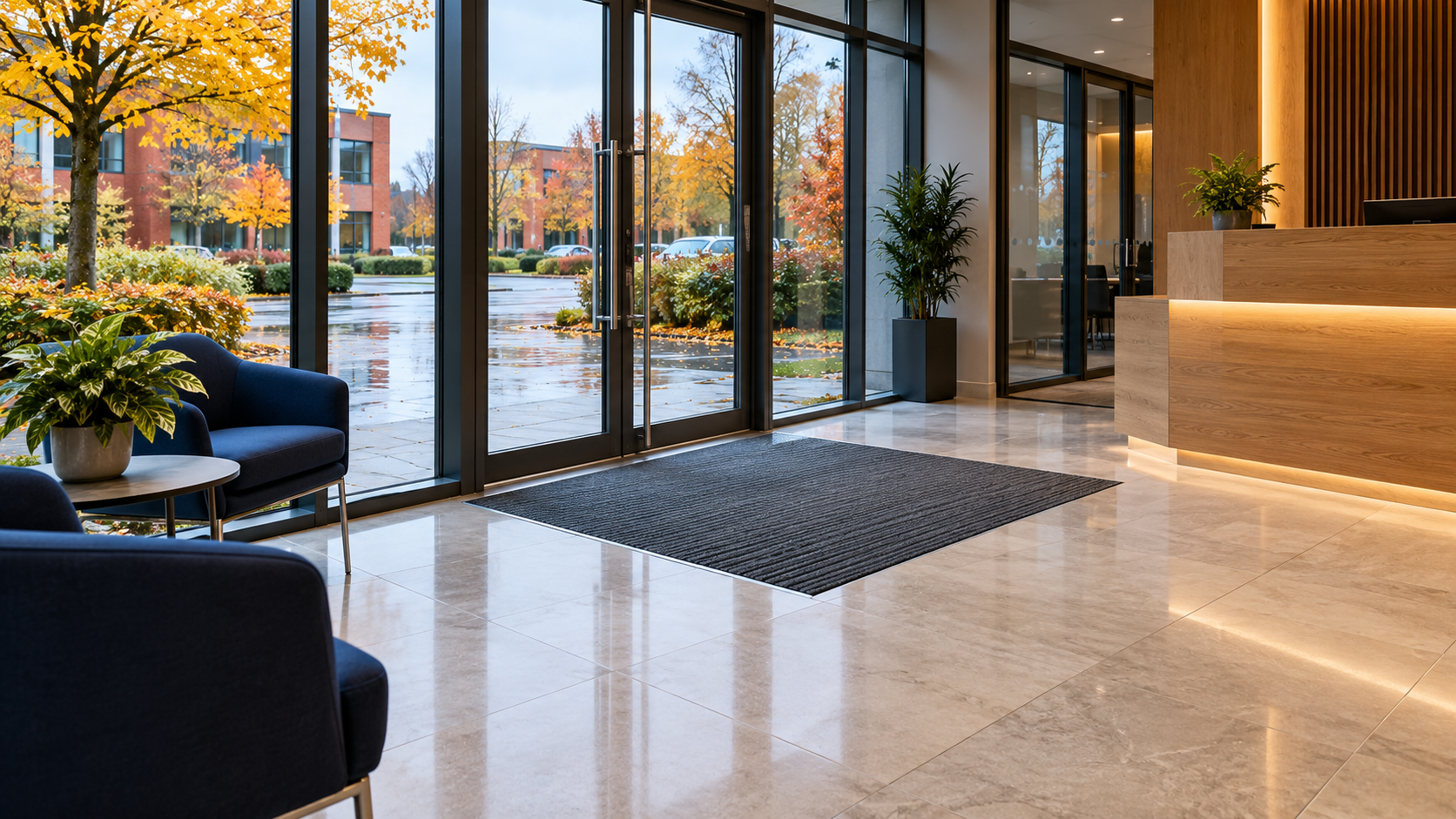
On a wet day, grit can move well beyond the mat before anyone notices a pattern. In a narrow reception, visitors might step onto the mat and then make an immediate turn toward the counter. Employees may use a different door and carry dirt along the back of the same room. Walk both routes and look under the front edge of the waiting chairs as well as along the centre of the floor. Explain where dirt accumulates and when staff normally see it, since a complaint made at noon may concern a problem that started at opening.
Separate what can be addressed by a routine visit from features of the entrance itself. A mat can be cleaned, but a curled edge or a mat that slides belongs on the facilities list. If the landlord supplies and replaces the mat, establish how staff can report an issue. Clarify whether the floor beneath it is in scope and whether the mat can be safely lifted. Ask how long the entrance can remain clear of traffic if work needs to be done on the floor at the start or end of the day.
A reception layout can also make repeated tasks harder than they need to be. Visitor chairs pushed against a low radiator may leave a narrow gap that is difficult to reach. A heavy bench should not be treated like a light movable chair. Identify items that can be shifted during routine work and explain how to put them back so that the route from door to desk is clear. Show which counter surfaces people touch and which parts have equipment or paper that should be left in place.
Map carpet wear before requesting periodic treatment
Walk the carpet in the direction a visitor enters and then in the direction staff approach from behind their desks. Lighting can make a worn route much more obvious from one angle. Note whether a patch follows chair wheels, appears beside a refreshment table or runs from the entrance. Tell the provider when you first noticed it and whether the appearance changes as the carpet dries. This makes a discussion about maintenance more productive than using the same description for a stain, crushed pile and a loose edge.
Record which areas are carpet tiles, fitted carpet or loose mats. If you have care instructions from the supplier, make them available. A small conference room may have a fitted carpet that continues under the table, while an adjacent corridor has replaceable tiles. Ask about the two areas separately if their condition or planned use differs. A lifting edge near the door may need attention from the premises manager even if the surrounding carpet is due for cleaning. Where there is an unresolved defect, show it before agreeing a scope.
For commercial carpet cleaning in London, discuss access to the room and the next booking as well as the areas to be treated. If heavy furniture cannot be moved, identify the places the team can reach and agree how the boundaries will be handled. Tell the provider if the affected room forms part of an escape route or if staff must pass through it to reach another floor. You can then consider how to stage the work and give people clear directions for the period concerned.
Give staff a workable desk-clearing routine
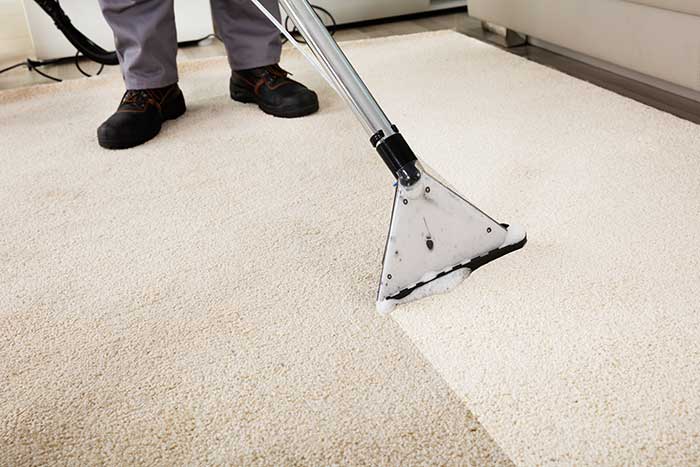
It takes only a few people working late to make a general desk-clearing rule difficult to follow. Someone may be halfway through reconciling invoices, while a colleague has left a set of proofs laid out in a specific order. Ask team leads which surfaces staff can reliably clear on each scheduled day. State where personal items and work papers should go when a surface is ready for attention. Keep the instructions short enough to use at the end of a busy shift.
Agree a default for items that stay put. A cleaner should not have to inspect a document to decide if it is confidential or work out which charging lead belongs to a particular device. List the equipment and objects that can be moved, those that can be cleaned around, and any surfaces that should be skipped if they are occupied. For shared desks, tell staff how to return booking accessories and whether cleaning computer equipment is assigned to users or included in a separate agreement. If there is a particular desk layout that needs to be restored, a simple diagram can help.
When the same desk is missed repeatedly, review the process with the person who uses it. A secure storage location might be unavailable or the agreed time may coincide with the busiest part of the week. A revised release day can be more useful than a reminder sent to every member of staff. If a room is used for a short project, put a review date on any temporary exclusion so it can return to the schedule once the project is complete.
Treat washroom stock, cleaning and repairs as separate jobs
A single complaint about a washroom can contain several different issues. Someone may have found the sink marked, the soap empty and the lock difficult to turn. Assigning all three to a routine clean makes it harder for anyone to see what actually needs to happen. Provide a straightforward way to report a cleaning task, request a refill or ask the person responsible for maintenance to inspect a fixture. Make sure reception knows where to direct feedback if visitors raise an issue.
Identify the supplies already used in the building and who is responsible for each stage of ordering and replenishing. Two similar dispensers can take different refills, particularly if a fitting was replaced after the rest of the room was installed. Record the fitting or product reference, the location of spare stock and the point at which an order should be placed. If a landlord manages a shared cupboard, establish who can open it and how the arrangement works outside staffed hours. Where appropriate, discuss additional requirements alongside the established washroom services information.
A small visitor washroom may need attention at a different time from the main staff facilities. Observe use around the busiest appointment block or busiest overlap of shifts. Ask whether the problem usually appears before a cleaning visit, soon after a sudden peak in demand or when stock is unavailable. That information lets you talk about the timing of checks and the size of the stock reserve with specific examples, instead of treating all facilities as if they had identical demand.
Plan around a kitchen that is busiest in short bursts
The most difficult time to clean a kitchenette can be the time it looks as though it needs the most work. Just after lunch, the sink may be full and the worktop occupied by open food containers. At closing, the same area may have become accessible but no one is certain which cups can be moved or where they belong. Agree when the room is expected to be clear and how people using it can leave the shared surfaces ready for the visit.
List the appliances and agree which cleaning tasks relate to them. Wiping a clear surface beside a coffee machine is different from removing its drip tray, emptying internal parts or running a maintenance cycle. Where the user or an equipment supplier already has responsibility, record that arrangement. A fridge can present a similar boundary between wiping the handle, cleaning an empty shelf by arrangement and deciding whether to remove food. Staff need a clear way to deal with their own items before an internal clean is planned.
Check the route from the kitchen to the waste store. If waste must pass through reception, agree a time when the route can be used without disturbing appointments. Describe which bags or bins are used and who can open the store. Establish what to do if a container is full or access is temporarily unavailable. These practical points can affect whether a recurring issue is resolved by a change to the cleaning visit or by a change to the waste arrangements.
Mark where the shared staircase ends and your office begins
An upstairs workspace may share a front door and one flight of stairs with several unrelated occupants. A cleaner can be asked to look after the tenant lobby while a building contractor is responsible for the steps up to it. Those assignments make sense on a floor plan but can be difficult to interpret from a short list of tasks. Ask the landlord or managing agent to confirm who is responsible for the bottom mat, each landing, the handrail and the space immediately outside the tenant door. Add the agreed boundary to the brief.
The location of a staircase also affects how work is carried out. If it is the only route between a visitor room and the street, a plan that relies on closing the entire staircase may be impractical. Share the busiest arrival and departure times and discuss what needs to be agreed to keep routes usable. A second route should only be included if the people responsible for access have confirmed that it can be used for that purpose. For offices with access through a service door, distinguish the equipment route from the route used by employees and guests.
Where more than one tenant reports issues, set up a simple way to direct the report. An office manager may be the right contact for a spill beyond the suite door, while a damaged stair edge may need to go to the property manager. Add a short location description so a photo or message can be understood by someone who is unfamiliar with the layout. Making the division clear also helps you avoid commissioning the same recurring task twice.
Prepare a handover based on the building as it is today
A previous cleaning checklist can be a good place to start, but room names and uses often change. Walk through the old list and note where a former filing room now holds meeting furniture or a desk area has been subdivided. Check whether any room is currently out of use and whether part of the old scope was only intended to deal with a temporary issue. A handover gives the people making decisions a chance to confirm which tasks should carry forward and which need to be changed.
Include the informal details that have accumulated around the building. A cupboard latch may need to be pulled closed before the door locks, a light may switch off automatically while a room is empty, or an office may have furniture that must stay clear of a particular door. Share these points with the designated contact during the walk-through. Write down what should be checked at the end of a visit and who to contact if a door cannot be secured as expected. When a site is shared, explain which contact can answer questions about spaces outside the suite.
If the team manages a Cheam workplace and another location such as Carshalton, you can use one handover format while keeping the site information separate. Label documents by address and date. Give each site a named point of contact and a place to record exceptions. A standard format helps people find comparable information, while the separate records keep specific instructions such as storage, equipment access and room availability with the relevant premises.
Check the result at the time people actually notice it
The condition at the end of a visit is one measure of how a cleaning schedule is working. The condition when people first use the room is another. Look at reception before a run of appointments, the staff kitchenette after the last lunch break and the meeting rooms before their first booking. If a problem only occurs after a room has been in use, it may be useful to review how it is handed back or whether a later check is appropriate. The cause is easier to identify if observations are tied to a particular place and time.
Give feedback in terms that someone can test. For example, identify the chairs by the front window and describe the marks under them, then say whether they were visible before anyone sat down. If a photograph helps, frame the relevant surface so that it does not show clients, computer screens or private papers. Ask whether the area was available during the visit and compare the observation with the task that was agreed. Record any follow-up and revisit the spot at a comparable time.
Choose a short list of priorities for the first review rather than walking every room with a scorecard. For a visitor-facing business, you might look at the entrance, the washroom used by clients and one room that is difficult to release. An administrative office may be more interested in a shared tea point, the state of carpet around rolling chairs and whether agreed desk surfaces were accessible. Compare the result with the conditions you described in the quote request so the discussion stays connected to the problems the service was asked to address.
Compare quotes using the same room and task list
When requesting an office cleaning quote in Cheam, include the floor or suite number and the rooms the service should cover. Estimate how many people use the workplace and say whether visitors have access to any of the same rooms. Note the usual operating hours, the earliest time the site can be released and when it next needs to be ready. If an address has a main entrance and a separate route for bringing equipment in, give enough information for each route to be understood.
Send the same base description when you ask for different options. If you want to compare schedules, identify the work that must happen each time and the work that can be discussed at another frequency. If you want to consider a more detailed carpet clean or an initial visit to address a backlog, ask how it would be described separately. A single figure is hard to compare when proposals are based on different assumptions about the washrooms, shared stair or the number of days a meeting room can be accessed.
Before agreeing the scope, check that dependencies are recorded. A task may assume the client clears a table, the building manager grants access, or the office has suitable space for agreed supplies. Decide what to do if an assumption proves wrong and who can approve a revised instruction. For additional context, share the office cleaning guide for London with colleagues involved in the decision. For the site discussion itself, a room list and a short set of priorities will make the next conversation more concrete.
If you can, make a note of the difference between the space shown on a plan and the part that will actually be available. An unused store could be full of furniture awaiting collection. A desk room may contain sealed boxes for an upcoming move. Explain whether those areas will change before the proposed start date. If only one floor will be occupied during a phased move, ask how the specification can be adjusted when the other rooms come into use.

Frequently asked questions about office cleaners in Cheam
Can you discuss cleaning for an office above a shop in Cheam?
Yes. Tell us which door leads to the office, who controls the common stair and whether there is somewhere to set down equipment. Identify any shared parts that are already covered by another arrangement.
How should we describe shared parking at a North Cheam office?
Explain which entrance can be reached from the parking area and whether access is controlled by the landlord. If the loading point and parking space are separate, describe the route between them and any limits that affect the time of a visit.
What if our last Cheam appointment often overruns?
Share the approximate time the room is normally released and say who can confirm it is ready. Discuss whether other rooms can be cleaned first and agree a procedure for the occasions when the room stays occupied.
Does the routine visit cover every desk surface?
Discuss that in the quote. Identify the surfaces staff can clear, any objects that can be moved and any papers or devices that should be left as they are. Agree how the instruction applies to shared workstations.
Can we request carpet work in only the busiest room?
Identify the room, what the carpet is made of if you know, and when the next booking takes place. If furniture is fixed or there is a carpet defect, include that information when discussing the areas that can be treated.
Who manages washroom refills if we share the building?
Ask the building manager which items are included in the existing arrangement. When outlining your own scope, describe where spare stock is held, who can get to it and who should be told when supplies are running low.
Can our Cheam and Carshalton offices use the same brief?
They can use the same structure. Keep the schedule, access details and room list specific to each address so instructions cannot be confused when you compare work or report a problem.
What should we show during the first walk-through?
Show the most frequently used areas, difficult-to-reach surfaces and any rooms that are only available at certain times. If a specific issue prompted the enquiry, show where and when it occurs, and explain whether anyone else is responsible for part of the space.
Request a quote for your Cheam office
Tell Complete Clean Management where the site is, what people use the space for and which parts you would like included. If access arrangements or landlord responsibilities still need to be confirmed, mention them when you enquire so they can be discussed alongside the work.
For further coverage information, see our London office cleaning service.
Clients we service
Organisations featured across Complete Clean Management’s client portfolio.
















GOOGLE CUSTOMER REVIEWS
What our customers say on Google
Selected review excerpts from Complete Clean Management’s London Google listing.
★★★★★
“Really happy with the deep clean! The team were friendly, professional and did a fantastic job.”
★★★★★
“We engaged with Complete Clean Management and they came in and did an absolutely fantastic job.”
★★★★★
“We have recently started to use Complete Clean Management for various cleaning services to our domestic and commercial renovation projects.”
★★★★★
“The team is punctual, professional, and pays great attention to detail.”
★★★★★
“We’ve been using this office cleaning service for several months, and it’s been outstanding.”
★★★★★
“Complete Clean Management has transformed the cleanliness of our workspace.”
Selected excerpts, checked 6 November 2026. Leave a Google review ↗