
Complete Clean Management · South East London
Office Cleaners Crystal Palace
Professional office cleaning tailored to your premises, working hours and priorities.
Request a free quote Call 0203 092 2297
A cleaning specification that starts at the right Crystal Palace door
Give an office cleaner a pin for the property and a description of the doorway. In Crystal Palace those two things can tell different stories. A business might advertise a street-facing address in the Triangle, while the office itself is reached from a passage or by a stair beside a shop. A venue-facing office nearer the park could use a service entrance in the opposite direction to the visitor entrance. An instruction such as “meet at Crystal Palace” leaves too much open. Identify the building number, floor, actual door and the person who can explain the site before the first visit.
The Crystal Palace Park Trust’s travel information identifies approaches from Crystal Palace, Penge West and the surrounding neighbourhoods. For an office walk-through, use those public landmarks to orient someone and then provide separate premises instructions. Include who controls the route after business hours, where a key holder can meet and whether the visitor route involves steps. A site manager can also show where a trolley or carpet machine can be moved without passing through a public reception during its busiest period.
Complete Clean Management can discuss the office rooms and related cleaning you want priced for your Crystal Palace address. Put the hardest part of the brief first. It could be access before the first appointment, a kitchenette with limited storage, or a stair where a retail tenant and an office tenant each assume the other is responsible. If you look after other offices, use the London office cleaning guide to compare the overall scope and give each building its own operating notes.
Plan the climb, the landings and the equipment route
The hill is part of the approach to many Crystal Palace properties. From the pavement, go through the building as if carrying a small vacuum and supplies. Count the door turns, note the deepest steps and check whether the landing can be reached without leaving equipment in an escape route. An upstairs office may have no useful lift. A building with a lift may have a separate landing reached by steps, or the lift may be unavailable after the public doors close. Measure where a larger machine needs to turn if you are planning periodic floor work. These constraints affect the visits you can sensibly combine.
Use the plan to choose a safe place for equipment between tasks. A slim cupboard that only opens part way because of a handrail is different from a store with clear access and suitable conditions. If staff and a cleaner share a store, arrange where the agreed items go. Identify the tap and sockets that can be used and who provides permission. Keep the path clear of deliveries and chairs, especially in a building with a tight turn at the first landing. If there is no permanent store, discuss what would come in for each visit and the implications for the schedule.
There can be a real difference between the approach to an upstairs suite in the Triangle and a unit lower down towards Anerley. Use one floor checklist if you manage both, but write two access plans. A short handover photo of an empty stair and its door labels can help a cover cleaner understand a written description. Keep keys, alarm details and personal information out of photos and general instructions.

Distinguish office use from street-facing activity
In a mixed-use building around Westow Street or Westow Hill, the staff who use the office may work to a different timetable from those running the public rooms below. Make a list of office spaces before deciding which building areas you want included. The back office, staff kitchen and an upstairs client room can each have a different closing time. The frontage may have a separate contract, even if office visitors walk across it. Work from the tenant and landlord responsibilities and agree who answers a query about the entrance if neither cleaner is expected to deal with it.
On the office side, list the jobs that set up the following morning. A professional practice may need a small meeting table ready before a first appointment. A team that briefs on site before travelling elsewhere may need the staff area and exit checked first. When a front-of-house employee can do a quick check between bookings, agree what that check covers so it fits with the scheduled clean. A useful specification sets out the room condition expected at the next opening. It also makes it possible to see which task was delayed by someone still using a space.
Any wider areas that come into the brief should have a named schedule. For example, a training room hired for a session could be offered as an occasional reset with a clear end time and a particular bin route. A regular office kitchen needs its own instructions for dishes, surfaces and food storage. If you want several types of workspace discussed together, use our commercial cleaning in London page to describe the additional work separately. A clear scope makes the parts easier to compare.
Deal with wet steps before treating the carpet upstairs
A clean carpet can collect new marks on its first busy day if the landing and mat are missed. Look at a Crystal Palace stair after wet weather. Start at the outside door, then look for the first place people turn or pause to open another door. There may be a narrow strip of smooth flooring between the mat and stair, followed by a runner or carpet tiles on the upper landing. Take note of where grit sits and whether the mat lies flat. A fixed mat well and a loose entry mat need different care. Confirm whose responsibility it is to repair a damaged edging or replace an insert that has worn low.
Consider when floor work takes place as well as where. A surface that has been washed needs a plan for other users while it dries. A stair can be the only route to the first floor. Discuss whether work can be done when nobody needs to use it and how the responsible person will know the route is ready again. Ask the property manager about floor finishes and any restrictions on treatment. An older surface, a painted tread and a newly installed resilient covering cannot be treated as a single material because they share a landing.
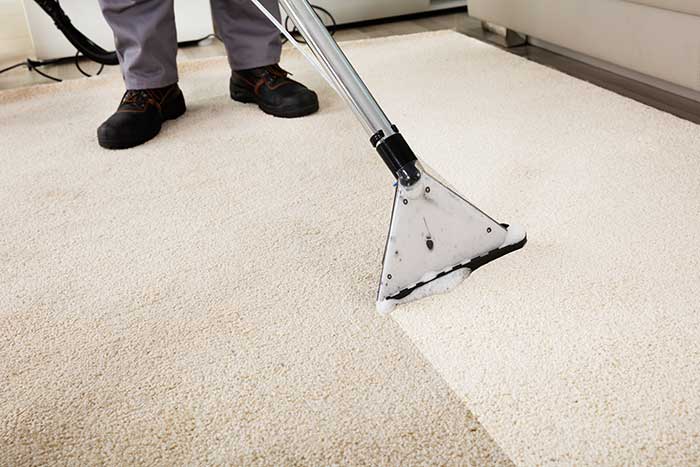
For commercial carpet cleaning, give the carpet type if known, the condition, the loading route and the time the room can remain clear. Ask for the treatment to be priced as a separate item when it goes beyond the regular vacuuming and spot checks. A plan for chairs and equipment makes the job easier to define. If marks sit along the edge of a mat or just below the last stair, discuss changing the upstream routine as well as assessing the carpet. Otherwise the same traffic can deposit grit back in the same place.

Choose a working week that accounts for the park
Offices with a connection to venues or events may find their busy day falls outside the usual Monday-to-Friday pattern. If the workroom is in or close to Crystal Palace Park, record the dates that change how it is used. A back office might be occupied late during event setup, cleared for a briefing the next morning and quiet after a weekend. Name which rooms are affected on each day and who controls the doors. The Bromley Council park information gives public approaches. The venue manager can confirm the working entrance and any separate contractor arrangements for your premises.
Identify what would happen in an ordinary week without a booking. Keep regular tasks for desks, washrooms and tea points distinct from the occasional reset you need after a particular event. An area that is opened once a month may require a condition check before use as well as a scheduled clean afterwards. List the items the event team takes away, the surfaces available after they leave and the person who confirms the room is ready to hand over. This gives both teams a way to plan if a departure slips or an extra meeting is added.
A simple calendar flag can avoid a complicated new rota. Give the facilities contact a deadline for telling the cleaning team about changes. If a contractor entrance closes early or a room stays occupied beyond its expected slot, identify a second permitted route or a priority order for available rooms. Keep a record of tasks deferred because a room was still in use. That record is much more informative than a tick against a whole floor when one room was locked or reserved.
Specify fixture care and supplies in compact staff rooms
A converted office can have a single washroom on a landing, a hand basin off a narrow corridor and a kitchenette placed in what used to be a storage room. Give each of these spaces its own instructions. The kitchen sink might share its surround with a kettle and microwave, so the amount of accessible worktop changes throughout the day. Agree who clears food and washing up to allow the agreed surfaces to be cleaned. Record whether the plan includes the outside of appliances and who arranges work inside them if required. Ask staff where spills usually collect so those points are visible in the brief.
Write the washroom tasks by fixture and contact point, including the small fittings people often forget. A light pull, latch and accessible grab rail need suitable attention alongside basin and toilet. Soap and towel checks only work when the refills match the dispensers and can be reached. Decide who orders stock, how low levels are recorded and whether access to a locked dispenser is part of the brief. If a tenant has authority to use a shared washroom but the landlord specifies the cleaning, ask the landlord how repairs and stock problems should be reported. Discuss supply or disposal requirements through washroom services as separate scope where appropriate.
A cupboard shared by several floors can serve multiple rooms if the stock is arranged for that purpose. Label which items go with which fixture, leave space to check quantities, and choose a clear process for reporting leaks or a broken fitting. A tidy stock list also helps the office see whether a problem is the wrong refill arriving, a damaged housing or a change in the number of people using the building.
Identify the council and the collector by address
The Crystal Palace name is used across neighbourhoods on several sides of the park and the Triangle. Check the authority for the actual premises before giving a cleaner or facilities contact a waste reference. If your site is in Bromley, the council’s trade waste and carrier information is one starting point. Your collector or managing agent can confirm which streams are served, how they are presented and who handles each stage. An office at the top of a stair and one with direct yard access may have similar containers indoors, but different instructions once waste leaves the rooms.
Walk the route with the person who handles the bins. Identify where recycling, general rubbish and any food waste are deposited and who opens the storage area. If sacks have to be passed through a shared corridor, schedule the task so the route remains clear and check whether a trolley is appropriate. Separate the indoor emptying job from collection presentation, especially where staff move bags to a designated point later. A site where two tenants use different collectors needs clear signs at the deposit point as well as labels on indoor bins.
Keep confidential paper, equipment and other separate materials on their own agreed routes. If staff frequently place the wrong items in the kitchen bin, check whether the correct container is close by and the signs match the collection arrangement. A cleaning checklist can include reporting repeated contamination, full bins or a latch that prevents access. The facilities lead can then decide whether to adjust the internal layout, ask for a repair or speak to the collector. That is more useful than adding another emptying instruction when the bin cannot be reached.
Look after older fittings and new finishes with different methods
An office with recently fitted desks may still have original doors, polished timber or decorative glass in the common route. During the walk-through, ask the property contact which surfaces need a particular method and how they are identified. Check whether window film, paint, metalwork or a decorative finish has its own care instructions. Keep the product or manufacturer information accessible to those who need it. A new meeting room can also have specialist finishes, such as a writable wall or an acoustic panel, that should be described separately from an ordinary wall or shelf.
Record the condition of high-wear surfaces before the routine starts. Look for loose edging, tarnish and existing scratches around a handle. Make the recording useful by noting which side of the door or fitting is affected. If you use an image, show the surface without a visitor record or a name board. A mark that stays visible after suitable cleaning may need the building owner’s decision. Treating it again without identifying its cause can waste time and risk affecting the finish. Agree how to escalate an unknown surface or a suspected fault.
Extend the same rule to furniture. Fabric chair arms, leather seating, mesh backs and painted legs may all need different instructions in a single meeting room. Ask what is included in the ordinary room reset and what needs separate assessment. Be explicit about whether items may be moved to reach the floor. If there is a display cabinet or a sample rack, document whether work covers the accessible outside only and who handles its contents. These details keep a visual quality check focused on the surfaces the cleaner is actually authorised to handle.
Assign meeting room checks by the condition people need
A Crystal Palace office used by a small team may still host clients, auditions, interviews or training. Identify what the room needs to be ready for next. A training setup may use rows of chairs and a drinks table, while a private appointment may use only a few seats and one shared surface. Decide who restores the furniture plan, clears leftover materials and checks that the room is free. For a session that runs over, give the facilities contact a way to mark the room occupied and to arrange any deferred work.
Make the cleaning checks concrete. The table edge, armrests that are suitable for wiping, waste container and floor around seats may matter more between sessions than the area behind a heavy cabinet. Put the latter on a periodic list where access can be arranged. A stage used for presentations or a screen with specialist controls should have its own boundary. Leave cables, devices and documents to the responsible person unless a specific task and method have been agreed. If the room doubles as someone’s workspace, ask how they indicate what can be left as it is.
For a property with spaces in both Crystal Palace and Sydenham, compare the ready-to-use condition you expect while keeping a separate room diagram. A cleaner in each building can read the same definitions for a spill report or a closed room. The hours and priorities will follow the actual bookings, entrance and staffing at that address. Record which person signs off an unusual reset, especially after someone else has hired the room or returned keys.
Use a measured trial schedule before changing frequencies
The right interval for an office clean is easier to judge when you know what builds up between visits. Check the entrance, kitchen and washrooms at a similar time on several typical days. Note what the office manager can see immediately, and what becomes apparent only when an area is empty. In a Crystal Palace property with two entrance levels, the route used by staff on wet days may produce most of the floor work even though the client doorway looks clean. Compare the two entrances before allocating time to each one.
Review the quieter jobs as well. An unused meeting room might need an occasional ledge and floor check even when nobody has left waste. Dust on a high shelf and crumbs at a kitchen table need different intervals. If you agree a trial or review period, choose dates that cover an ordinary week and a predictable busy day. A seasonal event or an unusually quiet period can skew what you observe. Give staff a place to record relevant evidence, such as “rear mat saturated after Tuesday deliveries”, rather than general ratings about the whole building.
Use that record to decide what changes. If an office bin is always full before a visit, check both its size and how it is used. If a stair is always gritty after a morning shift, find out whether that route has a working mat and who controls the door. If a condition is mainly linked to one day, a focused visit may fit better than adding time to every day. Keep the revised schedule in the same place as the scope so the quote, cleaning plan and inspection record all reflect the decision.
Keep a simple operating record for key holders and cover
A useful record for a Crystal Palace office should be short enough to be used on a dark evening and detailed enough to handle a change of personnel. Start with the exact entry door, where to report and who can resolve a delay. List who takes responsibility for the final exit and how the cleaner can confirm it. If an alarm area covers a room that remains occupied, write down who coordinates the sequence. Store security information separately with access limited to authorised people. Keep the general site checklist safe to share without including codes or sensitive contacts.
Record ordinary exceptions in the same way each time. An unavailable meeting room, a broken fitting and a low supply should have different descriptions and different next actions. Give the person opening the office the information they need to act on it without exposing visitor or staff details. A small repair can be easy to miss when written under a list of completed rooms. A dedicated maintenance note avoids making that mistake and helps show whether an issue is getting worse.
Decide how to inspect work when the office runs to a different schedule from the cleaner. Start with two or three agreed points, such as the upper stair turn, the kitchen splashback or the front meeting table. Choose a regular time to look, before the next period of heavy use. If a problem appears after a busy shift, record when it was observed as well as where. That helps distinguish a recurring requirement from activity that took place after the visit.
What to include when requesting a Crystal Palace office cleaning quote
Send the site address, number of floors and a short description of the rooms you want to include. Explain the public-facing and service approaches if the property has both. Mention any period when a booking, a shop below or a venue’s access plan changes which rooms can be reached. State which areas the landlord already covers. If you are comparing separate cleaning proposals for an entrance, a suite and an occasional venue reset, identify the boundaries so each proposal can be priced against the same facts.
Include the building features that can take time to check during a first visit. Floor finishes, mat wells, equipment restrictions, stairs and a shared bin store are useful examples. Tell us about any one-off jobs you want assessed separately from the normal routine, along with the date and when the rooms will be clear. Ask about the practical differences in the quote, including visit frequency, access assumptions, stock responsibilities and the procedure for adding a room later. These are the details that make a specification workable when someone else takes over the keys.
Use the quote form or call to outline the issue you most want addressed. It might be readiness before the first appointment, recurring dirt on the upstairs landing or too many tasks falling to the team between hires. If another branch has a different use pattern, give that branch its own notes. A discussion can then start with what matters to the Crystal Palace premises and build a plan from the access, timings and surfaces you can verify.

Questions about arranging office cleaning in Crystal Palace
What should I give you for an office above a Triangle shop?
Send the number, floor and exact door for the office, including whether the shop and office share the same entrance. Describe the stair, who can open the building at the proposed time and where agreed equipment can be set down safely. Identify any frontage or lobby that belongs to a different specification. Our commercial cleaning guide can help if office and other commercial areas need separate lines in the quote.
Can a quote account for venue bookings by Crystal Palace Park?
Provide a typical working week plus the booking pattern that changes it. Identify who clears the room, when access begins and whether the proposed work covers the office or also a separate event space. The Park Trust travel guide helps with orientation. Obtain the service-door instructions from your own venue contact and agree how a late departure affects any planned reset.
How can we stop wet footprints reaching the top landing?
Check which door users take when it rains. Inspect the first mat, floor transition and stair turn for a gap where grit can escape the entrance area. Establish who checks the mat and who can approve work on the shared stair. If the carpet already has marking, describe the material and location for a separate carpet cleaning assessment and agree when it can dry without blocking access.
Who looks after the shared washroom in a converted SE19 property?
Ask the landlord who is responsible for cleaning, consumables and repairs. The answer can differ for each task. Give any tenant contractor a list of the fixtures and supplies they are allowed to handle. If the office buys its own refills, note the fitting model, who keeps the key and who receives stock reports. Discuss anything outside routine fixture cleaning through the washroom services page.
What if our Crystal Palace address uses a different council to the park?
Use the full office address to identify the relevant authority and check the collection agreement for that building. Tell the cleaner where each waste stream goes indoors and who presents it for collection. Keep that detail separate from public park information or a neighbouring tenant’s system. If your address falls within Bromley, consult the council’s business waste information as a starting point.
Can we keep delicate fittings or display pieces out of the clean?
Describe each item and the boundary around it on the room checklist. For instance, an agreed job may cover a clear ledge and the outside of a cabinet, while the tenant looks after the objects inside. Give the responsible person’s instructions for unusual surface finishes. If a mark or a loose fitting is discovered, agree how to report it before someone attempts to change or treat it.
How do we plan evening work when two tenants hold separate keys?
Name who can approve entry, which rooms can be entered with each key and who confirms the final close. Agree what to do if one tenant works late and the other closes early. Keep credentials in the separate authorised handover, and write the room and exit order on the general checklist. A written exception process helps the next key holder handle a locked room consistently.
Can we discuss an Anerley office and a Crystal Palace suite at the same time?
Bring both room lists and identify the tasks you want to compare, such as floor checks, washroom supplies or meeting room readiness. The approaches, key arrangements and common-area boundaries should be listed separately. Use the Anerley office guide for that premises and the London office cleaning hub when planning a brief for additional sites.
Talk through your Crystal Palace office cleaning brief
Describe your workrooms, access and the tasks you would like priced. For other sites, start with the London office cleaning guide.
Clients we service
Organisations featured across Complete Clean Management’s client portfolio.
















GOOGLE CUSTOMER REVIEWS
What our customers say on Google
Selected review excerpts from Complete Clean Management’s London Google listing.
★★★★★
“Really happy with the deep clean! The team were friendly, professional and did a fantastic job.”
★★★★★
“We engaged with Complete Clean Management and they came in and did an absolutely fantastic job.”
★★★★★
“We have recently started to use Complete Clean Management for various cleaning services to our domestic and commercial renovation projects.”
★★★★★
“The team is punctual, professional, and pays great attention to detail.”
★★★★★
“We’ve been using this office cleaning service for several months, and it’s been outstanding.”
★★★★★
“Complete Clean Management has transformed the cleanliness of our workspace.”
Selected excerpts, checked 6 November 2026. Leave a Google review ↗






