
Complete Clean Management · West London
Office Cleaners East Acton
Professional office cleaning tailored to your premises, working hours and priorities.
Request a free quote Call 0203 092 2297
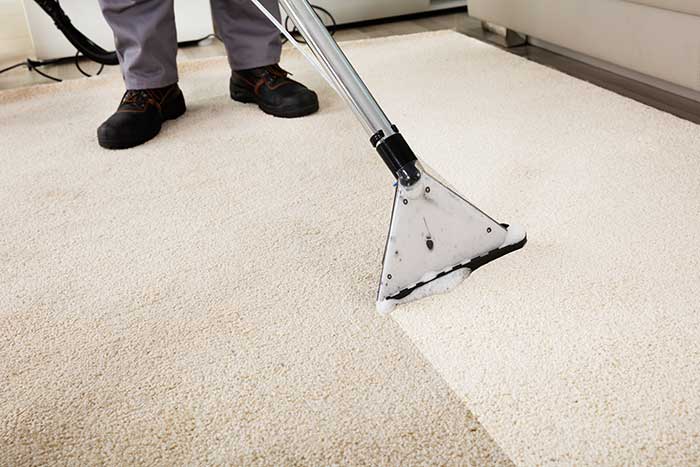

Scope office cleaning across a mixed East Acton workspace
The room someone calls the office can cover several activities. Near Old Oak Common Lane or Western Avenue in East Acton, a business might use one part of a unit for customer enquiries, another for desks and a third for making or storing things. Start with the exact address and the rooms you want Complete Clean Management to assess. Say which entrance is available to the cleaner and what happens in each area. The work at a quiet desk is different from work at a front counter, even if those two places share a floor and a bin.
Choose a normal day and follow the people who use the premises. Which door does the first member of staff open? Where do clients stop? Which route takes deliveries past the office? When is the work area clear enough for someone to clean? Explain the answers to the person preparing your quote. If the business has just moved into the unit or is changing how it uses part of it, show the planned layout as well as what is there now. A room list is much more useful when it describes how the space operates.
Use our office cleaners London page for the wider service. Here the focus is on how an East Acton business can separate office and other work areas, prepare them for a visit and maintain a schedule that still works when the premises changes. Start with the result you need and identify the conditions that make it possible.
Make the working boundary easy to recognise
In a small mixed-use unit, a line on a floor plan may be less obvious than a change from carpet to a harder floor, a partition or a door. Walk the site and mark where the office cleaning scope ends. Say whether the cleaner can enter the adjoining area to reach a sink or waste store, and who grants that permission. The routes can be different during opening and after the last staff member leaves. If the route passes through a workshop or storage area, explain the site rules and what must be kept clear. Any further work there should be assessed separately.
List the spaces staff share with the rest of the business. There may be a kitchenette used by everyone or a toilet reached through a common corridor. Decide whether the office team, the building owner or another occupier controls each space. Ask what service is already arranged before putting it into your quote. The fact that an office uses the space does not establish who can book work there. If another party has responsibility, give them the location and what needs to be discussed. Keep a clear record of the tasks within the office scope.
For work beyond the office, consult the commercial cleaning London page. Describe the other rooms and what activity takes place before or during the proposed visit. Tell us which equipment, materials and surfaces staff are responsible for. Separating the areas in the quote makes it easier to see what is included and who will prepare the space, particularly when one part of the unit needs to stay open.

Decide how a visitor sees the front of the unit
Take the route from the street door to the place where a visitor speaks to someone. A desk at the edge of a workspace may act as reception even when the office has no separate waiting room. Look for the points people touch or where they put things down. That could be a handle, a small shelf, a chair or a counter. Decide which of those areas you want ready by opening and which are in use for most of the working day. A short list can be easier to maintain than a broad instruction to clean all public areas.
Explain whether the person at the counter can clear work materials before the visit. A business may handle samples, devices or papers while visitors are there. Staff should set aside anything the cleaner is not authorised to move. Show which surfaces become accessible after that preparation, and what to do if the counter remains occupied. If the room has loose chairs, agree who can move them and where they go during floor work. The approach to the office should remain available to staff and clients when the schedule calls for it.
Review the front of the unit at the agreed time. When you check it after a busy afternoon, note that people have used it since the visit. A mark that appears near a waiting chair every day may need a change to the task list, the visit window or the way the room is set up. Compare conditions at the same time and identify what you can see. That helps the cleaner and the site contact discuss a specific adjustment rather than guessing what the office wanted changed.
Plan dust checks around work taking place elsewhere
A business near the Old Oak Common Lane parade or Western Avenue may have rooms next to an operation with different materials and traffic. If dust reaches the office from another space, tell us where it becomes visible and what is happening nearby. An accessible shelf can be part of normal office cleaning. Material produced by works or an unidentified substance may require the site contact to assess it before anyone handles it. Describe what you know about the cause and the surfaces affected. Keep any specialist requirement separate from the routine brief.
Look at the direction people move after leaving the adjoining area. An internal mat, a narrow passage and the first desk can all show different signs of soil. Give the provider a chance to see both sides of the boundary if access is allowed. Show what staff already do to manage material leaving the work area, and explain if equipment or supplies regularly sit in the route. If the office is only affected on certain days, share that pattern. It can help determine when regular work would be most useful and what should be discussed separately.
When a condition changes, give the provider a specific update. If a partition has been installed or a nearby room is being painted, identify when the affected office can be entered. Tell the site contact which parts of the routine need to continue and what should wait. A room can remain in use while a neighbouring area is being refitted, but that does not give permission to work in the other area. Keep the expected access and duties clear for both staff and contractors.

Prepare work surfaces without moving samples or client items
An East Acton office used by a small studio, service firm or local supplier can have desks that do more than hold a computer. A large surface might be used to review plans and samples during the day and still hold items after staff leave. Agree how people will put away the pieces they want protected. Show the cleaner which exposed surfaces and contact points can be reached and which parts stay in use. Give care instructions where a surface has a special finish. Avoid an instruction that asks the cleaner to decide whether a sample, tool or document belongs to someone else.
Shared stations may need a different brief from the main workbench. If people swap desks or use one place to print and label items, decide what they clear after finishing. A regular clean may include the floor around a stand and the parts of a table staff have cleared. Cables, a printer and its consumables can stay under separate instructions. Show where ordinary paper waste goes and what the business handles through its own process. Give the provider a way to note an area it could not access without referring to the person working there.
The office can address an obstruction by changing storage or timing. If a case sits under a desk for most of the week, moving it to a safe agreed position could make the area available at each visit. If a surface cannot be cleared on days when work is under way, a periodic slot may be more practical. Use the first review to check whether the preparation routine makes the areas reachable rather than assuming the problem will resolve itself.
Agree how a shared washroom stays stocked during the working day
A washroom inside an East Acton unit may serve staff and visitors. One outside it may also serve neighbouring businesses. Identify which rooms you want assessed and what is already covered. Ask who can approve the work, when the room can be used by the cleaner and whether anyone needs it to remain available. A schedule can name the accessible fittings, doors, floor and other surfaces in each room. If a room is used by a different group later in the day, explain when its busiest period starts.
A refill task depends on the right stock and a place the cleaner can reach it. Tell us what the dispenser takes, who buys the product and where spare supplies are kept. Confirm who can act if the cupboard is empty before the next visit. A room can be clean and still need more paper, so report the two issues separately. Also tell the cleaner who receives reports about a dripping tap, a loose fitting or a lock that fails. That lets the site deal with a repair through its own contact while the cleaning routine continues where possible.
For needs beyond everyday fixture cleaning, consult washroom services. Mention any existing arrangements for disposal, replenishment or dispensers. If another occupier looks after part of the provision, ask them to confirm the boundary before the new quote is agreed. A clear scope helps staff know what to check on an ordinary day and which person to contact if a facility becomes unavailable or cannot be restocked.
Give the entrance, studio floor and carpet different care instructions
Walk through the premises after a wet morning. The floor just inside the door might catch water, while dry grit appears around the next turn after the entrance has dried. See whether the path crosses hard flooring and carpet tiles before it reaches the desks. Show who looks after the mat, where the private unit begins and which sections stay in use during the proposed visit. That information can help a provider set priorities for routine floor work, especially when a busy route cannot be closed for long.
Record loose strips, chipped floor areas or changes in level. These can affect how people move through the unit and may need attention from the property contact. Explain any care instructions for sealed floors, mats or older carpet. If the carpet needs more than normal vacuuming, see commercial carpet cleaning in London. Give the provider a chance to inspect marks and areas of wear, and say what has been tried already. If a mark follows a recurring problem such as a leak, identify the separate repair rather than treating it as a cleaning task on its own.
Say when the room can be cleared for periodic work and where staff can put any items that need to move. Confirm if people require the same route to reach a different part of the premises. An office may be empty when the adjoining unit is still active. Discuss what can happen in the available period and when the area is needed again. Keep the work separate from the ordinary scope so the access, condition and preparation can be assessed for that particular visit.
Keep the kitchen routine useful when people come and go
A kitchenette near the office entrance can be busy first thing, during breaks or when someone is waiting for a delivery. Check which times it is empty enough to clean. If the room is used by several teams, ask who will clear mugs, lunch containers and food. Show which worktop, sink and bin areas are accessible once staff have done that. A quick note on which surfaces stayed blocked is more useful than expecting the cleaner to move personal items or make a judgement about what should be kept.
Identify whether the shared space contains equipment that requires separate care. Cleaning an accessible counter near a microwave is different from an internal appliance task. Tell us who empties and prepares the equipment if you want to discuss extra work. Show where cable routes or fixed furniture make the area hard to reach. A staff contact can decide whether to move a bin or a storage unit to expose the floor. An adjustment can reduce the time spent trying to reach the same area on every visit.
Trace waste to the place it belongs, including the door that needs to be open when the office is closed. Show which containers are for ordinary office rubbish and which staff or another service deals with. If cartons and other materials come from the adjoining operation, keep that responsibility separate. Tell the cleaner what to report when boxes block the route or the store is unavailable. A useful schedule covers how waste leaves the office as well as what happens in the kitchenette itself.
Use the correct door when the main frontage is closed
An East Acton unit near Western Avenue may have a public entrance and a different route for staff or deliveries. The cleaner needs to know which is permitted during the agreed time. Give the address, entrance and contact who can meet them, rather than assuming the door they find first is the one to use. If a route is shared with another occupier, check when it is available. Show any internal stairs or doors that need to remain closed. Use an appropriate private method for sensitive access details after the visit is arranged.
Consider how larger equipment can be brought in for a periodic job. A door that works for staff with a bag may not be the best route when furniture or equipment needs to move. Ask who can confirm the arrangement and whether a loading or storage point can be used. Give the provider the practical constraints early so the quote can reflect the access available. If you want a visit while other people still use a nearby room, describe how their route will be kept open and what time they need the area again.
Identify a backup contact for unexpected changes. A shutter may be closed sooner than expected or a common door may be temporarily unavailable. The cleaner should know who can confirm a different route or arrange another time. Decide what to record if access cannot be given. Keep the instruction with the site brief and revise it when another business takes over part of the unit. That makes the schedule easier to use when staff change or the person who usually closes the building is away.
Budget for a change of use separately from daily cleaning
If your East Acton business is fitting out a new room, tell us what it will be used for and when it can be assessed. An empty room with a newly fitted floor needs a different scope from a work area with old furniture or materials still in it. Explain who is removing any unwanted items and when building work will finish. Identify the access route and whether another part of the office must remain open. A separate quote can make the preparation, room condition and proposed handover date clear.
Check what the property owner expects if the unit is being handed back. List the rooms and surfaces you control and note any work the owner or another tenant is doing. If a repair is outstanding, record it separately from cleaning. Let the provider know whether they can inspect the floor and fittings once items have been removed. An agreed sequence helps staff, trades and the cleaner know when to use the room. It also lets you check that the space is ready for its next use against the particular work you requested.
Once people are working there, give the cleaner the actual layout. A counter can draw visitors into part of the room that previously saw little traffic. New desks may limit access to floor edges or change the shared bins people use. Update your regular room list and visit priorities to reflect those changes. An initial clean can bring the room to the agreed handover state, while the ongoing schedule needs to reflect what people do there each week.
Use a clear brief to compare office cleaning quotes
Give each supplier the same room list and indicate the times each area can be reached. Describe the boundary between the office and any adjoining operation, which spaces are shared and what preparation your staff handle. Ask the supplier to show regular and optional work separately. One quote may assume the cleaner covers the staff facilities after the rest of the building closes, while another may use a slot when the office is still occupied. Compare the access and timing assumptions as well as the total cost.
List the jobs you need done at each visit and the ones that can wait for a quieter time. You might need a clear visitor route every weekday while a room for occasional meetings is only used twice a week. If a quote includes routine supplies or equipment, ask which items are covered and where they will be kept. Identify any periodic work that needs another route or room preparation. That can show why two quotes cover different time or tasks, and help you decide whether a longer visit would address the actual problem.
Agree how you will check the result during the first weeks. Choose a few areas people regularly use and record the time you check them. If a task is missed, determine whether the room was available or the work itself was unclear. A change to storage, access or order can be discussed with the site contact. Put agreed changes in the brief so the office and provider can refer to the same instructions the next time the room is used differently.

Keep a separate access and task plan for each west London address
When a business manages several locations, it may want one person to oversee quotes and another to confirm access at each building. Give each address its own opening times, route and spaces. An East Acton office next to a working unit might have shared access at times that do not apply to another office. Keep those differences in the visit plan. The same questions can guide a review at different locations without requiring the cleaner to follow a timetable designed for another building.
Our guides to office cleaners Acton and office cleaners Shepherd’s Bush cover nearby areas. The office cleaners London page gives the wider coverage. If you are comparing several offices, mention which premises is ready to be assessed and which still needs landlord or site approval. Give us the earliest start date and the person who can show the actual rooms. Each site can then keep its own scope and give the central contact a clear view of what it needs.
For East Acton, begin with the rooms you control, what staff do in them and where visitors enter. Tell us how the office connects with other areas and which parts of the routine are hardest to organise. We can discuss what to look at when preparing a quote, including timing and any optional work. Flag differences between the normal day and the day when access is tight. That makes the request more specific and helps you see which proposed tasks can realistically fit.
Frequently asked questions about office cleaners in East Acton
What information helps for an office off Old Oak Common Lane?
Provide the full address and the door that can be used during the visit. Describe the office rooms, the public route and any adjoining workspace. If you share a washroom, hallway or bin store, mention who manages it and when it can be accessed.
Can we quote just the office inside a mixed-use unit?
Yes. Show where the office scope ends and identify shared staff facilities you want assessed. Tell us which equipment, materials and working areas are looked after separately. The quote can list the rooms and tasks you actually want covered.
How do we protect samples on a desk or worktable?
Decide who will put them away or mark the area as out of scope. Describe the exposed surfaces the cleaner can reach without handling samples. If the area can only be cleared at a certain time, mention that when discussing frequency.
What if a delivery route crosses the office entrance?
Show when deliveries happen and who can keep the entry clear. Identify an alternate task if people or goods temporarily block the route. It helps to agree when the cleaner can return and who can confirm access.
Do you need to know whether the Western Avenue entrance is open after close?
Yes. Give the permitted route and the hours it is available. If another person or occupier controls a shutter or shared door, name the contact who can confirm access. Keep any sensitive details for a private handover after the visit is arranged.
Can a fit-out clean be discussed before the East Acton office opens?
Tell us the expected completion date and what items or trades will still be on site. Explain what the handover needs to cover and when the rooms can be assessed. Discuss the initial work separately from the routine you want after opening.
Should we include our shared kitchen and washroom in one scope?
Identify each room and who is responsible for it. Include any existing building service, refilling or waste arrangement. If one facility is within your tenancy and another is shared, make that distinction so the provider can quote the right work.
Can our other Acton office use the same cleaning checklist?
Some results may be similar, but check the rooms, surfaces and available access at each address. Keep a separate task list for each site. A common report format can still make it easier for one manager to review both offices.
Discuss office cleaning in East Acton
Call 0203 092 2297 or request a quote online. Give the full address, the office rooms, the permitted entrance and the working hours. Tell us whether there is a workshop, customer area or another occupier sharing part of the site and what you want kept separate.
For the wider service, see the London office cleaners guide.
Clients we service
Organisations featured across Complete Clean Management’s client portfolio.
















GOOGLE CUSTOMER REVIEWS
What our customers say on Google
Selected review excerpts from Complete Clean Management’s London Google listing.
★★★★★
“Really happy with the deep clean! The team were friendly, professional and did a fantastic job.”
★★★★★
“We engaged with Complete Clean Management and they came in and did an absolutely fantastic job.”
★★★★★
“We have recently started to use Complete Clean Management for various cleaning services to our domestic and commercial renovation projects.”
★★★★★
“The team is punctual, professional, and pays great attention to detail.”
★★★★★
“We’ve been using this office cleaning service for several months, and it’s been outstanding.”
★★★★★
“Complete Clean Management has transformed the cleanliness of our workspace.”
Selected excerpts, checked 6 November 2026. Leave a Google review ↗






