
Complete Clean Management · South East London
Office Cleaners East Dulwich
Professional office cleaning tailored to your premises, working hours and priorities.
Request a free quote Call 0203 092 2297
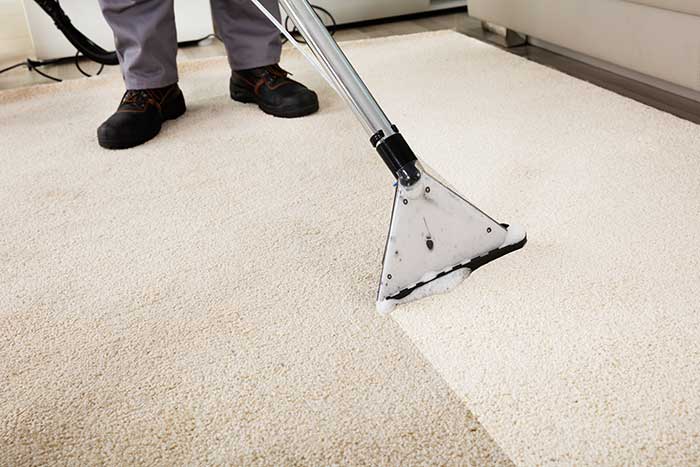

Office cleaning for workspaces around Lordship Lane and Grove Vale
A company in East Dulwich may work from a dedicated office, a room above a shop or a cluster of studios opening off the same passage. Each arrangement has its own cleaning questions. In a dedicated unit, the occupier can usually tell you which door is used, when the kitchen is clear and how to reach the bins. In a building shared with a shop, the same answers may sit with three different people. Start a quote enquiry with the exact address and a list of the people who can confirm access and responsibilities. That gives Complete Clean Management enough context to discuss what your workplace needs.
The National Rail station listing locates East Dulwich station on Grove Vale. When arranging a survey, a meeting point can be useful if the office door is set back or carries a different name from the tenant. Include the trading address, the number on the actual doorway and a description of the route from the street. If a visitor or employee uses a different entrance, give the contractor a single authorised route for the appointment. Note any access permission that expires at a certain time.
Make the first call about the specific problem you want solved. A studio may need a clearer handover after evening work. A practice may need its small waiting room checked before opening. A business with a shallow mat well may be trying to keep grit out of an upstairs office. Those problems suggest different questions about the work. If the same company has several premises, the London office cleaning guide gives a common starting point while you set the local conditions for each address.
Account for North Cross Road market in your access plan
Southwark Council’s North Cross Road market page is a useful reference for office managers close to the junction with Lordship Lane. If the market changes how your staff or suppliers reach the building, check how the proposed visit will work on that day. Ask about the actual route to your own door and check any street signs or building rules that affect equipment. A cleaner may be able to arrive on foot for an ordinary visit, while a carpet appointment may need an agreed loading point and a clear path indoors. Record those as two distinct plans.
The same door can serve different purposes at different times. A rear route used to bring in stock could be occupied when a business closes. A front entrance may remain open to customers while the upstairs office is unoccupied. Ask the person responsible for the premises to walk through the route at the proposed time. Identify where the cleaner can wait if a delivery is still passing and who has authority to suggest another entrance. Keep the waiting point clear of pedestrian routes and make sure the cleaner has a way to reach the site contact.
For a rare workday affected by a closure, market activity or an event nearby, decide how the team will hear about the change. A note to the visit contact can list the door, date and time without including sensitive access information. Set a point at which the cleaner should seek a decision if the usual approach is unavailable. A procedure that works for one day can remain separate from the ordinary schedule, so an occasional problem does not become an unnecessary restriction on the rest of the week.

Map the relationship between your office and the business below
Imagine that somebody new takes the stairs from the shop floor to an office above it. What would they be able to tell about which tenant controls the passage, what is shared and who is expected to clean it? Use their likely route to mark the boundaries. Record the shop door, the tenant’s own threshold and the point at which a common stair starts. If the toilet is across the landing, give it a separate line. Specify whose permission is needed if the office wants to include a task on a shared surface. A note tied to the actual door is easier to use than “clean to our boundary” without a diagram.
For a place with a front counter or waiting space, decide whether the office cleaning schedule includes those functions. A working reception may require attention to a small number of surfaces after closing. A shop floor may have its own routine, staff and equipment. Ensure the scope shows whether the cleaner crosses that area for access or has work to do there. If you manage a lease with several occupiers, identify which contact receives a message about a spill or faulty latch in a space that serves them all.
Use the commercial cleaning overview for London to consider wider work when the building needs a separate specification. Set a single route for approving additions so a casual request from a different tenant does not change the office brief. If a new occupier takes over a room, recheck the boundary and door permissions. A small change in building use can have consequences for access, stock and where waste is taken.
Fit carpet care around sample racks, chairs and equipment
An East Dulwich design or production office can have a carpeted meeting space alongside a hard floor used for unpacking supplies. The most worn area may sit at the point where a chair is pulled back, beside a sample stand or between the office and its entrance. Map the edges of the problem instead of recording only the name of the room. Check the mat and door first. A deposit of dirt where the surface changes could call for a different routine there even if the remainder of the room responds to normal vacuuming.
Put fixed and movable items into separate groups for a periodic visit. A chair can usually be moved with agreement, while a powered desk, a heavy storage unit and a product display need the responsible person to prepare them. Decide where moved items can stand while the floor is treated. Avoid relying on the corridor if it serves other occupiers. Confirm access to the intended room, where equipment can enter and when the floor needs to be usable again. Check the surface care instructions and ask for an assessment if you are unsure of the material or treatment history.
Ask about commercial carpet cleaning for larger areas, stubborn marks or a planned periodic treatment. Quote separately for the work where it requires a different method or appointment. Keep photographs of pre-existing marks free of desk records or screens. If damage becomes visible once a chair or rack moves, record it and send it to the building contact. An agreed record gives staff a way to see what the clean addressed and what has been passed on as a repair or condition issue.

Make a studio brief that protects works in progress
A working studio can contain an ordinary office beside samples, papers or pieces that have been left in an exact position. Ask the person responsible for the work to identify the safe area for routine attention. A clear desk policy may be useful for a laptop space, but an active layout table needs a different instruction. Give that table a name and agree what it means when a “leave in place” marker is present. Name the surrounding floor areas that remain accessible. Avoid relying on appearance alone to decide whether a sheet, sample or tool may be moved.
Discuss dust and residue at the point where they are made. Office dust on a clear cabinet can be an ordinary task. Material generated by tools, printing, cutting or other production work may require separate assessment and controls. Keep those processes out of a routine office specification until the responsible people have agreed the boundary and the appropriate handling. If a spill crosses from a work surface onto the ordinary route, agree who is called and how the affected space is made available again. That decision should be accessible to studio staff as well as the cleaner.
Office jobs next to production can still have practical priorities. A chair used for client reviews, the track by a door and a small visitor counter may be the main places to check between meetings. Establish how staff can free those areas and when work can take place. If surfaces regularly remain unavailable, look at the storage or booking process. Move the periodic clean to a known reset point where necessary. A repeatable handover lets staff leave the work ready for tomorrow while giving the cleaner enough room for the agreed tasks.
Plan the kitchen around a real lunch hour
Watch how a small East Dulwich kitchen is used during an ordinary working day. A shallow sink can fill with mugs before noon, and the only free worktop may double as a place to unpack deliveries. Tell the office cleaner which utensils staff clear, where a used mug should go and when the splashback is usually reachable. Clarify what happens to food in opened packages or an unlabelled container. Put the decision with the people responsible for the kitchen so the cleaner can follow an agreed rule consistently.
Give an ordinary surface clean a definite list. It can include the reachable worktop, appliance fronts, bin contact points, floor and the area around the sink. Define occasional work separately, such as an empty fridge or a heavy cupboard that needs to be moved. Where the kitchen is shared, find out who can ask everyone to clear a surface and how much notice they need. A short notice before a planned clean can be more useful than adding a task that is repeatedly prevented by clutter. If one tenant uses the room after another leaves, establish the latest point at which it can be made ready.
Use reports to separate supplies from maintenance. A missing liner or low soap needs a different response from a drip that returns under the sink. Give each issue a named contact and a location. If a particular shelf is too full to hold cleaning stock, make an alternative arrangement and check who can open it. A well-defined stock position reduces the likelihood that supplies end up next to food or among work materials. Review the plan if the office starts running more sessions or changes the number of desks in use.
Include toilet access and refill decisions in the same discussion
A visitor may be directed to a washroom on the other side of a shared corridor. Check whether the office has permission to include it, who keeps it open and what condition it needs to be in when the first appointment starts. List the fittings and touchpoints, including the inside door latch and surfaces people use before they reach a basin. State which products are suitable for any unusual finish, or ask the property manager for guidance. Mark which room must remain available and whether another can be used while the agreed work takes place.
One dispenser may be filled from office supplies and another may be covered by a separate agreement. Check each model, the location of matching refills and who has the authorised key. Agree whether the cleaner checks stock, refills it or passes a message to the person who orders supplies. A record that says “soap low in first-floor visitor room” is easier to act on than “toilet supplies needed”. Ask how to report a failed fitting that cannot hold a refill. It may need service by another provider before a cleaner can do anything with it.
The washroom services overview can help identify provisions to discuss alongside the office clean. Put any additional requirements on separate lines in the quote and name the person who can approve them. Check the information against your lease if the room is shared. If the office has added more appointments or welcomed a new tenant on a floor, review both the cleaning interval and stock use. A change in demand can show up in one measure before it is noticeable in the other.
Keep recycling and collection clear in a building with several bins
Draw a straight line on a room plan from each desk or kitchen bin to the actual store that serves the office. Give each stage a name. Staff use an internal container, the cleaner may move material to a designated store, and the authorised party may handle presentation for the collector. Those steps can be assigned to different people. When the store is behind a shared gate, check who controls the gate at the time the office rooms will be cleaned. If two neighbouring tenants use different containers, confirm which lids or labels identify yours.
For an East Dulwich address, confirm the arrangement with the premises manager and your collector. Use the GOV.UK business waste guidance for the general responsibilities and look up local provisions for the address where needed. Tell the cleaner which ordinary streams are included and who supplies the matching liners. Keep confidential paperwork, batteries and materials from specialist work within the procedures that apply to them. Give staff an accessible point of disposal so an unsuitable item is less likely to find its way into an ordinary kitchen or desk bin.
Agree what happens when the route to the bin store cannot be used. Name the person who handles a full container, a missing key or a missed collection. Ask staff to record the actual issue and time rather than moving material to a nearby store without permission. A change in market-day access or another occupier’s collection can affect the timing without altering what needs to be emptied in the rooms. Keep the collector’s timetable and the cleaner’s internal task list separate so either can be reviewed when the pattern changes.
Build a weekly schedule from meeting times and room readiness
Choose the intervals after checking when your East Dulwich office is used. A single room can be a shared workspace on Monday and a booked discussion space on Tuesday. If the team works elsewhere on Thursday, that could be a good point to attend accessible areas that are usually occupied. Collect the booking pattern and ask which jobs staff are doing themselves. Early checks at a reception, surface resets between appointments and a periodic floor task can then be placed at different points in the week. Avoid expecting a single late visit to cover tasks needed earlier in the day.
Set a definition of readiness for the rooms that matter most. A client meeting might need a clear work surface, a usable floor and a bin that has been emptied. An equipment room may be ready when the walkway is clear and a particular bench has been left alone. Agree with the room owner which tasks are preparatory and which belong to the cleaner. Give the cleaner a way to see whether the booking has finished and whether furniture can be moved. If the room is held late, identify what can be completed elsewhere first.
A schedule should show whether an item is regular, periodic or requested separately. Keep a date or trigger next to tasks that are easy to forget, such as reaching a ledge after a cabinet is cleared. Choose a review point after a typical week that includes the activities that shape the brief. Ask the office manager what they observed before the first visitor or meeting. If the same job is prevented each time, review its timing or permissions before concluding that the whole schedule needs more visits.
Keep the workplace usable while a project or refit changes the rooms
A refit may begin in one office room while the rest of the premises remains occupied. Draw the current route on a simple plan and mark the sections that can be cleaned. Include any temporary exit, replacement bin point or washroom that remains open. Tell the cleaner when the plan changes and who can confirm that a contractor has finished work in a room. Give the person doing the walk-through a way to identify the area without moving tools or interfering with work in progress. Use agreed names for new partitions or rooms that are about to be renumbered.
An extra appointment can be discussed for a newly cleared office. Describe the condition, floor type and the work still to be completed. Fit-out residues and materials need their own assessment and handling, especially if repairs or trades are ongoing. Ask when furniture will arrive and which tasks need doing while the room is empty. If a cabinet or desk is going straight against a wall, it may be worth inspecting the area first and recording any damage or dust that needs attention. Agree how to handle areas that become inaccessible afterwards.
Retain a handover checklist for the first normal week. Add any new kitchen fittings, washrooms, bins or entry mats. If the office is opening rooms in stages, mark when the regular service begins in each one. Do the same for a site move. The room count might stay constant while the route through the premises or the floor finish changes. Update the brief so the person preparing or reviewing the quote can see which site conditions came from the new arrangement.
Review results with the people who use the rooms
A usable check takes place at a time that means something to the office. If a team member sees the meeting room just before the first appointment, they can report whether the floor and table are ready. An evening check after several meetings shows a different stage. Write down which one you are measuring. Choose a few points from the agreed schedule, with a mix of things that show quickly and things that matter over several weeks. A mat edge, a kitchen splashback and a floor section under a movable chair offer more precise evidence than a single opinion about a whole floor.
Give problems a place to go by type. A broken fixture belongs with maintenance, a repeated shortage with the supply owner, and an omitted routine task with the person reviewing the cleaning schedule. If a job was deferred because a room was occupied, ask the booking contact for another workable point. When a spill or dirt arrives after a visit, consider what the normal users can do during the day and when a larger response needs to be arranged. Put the issue, location and time in the handover so whoever opens the site next can follow it.
If you look after another branch in Dulwich or Peckham, compare results using the same categories. Let staff choose the exact inspection points for their own building. The managers can then compare issues such as access and supplies while seeing which room, route or time produced each one. Keep one version of each site’s checklist so a change does not circulate as several different instructions.
What to give Complete Clean Management before pricing the work
Prepare the office address, layout, proposed working hours and a brief description of the main areas. Include the largest floor surface, the rooms with visitors and the locations that share access with another tenant. State whether you want recurring cleaning only or need periodic tasks discussed. List any constraints a person will discover on a first visit, such as a rear gate controlled by another occupier, equipment that cannot be moved or a short slot for work on a shared stair. Describe which rules you know and which still need confirmation.
Ask for the quotation to show the things that influence it. Check the room list, agreed frequencies, stock responsibilities, access assumptions and separate work. Give anyone comparing quotes the same copy of the brief. If proposals differ, compare the work included and ask whether the timing allows for the tasks that matter at your site. Discuss how a variation is recorded if the team takes another room or changes how a kitchen is used. A sensible review arrangement allows the people responsible for the premises to raise specific questions without relying on a different scope every week.
Call or use the quote route when you have the essentials. A complete floor plan is helpful but a room list, site contact and clear description of your priority can start the discussion. If a premises near Grove Vale needs a different access plan from one close to the market, send both in separate notes. That makes the location useful to the people planning the visit, while letting the cleaning choices follow the room use and condition you have described.

Questions about arranging office cleaning in East Dulwich
What should I include for a Lordship Lane office above street level?
Give the building number, the office floor and the door used by contractors. Describe the stair, where a larger item can turn and who holds access after the business below closes. List any shop floor or shared lobby that the cleaner crosses without working in it. See the commercial cleaning overview if you are also considering a separate shared area specification.
Will the North Cross Road market affect a planned visit?
It depends on your premises and the day. Start with the Southwark Council market information, then check your authorised entrance and current restrictions. Tell the quoting team if a routine visit and a larger equipment appointment use different routes. Name the contact who can explain any change on the day.
How can an SE22 studio keep samples safe during cleaning?
Name the working surfaces and identify when items must stay in position. Agree how staff indicate those boundaries and which surrounding surfaces or floor areas remain available. Keep materials needing specialist handling on a separate instruction. When you want a ledge or a table cleaned periodically, set a time when the owner can clear it and confirm it is ready.
Can carpet care be planned around an upstairs client room?
Describe the carpet type, access to the stairs and when chairs or equipment can be moved. Ask about a distinct appointment for commercial carpet cleaning when it goes beyond the normal floor routine. Set a time when the room can remain clear and tell the assessor if there are marks, loose tiles or mat edges that may need separate attention.
Who restocks a washroom shared with another East Dulwich tenant?
Check with the landlord or manager who covers cleaning, refilling and repairs. Record the dispenser type, where the matching stock is held and who can open a locked fitting. Agree who hears when stock runs low. If you want to discuss provision beyond the ordinary clean, use the washroom services overview as a starting point.
How can we handle collections if the office waste store has a timed gate?
Record when the internal store can be reached and who controls access. Explain which containers belong to your tenancy and which streams the cleaner should handle. Decide in advance who will resolve a locked or full store, and whether the collection point has its own timetable. Keep all alternatives in the building’s agreed waste instructions so neither staff nor the cleaner has to improvise.
Should we use the same specification for East Dulwich and Peckham?
Use a common layout for the enquiry and write the details separately. Start with the Peckham office guide to plan that site. Include the door, waste route, workrooms and hours for each address. If staff want comparable checks, use the same reporting fields and choose the inspection points after seeing each premises.
What needs to be ready before you look at cleaning after a refit?
Tell the site contact which rooms and routes are clear, whether trades have finished in them and when new furniture will arrive. Describe residues or materials that need assessment separately from normal office tasks. Ask who can confirm the area has been handed back and tell the contractor which fittings or floor finishes need particular care. Update the regular room list when the space returns to everyday use.
Talk through your East Dulwich office cleaning brief
Describe your workrooms, access and the tasks you would like priced. For other sites, start with the London office cleaning guide.
Clients we service
Organisations featured across Complete Clean Management’s client portfolio.
















GOOGLE CUSTOMER REVIEWS
What our customers say on Google
Selected review excerpts from Complete Clean Management’s London Google listing.
★★★★★
“Really happy with the deep clean! The team were friendly, professional and did a fantastic job.”
★★★★★
“We engaged with Complete Clean Management and they came in and did an absolutely fantastic job.”
★★★★★
“We have recently started to use Complete Clean Management for various cleaning services to our domestic and commercial renovation projects.”
★★★★★
“The team is punctual, professional, and pays great attention to detail.”
★★★★★
“We’ve been using this office cleaning service for several months, and it’s been outstanding.”
★★★★★
“Complete Clean Management has transformed the cleanliness of our workspace.”
Selected excerpts, checked 6 November 2026. Leave a Google review ↗