
Complete Clean Management · East London
Office Cleaners Elm Park
Professional office cleaning tailored to your premises, working hours and priorities.
Request a free quote Call 0203 092 2297

Start with the two sides of your Elm Park premises
A compact Elm Park office may have a front door on the same parade as shops and a back door reached from another street or a shared yard. That difference can make a bigger contribution to the cleaning brief than the total floor area. At the front, work is visible to visitors arriving from the station or another shop. At the back, the questions are how equipment comes in, who can open the gate and how bags reach the correct storage point without crossing a public waiting area.
Walk both routes before asking for prices. Time the journey from the agreed entrance to the farthest room with a small load. Note a step, a tight turn, a door that closes by itself, a change of floor or a shared passage where equipment cannot wait. Mark the boundary where a landlord or another occupier takes over. A handover can be as simple as a sketch with the public door, contractor door, storage point, kitchen and washrooms labelled. It is especially useful in premises whose postal address faces one road and whose practical entrance faces another.
Next, follow the way the office is used. A visitor might reach a chair in the front room and leave without seeing the office beyond. A member of staff might walk through the kitchen and back office repeatedly. Give each route its own standard. A front space needs attention to the glass, seats and floor visitors see. A staff route needs an equally clear agreement about the shared surfaces people use repeatedly. Havering’s Elm Park town centre guide is a useful reference when describing where your entrance sits.
Plan around the trading day near The Broadway
Closing the front door and finishing work are often two separate events. A manager may shut a service counter, then finish reconciliation or take a last call. If cleaning starts immediately at the advertised closing hour, the vacuum can conflict with a conversation and a chair needed for a final appointment may already have been moved. Ask staff which spaces normally free up first. Back offices sometimes become available while reception remains active, or a kitchen can be cleaned before the last scheduled meeting ends.
Use a short list of priority jobs for a visit that coincides with an unexpected late customer. Identify which work can go ahead in another room, which should be moved to the end of the visit and which needs a rescheduled window. A cleaner can make a better judgement if the schedule defines the options. Keep that decision with a named building contact. The person holding the keys for closing may know more about that day's access than the person who normally receives invoices.
Noise travels differently when the office has doors opening on to a shared hall or adjoining other occupiers. Test the route on a real working evening before settling on times. Ask what happens if the main entrance locks automatically and a colleague steps out with rubbish. Confirm when an alarm can be set and who verifies the doors before leaving. A time slot in a cleaning quote should allow for the work itself as well as the routine required to get in, move safely between rooms and close the premises.

Stop street dirt at the first change of surface
Watch an Elm Park entrance on a wet morning and again after a dry afternoon. The pattern may change from a short wet patch at the threshold to fine grit carried much farther along a corridor. The cleaner should know where the paving ends, where matting takes over and which interior floor begins immediately afterwards. A mat that shifts, curls or stays wet can be a building issue to report. Agree who repositions it and who decides when replacement or a second mat would help.
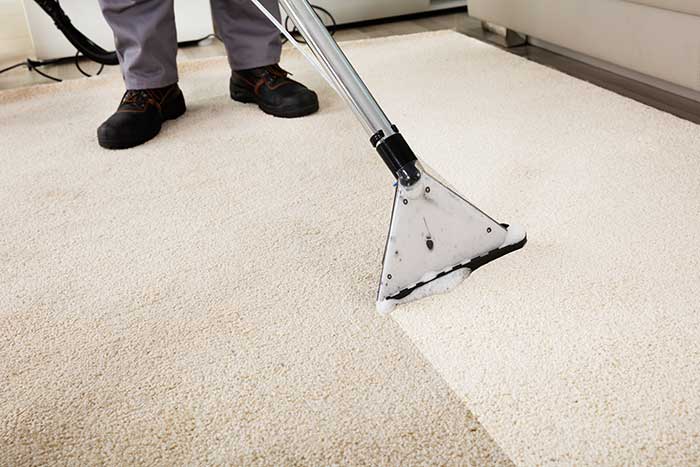
For a small office with a carpeted customer room, inspect the first few metres before specifying a whole room treatment. There may be a sharp line under a chair or around the edge of the mat, while the least used corners remain relatively clean. Log the type and location of marks, including whether they return after the next dry vacuum. That record helps distinguish tracked soil from a single spill and lets you ask about the right treatment for the material. The London commercial carpet cleaning page is the place to start if a section needs more than routine vacuuming.
On hard floors, define what the next person should find when the door opens. It may be a dry walking line, corners free of loose grit and a surface that has been checked against the finish. Allow for drying and agree how any temporary signs are positioned without narrowing the exit. If an entrance floor has a damaged seam or lifting edge, log it clearly for repair. Repeatedly cleaning around a defect makes it harder to see whether the underlying issue is getting worse.
Give each front room its own reset checklist
An office close to Elm Park station can receive visitors in short bursts even when the staff room stays quiet. In a waiting space, measure cleaning demand by the number and type of visits and where people gather. Four chairs used repeatedly can take more attention than ten chairs in a room that seldom opens. Look at armrests, the low portion of a glass panel, the inside door pull and the place where wet bags are usually put down. Make a sample inspection at the hour those surfaces are under most pressure.
Separate presentation from what customers or staff leave behind. A reset might mean returning a chair, wiping an agreed table and clearing a bin. It may leave intact forms waiting for signatures, name labels on appointments and folders set aside for collection. Identify one spot where staff can safely place items that must stay in view. Clear markings help a visiting cleaner understand which materials are in use. If the public surface is also used to sign documents, ask who is responsible for making it available to clean.
Choose a completion check that another colleague can reproduce. Stand at the doorway and take the same view each time, then inspect one surface nearby under normal lighting. A cleaner should have a practical way to note that a room stayed occupied or a surface could only be partly reached. The person approving the visit can then distinguish a late meeting from an unresolved cleaning issue. A consistent check is particularly helpful when several staff rotate responsibility for opening or closing the same front office.

Keep tenant and landlord duties clear on the stairs
Above a shop or on a multi-occupier property, a stairwell might connect the offices with a door shared by tenants or residents. The handrails, landings and common glass may be covered under a separate arrangement from a private suite. Start by confirming where the private area begins. Name the stairs by the entrance they serve, record each landing and explain who can approve extra work in a shared corridor. One unclear line in a specification can lead both parties to assume a surface belongs to the other.
Older stairs and narrow bends can make carrying equipment time-consuming. Work through what will fit around a turn with the doors in their usual position. Consider a small kit stored securely inside the suite if permitted. Decide where signs can be placed during wet work, keeping the route usable by others. A practical route also needs to accommodate neighbouring tenants arriving outside regular office hours and deliveries which use the same door.
If you oversee another East London office, compare responsibilities separately before writing a single specification. A cleaner at a Chadwell Heath office may have a direct equipment route, while a suite in Elm Park may be reached up a shared flight. A shared reporting format can still work if each property has its own access notes, contacts and list of common areas. Ask for the base quote to show which boundaries have been assumed and for any shared section to be identified on its own.
Control washroom stock without cluttering small rooms
First count the dispensers in service and write down the refills they actually take. A cupboard can hold partly used packs for a dispenser removed years ago, or stock that fits only the other washroom. Group the current refills by fixture and mark which belong to another occupier. Decide where the cleaner is allowed to draw supplies from and who orders the next pack. For small washrooms, keeping a spare case elsewhere can free the floor and reduce obstructions.
A check at the end of the day should allow for use until the next visit. Choose a refill threshold that makes sense for a busy visitor morning as well as a quiet afternoon. Give the cleaner a simple way to report low reserves, a broken lock, a leaky fitting or a dispenser that releases too much at once. Record where the fault is and who has been told. A washroom can look clean immediately after a visit and still run short halfway through the next day if supplies are ordered too late.
Separate what the office supplies from what is included in the quoted scope. Clarify responsibility for replenishment, dispensers and specialist collections, with a named contact for repairs. If reception visitors and staff share the same facilities, agree the hours when the room can be closed briefly for a more detailed clean. A washroom services enquiry can cover the arrangements for servicing and refills alongside the office schedule. Keeping both items visible makes it easier for the manager to see when a stock problem calls for a purchasing decision.
Agree the waste journey all the way to the bin store
In a mixed Elm Park property, two doors into the same courtyard may lead to different businesses with separate waste arrangements. Give the cleaner the route to the correct containers and explain which doors must remain locked. If one door only opens from the office side, establish how to return before anyone makes the first trip alone. Clarify where boxes wait to be flattened and when bags can be moved out of the building without crossing the last customer appointment.
Define the purpose of each bin at the workstation or in the kitchen. A cleaner can report regular contamination or recurring overflow, while the office can update labels or change which bin sits nearest a shared appliance. Keep bags clear of stairs and shared passages. Confirm who manages material needing separate handling, such as documents, batteries or equipment. Set out where those items are held and who is authorised to move them. If the facilities lead changes, the instructions should still make sense to a temporary replacement.
Record what happens on a missed collection day. In a small office there may be little spare space, so staff need to know who contacts the collection provider and where additional waste can wait. Use Havering’s business waste guidance to check local information before finalising a specification. Quote the in-office handling separately from any outside collection arrangements. That separation helps when a landlord changes a waste contractor or the building takes on a new occupier who shares the yard.
Make cleaning possible around occupied desks
In a small Elm Park suite, every desk may stay in use even when only a few people are in the office. Booking diaries, post, stock lists or forms waiting for review can occupy surfaces during the cleaning window. Decide which desks are clear enough for a wipe and who moves items. A staff reminder can explain which areas should be left clear at closing time. Give the cleaner one approved approach for the desks that remain covered so staff can find things where they left them the next morning.
List equipment separately from general surfaces. A workstation may have a screen and keyboard owned by the business, a laptop brought in daily and devices that must remain plugged in. Record what is available for routine wiping and what should be handled by a designated colleague. Include common touchpoints such as the shared printer shelf, a booking tablet stand or a cabinet pull. A workroom used for confidential calls might need a specific opening window even if desks nearby can be reached throughout the day.
Start with two points of contact. One can tell a cleaner whether a desk is in use and move the immediate obstacle. Another can approve changes to the specification when staffing changes. Keep the message short when access is blocked. A note saying which desk line or room was affected, and whether it could be covered later in the visit, is easier to follow than a general report that the floor was busy. Adjust the plan using recurring examples from your own office.
Schedule extra floor work when rooms can stay empty
Treat periodic floor work as a booking with an agreed handback, especially in a suite with only one route to the kitchen or toilet. Pick a window in which staff can clear small objects, move approved furniture and keep people off the surface until it is ready. A Friday closing slot can seem convenient until an early Saturday appointment or landlord visit is added. Put the closure in the same diary staff use to book rooms and nominate someone to confirm changes before equipment is brought in.
Ask the person estimating the work to record the flooring in each room. Similar looking tiles may need different treatment if a repair introduced a different material. Point out historic leaks, loose joints and routes where cables cross the floor. A trial in a small area may inform the plan when the finish or earlier product use is uncertain. Agree whether the quote covers moving furniture, working around fixed storage and returning the area to use once dry. The work and its handback have different requirements and both need a slot.
If the periodic service will extend to offices or back rooms across the area, use the commercial cleaning overview for London to distinguish the scope of the broader enquiry. List the rooms by name and indicate which are the priority for the first visit. That helps an estimator discuss a separate deeper clean without changing the routine list of bins, desks, kitchen and visitor areas every time floor work is booked.
Write down a fallback when the keyholder is delayed
Many cleaning disruptions begin before the first room is reached. One keyholder is delayed, a shutter has already been closed, or a second door has been set to lock automatically. Agree how long the cleaner should wait and which named person to call first. Write down the entrance where they should wait so the person meeting them knows where to go. Put the fallback in a secure induction or handover document and avoid circulating codes in a room checklist that others may see.
Take a new cleaner through the exit sequence from the farthest room. Check that windows and agreed internal doors can be left as required and that the last person knows what to do if another tenant stays late. When a fire exit or rear door is used to move waste, clarify its permitted use and how it should be left. Record faults in access equipment through the route chosen by the building manager. Avoid treating an access fault as an informal reason to prop open a door.
When comparing premises near The Broadway or around Elm Park Avenue, expect the access details to vary from address to address. The Havering car park directory can help when planning a site visit, while current street signs and landlord instructions determine where and how equipment can be unloaded. Tell the estimator when a vehicle is likely to be needed for specialist work. The usual arrival routine may suit a small kit and still need a separate plan for bulk supplies or machines.
Give the first month three measurable checks
Pick three observations that can be made by different staff without a lengthy briefing. A visitor seat and table should be ready for the first booked appointment. One dispenser should have enough stock to reach the next planned visit. The walking line from the entrance should be clear and ready to use. Change those examples to fit the office, record what a pass looks like and name the person who checks each one. A photo of an empty area can be useful where the business permits photos and documents or people are out of shot.
Track how often problems recur and in what circumstances. A bin beside a printer may overflow whenever a particular weekly run takes place. A wet patch by the door may reflect the weather or a mat laid across a wider entrance. A room missed twice because staff are still working there can need a new window. Separating timing, access, condition and scope issues gives the contract contact a more precise starting point for adjusting the plan.
At the first review, ask whether you have enough time in the specification for the work that matters. Consider trading one low-use detail job for an extra pass on a busy area if the evidence supports it. Record each agreed change beside the room and frequency so both sides use the same list. The London office cleaners directory can help a manager with several sites find separate local guides while keeping the checks in one format. Keep a baseline note from the first week so the review can distinguish a new problem from a condition that was present before the work started.
Share a site brief that an estimator can price
Put the address, accessible entrances, occupiers and decision maker at the top of your Elm Park brief. Then give room names, floor types, work patterns and the access constraints you have observed. Include where the water supply and approved storage are, how waste leaves the suite and when the first visitors typically arrive. Add rooms which need restricted access, plus any areas already covered by the landlord. A short walk through those points may reveal more than a floor plan on its own.
Request separate figures or scope lines for recurring tasks, periodic floor work and any agreed stock or extra visits. If your office will move or change opening hours, show the current operating week and a likely future week. Ask which assumptions could affect the schedule and what information the estimator needs before finalising an offer. Include the days when equipment can be moved without passing a queue, as well as any weekday on which the room is easier to clear.
Write the approval process in plain terms. One person can confirm routine access, another can approve extra work and the accounts contact can receive the agreed specification. If the same person holds all three roles, give a substitute for holiday cover. For teams also managing offices around Barking, make sure the same staff see separate site checklists and know which quote relates to which property. That makes it easier to start with clear expectations on the first visit.

Questions about arranging office cleaning in Elm Park
Which entrance should we give for a suite above The Broadway?
Provide the postal address and the door used by contractors, with the name on the intercom and the floor number. Ask the building contact to show the equipment route and confirm where tenants share a stair. Use the Elm Park town centre guide for orientation and give your cleaner a building-specific sketch for the final approach.
Can we plan cleaning around late customer appointments near Elm Park station?
Tell us which rooms normally free up before the last appointment and how a cleaner should find out when the waiting room is available. Confirm which quiet tasks can take place in another room. In a compact office, one back room or staff kitchen can provide a useful starting point while the last customer finishes.
What can we do about dark tracks from the door into our office?
Photograph the track when it is dry, record the type of mat and note which flooring it leads to. If the marks keep returning, check the underside and edges of the mat as well as the first metre of carpet. Ask about periodic commercial carpet care alongside the recurring vacuum schedule.
Who should supply paper and soap in a shared washroom?
Check with the building manager before including stock in the specification. Confirm which party orders the refills, who fits them and who reports a broken or incompatible dispenser. Give a copy of the plan to any other occupier using the same washroom. Where you need a separate arrangement, describe it when discussing washroom services.
How do we set up the rear access on Elm Park Avenue?
Have the keyholder and estimator walk the route at the time proposed for service. Show any shared gate, the turn where a machine must fit and the correct bins. Check the current signs where unloading might take place and give staff a contact to use if the rear door cannot be opened at the expected hour.
What information helps if our cleaner will also attend Chadwell Heath?
Send two address and access sheets even if the same person manages both properties. Record different details for stairs, keys, equipment storage and refuse. Refer to the Chadwell Heath guide for ideas on discussing that site separately, then decide which reporting details you would like to use across both locations.
Can we price a first clean separately before setting the ongoing routine?
Yes, ask for a separate scope describing the floors, surfaces and rooms that need initial attention, then set out what a normal visit should achieve. Tell the estimator which marks, defects and maintenance issues staff have already recorded. Keep a copy of each scope so the periodic requirements do not get mistaken for the regular visit schedule.
What should we do if our commercial bins fill before collection?
Record which container fills first and where the office keeps any surplus pending collection. Check who can contact the waste provider and who is responsible for changing the frequency. Read Havering’s business waste guidance and clarify how the office cleaner should report a problem without using another occupier’s container.
Talk through your Elm Park office cleaning brief
Describe your workrooms, access and the tasks you would like priced. For other sites, start with the London office cleaning guide.
Clients we service
Organisations featured across Complete Clean Management’s client portfolio.
















GOOGLE CUSTOMER REVIEWS
What our customers say on Google
Selected review excerpts from Complete Clean Management’s London Google listing.
★★★★★
“Really happy with the deep clean! The team were friendly, professional and did a fantastic job.”
★★★★★
“We engaged with Complete Clean Management and they came in and did an absolutely fantastic job.”
★★★★★
“We have recently started to use Complete Clean Management for various cleaning services to our domestic and commercial renovation projects.”
★★★★★
“The team is punctual, professional, and pays great attention to detail.”
★★★★★
“We’ve been using this office cleaning service for several months, and it’s been outstanding.”
★★★★★
“Complete Clean Management has transformed the cleanliness of our workspace.”
Selected excerpts, checked 6 November 2026. Leave a Google review ↗