
Complete Clean Management · East London
Office Cleaners Forest Gate
Professional office cleaning tailored to your premises, working hours and priorities.
Request a free quote Call 0203 092 2297
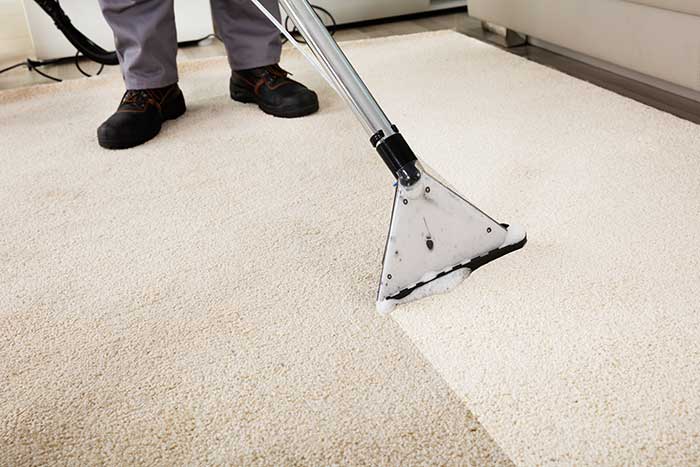

Draw the working map for a Forest Gate office
Put an outline of your E7 premises on a sheet of paper and mark what happens in each space before drawing the walls in detail. A room facing Woodgrange Road might be used for interviews and bookings. Behind it, there may be a place to sort deliveries, another room where staff take calls, and a kitchen shared with a different team. If every room is simply listed as office space, a cleaning estimate can miss the different ways surfaces become dirty and the hours when they can be reached.
Give each room a name familiar to the people who work there. Add the rooms where cleaning needs to begin before a fixed event, such as the place where a visitor signs in or where the first group of the day meets. Then mark the rooms that remain occupied after that event. With a small number of people and an uneven schedule, this order of work can matter more than making each visit the same length. Changes such as a borrowed room, a different reception desk or a delivery left in the hallway need a clear owner.
A manager briefing another site in East London may want the same fields on both plans while keeping each site's rooms distinct. The London office cleaners directory sets out coverage across the capital. Use your Forest Gate plan to add a practical description of the office rather than relying on a single postcode to describe all the work. The first walkthrough can then concentrate on the handover, room sequence and exact condition the next person should find.
Treat the station side and the yard as different access points
Offices around Woodgrange Road and Forest Lane can have front doors best approached on foot, and back doors intended for deliveries. Those doors can be a long way apart on the ground even if they are close on a plan. A cleaner with a compact kit may be able to use the front access that suits visitors. If floor machinery or bulk supplies are needed, ask how they can reach the suite and whether a rear entrance can be opened at the right time.
At the walk-through, note how to get from the pavement to the site contact without interrupting reception. Where two units have near-identical addresses or signage changes, add the name displayed on the door and the floor or unit number. If a hallway belongs to several occupiers, note where a trolley can turn and where it can be put down briefly. Take account of a tight corner, a security gate, lifts on only one route or a ramp that also serves a neighbour.
A visitor parking arrangement may give a contractor enough time to discuss the scope and still be unsuitable for routine access. Ask who can approve a bay, whether it remains available outside staffed hours and what happens when the site is taking a delivery. Newham publishes parking zone information. Check the actual street signs for the arrival point and keep a second practical route for days when the preferred bay is occupied.

Set out where cleaning ends when collections are timed
A Woodgrange Road office can be ready for the next morning even when a bag has to remain indoors for collection later. The cleaning brief should identify who empties internal bins, where material waits and who presents it when the carrier is due. Share the procedure with the colleague who locks up, because they may be the only person left when a collection changes. A new starter should be able to tell the correct store from a residential bin room or a neighbour’s containers.
Newham’s timed waste guidance for landlords and businesses lists Woodgrange Road among the streets covered. Use it with the collection provider’s instructions when writing the brief. Avoid treating the end of a cleaning visit as permission to put bags outside. Plan what happens if the agreed storage area is full or locked. Where a contract has separate collections for different materials, the cleaner needs labelled internal containers and somewhere to take each stream without using a public corridor as temporary storage.
Watch for the small changes that make waste harder to manage. A printer replacement can produce several boxes, an open event can fill a bin in two hours and a kitchen may suddenly need a larger container after a new team moves in. Ask staff to flag those changes ahead of a visit. Define a reporting route for broken locks, leaks or loose material at the bin store so the duty holder can deal with the underlying issue. A brief written around normal capacity and exceptional days is much more useful than a single instruction to empty bins.
Set a turnaround standard for rooms used by different groups
A room used by one team in the morning and another in the evening needs a simple handback. Begin with the last five minutes of a booking. Decide where the outgoing group puts cups, whether it returns chairs and what happens to paper left on a table. That frees the cleaner to deal with the surfaces actually in scope and makes it easier to tell when a room is ready for its next use. For an advice session, lockable storage may matter as much as wiping the desk if documents have to stay on the premises.
Keep a short list of the areas that most affect the next group. The table edge and chair arms may need attention in a seated session, while a workshop might use the skirting, whiteboard ledge and floor far more heavily. A room divided by a sliding partition should have an agreed cleaning position, especially if the layout changes between sessions. Write down who can move the partition and where loose equipment belongs. Take photos of the empty room arrangement where permitted, so visitors and staff can put it back the same way.
Separate a quick reset from a more thorough clean. The reset can have a small set of outcomes and a specific deadline. Detail work on seats, low ledges and floor edges might be better in a longer gap in the diary. When you request an estimate, state how many short turnarounds occur and give the time range for a full clean. The schedule should make clear who handles a spill if the same room has two bookings too close together to allow the usual work.
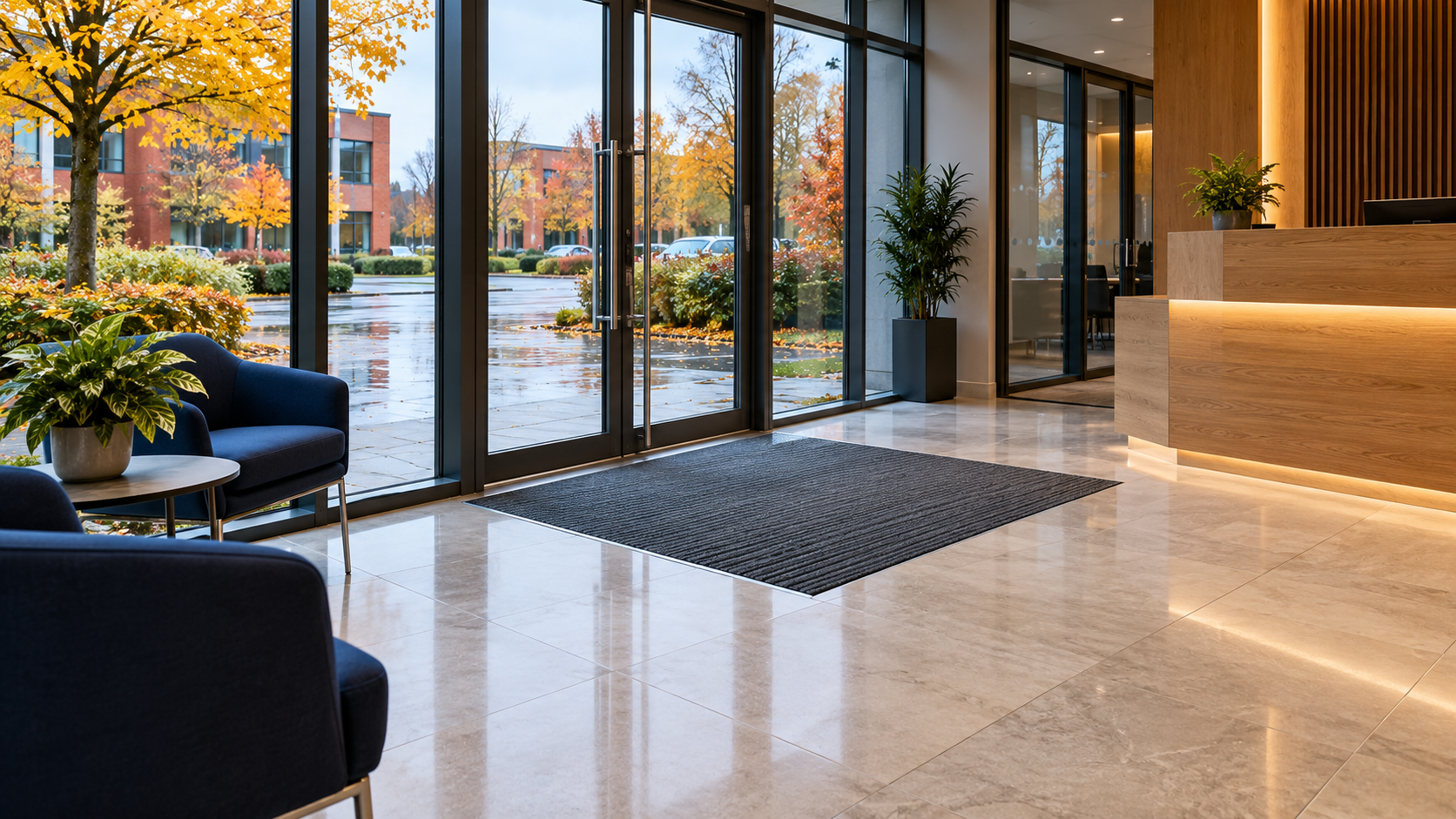
Keep grit and dust from travelling between the yard and desks
If an office has a workshop, stock room or yard nearby, follow the footwear and equipment routes between work areas. In a mixed building near Forest Gate’s railway arches, the conditions in an enclosed desk space can differ from those along the route used to carry deliveries. Check which surfaces collect fine dust and which take heavy foot traffic. Consider whether separate matting or the position of a shared printer would shorten the route where staff currently carry dirt from one end of the office to the other.
Describe ordinary office dust, ingrained dirt and unusual residues separately. A stain of unknown origin near an adjoining work area calls for information about what happened before it is treated. Keep a record of flooring repairs and known products used in previous cleans. When estimating a job, look at the seating routes, the corners under cabinets and the junction where a door sweeps across flooring. In some cases the regular schedule can be changed to cover the entrance twice while keeping quieter rooms on their established routine.
If carpet needs an extra treatment, use the commercial carpet cleaning guide to begin that discussion. Tell the estimator where the problem stops as well as where it starts. If the office is also planning cleaning at another property near Stratford, document the flooring for each site. Doing one trial on a material in one building gives you a starting point only for comparable surfaces and conditions. A short check after the next busy day can show whether the change in routine is working.
Reset kitchen stations according to what people use
Start by watching the order in which people use the kitchen during a normal break. A shared sink may serve as a wash area for mugs and as the only place to fill a kettle. A microwave may be used by several shifts, with a narrow counter on which everyone sets containers. Mark the counter where the cleaner can reach, the place where mugs are left to dry and the shelf where personal food is stored. These surfaces need different instructions for what can be moved and who looks after them.
Write a separate line for tasks that need staff decisions. Old food in a refrigerator, a damaged mug and unlabeled containers may belong to someone who is away that day. Choose who checks items and how often they do so. The cleaner can then work on surfaces that are available and report blocked ones. If different occupiers have separate cupboards, give a simple key or label list showing which supplies they may use and where replacements should go. Avoid a system that requires lifting boxes or searching someone’s cupboard to find a cloth.
Inspect the condition near the end of a busy period. If the sink and food contact surfaces are overloaded before the visit begins, consider a short staff reset at the end of each break. That can make the deeper part of the scheduled work possible. Include the path between the kitchen and the nearest meeting space when there are regular events. People carry cups across it, and the first place a spill shows up may be on the carpet outside the kitchen door.
Use fixture-level notes in shared washrooms
A building with two occupiers can have a single washroom used by both teams, or one facility for visitors and another accessed by a code. Give each a name that ties it to a floor, door or part of the premises. Then list what is fitted and who can restock it. Where hand towels or soap are ordered centrally, agree the point at which a cleaner raises a stock request. An empty dispenser can reflect a purchasing problem or a fault, so it helps to say what the cleaner observed and how much stock remains.
If someone uses the facility for changing before or after a shift, account for belongings and occupied cubicles when deciding when the room is available. Give staff somewhere to store personal items that does not cover surfaces or floor corners. Ask about a workable window to clean a room in detail and a fallback if that window closes. Where only one washroom is in use, arrange with the office contact how to maintain access while work takes place and how to signal when the room is ready again.
Talk through the scope of washroom services if you need help with consumables or servicing arrangements. Keep fixture repairs, waste collection and routine cleaning separately identifiable even if one manager coordinates them. A cleaner should know whether to raise a ticket or speak directly to a person who can act on a fault. Use a separate place to store tools and refills, checking that an emergency exit and everyday routes remain clear.
Give hybrid teams a clear-desk routine they can sustain
In a Forest Gate office where a desk changes user throughout the week, the people who book it and the person who cleans it need a shared understanding of what ready means. Decide where the last user places any loan equipment, which power cables should remain connected and who checks a forgotten item. Set a regular location for shared items such as laptop stands, wipes supplied by the office or spare stationery. The next user can then see when a space has been reset without assuming that moved paperwork has been disposed of.
Treat printers, parcel shelves and shared charging points as work zones. A shelf that stays crowded with parcels needs a regular owner before its surface can be cleaned. Put a line in the plan for the area beneath shared equipment if the office can make it safely accessible. Where a room hosts remote meetings, note which low-noise tasks are acceptable and which need the door closed and the space released. It is easier to agree the rule once than to decide at every visit whether a call is nearly finished.
In the first few weeks, compare what the diary predicts with what actually happens. A colleague might book a desk and work elsewhere, or an unplanned group may use a space until close. For recurrent conflicts, move the sequence of work or set a clear handover time for one high-use zone. An office with another team in East Ham can use the same clear-desk standard while choosing different local hours and giving each team a named person to release the room.
Keep noise and security in the same shift plan
A narrow entrance shared with homes or other businesses can sound different when the street is quiet. Test how doors close, where a vacuum is likely to be heard and which jobs can be put near the start of an evening visit. A timetable can group the louder work into a slot that the building contact has approved and place quieter work towards the end. When a room needs to stay available into the evening, record a morning or daytime alternative and ask the contact how changes should be confirmed.
A shift plan also needs an owner for each locked boundary. List the door an authorised person opens, the route to the work areas and the place where the cleaner can wait if the first door fails. Show how to report a fault without changing any shared access setting. If one business leaves late, explain what the cleaner should do about a door or alarm normally handled at close. Keep any sensitive codes and credentials in the method used by the building manager, away from a printed work list.
Think through how an unfamiliar relief cleaner would leave the building. Give the site contact a chance to walk the route, check the doors that latch automatically and point out areas that remain in use when the office is closed. Confirm where cleaning tools are put away and where any access issue gets reported the following day. The plan should work on a normal Tuesday and on the week when the usual person who locks up is away.
Book periodic work separately when a room’s use changes
When an office expands into an adjoining room, moves furniture or changes from seated work to meetings, the flooring can show old wear and clean outlines where items used to sit. Start by recording the layout change and the current surface condition, using photographs with permission. Check whether any work is still taking place and when the room will be clear of fitting tools or deliveries. An initial clean for handback needs a different brief from the visit which later keeps the room ready for use.
If you want the work done before reopening, give the actual handover deadline. Include time for any drying, for furniture to be placed and for someone to check that the final area is available. Ask whether the specification includes clearing beneath movable seating and who removes temporary coverings. If part of the space stays occupied, discuss doing the work in stages and agree where each stage can stop without creating a trip point or blocking the only route out.
The London commercial cleaning page is a useful starting point for discussing a broader site requirement. Tell the estimator when a task extends from a desk suite into a training room, store or shared lobby. Give a list of the room surfaces you expect included in the first visit and which of them should join the recurring rota afterwards. With separate scopes, it is easier to see whether changing the premises should change the ongoing cost or simply add a one-time piece of work.
Review the work at the hour it matters
A reception check late in the day can miss what a first visitor sees after the overnight clean. Choose the time of day that matches the task. Look at meeting rooms just before the next booking and at kitchens after the most heavily used break. Check whether the stock is likely to last to the next visit. Try to use a consistent view of the floor when comparing photos, because a window reflection can make the same finish look quite different over a working day.
Define how you will record skipped jobs and recurring problems. A one-off conflict caused by a late visitor can be resolved by a different sequence. The same issue twice in the same space may call for a new slot. A fault in a dispenser or damaged skirting should go to the repair contact with enough detail to find it. When a change is agreed, add the person responsible and the next date to check. Keeping a record of those small decisions helps during staff cover and makes the first monthly review more useful.
Build a short review around the few outcomes that matter most in this office. The front table is ready for visitors. A named washroom is stocked. The delivery route is usable without leaving packaging in a shared hall. Give every item a location, a time and a clear test. Another office may need different priorities, even if it sits one road away. The test is whether a second person can make the same judgement when the usual office manager is out.
Put the Forest Gate quote request in working order
Include the full address, unit number, workdays, expected access hours and the landlord’s contact process in your enquiry. Indicate the room with the highest visitor turnover, any wet floor concerns and the spaces in which paperwork or personal property limits access. For floors, state where routine work stops and where you would like a separate assessment. If there are several kitchens or washrooms, identify who supplies them and how far the cleaner has to travel to refill them.
Ask the estimator to explain the assumptions for a normal visit, including whether the stairs, staff toilet and space outside your front door are part of the proposal. Supply details of a busy and a quiet day. Compare quotes against the same named rooms and timings and ask for any optional work to be shown separately. This gives you a straightforward basis for deciding what belongs in the first schedule and what can wait for a later inspection.
When the job starts, give the cleaner and the supervisor the same room list, access rules and expected finish times. Add a review date and the people who can agree changes. The London office cleaning hub can help if you have a second address to brief. Write a separate room and access sheet for Forest Gate even if the purchasing process is shared across your sites. That way, a staff member can report a problem and be sure that the person receiving the message knows which office it concerns.

Questions about arranging office cleaning in Forest Gate
Is a Woodgrange Road bag taken out at the end of the clean?
Agree where waste waits inside the premises and who is responsible for its presentation. Woodgrange Road appears in Newham’s timed waste guidance. Check the relevant collection arrangements and brief the keyholder on what to do if the store is unavailable. This avoids leaving a bag out solely because cleaning has finished.
What if our front door is near the station but the yard has another address?
Give both approach points and identify the specific gate or door used for equipment. State whether the same person controls both entrances. On the site visit, check where the equipment can be set down without blocking anyone and how the cleaner returns from the yard when the front office has already locked up.
Can our Forest Gate training room be turned around between evening sessions?
Share the actual gap between sessions, the furniture layout and any washroom or kitchen used by participants. Set out the quick tasks you need before the second group, then give a longer window for work that would make the room unavailable. Ask who clears training materials and what to do with anything left behind.
Which floors should we show if dust comes in from a yard or workshop?
Show the transition from the yard, the first internal floor and the route staff take to the desks. Describe the residues or spills known to the business and how previous work affected the surface. For textile flooring, ask about commercial carpet care and whether the affected part needs separate attention.
Who buys refills when our Forest Gate suite shares facilities with another occupier?
Use the property’s management arrangements to confirm who supplies the stock, then specify who fits it and how a shortage is reported. Record the fixtures that are covered and the authorised supply cupboard. Where you want a separate scope, describe it when asking about washroom support.
How do we compare cleaning for Forest Gate and Stratford in one request?
List the rooms, access window and floor materials for each address, then state which standards you want both sites to use. Read the Stratford office cleaners guide for the second location. Keep the quote lines separate enough to compare the time and work at each site if one of the offices changes later.
Should a cleaner work on desks containing case papers or booking sheets?
Mark the surfaces that should be left alone while papers are present and tell staff where they can keep work that is in progress. Give the cleaner a route to report an unavailable surface and agree when it may be cleared. The schedule should identify what can still be cleaned safely around the occupied desk.
How do we handle a change to our evening opening hours?
Give the site contact and cleaning supervisor the revised room release times and the new last person out. Check whether the quieter work can start in another area while a room remains occupied. Confirm the keyholder and arrangements for anyone working late before the first visit under the changed timetable.
Talk through your Forest Gate office cleaning brief
Describe your workrooms, access and the tasks you would like priced. For other sites, start with the London office cleaning guide.
Clients we service
Organisations featured across Complete Clean Management’s client portfolio.
















GOOGLE CUSTOMER REVIEWS
What our customers say on Google
Selected review excerpts from Complete Clean Management’s London Google listing.
★★★★★
“Really happy with the deep clean! The team were friendly, professional and did a fantastic job.”
★★★★★
“We engaged with Complete Clean Management and they came in and did an absolutely fantastic job.”
★★★★★
“We have recently started to use Complete Clean Management for various cleaning services to our domestic and commercial renovation projects.”
★★★★★
“The team is punctual, professional, and pays great attention to detail.”
★★★★★
“We’ve been using this office cleaning service for several months, and it’s been outstanding.”
★★★★★
“Complete Clean Management has transformed the cleanliness of our workspace.”
Selected excerpts, checked 6 November 2026. Leave a Google review ↗