Complete Clean Management · North London
Office Cleaners Friern Barnet
Professional office cleaning tailored to your premises, working hours and priorities.
Request a free quote Call 0203 092 2297

Office cleaning that starts with the way your Friern Barnet premises work
An office cleaning specification should describe a real working building, rather than an idealised empty room. In Friern Barnet, your team might occupy an entire property, a suite above other premises, or a floor with facilities shared by several occupiers. Each arrangement creates different questions about access, responsibility and the time available to clean. Complete Clean Management can discuss those practical details with you before a proposed scope is agreed. The useful starting point is a walk through the areas your organisation actually uses, including the less visible corners where supplies, waste or spare equipment accumulate.
Consider what happens between the first arrival and the last departure. A quiet administrative office can still have a busy kitchen, while a small meeting room may receive more visitors than a much larger working area. Staff numbers alone will not reveal that difference. Record room use, the busiest days, any visitor appointments and the spaces that must be ready first. This gives the cleaning discussion a concrete purpose: which surfaces need attention, how often, and at what point in the working day.
For organisations comparing a local requirement with a wider contract, our office cleaners London page explains the broader service. This Friern Barnet guide focuses on developing a workable specification for the individual premises, with clear boundaries and useful information for an initial enquiry.
Map the entrance route before deciding how floors should be maintained
The route from the pavement to a workstation deserves its own assessment. If your office is reached through a communal front door, across a reception area or up a staircase, establish exactly where your responsibility begins. Cleaning a private suite does not automatically include the landlord’s lobby, a shared lift or an external entrance. A marked floor plan, even a simple sketch, can prevent misunderstandings about these boundaries. Include any rear entrance used by staff or deliveries, because that route may bring a different pattern of soil into the building.
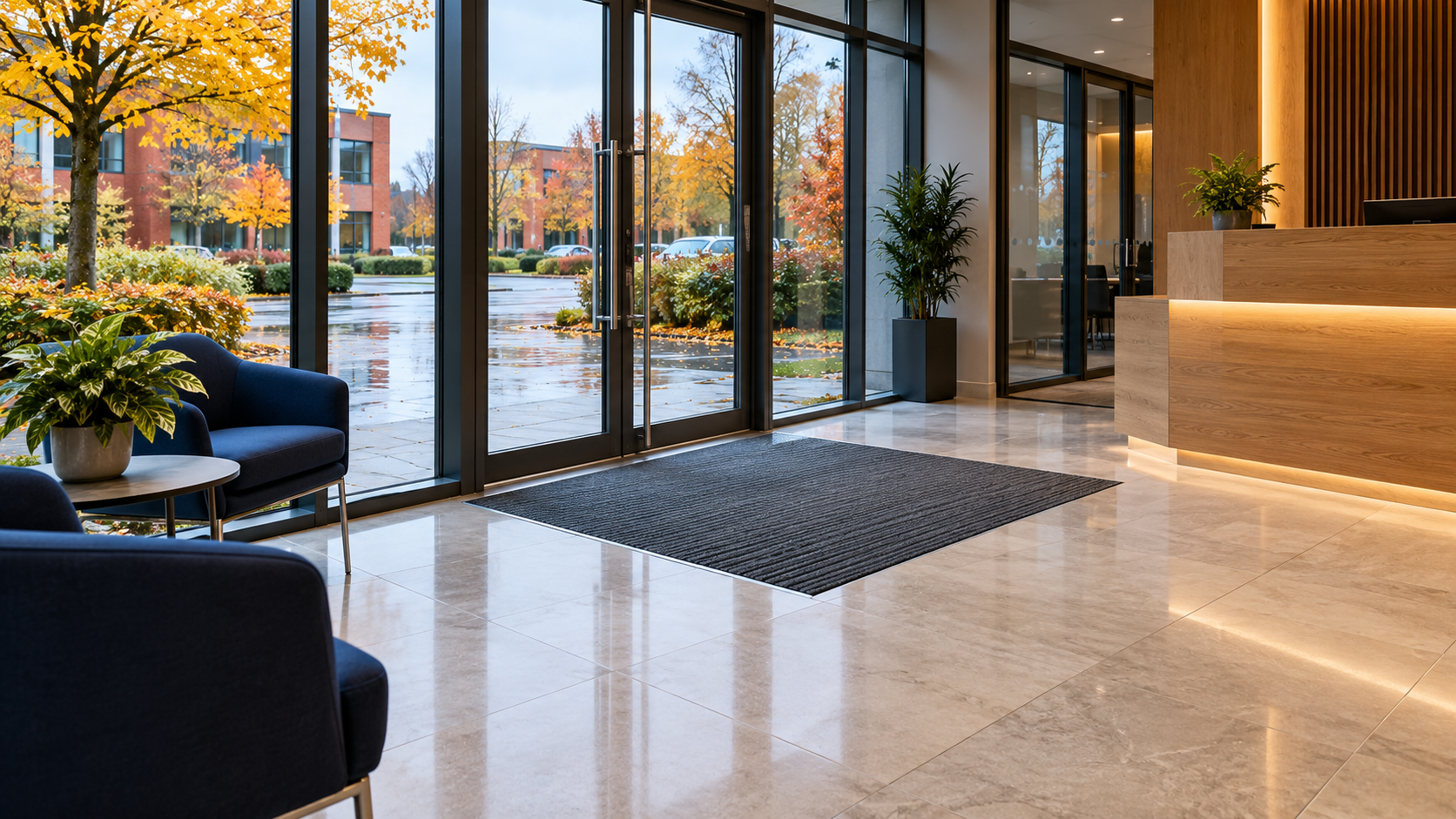
Entrance mats are useful only when their condition and position are considered alongside the adjoining flooring. A mat that is already loaded with soil may allow debris to travel further into the office. Ask how the mat, the surrounding hard floor and the first carpeted area will be treated within the proposed routine. Wet weather can change the priorities at the entrance without changing the needs of the rest of the office. Report recurring damp patches or damaged flooring so the building manager can investigate their cause.
Hard floors, carpet tiles and fitted carpet should not be treated as interchangeable surfaces. Identify materials where possible and flag unknown finishes, loose edges or previous damage during the survey. The objective is an appropriate routine, safe movement through the premises and a clear route for reporting defects, rather than assuming that every visible mark can be removed by ordinary cleaning.

Make workstation cleaning compatible with paperwork and equipment
Desk areas often create the greatest gap between a client’s expectations and what a cleaner can reasonably reach. A surface covered in files, personal belongings and connected devices leaves little space for an effective wipe. Agree a clear desk arrangement that suits your organisation, identifying what staff should put away and which objects should remain untouched. That arrangement is particularly useful in a mixed office where some employees have permanent desks and others use whichever station is available. The cleaning plan should reflect both types of use.
Paperwork needs an explicit boundary. A cleaner should not have to decide whether a document is confidential, finished with, or waiting for approval. Provide a separate process for confidential material and keep it distinct from ordinary recycling. Similarly, establish expectations for monitors, keyboards, docking stations and cables before including them in any specification. Equipment manufacturers’ guidance and your own IT procedures may limit which products or methods are suitable. Moving a device or disconnecting a lead should never be assumed to form part of routine desk cleaning.
Look beyond the central desktop to the chair base, accessible partition ledges and the space beneath the desk. These areas can be missed when the whole workstation is treated as one task. A useful schedule separates frequently used touchpoints from less frequent detail work. Staff then know how to prepare their stations, and the agreed cleaning time can be directed at accessible surfaces instead of repeated rearrangement.
Treat a compact kitchen as a working area with several separate tasks
A small tea point can carry a surprising workload when everyone uses it at similar times. Cups, food preparation, drink spills and waste each create different cleaning needs. Start by separating responsibility for staff washing up from responsibility for cleaning the sink, worktop, splashback and cupboard fronts. If the expected condition at the end of the day is unclear, a cleaner may arrive to find a sink full of crockery and no access to the surfaces included in the schedule. A simple staff notice can make the handover much more reliable.
Appliance cleaning also needs definition. Wiping the outside of a microwave is a different task from cleaning its interior, and neither implies emptying a refrigerator. Agree what should happen to food, containers and removable shelves before scheduling internal appliance work. Include any restrictions on switching off equipment. The same principle applies to a coffee machine: the office’s own operating and maintenance instructions should govern its care, rather than treating it as an ordinary worktop accessory.
Waste arrangements influence the kitchen routine as much as cleaning products do. Identify separate food waste or recycling containers where these are used, the agreed collection point and who supplies replacement liners. Discuss how overspill will be reported when a bin reaches capacity before the next scheduled visit. A practical kitchen specification follows the room’s actual use and gives staff a clear part to play between visits.
Define washroom responsibilities in shared and private accommodation
Before discussing washroom frequency, establish who controls the facilities. A private office washroom may fall within your contract, while a corridor washroom shared with neighbouring occupiers may be managed separately. Ask the landlord or managing agent where responsibility sits and put the answer into the cleaning scope. This avoids both duplicated work and the more serious problem of everyone assuming another party is responsible. Include staff facilities on a different floor if your team uses them and your organisation is expected to maintain them.
A washroom schedule should identify the fixtures, touchpoints, floor and accessible surfaces to be addressed. It should also distinguish cleaning from replenishment and specialist servicing. Checking a dispenser does not necessarily include supplying its contents; emptying an ordinary bin does not establish arrangements for every other waste stream. Our washroom services page is a useful starting point for discussing additional requirements alongside office cleaning. Confirm precisely which elements would be included in the proposal for your building.
The reporting process matters here. A leaking tap, a dispenser that repeatedly jams or a damaged seal may remain a problem after the room is cleaned. Nominate a contact for these observations and agree how urgent defects should be raised. Effective maintenance information allows the responsible person to act, while a cleaning checklist records the tasks that were actually within the agreed service.
Plan cleaning access when rooms remain in use
An office does not need to close completely for every cleaning task, but access has to be considered room by room. Some activities may fit around desk work, while a narrow corridor, a private consultation or a scheduled meeting may make the same approach unsuitable elsewhere. Discuss the times when each area becomes available rather than choosing a visit solely by the building’s opening hours. If staff work flexible patterns, the person arranging the service should check how those patterns differ across the week.
Where an early or later visit is proposed, describe the complete entry and exit process. This may involve a named keyholder, a reception team, an alarm procedure or a shared entrance controlled by another occupier. Any arrangement needs agreement; availability should not be inferred from a preferred time entered on an enquiry form. Identify where cleaning equipment can be stored and whether water, power and suitable disposal points will be accessible during the proposed visit. These details affect the practical sequence of the work.
Also plan for exceptions. A late meeting, a visitor event or an access fault can prevent a room being cleaned at the expected time. Agree who should be informed, how the missed area will be recorded and how any alternative arrangement will be discussed. A clear exception process is more useful than an unrealistic assumption that every visit will find the building empty and every room available.
Keep meeting rooms and visitor spaces ready without disrupting bookings
Meeting spaces need a specification that recognises how they are handed over. One room may be used for brief internal calls, another for lengthy appointments with visitors. Both may need clean surfaces, but their waste, seating and presentation requirements can differ considerably. Record whether cleaning is intended to happen at the end of the day, before an agreed opening time or at another confirmed point. A cleaning visit is not automatically an on demand room reset between every booking, so clarify what staff will do during the working day.
Tables should be left accessible, and any items that must remain in a fixed position should be identified. Displays, conferencing equipment and written notes require their own boundaries. If a whiteboard contains information that should be retained, staff need a dependable way of marking that instruction. Conversely, erasing a board should be an agreed task, not a judgement made from whether the writing appears old. Similar care applies to sample products, presentation materials and visitor paperwork left on a table.
A waiting area can be assessed separately from the meeting room behind it. Consider the entrance glass, accessible furniture surfaces and flooring along the visitor route. If upholstered seating needs attention beyond the ordinary routine, discuss the material and the nature of the issue before adding a treatment. Presentable visitor spaces depend on clear ownership of the everyday reset as well as an appropriate cleaning schedule.
Separate routine floor care from planned carpet work
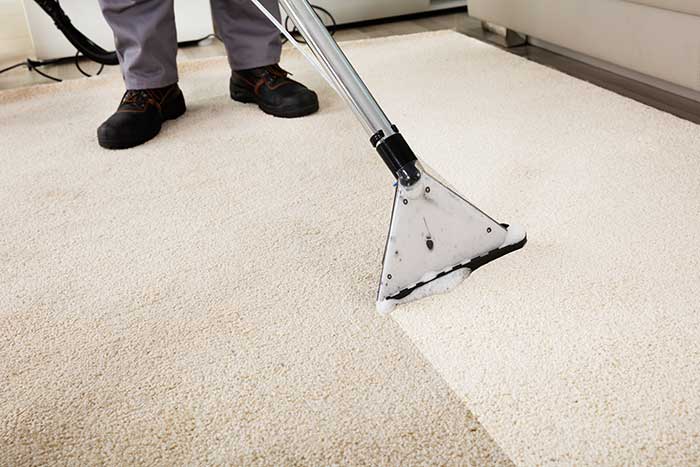
Regular vacuuming and a periodic carpet treatment have different purposes. Routine work deals with accessible surface soil within the agreed visit, while a more detailed treatment may require furniture decisions, a longer access window and time before normal use resumes. These should be discussed separately. A stain in a walkway, a mark below a desk and widespread dullness across an area can have different causes, so a photograph alone may not be enough to select the right approach or judge the likely result.
Our commercial carpet cleaning London information can help you frame a separate enquiry. Explain what the carpet is made from if known, whether previous treatments have been used, and which areas are affected. Include any restrictions on moving desks, chairs or storage units. If the premises have multiple floor types, label them clearly on the plan. This makes it easier to distinguish the routine schedule from a specific additional piece of work.
Drying and reoccupation deserve as much attention as the cleaning itself. Ask what access would be needed and how that relates to your working hours before committing to a date. No treatment should be described as suitable for every carpet or guaranteed to remove every mark. A useful assessment considers the material, condition and operational constraints, then explains the proposed scope and any limitations that affect the expected outcome.
Give ordinary waste and confidential material different routes
Waste handling becomes more dependable when the process is simple enough for everyone to follow. Identify the containers inside the office, the agreed route to the collection area and the party responsible for the final collection. If the collection point is shared, check any building rules about access and where bags may be left. The office cleaning specification should describe the movement that is actually required, rather than using a broad phrase such as waste removal without saying where the responsibility ends.
Confidential paperwork needs a distinct arrangement. A locked console, a separate collection service or an internal shredding process should not be confused with ordinary office recycling. Staff should know which route to use, and cleaners should have clear instructions about containers they must not open or empty. The same care applies to specialist waste and unwanted electrical equipment. Do not assume that a routine office cleaning visit includes disposal of these items simply because they are stored beside a general bin.
Capacity is another practical issue. A small office can produce more packaging after a delivery or more food waste after a meeting than its usual bin arrangement allows. Decide who will report this and how temporary changes should be requested. Clear waste instructions support the agreed routine, help keep access routes clear and reduce the chance of unidentified bags being left in a corridor for someone else to resolve.
Use a simple specification to compare cleaning proposals fairly
A meaningful comparison begins with the same information being supplied to each provider. List the rooms, floor materials, approximate use and requested frequency, then identify any additional tasks that should be priced separately. A figure without that context is difficult to assess. One proposal may include a defined washroom supply arrangement, while another may cover cleaning only. One may allow for accessible detail work, while another may assume a shorter surface routine. The difference becomes visible only when the scope is written down.
Be specific about the outcome you want without prescribing a method for materials you have not identified. For example, record the area that needs attention, how it is used and what restrictions apply. Then ask the provider to explain the proposed approach. Include storage arrangements, access windows and any known building rules. Our commercial cleaners London page may also be relevant if the premises include areas beyond a conventional office suite, but those areas still need to be described individually.
Ask how a proposed schedule would be reviewed if your occupation changes. Taking another room, changing the number of office days or altering visitor arrangements can make an old specification less useful. A clear proposal should give both parties a common reference for future discussions. It should not rely on an informal understanding that every additional task can be absorbed without checking its time, materials or access implications.
Review standards through specific observations and useful records
Cleaning feedback is easier to act on when it identifies a place, a condition and a time. Instead of reporting that the office did not look right, describe the room and the surface involved, and note whether it was available during the visit. Photographs can be helpful when they are appropriate and do not expose confidential information. A short, factual record gives the responsible contact something concrete to review and helps distinguish an isolated missed task from an access problem or a recurring issue with the specification.
Agree a manageable way of passing on observations. It might be a nominated office contact who collects staff feedback rather than several people issuing conflicting instructions. Any change to the scope should follow the agreed process, especially where it affects visit length, supplies or specialist work. Day to day observations and contractual changes are different matters, and keeping them clear helps prevent expectations drifting away from what was originally discussed.
Periodic review should consider the building as it is now. A room used for storage may become a busy office, a formerly quiet area may receive visitors, or a kitchen may be used by a larger team. These changes do not automatically mean that the original cleaning was inadequate; they may mean that the original schedule no longer describes the premises. Reviewing real use creates a better basis for adjusting priorities and discussing a revised proposal.

Arrange a Friern Barnet enquiry with the right information to hand
Before contacting Complete Clean Management, gather a few practical details about your workplace. The full premises address, the number and type of rooms, the areas you control and the days the office is occupied are more useful than a vague request for a standard package. Add any access restrictions, the preferred times for a discussion and the tasks that currently cause difficulty. If you are replacing an existing arrangement, explain the change you want to achieve without assuming that every historic task needs to remain unchanged.
Organisations responsible for more than one nearby workplace can also refer to our guides for East Finchley, East Barnet and Bounds Green. Each premises still needs its own scope, even if you would prefer one point of contact. Compare access, facilities and use across the buildings so that a shared management approach does not conceal different cleaning needs. The wider London office cleaning service page provides the parent overview.
Use the telephone buttons on this page to call the London number, or send the details through the existing contact page. Explain any preferred start date as a request to discuss, rather than assuming availability or a fixed mobilisation period. A useful first conversation establishes what needs assessing, which information is missing and how a proposal can be developed around the actual Friern Barnet workplace.
Frequently asked questions about office cleaners in Friern Barnet
Can our Friern Barnet office specify only the rooms we are responsible for?
Yes, the enquiry should identify the precise areas you want considered. Mark private rooms, shared corridors and landlord controlled facilities separately, then confirm the boundary with the relevant building contact. The resulting proposal should name the included areas rather than relying on the postal address to imply that the whole property is covered. This is especially useful where a business occupies a suite within a larger building.
How should we prepare desks if staff keep active files on them?
Agree an accessible surface arrangement that preserves your working process. Staff can store files in a designated place or identify a clear part of the desk, while confidential and live paperwork remains outside the cleaner’s decision making. Confirm the treatment of equipment separately. A written desk instruction helps the cleaning plan remain practical without asking someone unfamiliar with a file to move it, discard it or decide whether it is still needed.
Does a kitchen cleaning request include emptying the fridge?
Fridge interiors should be discussed as a separate defined task. Establish who removes food, what can be discarded, whether shelves can be taken out and when the appliance will be accessible. A request to clean the kitchen should not leave these decisions implied. The routine scope can describe worktops, sink and agreed external surfaces, with any internal appliance work listed at its own frequency and under suitable preparation instructions.
Can a visit be planned around a meeting that finishes late?
Tell the team which rooms remain in use and the times that are being requested. Any workable sequence and access window would need to be agreed for your premises. Also identify the person who can report a booking change or unavailable room. Planning for that exception is useful because a later meeting may affect entry, alarm setting or the order of work, rather than simply postponing one isolated task.
What information helps when discussing a mark on our carpet?
Describe the location, how long the mark has been present and anything known about its cause or previous treatment. State the carpet material if you have that information and explain any restrictions on furniture movement or room closure. A photograph can support the discussion, but it does not establish that every stain can be removed. The condition and material should inform any proposed treatment and the expectations attached to it.
Should our office cleaning schedule include the shared staircase?
Include it in the discussion only after checking who is responsible for it. A shared staircase may be covered by a landlord or managing agent’s arrangement, or your business may have a defined obligation. Record the answer and the specific extent of any proposed work, including landings if relevant. The private office schedule and a communal area schedule should fit together without assuming that one automatically includes the other.
How can we explain changing office attendance without overcomplicating the enquiry?
Give a simple weekly pattern and identify the spaces that stay busy even on quieter days. A small table of occupied days, visitor appointments and kitchen use can be enough to start. Explain whether this is a settled pattern or a trial arrangement. The aim is to describe the likely workload so a proposed routine can be discussed sensibly, with a review if actual use later differs from your initial estimate.
Where can we discuss cleaning across Friern Barnet and another London office?
Start with the existing contact page or call 0203 092 2297 and provide the address and requirements for each building. The office cleaners London page provides the wider service overview. Separate specifications remain useful even where you want coordinated communication, because access, materials, shared facilities and occupation can differ between sites. Ask how those details would be reflected in a proposal rather than assuming identical routines for every address.
Turn your cleaning priorities into a clear next step
A well prepared enquiry does not need to be a lengthy technical document. A concise room list, the main concerns and an honest description of access will give the discussion a useful starting point. If something is uncertain, label it as a question. It is better to clarify a shared washroom or an unidentified floor finish than to build a proposal around an assumption that later proves wrong.
Bring the people who understand the building into the conversation where necessary. An office manager may know the daily routine, while a landlord or facilities contact may control access, waste storage or maintenance. Their information can help distinguish cleaning tasks from repairs and clarify responsibilities before the service scope is agreed.
Complete Clean Management can discuss your Friern Barnet office cleaning requirements through the existing enquiry route. Use the quote button to send your details or call the London number below. Explain the result you want, the areas involved and any dates that matter, so the next step is grounded in your workplace rather than a generic assumption about how an office should operate.
Clients we service
Organisations featured across Complete Clean Management’s client portfolio.
















GOOGLE CUSTOMER REVIEWS
What our customers say on Google
Selected review excerpts from Complete Clean Management’s London Google listing.
★★★★★
“Really happy with the deep clean! The team were friendly, professional and did a fantastic job.”
★★★★★
“We engaged with Complete Clean Management and they came in and did an absolutely fantastic job.”
★★★★★
“We have recently started to use Complete Clean Management for various cleaning services to our domestic and commercial renovation projects.”
★★★★★
“The team is punctual, professional, and pays great attention to detail.”
★★★★★
“We’ve been using this office cleaning service for several months, and it’s been outstanding.”
★★★★★
“Complete Clean Management has transformed the cleanliness of our workspace.”
Selected excerpts, checked 6 November 2026. Leave a Google review ↗