
Complete Clean Management · East London
Office Cleaners Gants Hill
Professional office cleaning tailored to your premises, working hours and priorities.
Request a free quote Call 0203 092 2297

Explain which approach to Gants Hill your office uses
Someone arriving for an appointment may navigate to Gants Hill station or the roundabout, while someone carrying equipment needs the actual door of the building. When you write a cleaning brief, explain which side of the junction the office occupies, which road its front door faces and whether a service approach leads somewhere different. The Redbridge travel guide identifies the A12 route through Gants Hill and the neighbouring areas. Give site-specific directions for the final part of the trip, including which door is used before reception opens.
An office on an upper floor may have a lift reached only from one entrance. A ground floor unit may have a loading point around the corner from its sign. It is worth asking the building contact to show both routes at the time the cleaner is likely to arrive. Record when a lift or gate goes out of service and who can authorise an alternative. A short visit with a bag of supplies and a visit involving specialist floor equipment could need two different plans.
Make the access instructions specific enough for relief cover. Give a building identifier, a contact, the door and the point beyond which the cleaner needs an escort. Note which route is shared with other occupiers and where tools can be set down. If your address includes an office number that does not appear outside, add the name or marking to look for on arrival. A route that works for people who have used it for years may still be hard to follow when the usual keyholder is on holiday.
Account for the traffic-facing threshold
A door opening onto a route used by people crossing between station exits, shops and offices can pick up dirt quite differently from a door in a rear courtyard. Inspect the join at the threshold, the edges of a fitted mat and the first point where people change direction. That last spot can collect grit even if the front of the mat seems to be doing its job. A regular plan can identify where grit is removed first and what the cleaner should report about water, uneven edges or a mat that shifts after heavy use.
Decide where the building manager and the tenant divide responsibility. A concierge may cover the outside of an entrance door while a tenant cleaner deals with the mat inside an office suite. On windy days a common stair may be more exposed than a private hallway. When a corridor joins several offices, set out how hazards on the common route are reported and where equipment should wait during a pass. A list of individual surfaces is useful if the building receives a separate communal clean.
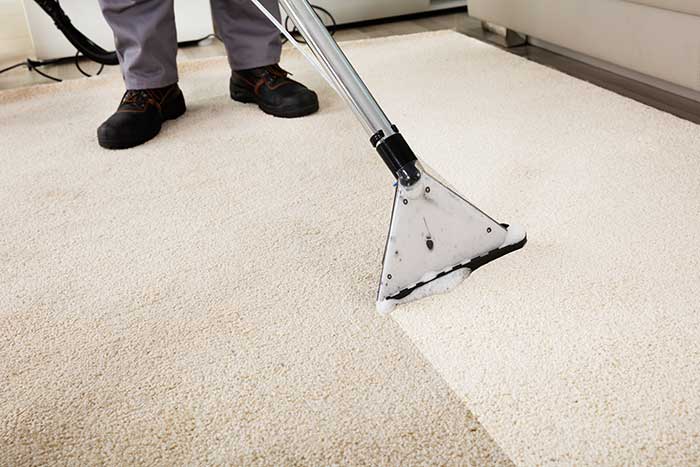
For carpet beyond the threshold, note what can be removed by the normal vacuum and what returns. A mark under a waiting chair may respond to one treatment, while a worn strip between the lift and the reception counter needs its own assessment. Ask about commercial carpet care and identify the room that can be closed first. Keep routine vacuuming and periodic work separately priced so the manager can see which part of the schedule addresses each problem.

Coordinate a shared lift with the other evening jobs
A lift can turn into the busiest part of a small commercial building after the public doors close. It may be used by staff going home, a contractor taking waste out and another tenant receiving a last delivery. A cleaning plan can reduce repeated journeys by deciding which supplies are needed on each floor and whether any equipment may be stored securely. Time a complete trip with the lift in normal use. If the building has a goods or service lift, ask whether it is available to the office and when it may be booked.
Include the space used while waiting. The landing outside the lift might be where other people turn or where a fire door needs to close. Ask the property contact to show an approved stopping point. Agree which floor buttons, handles and surrounding glass are part of the office scope, since a common lift may be covered elsewhere. When bringing equipment back down, choose a route that separates it from clean supplies and any occupied reception areas if the layout allows.
Keep an alternative for the day the lift is out. Decide which work is safe and practical to reach by stairs with a small kit. Record any jobs that must be rearranged for another visit and who informs the building contact. Include this in the induction rather than relying on a cleaner to invent a route when the lift fails. If the visit starts on a different floor after a delay, agree which time-sensitive room still needs to be ready first.
Make private appointments and open reception work together
A Gants Hill office may use a reception desk, an adjoining waiting area and a separate room for confidential or detailed discussions. People can leave one room at different times even when their appointments finish at the same hour. Put each room on the schedule with a signal for when it has been released. This could be a diary status or a message from reception. A door left ajar can mean someone has stepped out briefly. The person doing the work needs a clear way to know when access is agreed.
Identify the parts of the reception space in constant use and the parts with a short window. The inside of a door pull and the public side of the counter are easy to describe by location. Pens, clipboards, access passes and items left for collection need an owner before they are moved. Decide how the next person on the desk can see whether the shared area has been reset. That matters when reception changes staff in the middle of the day and no one saw the work take place.
A plan for appointment rooms should include storage for documents and personal property, permission to move chairs and an agreed process for a spill. When a room stays in use, identify a second task that fits the available time. If two small sites are managed together, a nearby Ilford office might use the same standards for a room handback while keeping its own diary and access contacts. Explain which items need to be completed before the first booking at each address.

Plan quiet tasks for offices used beyond reception hours
Offices around Cranbrook Road or Eastern Avenue may have staff finishing a call after the main door is locked. Work out how sound travels between a meeting room and an adjacent open area. A conversation inside a glazed room may still be disrupted by a vacuum outside the door. Ask which tasks can go ahead on the other side of the floor, and which should wait for a time when the room is empty. Provide an agreed person to say when the room is free rather than asking someone to guess from the light being on or off.
Check how the building sounds after other occupiers have left. The closing of a main entrance or the movement of a trolley over a threshold may become much more noticeable. Test where tools are unpacked and where a noisy task can be completed early in the visit. Give the cleaner a practical order of rooms. Mark any special days when the order is likely to change because of training, late bookings or an early-morning meeting. A short weekly calendar works well if staff update it when they make a booking.
Set the closing routine at the same time. Decide who checks the rooms, who secures the final door and whether other tenants are allowed to be present during that process. Keep access credentials in the system approved by the property manager. Include a route for reporting a failed latch or a problem with the alarm. A completed visit should leave the office ready for its next use and the parts of the building covered by the agreed security instructions in their correct state.
Specify washing points by fixture and floor
Write down which washroom facilities serve each floor and whether visitors use the same ones as staff. If the office has one private facility and another reached through a common lobby, ask who orders supplies for both. A box under the sink can belong to a different occupier or contain a refill that fits only one dispenser. Set a clear shelf or cupboard position for stock and describe what a cleaner should count or report. A small note for each fixture can prevent a run of low stock turning into repeated emergency orders.
Some offices have a washroom with busy peaks around appointments and long periods of little use. Judge demand at the busiest point and compare it with the hours until the next visit. Identify which fixtures are particularly prone to being empty and which need the building manager to check a recurring fault. Add enough detail to a fault report to find the right cubicle or floor. A badly working dispenser and a supply that has run out may look similar to someone arriving briefly. They need different action from the office.
If you are arranging refills or other provision, review the established washroom services page and describe the exact fixtures and responsibility split. Discuss a suitable window for more detailed work, especially if a single room serves the whole office. Check whether supplies can reach it without being stacked on the landing. A stock delivery and a cleaner’s ordinary visit use different amounts of space. Arrange both in a way that keeps the route usable for staff and visitors.
Agree the path from desks to an allocated waste store
Walk the waste route with someone who knows both the office and the building. Start where people use a bin, and finish at the correct containers for the business. If the store is shared, record the label that identifies the correct container and check who holds the key. The door may be open during the day and locked before the end of the cleaning visit. Ask where material can be kept inside the office if the store is inaccessible and who takes responsibility for the next move. Give staff a contact if a collection is missed.
Make the office's approach to separate materials clear. Paper intended for secure handling should be identifiable even when the person who normally deals with it is away. Boxes or deliveries may contain material still in use. Agree which items people will mark as empty and where they leave them. In a narrow suite, find a place that avoids a pile on the corridor or the space in front of a door. A simple set of instructions at the bin point can reduce the judgement required from a cleaner near closing time.
Redbridge’s street enforcement guidance includes information on keeping trade waste separate from household waste facilities. Use that guidance and your provider’s instructions when deciding how the business handles collection. Make it clear which job ends at the internal store and which involves someone putting waste out for the provider. If the same person manages a Gants Hill and an Ilford property, label the arrangements by address so changes at one building do not get applied to the other.
Use the room sequence to improve kitchenette cleaning
In an office above street-level premises, a kitchenette can be the first room people use and the last one staff are willing to give up. Note which appliances are in use during the day and where cups, cutlery and food are stored. Explain which parts of a machine can be cleaned without moving it and what should be reported to the staff member responsible for it. Where a counter is also used for parcels or a visitor drinks tray, identify the place where things can be put aside so the surface is accessible.
A brief should say how the room looks before it is handed to the cleaner and what the team expects when it is returned. If staff clear food and load a dishwasher, give them a deadline and a fallback for late meetings. State who wipes inside a microwave, clears crumbs from under an agreed appliance and checks a fridge for spills. Name any shelves or personal storage that should be left as found. When cupboard handles are used frequently but some shelves stay clear, treat them as separate jobs with separate frequencies.
Observe the space after the longest usual break. Look for the surface that first gets crowded and where the next person goes when it is full. A small change to the location of the drying rack, spare bin or supplies can clear a surface that the cleaner currently has to work around. Review whether the new arrangement actually gives enough time for cleaning before the next meeting. That offers a useful measure of improvement without changing the rota blindly.
Decide what changes when a second occupier takes space
When space is sublet or another team starts working from a few rooms, day-to-day responsibilities can change even if the lease and floor plan look familiar. Begin with a list of areas that change hands and the date the change takes effect. Decide who briefs the cleaner about new room names and who approves a change to access. Mark common surfaces such as a door control panel or the part of the stair serving both businesses. If both teams expect a service in the same place, agree who raises an issue and how the result is checked.
Look at which parts of the old cleaning routine will survive the change. A room once used for filing may become a daily workroom. A former meeting room may now contain locked cupboards or equipment that remains powered on. Give the cleaner a way to ask whether the room can be entered on a particular day and how to confirm the agreed boundaries. Add a visit with the new occupier present before the usual evening routine begins. A staff member can explain what needs to stay accessible and where the office’s furniture can safely be moved.
Use the commercial cleaning service overview if the changes extend beyond desk areas. Break the request into the normal suite, shared areas and any changeover work. Where the landlord covers one area, retain that line in the scope with its owner instead of leaving a gap in the map. This lets the site contact compare a revised quote with the original on the basis of exactly what has changed. Give both occupiers a copy of the agreed division and name the person who will review it after the first month of shared use.
Stage carpet and hard-floor work around the return to use
Ask when the floor needs to be safe and clear again before picking the hour to start. A space may be empty after the last appointment, then needed early for a member of staff who opens up. A corridor connecting two offices might remain the only route to a washroom. Identify the area that can be closed and the walking routes that must remain available. If the layout makes this difficult, discuss working in sections at different times and make sure staff know which section is unavailable.
Show the estimator any marked edges, joins or recent repairs. Light reflected from a large window can make wear look different from different positions. Take a baseline record of significant marks and identify whether a darker patch follows regular foot traffic or appeared after a spill. An area where a machine is regularly rolled out can have damage that a clean cannot repair. Agree who is going to make room for the work and whether anything needs moving back before the floor is checked.
If equipment needs to come in off Cranbrook Road, use Redbridge’s car parks and on-street parking information to plan the site visit and confirm local signage when you get there. It can help the office decide which entrance is practical for a walkthrough. For the actual work, confirm the approved unloading point, distance to the office and contact who can open the door. Put those arrangements on the booking separately from the details of the floor treatment.
Check the result with a walk from the arrival door
Choose a route that a first visitor or member of staff genuinely uses. Start outside the door the person would enter, then follow the path to reception, a desk or meeting room. Along the way record a small number of clear observations. The waiting table may be available, the walking route clear and the nearest washroom stocked. Tell the person carrying out the review what they should see and when they should see it. A check five minutes after a routine clean measures something different from a check after a day of repeated visits.
Compare results when traffic and occupancy change. A heavy intake of appointments might justify more time in the waiting area. A single mark recorded only in strong morning light could be related to the floor finish or past damage. Record whether the reported issue returns, who owns it and what action has been agreed. Use room names and positions rather than broad statements about an entire office. A handover can then direct the next person to the exact surface or fixture to check.
For teams comparing several buildings, use a shared inspection format and keep the route local. A site in Redbridge can have a different communal entrance or washroom boundary from the Gants Hill suite even if one team coordinates both. Retain the scope and the first inspection notes as a baseline for judging a change. This also helps when staff request a new task, because they can see whether it was already included and when it was meant to be done.
Build the quote around times, boundaries and materials
Send the full address, room list, workdays and earliest reliable arrival time for your Gants Hill office. Mark stairs, lift access and facilities that must be reached through another occupier’s area. Provide the floor materials and note which reception, kitchenette and washroom tasks you want quoted. If there is a concern about access, give the time and conditions when you noticed it. A schedule can then be based on real doors, people and rooms instead of a nominal floor area alone.
Ask for the price and scope of normal visits separately from any initial reset, periodic floor work or refills. Say which routine outcomes matter each morning and give an example of a particularly busy day. Explain what happens when the normal appointment or keyholder changes. You can add photos of an unoccupied room if your building and office rules allow them. They help show where surfaces, movable furniture and walking routes meet, although a walkthrough is still useful when access or flooring is unclear.
Record the date you want to start, the person who can confirm access and when you will review the first few visits. If you also manage nearby premises, list them individually and use the London office cleaning directory to find the relevant areas. A shared enquiry can save correspondence, but each site still needs an agreed boundary and a realistic arrival routine. Ask which decisions the estimator needs from you before a schedule can be confirmed.

Questions about arranging office cleaning in Gants Hill
What directions should we provide for an office by Gants Hill roundabout?
Describe the actual door, the road it faces and the separate servicing route if there is one. Give the office floor and name visible from outside. Use Redbridge’s travel information for orientation, and include the person who can meet the cleaner if reception is shut.
How do we set a visit time if the Gants Hill office still has late calls?
Give the days when calls continue after the main doors lock. Show which rooms can be cleaned quietly and which need to wait. Agree a way to release a booked room and tell the cleaner which priority tasks may move to another visit if the agreed window disappears.
Who should include the shared lift and landing in the quote?
Check the landlord’s schedule and mark the boundary with the tenant’s area. Confirm whether the office cleaner needs access to the common route just to carry equipment or has an agreed task there. Use separate lines for the suite and shared elements so the decision stays clear if another tenant moves in.
What can we do about an entrance carpet that gets dirty near the station?
Look at the mat, the way people cross it and where the first marks appear beyond it. Check what regular vacuuming lifts and what remains when the surface is dry. Ask about periodic carpet cleaning where marks persist, giving the flooring material and the hours you can close the affected area.
Where should a contractor unload if the front office faces Cranbrook Road?
Ask the building contact to show the approved point and route to your office. Check current signs and whether another vehicle normally uses the space. Redbridge parking information can help with planning a visit. Confirm the actual loading permission for the equipment you expect to bring.
Can we keep the same inspection sheet for Gants Hill and Ilford?
Use common columns for the time checked, the condition observed and the person responsible. Give each office a separate list of rooms and visit windows. The Ilford office cleaning guide can support the second site brief. Agree which few outcomes matter most at each address.
How do we report a broken dispenser when the washroom is shared?
Use the floor or door number and identify the fixture, what went wrong and whether spare stock is available. Agree whether the office manager or landlord raises the repair. For any separate refill arrangement, explain the shared responsibilities when enquiring about washroom services.
What should we ask about before cleaning an office that has just changed tenants?
State when the outgoing team leaves and when the incoming team needs the room. Show any furniture or fittings that remain, plus the flooring condition and keys still controlled by the landlord. Separate the handback work from the recurring rota so both sides can see when each part ends.
Talk through your Gants Hill office cleaning brief
Describe your workrooms, access and the tasks you would like priced. For other sites, start with the London office cleaning guide.
Clients we service
Organisations featured across Complete Clean Management’s client portfolio.
















GOOGLE CUSTOMER REVIEWS
What our customers say on Google
Selected review excerpts from Complete Clean Management’s London Google listing.
★★★★★
“Really happy with the deep clean! The team were friendly, professional and did a fantastic job.”
★★★★★
“We engaged with Complete Clean Management and they came in and did an absolutely fantastic job.”
★★★★★
“We have recently started to use Complete Clean Management for various cleaning services to our domestic and commercial renovation projects.”
★★★★★
“The team is punctual, professional, and pays great attention to detail.”
★★★★★
“We’ve been using this office cleaning service for several months, and it’s been outstanding.”
★★★★★
“Complete Clean Management has transformed the cleanliness of our workspace.”
Selected excerpts, checked 6 November 2026. Leave a Google review ↗






