
Complete Clean Management · East London
Office Cleaners Gidea Park
Professional office cleaning tailored to your premises, working hours and priorities.
Request a free quote Call 0203 092 2297

Describe the building as well as its Gidea Park address
For a Gidea Park cleaning estimate, describe whether your office is one suite, several connected rooms or a converted building with workspaces on different levels. Havering’s Gidea Park conservation area appraisal describes commercial premises along Main Road and near the railway station on Balgores Lane. Its discussion of the mix of building ages is a useful reason to check your own materials and layout before adopting a generic office specification. A main-road office and a suite reached off a side passage may share a postal district and still have very different routes and finishes.
Make a list of how staff use the space on a normal day. A former front room may serve as a reception for scheduled visits, while a room behind it may contain only desks and equipment. A wide hall may carry both visitors and deliveries even though the rooms off it are quiet. Note which parts a member of the public sees, and which parts matter to staff immediately before opening. Include any places that are off limits without an escort. Draw the visitor route separately from the route used to take supplies or waste through the building.
When the office is part of a larger property, ask the managing contact to check the outline. Make sure they agree where the tenant’s work begins and which fixtures belong to the building as a whole. Walk through it with a member of staff who opens up regularly. That person can often identify a sticking door or crowded storage point that is missing from a plan drawn for leasing purposes.
Choose a realistic route near Station Road or Balgores Lane
Start with the exact doorway and the name on the bell. The station is listed on Station Road by Transport for London. Use that as a point of orientation if it helps, then give the route to your unit and explain whether the public entrance is suitable for equipment. A space near the station may be easy to reach with a small bag and much harder to reach with a machine. Check where parking, unloading and passing on the approach actually work before assuming the same routine will suit every task.
If a rear entrance has to be unlocked from inside, arrange who meets the cleaner and how that person will know they have arrived. Make a note of any step, ramp or change in level where access becomes difficult with equipment. A shared gate can have different arrangements after a neighbouring business closes. Arrange a fallback for late visits that gives a cleaner a place to wait without blocking a pavement or driveway. A phone number for the actual duty contact is more useful than the name of someone who is rarely at that address.
Havering’s car parks directory includes a Gidea Park section. Use it to plan a visit and confirm the current local signage for the area where you expect a vehicle. Check whether the office can authorise a loading point and who will open the way from that point. Write down two routes if the plan for occasional floor work differs from a regular cleaning visit.

Set a care plan for floors that have changed over time
In a converted building or an office that has expanded into a neighbouring room, the same floor can contain patches installed at different times. A threshold might be timber, the main room carpet and the kitchenette resilient flooring. The surface behind a closed door may have been replaced while the corridor kept its original finish. Walk the site with someone who knows when repairs were done, and ask which products have been used. A written note can prevent a cleaner from taking one product through all rooms when the finishes require different care.
Show where sunlight changes how marks appear. Scratches near a front window can look darker in the morning, while loose particles around a mat are better assessed from closer up. Make a note of defects that are already present and agree who tells the property manager when the condition changes. If furniture is normally moved for a meeting, include the wear line under chair legs and the point where wheels travel between rooms. An occasional intensive treatment may need a different finish standard from the dry routine at the start of each week.
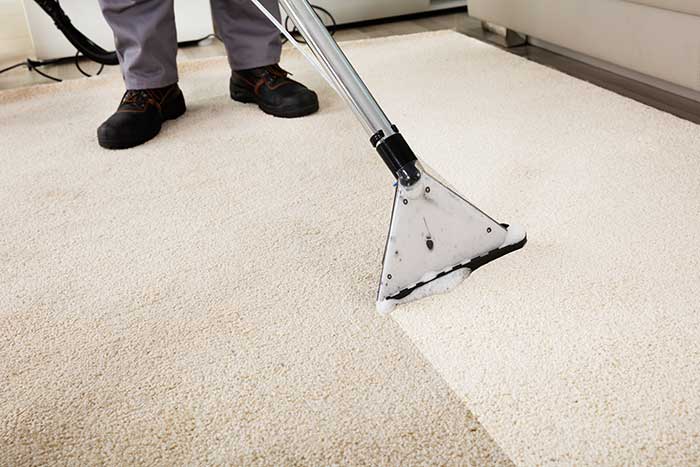
If the textile floor needs separate work, describe its age, backing or condition where known and ask about the commercial carpet cleaning service. Give the estimator a sample area that represents the issue and say whether another room could be used while the work is under way. Allow time to check the floor and return furniture after the treatment, especially if the office has an early booking. Keep a record of any areas that need further assessment.
Keep older fittings and modern replacements on separate lists
The windows, skirting and doors in an older Gidea Park property can include a mix of original and replacement components. When setting the routine, explain which surfaces staff want dusted or wiped and flag finishes that need an agreed method. If paint or a seal is already failing, make that clear to the person estimating the work. Look for early signs of damage during checks so they can be reported to the owner. Treat repairing a surface as a distinct job with its own decision maker.
A door with a bright metal pull, a painted frame and an internal glass panel can need three different tasks. Record where fingerprints collect and where people brush past. Do the same at stairs and window reveals. A clean ledge is helpful if the staff use it for a printer or office supplies. Where a surface is hidden behind furniture, ask how it can be reached before including it in the routine. Clarify whether a window sill can be cleared by the cleaner or has items staff should move first.
Check the conditions at the top and bottom of the building. A ground-floor door may collect rainwater, while an upper room can accumulate dry dust on a deeper shelf. Keep a separate rotation for details such as a low dado or a reachable vent cover if they are within scope. Ask the property contact which parts of a window or fitting can be cleaned from the inside and whether anything outside is handled under a separate contract. Recording the exact surface gives both sides something specific to review. During the first inspection, look at a few of the same fittings again in ordinary working light. Agree which blemishes are a record of the building’s previous use and which are residue that can be addressed within the schedule. That distinction gives staff a reliable baseline when they report something new.
Use the stair as a clue to where work takes longer
Some small offices can be reached only by a single flight. Time how long a normal trip takes with a kit and see where staff are likely to pass. A bend or narrow landing can make two trips with smaller loads more practical than carrying everything in one go. A lightweight kit stored on the upper floor can save time if the site has a suitable lockable cupboard. Check who has permission to use it and how stock can be carried up when a delivery arrives.
A stair itself can be a private route inside the suite or a shared route to several doors. Name the steps and landings in the specification and confirm who handles each part. Discuss the floor finish, handrail and walls at the turns. If a wet method is to be used, agree how people reach rooms safely while the floor dries. In an office with a single stair, an appointment on an upper floor may affect when that work can take place. Explain which route must always remain clear and when a building contact needs to be present.
When comparing with an office in Romford, keep the travel between rooms visible in the Gidea Park quote. The same total area on a single level can take a different amount of time to service. Show which equipment is ordinarily used for the stair and identify periodic tasks that need additional access planning. An estimator can then discuss a schedule that reflects the actual property instead of adding an unexplained allowance for difficult access.
Fit the cleaning around an office with a short public day
An office that opens only for booked visits may spend more hours doing back-office work than receiving the public. Ask the person who runs the diary when the first visitor arrives and what the room is used for before then. A reception reset may need to take place earlier than the last few desk tasks. On days without visitors, that room may need less attention than the printer space or the kitchen. Give the cleaner a reliable way to see which kind of day is coming without sharing sensitive booking details.
Take a close look at where visitors put a wet coat or bag, where they reach for a chair and where they wait to be called. Decide how the room is handed back after a session. If a table holds documents for an appointment, staff need a place to move them before it can be wiped. Agree who does that and where items should go. A clean on an ordinary evening should have a clear boundary between furniture and surfaces available to move and private paperwork or devices that should remain in place.
Review the diary for a full cycle before fixing every task to the same visit. Some businesses have one day when all the rooms are occupied and another when the owner works alone. A longer slot on a quieter day could be useful for low ledges and the space under seating. Set short deadlines for the work that must precede an appointment, then use the remaining time for the rooms people can release without interruption.
Give the rear cupboard a purpose and keep the route free
A storage cupboard in a smaller property may already hold stationery, supplies and records when the cleaning work starts. Choose a specific area for approved products and equipment. Check that the person using it can reach supplies without pulling office boxes into the hall. If the cupboard is reached from a shared route, explain who can use it and what to do if another occupier has locked it. A regular visit should not depend on access to the personal desk of whichever colleague happens to be in the building that day.
Give the office one stock owner who can track what is needed. An effective check can be as simple as recording the products in use, whether they have replacements and how long ordering normally takes. If a cleaner brings the main kit, state what is kept on site and why. Keep tools for washrooms and kitchens distinct in the arrangements. In a room with little spare space, having only the items currently in use can make it easier for staff to see if something is missing or out of place.
Use a site walk to check what staff do at the end of the visit. Look at where damp equipment will go, where waste can wait and what passage needs to be cleared before opening. A storage position that works for dry boxes may be unsuitable for something wet. Ask the building contact which doors must close on their own and where items must be kept clear. Put those details in the same instructions as the cupboard location so a cleaner can make the final check in one pass.
Separate a staff kitchenette from guest drinks service
A small kitchenette can become a service point for guests if there is no separate reception kitchen. Decide which person is responsible for cups returned from a meeting and where they are left. A tray on the only clean worktop can make the kettle and sink difficult to use. Put a separate place aside for items waiting to be washed so the next person can still prepare a drink. Keep food belonging to staff separate from guest stock and say which shelves or drawers are part of the cleaning scope.
If staff take turns resetting the kitchen, choose the few actions they can complete every day. They may clear their food, move items from the sink and report a spill. The cleaner can then reach the surfaces agreed in the specification. Plan a different slot for cleaning below appliances or working around a fridge that needs to be emptied. Agree who moves equipment and checks which parts of it can be wiped. When the room is too small to clear everything at once, a staged approach can keep one work surface available at a time.
At the first review, ask whether there is a problem with the cleaning time or with the way the space is used. If dishes are still stacked in the sink after the team leaves, the room has not been handed over as planned. If a fresh mark appears each morning, find out where the first drinks are carried. Cleaning an agreed spot more often may help, and a small change to the tray or bin position can make that route easier to maintain.
Keep supplies available when the washroom sits off a shared hall
Show the washroom location on the office plan and name the doors that must be opened to reach it. Some suites have a facility used by their own visitors and another one maintained by the landlord. Establish who checks each and who can replace a refill. Give the cleaner enough detail to identify the right soap or towel product without searching boxes left for another office. A specific location for spare stock helps when the business has no full-time receptionist.
Record how frequently the room is used between cleaning visits. An event, a visitor morning or an office move can change that pattern for a short period. Ask staff how they recognise a low supply before the dispenser is empty and who can deal with a damaged latch or leaking fitting. Agree a separate way to report a defect. Cleaning the room and raising an issue with a damaged fixture should both be visible on the service sheet, so one does not get mistaken for the other.
The established washroom services page can help when you want to discuss replenishment or servicing in addition to cleaning. Confirm that the office is entitled to arrange the work for a shared room before including it. Give the estimator the fixture list and say when the room can be taken out of use for more detailed work. When there is only one facility, agree the period when staff and visitors can use an alternative or book their visit around the cleaning window.
Match the waste route to the premises that hold the contract
If a Gidea Park office shares an outside area, establish which bins belong to it before planning the final part of each visit. Walk from desks and the kitchen to the store. Check whether the door can still be opened after reception closes and who will arrange access if it is locked. Give staff instructions for keeping material inside securely when the store is full or a collection is delayed. A shared driveway, narrow passage or exit landing is best kept clear by assigning a specific place to wait.
Refer to Havering’s business waste information and your own provider when deciding who is responsible for taking material outside. A cleaning specification can cover internal bins and transfer to the agreed store while a different party handles collection. Label bins by stream and ask the office to mark empty packages that have no remaining use. Keep old electronics and confidential paper in the arrangements approved by the business. A cleaner should know whom to tell if material has been put into an incompatible container.
Check whether the route has to change for a short time when work takes place near the bins. A delivery or a parked vehicle may occupy the usual approach. Give the duty contact the responsibility for deciding what to do when the route is temporarily unavailable. Where two offices use the same management team, keep each location’s instructions with its own address and collection contact. That makes it easier to check a problem at the right site.
Agree a separate first visit after a refurbishment or move
A refurbished room can be ready for furniture and still need a separate clean before anyone starts work there. Give the estimator the date when other contractors finish, which surfaces have new finishes and which coverings staff expect to remove. Decide who is responsible for handling leftover materials and when normal office work can start. A first visit with unfinished tasks in the room can require a different approach from a scheduled clean once the building is occupied. Make sure both dates appear in the plan.
Document the condition at handover, using photographs where the office permits them. Note the joins between old and new floors, the height of reachable ledges and whether a new fixture has been commissioned. Ask which equipment is needed and whether it can reach the room. If you want an extra clean before a booking, identify the surfaces that matter for that use. Request a separate line for work which needs a repeat visit once desks or storage are installed.
Use the London commercial cleaning service guide when the brief includes an adjoining workroom or commercial space. If part of the office is already operating, explain how to separate the area available to staff from the one handed to contractors. Put the reopening or occupancy deadline in writing and check who can approve each handover. After the initial work, use the new room list to revise the ongoing schedule so it reflects how the property is now used.
Price the work against a realistic Gidea Park week
Send the actual office hours and two examples of how the week varies. Give the estimator the room use, finishes, likely visit windows and the name of the building contact. Include any access to an upper floor, furniture that cannot be moved and surfaces with a particular finish. Describe the jobs that matter before the first appointment and any area the landlord already covers. If occasional specialist equipment needs another access route, include it as a distinct item alongside the usual front door instructions.
Compare the recurring quote with the plan for any initial reset or periodic work. Ask which jobs assume rooms are empty and when staff should remove belongings from a surface. Check who will raise repair issues, how refills are approved and how a missed access window is recorded. Keep a short standard for the first review that staff can apply with little extra work. It might be three points from the first visitor’s route and one stock check by the kitchenette. Give a clear time and a person to check them.
If your organisation also has a base toward Chadwell Heath, keep the access map and room inventory separate while using the same quote format. Refer to the London office cleaning directory for other addresses. Once you agree a start date, give everyone who opens or closes the office a copy of the relevant site instructions. A consistent handover is especially important when the work needs to be done during a short period between the end of one working day and the first use of the next.

Questions about arranging office cleaning in Gidea Park
What entrance details should we share for an office near Gidea Park station?
Give the office address and the actual door used out of hours. If there is another entrance for equipment, explain how to reach it and who opens it. The TfL station page can help with the general approach. Use building-specific directions from there to your office.
Can our Main Road office keep different cleaning methods for older and newer flooring?
List the flooring room by room and show any repair lines or changes at thresholds. Give the estimator any known information about the finish and any existing damage. Discuss regular tasks separately from periodic commercial carpet cleaning, and show when furniture can be moved.
How can we schedule a carpet clean if we need the front room early?
Confirm the first time staff or visitors need the room, then work back from the expected handover. Discuss how much access time is available, who moves chairs and how the area can stay clear. If you cannot close the whole room, ask whether work can be scheduled in separate areas.
Who can approve access to shared stairs in a converted building?
Check with the manager or owner who controls the shared entrance. Agree which stairs the cleaner may use to carry equipment and which parts are included in the scope. Clarify where the kit waits briefly and who manages the space if another occupier needs to pass.
How do we compare Gidea Park with our office in Romford?
Write down the room list, travel between levels and typical use at each property. Retain the same quality headings for both schedules and compare actual visit needs separately. The Romford office cleaning guide can help frame the other site brief.
What if we have spare washroom stock but nowhere near the fixture to keep it?
Choose a secure, labelled cupboard and explain how to reach it during the visit. Agree the lowest stock level to report, taking account of the time to fetch a replacement. Mention the layout when discussing washroom services so the refills and fixture schedule reflect the property.
Where should our Gidea Park office put waste when another tenant is using the yard?
Confirm the correct store and ask the property contact which access window the office has. Identify an agreed internal place to hold material if the route is blocked. Use Havering’s business waste guidance with your collection provider’s arrangements.
What should we confirm before the first clean after a refit?
Give the date the room will be clear of other contractors, the reopening time and a list of newly fitted materials. Agree who removes temporary protection and where waste from the work goes. Then identify which jobs belong to the first clean and which go onto the recurring room schedule.
Talk through your Gidea Park office cleaning brief
Describe your workrooms, access and the tasks you would like priced. For other sites, start with the London office cleaning guide.
Clients we service
Organisations featured across Complete Clean Management’s client portfolio.
















GOOGLE CUSTOMER REVIEWS
What our customers say on Google
Selected review excerpts from Complete Clean Management’s London Google listing.
★★★★★
“Really happy with the deep clean! The team were friendly, professional and did a fantastic job.”
★★★★★
“We engaged with Complete Clean Management and they came in and did an absolutely fantastic job.”
★★★★★
“We have recently started to use Complete Clean Management for various cleaning services to our domestic and commercial renovation projects.”
★★★★★
“The team is punctual, professional, and pays great attention to detail.”
★★★★★
“We’ve been using this office cleaning service for several months, and it’s been outstanding.”
★★★★★
“Complete Clean Management has transformed the cleanliness of our workspace.”
Selected excerpts, checked 6 November 2026. Leave a Google review ↗