
Complete Clean Management · East London
Office Cleaners Hackney Wick
Professional office cleaning tailored to your premises, working hours and priorities.
Request a free quote Call 0203 092 2297
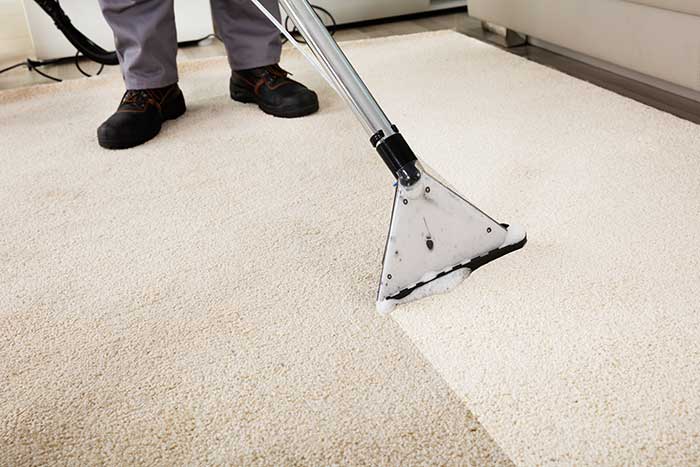

Draw a boundary around the office inside a working studio
A Hackney Wick tenancy can contain desks, a production table and storage behind one entrance. Start the cleaning brief with a plan of the different activities. A desk used for client work may need the same attention as an ordinary office, while a neighbouring bench may hold samples, equipment or work awaiting approval. Show where the cleaner has permission to work and give the studio lead responsibility for releasing specialist surfaces. Make sure both people can tell where the boundary is even when a worktable or partition has been moved.
The Queen Elizabeth Olympic Park guide to Hackney Wick and Fish Island describes the area's creative workspaces and the reuse of industrial buildings. That mix is a reason to write a site brief around actual room use and materials. At one address, a studio may need an ordinary desk and kitchen routine with a separate agreement for common areas. Another might need a more detailed rule for a production room that also hosts meetings. Ask the person preparing the estimate to see each function in its normal position.
List what is kept in the shared rooms between sessions. For a design project, material samples can look like scraps to someone who did not put them there. For a photography business, a cable or case can be part of an active setup. Mark items that may be moved, the person who can move them and where the cleaner can report a blocked surface. Use the same rules in the induction for a replacement cleaner. A marked boundary is more reliable than an instruction passed on only to the person who usually attends.
Plan a route through a courtyard before booking floor equipment
An entrance facing White Post Lane may be suitable for a visit to discuss a quote, while the route for equipment may run through a different gate. At a courtyard workspace, write down the actual entry point, unit number and name on the door. Meet the estimator there and follow the route the equipment would use. Look at the narrowest turn, the surface outside and the transition from yard to unit. If an office is in a building with several businesses, show the point where the property manager’s permission ends and the tenant can give access directly.
Ask how the yard is used at the proposed time. A delivery can leave a gate open and still make it impossible to move a trolley past a vehicle. An event may change where people enter or wait. Consider whether a small everyday kit can be stored at the office and what needs to be brought for a periodic job. Verify the approved loading arrangements with the managing contact and the signs on site. A shortcut used by someone on foot may be unsuitable for a bulky machine. Include the way out as part of the plan.
For an office beside an approach used by the public, agree where someone should wait while the access contact arrives. Keep doors and escape paths free, and do not depend on other occupiers to lend access. Have a second authorised contact for a changed shift or delayed keyholder. A brief sketch and a telephone number that reaches the duty person can remove a large source of delay from a routine clean. Check whether a quiet daytime estimating visit gives an accurate picture of the route on an event evening.

Distinguish setup, event reset and the normal office visit
A workspace used for presentations or public events can have three different cleaning needs in one day. Before a session, people need a clear entrance, accessible seats and a ready washroom. After it, the priorities may be collecting cups, checking floors for spills and returning furniture. The following day, desk areas need the regular office routine again. Put those outcomes in separate lines. An estimate for ordinary visits can then be compared without assuming it automatically covers every evening booking.
Give the cleaner the event space, doors and facilities actually in use. If visitors use a kitchen hatch or an external part of the property, say who manages it. Agree what the event team removes itself. Materials may still need to go back to a supplier, and a stack of signs can be waiting for collection. Ask the booking lead to mark what should remain in the room and confirm whether another event will begin before the next regular visit. A shared calendar should show the time to finish and the expected condition of the space.
The park’s Hackney Bridge overview illustrates how workspaces, events and public uses can coexist in the area. Apply the same distinction to your own premises when you describe a quote. For a wider commercial remit, see commercial cleaning in London. Set out the ordinary office work and any event-specific tasks separately so an occasional change does not get confused with the regular room schedule.
Protect work in progress when cleaning a shared bench room
A shared workspace may look empty at the end of the day while still containing pieces that are drying, being tested or waiting for the next person. Give staff a way to label these items and set aside a place for them. Agree the furniture and surfaces a cleaner may move. If the room holds a design model, packaging for a shoot or tools set to a particular position, have the studio lead explain what can be cleaned around it. Record what to do if the whole work surface remains in use after the agreed time.
Agree an owner for residues from the activity itself. Dust, offcuts, adhesives, ink or unknown material should be identified by the studio before being included in a routine office job. Describe the source and the area affected, and discuss any requirements with the person responsible for that process. Decide where offcuts and finished samples go. A clear exclusion in the routine checklist can be paired with a separate request if the business needs a different service. Keep the main office plan readable by putting specialist instructions where people can find the current version.
Choose a completion check that reflects how the room will be used next. If the bench will become a meeting table, staff may need to remove materials before the cleaner can return it to that purpose. If it remains a workbench, the next user may simply need a clear walkway and the neighbouring common table ready. Confirm who changes the room status on a late project. A cleaner can adjust the order of ordinary tasks while the studio lead decides when the bench becomes available.
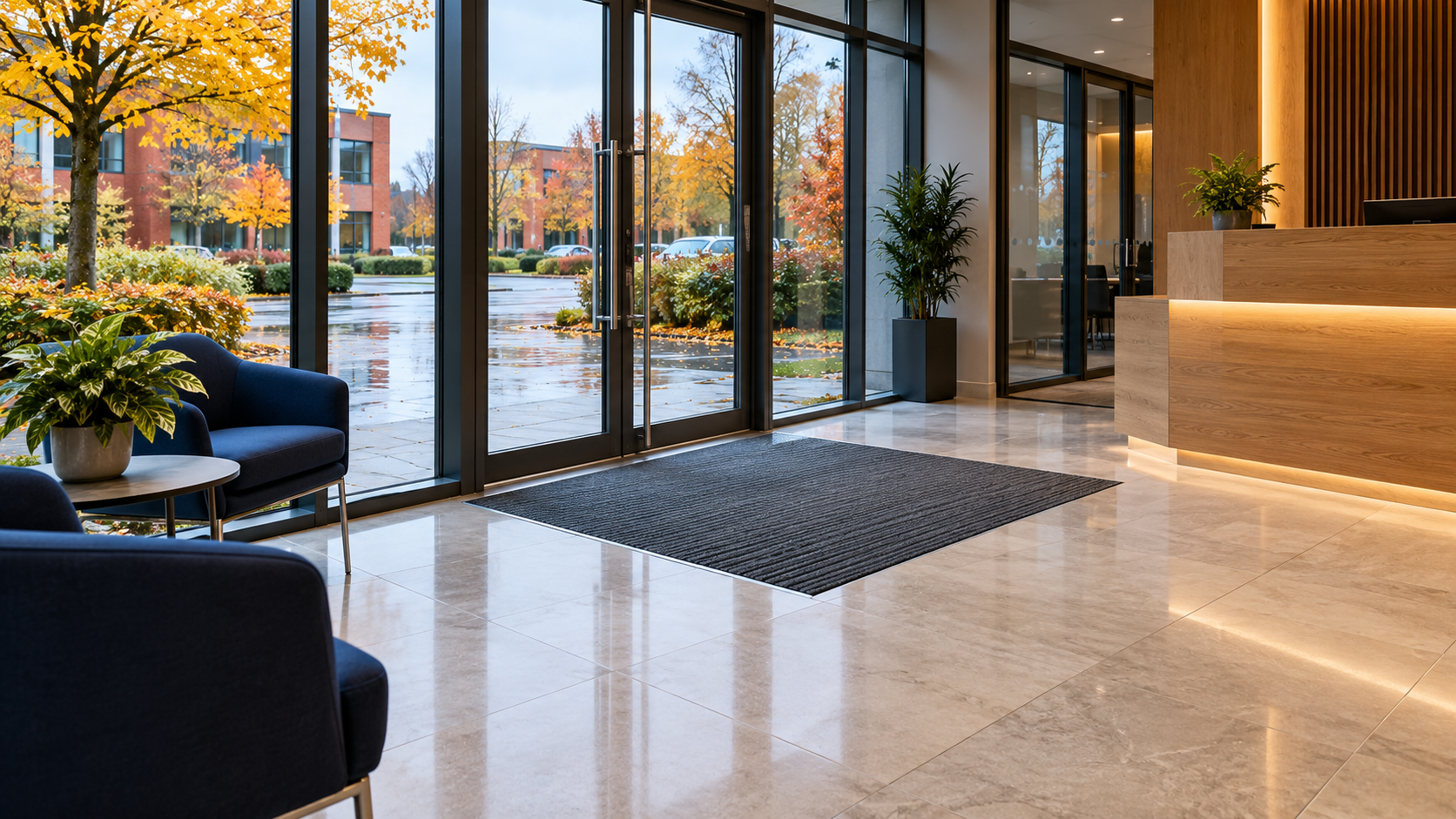
Inspect the floor where yard, studio and desk surfaces meet
Follow the busiest walking line into the office with the doors in their usual positions. A yard can carry grit and moisture into a sealed floor, then through a door onto carpet or a rug. Mark the places where people change direction or wheel equipment. The darkest mark may sit at a turn rather than directly in the entrance. Ask how the mat is held in place and who reports it if the edges move. Check whether recent fit-out work introduced a different floor patch or finish that needs separate instructions.
Where textile flooring is part of the workspace, record the material if known and identify recurring marks. A worn path or an area affected by an earlier repair is worth showing before anyone estimates a treatment. Ask about London commercial carpet cleaning when routine vacuuming leaves an issue that needs its own visit. Give the estimator the room release time and ask when it can be used again. Work around cables and equipment only as agreed with their owner. Build in time for staff to return furniture and check the room before the first booking.
On hard floors, set a specific standard for the entrance and the route to the main desk area. At a site with one exit, there needs to be a clear plan for keeping a safe route open during any wet work. Decide when people will stop moving cases or wheeled bins and where signs can stand. Report loose joins or damaged flooring to the building contact. Keep a note of the condition before the first visit, so a later change can be assessed against a known starting point.
Give meeting rooms a clear handback after shared bookings
A meeting room used by several businesses can be left ready for the next user only if the outgoing group has a place for what it brings in. Agree where used crockery, borrowed equipment and presentation materials go. A whiteboard still covered in notes might be needed for the next session. Tell the cleaner who can clear it and how the room is marked available. If one table hosts both desk work and a client meeting, give it a place in the diary and define the moment when staff stop using it for a project.
On the regular clean, identify the table edge, touchpoints, chair arms and waste containers that need attention. Specify which surfaces are accessible when a booking runs late. Where a room has a movable divider or a flexible seating plan, ask the booking contact to provide the layout expected next. Keep enough room in the schedule to check underneath the positions the chairs usually occupy. A quick reset can leave a room usable between sessions, while a deeper visit can address the edges and lower surfaces that take longer to reach.
Compare performance at the next use rather than at an arbitrary time. If a meeting starts early on the busiest day, check the room before that meeting and note any delay in handover. If several groups use it after the clean, distinguish what happened in those later sessions. Name a person to follow up and adjust the diary or the task list where needed. This helps staff keep a shared room available without counting an item twice or expecting the cleaner to deal with work in progress.
Coordinate washrooms shared between office and public visitors
Start with the map of which washrooms a visitor can actually reach. In a mixed-use property the nearest facility might belong to another tenant or be accessible only during public opening. List the facilities that are within the office scope and the ones the building manager handles. For each included room, record the fixture types and who can authorise replacements. Show where stock is stored and whether it can be accessed during a late visit. Give the cleaner enough detail to recognise which refills fit where.
When a public booking uses the office facilities, work out whether the normal stock will last until the next clean. Give the event lead the responsibility for flagging that extra demand before the visit. When stock is low, report the actual reserve and the room where it was checked. Report a broken fitting through the building route rather than treating every empty dispenser as a stock problem. For a single washroom, schedule detailed work around the time people need to use it and agree how staff will signal that it is ready again.
Discuss washroom services and refills when there is a separate requirement beyond the routine. Clarify which tenant orders the stock and who receives it. Where a delivery would otherwise sit in the hall, give the receiving person a shelf or cupboard where it can be put away. If an office increases its visitor hours, revisit the fixture checks and supplies rather than assuming the earlier arrangement covers a new pattern of use.
Keep studio material out of office bins
A desk area can generate ordinary packaging and kitchen waste while a production area has its own material and disposal process. Show staff and the cleaner which containers are used for which purpose. A box of sample pieces awaiting review should be kept away from emptied delivery cartons. If a work process produces anything requiring specialist handling, the studio lead should identify the appropriate arrangement and tell the cleaner which containers and material are excluded from the office scope. Give all occupiers the same instructions on what is permitted in any shared store.
At an office that shares a courtyard with other units, confirm the route to the correct containers and the hours when the doors can be opened. Establish a temporary holding point within the unit if the store is unavailable. Note who records collection issues and who contacts the provider. When events use the same route, plan the movement of waste after attendees have gone or when the duty contact can confirm that the route is free. Keep the office handover separate from the outside presentation times.
Include examples of items that have caused confusion. A cleaner should be able to identify packaging which staff have cleared for disposal and work that has been left for a colleague. Choose a place to put confidential paper and restrict access under the office’s established process. If a wrongly filled container is found, give staff a way to report it without mixing the materials further. A useful waste plan works for a busy event day and for a normal office day, with the boundary recorded for both.
Agree how people use the building after studio hours
A shared Hackney Wick building can have people working across different hours even when the office part is closed. Ask who remains on the floor, which doors are likely to be locked and whether an event or rehearsal affects sound and access. Decide where the cleaner can start while a quiet room is still in use. A low-noise task in a separate part of the site can be a fallback, provided the room is within scope and the cleaner has permission to use it. Write down the contact who confirms changes on the day.
Agree the exit procedure from the last workroom to the street. Show which doors close by themselves, which require a check and how an access problem is reported. If another occupier can stay later, tell the cleaner whether any internal areas must be left available to them. Use the property manager’s approved method for keys and codes. A paper task list should describe the route and responsibility without holding sensitive credentials. A new starter or substitute should have a short induction before following the procedure alone.
Where the usual way out crosses a yard, ask what happens when that yard closes for a booking. If an alternative route is available, check it with the managing contact in advance. Record any restrictions for equipment or waste. The person who books the visit should include enough time for handover and the final check. Give the supervisor a direct way to record a delayed exit or broken latch, so the building contact can deal with the underlying issue.
Decide how a site change affects the recurring brief
An office might take a neighbouring unit, move its desks away from the street or turn one room into a studio. Start the revised brief with an updated room list and a date when each change takes effect. Show what has moved and what stays in place. If part of a space is still being fitted out, explain when the contractor will hand it over and who deals with materials remaining after the work. Separate any one-time clean from the visit that will maintain the room in its new use.
Check whether the change alters travel through the building. A single office moved upstairs may add several trips with supplies. A new kitchenette may remove pressure on one area while increasing demand near a meeting room. An additional public session can affect the entrance and washroom more than the desks. Use the updated floor plan to identify the shared and private areas, then compare the new quote against the actual change. If one room has been dropped, confirm who now handles it and whether a boundary surface remains shared.
For a business with other sites, use the Hackney office cleaners page and the Stratford office cleaning guide to start a separate brief for those premises. Each should have its own access, materials and room hours. Use the same labels for normal service, initial clean and periodic work so that managers can compare the proposals. Retain the earlier version of the scope long enough to understand which tasks changed and who agreed to them.
Review the work at a busy studio and a quiet office hour
Select two inspection windows before the first visit. For a workspace with public bookings, use one review just before an event and another before an ordinary office morning. Each window should focus on the work needed at that time. Check the visitor route, a shared table and the washroom on the first review. Look at desks, kitchen and the main walkway on the second. Agree what the people inspecting should see and who will act if the condition is below the standard.
When recording an issue, include the room status at the time of the clean. A surface may have been left unavailable because equipment remained connected, or the right door may not have been opened. Some defects, such as damage to a threshold, belong in the building’s maintenance report. Some need a change to the routine, such as adding a check on the chair line after a regular late booking. Note what will change and when you will check it again. Avoid moving the entire schedule on the basis of one unusual week.
Use a common record with the site contact, cleaning supervisor and the person who manages the bookings. Give staff a quick way to identify which visit covered an issue and which parts are outside the scope. Where permission allows a photo, photograph the specific empty area and keep client materials out of it. A good review should produce a clear action for a person who can take it, and enough context to tell whether the problem recurs. If the same issue returns, check whether both occupiers received the revised room plan and whether the person responsible for opening the space has changed.
Ask for an estimate with office and creative uses shown separately
Send the building address, exact entrance and the work areas used on a normal weekday. Explain when the public visits, how kit can move through the yard and which areas need consent from another occupier. Include the flooring, washrooms and shared kitchenette. List the surfaces and equipment that remain the responsibility of the studio team. If periodic work is needed, state the finish time and name the person who releases the space. Put the routine and optional work in separate lines so a quote can show the scope clearly.
Give examples of a typical day and a particularly busy one. Explain which rooms can stay open during cleaning and which need to be empty. Ask the estimator to confirm assumptions about the frequency, access, handling of equipment and stock. Identify the deadline for the first booking after a visit and who will check the room. A well-scoped proposal also shows how a late handover or access failure is recorded and when staff can expect to hear about it.
The London office cleaning directory is a starting point for other addresses, but the estimate for Hackney Wick should use the rules for its own unit and building. Send the final room plan to anyone with a role in the handover. Set a review date after enough ordinary visits and one representative busy day. Agree at that review whether the routine is working as written and what needs a separate decision.

Questions about arranging office cleaning in Hackney Wick
Can an office clean include the desk side of our Hackney Wick studio?
Show the desks, shared surfaces and routes that staff want included. Agree which benches and equipment remain under the studio lead’s control. Give the cleaner a way to identify work in progress and a contact who can clear a surface if the normal handover is late.
Which access instructions help near White Post Lane?
Give the doorway and unit name, plus the route from any permitted unloading point. Explain who opens the yard when the office is closed. Show the tightest turns and the place equipment may wait, and describe an alternative if an event or delivery occupies the normal route.
Should we book a separate clean after a Fish Island event?
Describe the type of use, the rooms people access and the handback time. Ask for separate lines for the event reset and the routine office work. Review commercial cleaning options if the work extends to a public area or another part of the premises.
What helps assess grit tracked onto a studio office carpet?
Point out where the yard route crosses onto carpet, what staff wheel through and whether marks return after vacuuming. Describe known materials or residues. Ask about periodic carpet cleaning and give the time you can keep the route clear.
Can we arrange washroom stock separately from the office clean?
Yes, give the fixture list, the party who manages shared rooms and the opening hours. Say which products staff already supply and how a shortage is reported. Discuss the options through the washroom service page and ask for separate scope lines.
How do we keep studio offcuts out of the routine waste?
Assign a separate place for them and give the studio lead ownership of the disposal arrangement. Label the office containers and explain who can move material to the shared store. Staff should indicate which sample boxes are finished before they are put out for the cleaner.
Can the same brief cover Hackney Wick and Stratford?
Use common headings but write a separate address, access sheet and room list for each. The Stratford guide can help with the second brief. Keep the event calendar, studio exclusions and shared facilities particular to the site where they apply.
How should we flag a late booking in a shared studio meeting room?
Tell the duty contact which room remains in use, when it might be free and what work can go ahead elsewhere. Agree a new handback time with the person responsible for the booking, and record any tasks that have to move to a separate visit.
Talk through your Hackney Wick office cleaning brief
Describe your workrooms, access and the tasks you would like priced. For other sites, start with the London office cleaning guide.
Clients we service
Organisations featured across Complete Clean Management’s client portfolio.
















GOOGLE CUSTOMER REVIEWS
What our customers say on Google
Selected review excerpts from Complete Clean Management’s London Google listing.
★★★★★
“Really happy with the deep clean! The team were friendly, professional and did a fantastic job.”
★★★★★
“We engaged with Complete Clean Management and they came in and did an absolutely fantastic job.”
★★★★★
“We have recently started to use Complete Clean Management for various cleaning services to our domestic and commercial renovation projects.”
★★★★★
“The team is punctual, professional, and pays great attention to detail.”
★★★★★
“We’ve been using this office cleaning service for several months, and it’s been outstanding.”
★★★★★
“Complete Clean Management has transformed the cleanliness of our workspace.”
Selected excerpts, checked 6 November 2026. Leave a Google review ↗