Complete Clean Management · East London
Office Cleaners Hainault
Professional office cleaning tailored to your premises, working hours and priorities.
Request a free quote Call 0203 092 2297

Separate the administrative rooms from the working unit
If your business has an office inside a Hainault Business Park unit, draw a line around the areas you want included in an office cleaning quote. A desk suite, visitor entrance and staff facilities can sit next to a warehouse, workshop or dispatch area. Their cleaning requirements differ even when they share one address. The Hainault Business Park directory shows the variety of businesses on Fowler Road and Roebuck Road. Describe how your unit is used and arrange a walkthrough of the specific spaces you want priced.
Name the person who controls access on the working side of the building. A cleaner may need to cross a corridor to reach a washroom, with the adjoining operational area kept outside the office scope. Show the route staff expect them to use and make it clear when entry requires an escort. Mark the line on the plan at the actual door, rather than in general terms. Where one kitchenette is shared by people coming from different parts of the unit, identify how the room is released and what is done before the next shift starts.
Include a simple list of what an office cleaner can expect to find on a normal day. Goods staged for collection, a visitor waiting to be admitted or a staff briefing can affect the route through the administrative rooms. Explain who makes decisions if a space changes use at short notice. The brief is easier to follow when it names the exact room, door and contact, including the authority to change the order of work. A separate note can cover operational tasks that need their own methods or a different quote.
Brief the arrival route before an early shift
A unit number and the name of the business on the door are more useful than the estate address on its own. Give the person visiting a route from Fowler Road, Roebuck Road or the relevant approach to the actual entrance. Show whether the same door is used before reception opens and who will meet the cleaner. Equipment or replacement stock may need an authorised unloading position, with a separate route from the one people use on foot. Walk both routes before agreeing where equipment should be brought in and put away.
Time the arrival against the dispatch diary. A bay that looks free on a quiet estimating visit might be needed just before the shift starts. The person planning cleaning needs to know where they can wait and how they will hear about a change. Ask the site contact to show the shortest approved way into the office and any part that must be avoided at certain times. Keep a named alternative keyholder and note which doors close automatically. A late delivery or a locked inner door should have an agreed response.
For an office nearer New North Road, TfL’s Hainault station page can help with the approach on foot. Add the exact route from the station area to your doorway and confirm the building’s own arrangements. A routine visit with a bag and a machine-assisted clean need different access checks. Include time at the end of the visit to return the kit and follow the agreed exit procedure. For an unfamiliar cleaner, state which entrance is safe to wait at if the office is locked and whom they should call first.

Read the floor from the dispatch door to the desk
The practical route from an operational area into an office may cross several materials over a short distance. Follow the boots, trolley wheels and deliveries. Look at where people stop to turn or wait, and where loose grit or moisture collects. A mat can help only if the route actually passes over it. Look for any point where staff step off the mat sooner than expected. If a threshold shifts or a floor join opens, report the defect to the property contact and identify the location for a later check.
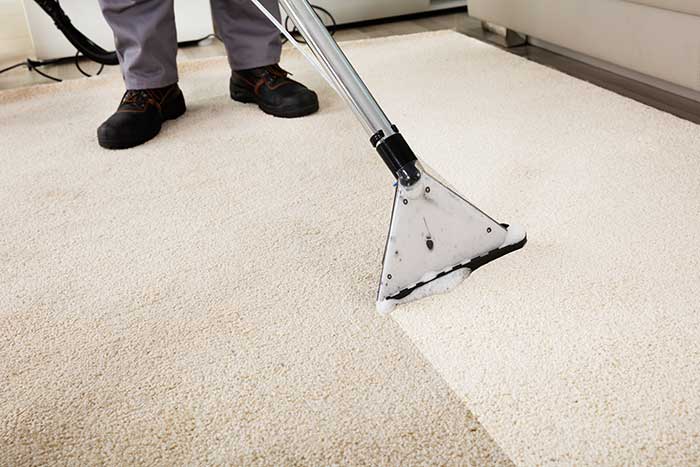
Distinguish ordinary tracked dirt from deposits that belong to a work process. When the cause of a mark is uncertain, the operational lead can explain what was present and whether it needs a separate assessment. Record the known floor finish, previous repairs and the times the area can be made available. Include the condition around the first office chairs or door where material is carried farther in. For persistent marks on textile surfaces, discuss commercial carpet care with the affected area and access requirements in view.
Where a hall is the only way from the office to the staff facilities, plan the timing of wet work carefully. Confirm what route must remain usable and when the finish will be ready for the next person. If staff can use a different room during a periodic job, include the time it needs to be ready for that person. Separate minor spot work from any wider treatment. This keeps the recurring scope clear and gives the site contact a practical way to decide when extra work is worth scheduling.
Set the cleaning order against how dispatch finishes
Some unit offices remain active after front reception closes. A colleague may finish paperwork for a late collection, complete a stock count or answer a query from a driver. Walk the sequence of tasks from the last visitor to the final member of staff leaving. Identify where the cleaner can start and which rooms remain restricted until a named contact releases them. The office schedule should use the actual end of work for each area. Advertised business hours can be useful background, but they rarely show who is still at the desk.
Use the areas with the earliest reliable handover as a starting point. The front waiting area may be available before a dispatch office, or the staff kitchen may need to wait until the shift has taken its break. Give the cleaner one or two alternatives if the usual room is occupied. Agree how staff signal that a room is available and who deals with a job that cannot fit into the remaining time. A note should say what was affected and when the work can next be completed, rather than describing the whole visit as incomplete.
At a first review, compare an ordinary evening with the busiest dispatch day. Look for the room that regularly becomes unavailable rather than moving the whole schedule after one incident. Adjust the visit order or move a detailed task to a day when the office can release the area. If the business changes working hours, give the person who checks the building the same version of the revised schedule. They can help confirm whether the security and access routine still fits the new time.
Manage meeting space used by visitors and operational staff
A meeting room in a unit may be where visitors wait, staff complete a briefing and the office team takes calls. It can have several different layouts over a week. Show where tables and chairs should be left after the normal clean. Give people a specific place to put items that belong to the next booking. A sample or folder waiting for a customer should be clearly separate from rubbish. When a room needs to be ready before a visitor arrives, name the deadline and who checks it.
Look at the surfaces people touch as they enter and leave. A door pull, chair arm, meeting table and booking tablet can each be used by more people than a desk in a private office. Agree which equipment is safe to wipe and who is responsible for releasing it. A screen, camera or cable may have to stay connected. Provide a way for staff to report a spill during a booking and identify what a cleaner should do if the room is occupied during the normal visit. A quick reset after a briefing can be specified separately from slower work around the edges of the room.
Agree one visual test for the first booking after cleaning. The next person should recognise the expected layout and be able to see that the floor around the table is clear. Use a photo of the empty room if your site allows it. Keep confidential paperwork and equipment serial numbers out of any images. At the review, consider whether the last user and the cleaner both received the same instructions. A useful standard can be followed by a different person on the next shift.
Plan the staff washrooms around the shift pattern
Map the facilities from the office and the working side of the unit. A washroom near a staff entrance may be used far more heavily than the one next to reception. A changing area may have lockers or belongings that stay in place while the rest of the room is available. Identify what can be cleaned at each visit and where staff put items that should not be touched. When someone needs access during the visit, agree with the duty contact how that can be arranged without leaving a task unfinished or blocking the only facility.
Give each dispenser a stock line. Include what fits, where replacement packs are kept and who orders them. The reserve needed before a long gap may be different from the reserve required on a normal afternoon. Check which fixtures are most likely to run low when extra staff or visitors are on site. Give the cleaner a way to report a fault and identify it by room and fixture. A dispenser that fails to feed and a cupboard that has run out of the correct refill need different responses from the facilities lead.
Discuss washroom services if you want a separate scope for servicing or supplies. Confirm which party can authorise work where the facility is shared. If a larger delivery arrives, have someone responsible for putting it away so a changing route or corridor stays clear. On the first review, check the reserves near the end of the busiest shift as well as immediately after a refill. Record what the result suggests about the stock threshold and routine frequency.
Keep workshop material out of the office waste route
An office can produce paper, kitchen waste and empty packaging while the nearby unit handles other materials under its own arrangements. Give staff different places to put those items. Identify any containers that are restricted and the role authorised to use them. A cleaner needs a clear way to tell which boxes can go and which contain stock, returns or documents. If the business handles confidential material, explain who controls that process and where ordinary office waste should go instead. Keep labels visible at the place staff decide which bin to use.
Walk the route to the agreed store with the person who manages collections. Ask when it is accessible and which route stays clear when vehicles are moving. Give the cleaner a named contact if the store is full or locked. Identify a permitted holding point for short delays and make sure it can be used without putting bags in an escape route. If the cleaning visit ends well before collection, state who presents the waste and when. Redbridge’s trade waste guidance can be used alongside the instructions from your provider.
Discuss a representative busy day with the team before deciding that every bin should be emptied at the same interval. A weekly supplier delivery might fill the packaging area while the office desks stay relatively quiet. When something changes, tell the cleaner whether the added material is in scope and where to take it. A short note sent to the person who approves extra work is more useful than a last-minute request to use another occupier’s containers.
Give the break room a handover between teams
In an office attached to a busy unit, staff may use the kitchen in quick succession throughout a shift. Watch the order in which people use the sink, kettle and shared appliances. Identify which surfaces can be made clear between uses and where cups or food containers should wait. Give staff ownership of personal belongings and decide when the cleaner can reach the shelf or worktop underneath. If there is a staff kitchen and a smaller visitor drinks area, state what each needs and which team resets them during the day.
Write down what the last person on each shift should do. A simple routine might include putting mugs in a designated tray, clearing the sink and reporting a spill. Give the cleaner a clear worktop and a separate time for more detailed work around appliances. Decide whether the scope includes inside surfaces of a microwave or an agreed refrigerator shelf and who removes food first. Do not leave a contractor to decide which food has been abandoned. If the sink is still in use, the cleaner needs a fallback and a point at which the room can be checked again.
Review the condition after the heaviest use. If the same surface is crowded before every visit, give staff a better place to put what they need. A shelf for clean cups may make more room on the counter, while an approved tray can keep dirty ones together. Agree who will empty that tray and check how the room is used during the next week. The routine should support work between shifts without asking people to leave the only sink unavailable when they need it.
Write an access handover for cover and relief staff
The usual keyholder may know which shutter is closed first, which lights stay on and who is still working in the unit. Someone attending for relief cover needs those details explained. Meet them at the approved entrance and show the office boundaries, the location of their kit and the way they will leave. Use the employer’s approved method for keys and access credentials. The work checklist should identify doors by name and record what to do if one fails, while keeping sensitive credentials in the building’s own process.
Decide who gives instructions if the visit coincides with a late collection or an unusual shift. Identify a waiting place and the route the cleaner may use once the access contact confirms it. If part of the building remains active, explain whether the cleaner can work elsewhere and what they should do if they cannot reach a room in scope. Report an access problem in time for the person responsible to deal with it. An informal shortcut through another workspace can create a new problem for staff and for the next cleaner.
For another office in Chigwell or Ilford, keep the same headings in the induction but supply a separate route, contact and exit sequence. A shared supervisor can then see which keys and responsibilities apply at each address. Ask the building contact to review the notes if entry arrangements change. Give the replacement cleaner only the site information needed for that visit and a straightforward way to return it or report a problem.
Make extra work visible when the unit is rearranged
A new dispatch desk or a moved partition can change which floor and wall edges are reachable. Mark the date of the change and show the space before the next ordinary visit. State what new equipment remains in use and which belongings are still waiting to be moved. If the office needs a first clean before moving into a revised layout, give the estimate a separate scope and handback date. The initial work may include surfaces that will later be behind a cupboard or occupied with office equipment.
Check the route for periodic work again whenever the building layout changes. A machine that previously came through a side door might need a different approach if stock now occupies that route. Identify the people who can make rooms available and the times the floor can dry before office work starts. Give a clear list of materials and any marks or damage already present. Where there is no space to clear the whole room at once, discuss which part can be made available and how the rest of the office can continue using it safely.
If you need to discuss adjoining rooms, use the London commercial cleaning overview and describe exactly which activities each space hosts. Ask the estimator to distinguish periodic tasks, the initial clean and the recurring office work. If the quote changes after the move, use the revised room list to check whether it reflects new areas or changes to access and frequency. Retain the previous version for the first review so each added or removed task can be traced.
Check outcomes when the office is about to be used
Choose a time that tells you whether the office is ready for the people who arrive first. For a Hainault unit, that might be before staff take their first break or before a visitor signs in. Follow that person’s route. Look for a clear entrance, an available desk or meeting room and enough washroom stock. Give each check a location and a specific outcome. An inspection right after the clean can be useful, while one before the first busy period shows how the work stands up to real use.
Record the first few weeks using the same room names. When a problem recurs, identify whether it follows a particular shift, delivery, floor condition or change in access. Give it to the person who can take action. If a surface stayed in use, agree how to release it before the next visit. If a mat is damaged, put it on the property repair list and tell the cleaner how to report further movement. A regular record keeps a building issue from being passed back as a cleaning complaint without an owner.
At the review, compare the result with the service scope. Ask whether the tasks that matter are happening at the right time and whether any low-use area can be checked less often. Give the cleaner and site lead the same agreed changes. Where photos are useful and allowed, take them when the area is empty and keep operational information out of view. The record should help someone else recognise the place and confirm if the agreed adjustment worked.
Put the Hainault quote request in a form you can compare
Send the full address, unit identifier, access plan, room list and working hours. Describe any shift changes, the busiest point for reception and who takes responsibility for the close-down procedure. Tell the estimator what belongs to the administrative office, what facilities are shared and which operational areas should remain outside the scope. Add the floor materials and any area where residue comes from the use of a neighbouring space. Say when a room needs to be ready for the next staff member or visitor.
Ask for the ordinary visit, first clean and periodic jobs to be set out separately. Clarify who provides consumables, where they are stored and whether equipment can stay at the site. Confirm how a late handover or a locked door is recorded. An estimate is easier to compare when each proposal uses the same room names, frequencies and deadlines. Where one quote assumes staff will move furniture or clear a kitchen, make sure that arrangement is practical for the people expected to do it.
Use the London office cleaning directory if you need to brief another location, while keeping the Hainault instructions specific to this building. Give the confirmed plan to the duty contact and everyone who needs to release a room. Set a first review after the team has seen a typical week and a busier shift. That provides a firm basis for deciding whether to adjust a visit, arrange additional work or raise a separate property issue.

Questions about arranging office cleaning in Hainault
Can you quote for only the office inside our Fowler Road unit?
Provide a room list showing which parts of the unit belong to the office and which areas stay under operational control. Include staff washrooms if they are part of the brief. State any crossing or shared door that a cleaner needs to use and who can authorise access.
What should a cleaner know before arriving on Roebuck Road?
Give the exact unit, name on the door and approved entrance. Explain the route during dispatch, the point where equipment can be unloaded and who opens the door. If the visit is out of hours, give a named alternative to the usual contact.
Can you assess the carpet at the door from our warehouse?
Show where staff cross onto textile flooring and what type of marks remain after routine vacuuming. Explain whether any material comes from an operational process. Ask about periodic commercial carpet care and confirm when the office route can be left clear.
How should we plan washroom checks around two shifts?
List the facilities each shift uses, the fixtures with frequent stock shortages and the cupboard holding spare refills. Give the person responsible for orders and repairs. Discuss any separate replenishment needs through washroom services.
What if dispatch finishes later than the usual cleaning slot?
Name a contact to release the dispatch office and agree which rooms can be cleaned earlier. Explain how a missed task is recorded and when it can be rescheduled. Review the actual pattern after a busy week to see if that area needs a different window.
Can we leave workshop waste in the office collection area?
Keep waste from work processes in the arrangements agreed by the business and give the office cleaner the authorised containers for ordinary office waste. Ask the site contact about storage when the yard is busy. Check Redbridge’s trade waste guidance with your provider’s instructions.
How do we compare Hainault and Ilford office quotes?
Use the same headings for visit frequency, floor care and stock, then give each building its own access and room lists. The Ilford office cleaning guide can help when preparing the second brief. Ask the estimator to identify any scope differences in separate lines.
Can we add a first clean after moving the office desks inside the unit?
Provide the move date, when the space will be clear and when people need it back. Identify the new and existing floor finishes, who removes packing materials and which surfaces need the initial clean. Ask for the first visit to be quoted separately from the regular schedule.
Talk through your Hainault office cleaning brief
Describe your workrooms, access and the tasks you would like priced. For other sites, start with the London office cleaning guide.
Clients we service
Organisations featured across Complete Clean Management’s client portfolio.
















GOOGLE CUSTOMER REVIEWS
What our customers say on Google
Selected review excerpts from Complete Clean Management’s London Google listing.
★★★★★
“Really happy with the deep clean! The team were friendly, professional and did a fantastic job.”
★★★★★
“We engaged with Complete Clean Management and they came in and did an absolutely fantastic job.”
★★★★★
“We have recently started to use Complete Clean Management for various cleaning services to our domestic and commercial renovation projects.”
★★★★★
“The team is punctual, professional, and pays great attention to detail.”
★★★★★
“We’ve been using this office cleaning service for several months, and it’s been outstanding.”
★★★★★
“Complete Clean Management has transformed the cleanliness of our workspace.”
Selected excerpts, checked 6 November 2026. Leave a Google review ↗