
Complete Clean Management · South West London
Office Cleaners Hampton
Professional office cleaning tailored to your premises, working hours and priorities.
Request a free quote Call 0203 092 2297

Build a Hampton specification from a week of real activity
A Hampton office might be active on every weekday, or it might be used by a handful of people who rotate between a local workplace and another site. A specification for those two arrangements will allocate attention differently. Gather a week of ordinary activity before deciding on the frequency of visits. Ask who arrives first, where visitors sit, which rooms tend to be left in use late and what the team expects to be ready when it opens. Include a particularly busy day if the office has one. This gives the person preparing a quote a way to understand what staff mean when they say a room needs regular attention.
The council’s Hampton Village business hub offers context for the local trading area. Around a village shopping parade, a small professional office may occupy a room behind another business or share an approach with several tenants. The responsibilities can differ even between two adjacent doors. Work through the address with the person who handles day-to-day access. Ask what is included inside the office, who looks after the approach and whether a route changes when the other business closes. An accurate site description is useful regardless of the number of desks.
Start with the main office function. An office that handles callers face to face may need a daily reset of a waiting area, while a small team taking calls from their desks may notice kitchen and washroom tasks first. If both functions are important, ask how they can be sequenced. Use the London office cleaning overview if you also manage premises elsewhere, with a separate schedule for each address.
Set a practical meeting point for the walkthrough
For a walk-through near Hampton station, the National Rail station page identifies the station on Ashley Road. A premises contact who travels in can use that information to set a realistic arrival time. Give visitors the door name or another agreed identifier once they reach the building. A postcode may be enough for a map, yet give very little help in finding an upstairs office that shares the same entrance as other users. Say who will meet the team, whether there is a bell and what to do if it goes unanswered.
Where a visit requires supplies or machinery, check the physical route separately. The council directory of Hampton car parks can help people plan an initial visit. Parking information does not identify the premises’ own drop-off point or any restrictions on the shared approach. The site contact should describe where equipment can be unloaded by arrangement, who can give permission and whether steps or gates limit what will fit. Observe local signs and use the route agreed for the premises rather than assuming that a nearby space is available for work.
If a keyholder is temporarily based at a different branch, name a backup and tell the office when a change takes effect. Avoid including sensitive access details in a general enquiry. Explain the access method and who controls it. At the walk-through, decide how time should be handled if a door is locked or the room is unexpectedly occupied. A first visit goes more smoothly when the staff on site know what has been agreed and the provider knows which questions the keyholder can answer.

Separate visitor flow from the rhythm of the back office
Walk from the street to the point where a visitor sits. Identify the surfaces that a person touches, the part of the floor first visible from their seat and any route that continues past them to another room. A Hampton workplace might use a narrow front room for appointments while the remaining work takes place behind an internal door. In that case, the visitor route and the staff workspace will often benefit from different frequencies and different release times. Write the two routes separately, so a missed private workroom can be identified without assuming that the public area was also missed.
Next, walk the staff route while the office is in use. A small rear space may serve as both kitchen and corridor. It might be accessible for only a short time when staff are moving equipment between rooms. Note what can be done first and what needs a later slot. If a room contains a phone that must remain staffed, agree whether one part can be reached while the other remains occupied. This makes the schedule easier to carry out on a day when several people are using the premises at once.
Where one set of doors and steps is shared, ask the building contact which items they already manage. The tenant may be responsible for internal glass while the landlord provides a service for the main entrance. For common parts with a separate requirement, use the communal cleaning service page when explaining the brief. Record the dividing line in your work schedule and in the inspection notes. It gives staff the right person to contact when they notice a problem outside their office.
Choose the finish you need from each part of a mixed floor
An entrance, a workroom and a staff kitchen can have three different types of floor in a relatively small building. Make a rough plan and add the material and condition for each area. Include the transitions between them. A metal strip between carpet and hard floor, a deep matwell or a turning point beside a chair can collect material that is easy to miss during a routine walk through. Describe when furniture can be moved and where an obstacle must stay. The cleaning brief can then show which edges can be reached on each visit and what calls for an occasional task.
Where the office has older flooring, ask what the premises knows about it and where you can obtain care instructions. Make a distinction between loose dirt, a permanent change in colour and a defect that needs a repair. If a newly fitted section looks different from the original surface, include that detail so people can ask about compatibility before any planned treatment. Tell staff how to report damage they notice and avoid promising a particular result before the finish has been assessed. A condition record is particularly helpful when a new tenant needs to compare the state of a floor before and after their first weeks in occupation.
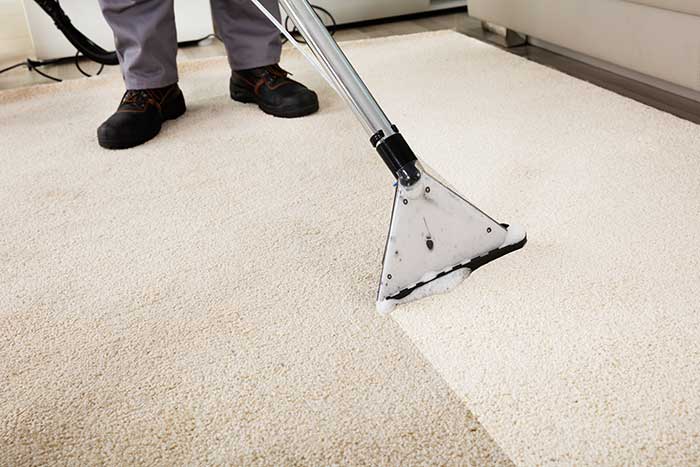
For a larger treatment, the commercial carpet cleaning service can be discussed alongside the routine schedule. Identify when the carpeted room is next needed and whether the route through it can be closed by agreement. Keep that separate from an ordinary vacuuming routine. If a waiting room is carpeted but the busiest chair never moves, describe that corner and when the room can be released to address it.

Prepare a room for people who use it in different ways
A room that serves as a briefing space in the morning can become a private consultation room later in the day. Explain which surfaces must be clear, which objects belong to a particular user and which furniture position is expected at the next handover. The team should have a clear instruction for the usual layout and an easy way to ask when the room is set up differently. Use a short checklist that a colleague from another branch could follow. If confidential paperwork may be present, ask the occupier to clear it according to the premises’ own arrangements before the room is handed over.
Give the handover a role rather than an assumption. For example, one person can tell the cleaning team that the room is empty while another can decide what to do if a late booking overlaps the visit. If both people are needed, establish a simple way of communicating the decision. An optional alternative task can make the time useful while the room remains occupied. Discuss when to return to it or what should be recorded for the next visit. This can be especially useful on a day when someone has borrowed the room and the usual occupants do not know the revised end time.
If meetings sometimes include drinks or catered lunches, explain what the room user is expected to remove and what the cleaning team can deal with. Identify the correct receptacles and any items that go back to the kitchen. Leave a written description of how to set the room back rather than relying on whoever happened to book it. A team using the room early the next morning can then check that the right reset has been done, without needing to know how it was used the previous evening.
Agree an approach to staff facilities when breaks are staggered
Observe when people use the kitchen on a normal day. If breaks are staggered, there may be no long period when every surface is available. Find the shorter window when part of the kitchen can be reached, and separate that from a task that requires the whole space to be cleared. Agree which food, mugs and containers the occupiers will put away. Note where clean items can be placed if staff have already taken responsibility for washing them. A practical specification makes it clear who acts at each stage, especially where a second tenant also uses the room.
Identify which cleaning and stock checks belong to staff facilities and which also apply to a visitor washroom. List the dispensers, any cupboard that can be accessed and where a problem should be reported. The washroom services page can inform a separate conversation about supplies. If the cleaner is only expected to flag low stock, assign the follow-up to someone who can order or collect it. Set an access window that reflects when people are present. A toilet within a rear suite cannot be reached in the same way as a facility off a public hall.
Avoid an instruction that calls every room shared. Put the name of each occupier and room into the schedule. If the agreement changes midweek, record which part changes and who has approved it. When a concern is raised, ask whether it relates to cleaning, use after the visit, missing stock or a faulty fixture. Each has a different response. Staff can help by noting where and when they saw the issue, and the person reviewing the specification can use that information to see whether the task belongs in the next visit.
Trace recycling through the building before changing the bins
A recycling change is easier to put into practice if the container next to a desk and the container outside the building work together. Start with the premises’ existing arrangement. Walk from the office bin to the store and ask what happens after the material is placed there. Note which containers belong to which tenant, who can get into the store and what should happen when a bin is full. A small building may have different arrangements for ground-floor and upstairs businesses. Check whether each type of material has an agreed destination before introducing a new label inside the office.
Richmond Council publishes commercial waste and recycling information that the occupier can use when reviewing collection options. Put the office’s own internal tasks into the schedule separately. The person collecting from outside the building may have no involvement in moving bags out of individual offices. Agree who monitors that transfer and where packaging can wait without blocking a corridor. If there are keys or shared containers, include a contact role who can resolve access questions when another occupier is absent.
Describe what should never go in an ordinary bin without an instruction. Records waiting to be collected, work samples and packaging saved for returns can all be mistaken for material to remove. Give staff a designated place to keep those items and explain how a cleaner can recognise it. If a new member of staff joins, put the rules in the notes they will actually use. A reliable routine depends on the office understanding the difference between the material it keeps and the material it has agreed to place for collection.
Give small teams a clear way to release desks
In an office where desks are shared, a cleaner may see a tidy stack of papers and assume it can be moved, while the next user expects everything to be left as it was. Agree how the occupier shows that a work surface is ready. Give people somewhere to put active files at the end of the day. Explain what parts of the desk are included, such as a clear desktop or reachable edges, and what should be left alone, such as personal objects and equipment that needs the owner’s permission. Use a rule that can still be followed when the usual staff are away.
Check where the daily work takes place during the visit. If a workspace remains occupied, a planned route might need to start elsewhere. Agree how to record a desk that has been left untouched by request, so it is clear that an exception was made. Where a particular item cannot be moved, explain what can still be reached safely around it. A useful scope gives the team a way to leave private work undisturbed while still maintaining shared areas. If the office often has people on calls, identify the times when noisier tasks are least likely to interrupt them.
Put the instructions into the quote brief without including any private material. At the walkthrough, show which furniture the staff can release, where normal bins sit and how an unusual item should be reported. Ask who will update the notes if desks are rearranged or more people begin to share them. A small adjustment to the workroom arrangement can change how much floor is accessible or which route the team uses to get to a bin. Updating the brief gives an inspection a current expectation to work from.
Allow for repairs and short periods of disruption
If a premises has work planned, ask when it will affect ordinary access. A new floor in one room can mean other rooms are still usable, but an alternative route or a temporary storage area may be required. Describe each change and give it an expected start and end date. Where work is incomplete, confirm with the premises contact what can be reached. A contractor’s presence may make it impractical to use a room at its usual time. The quote can distinguish the running specification from any separate task agreed after the contractor has left.
A Hampton office moving a few doors along a parade may keep the same working hours and staff, yet face a completely different arrangement for keys and shared areas. Plan the handover for the old and new premises as two separate activities. Record what stays in service up to the move, what has been taken out and who decides when an empty room is released. On arrival at the new site, reassess the entrance and the small spaces people use between appointments. If more commercial areas are included, use the commercial cleaning page to discuss a scope beyond the office rooms.
After the disruption, make a short visit with the premises contact to update the route notes. Make sure any temporary area is removed from the routine once it has returned to its original use. Confirm whether people still use the same exit, whether there is new flooring and whether staff now put bins in a different place. A dated note keeps everyone working from the right room list. If another change is likely, identify the person responsible for giving the team advance notice.
Compare evidence across Hampton and your other locations
A manager who oversees Hampton and an office in Twickenham can use the same reporting form at both addresses. Keep fields such as room, observation, responsible contact and date consistent. Change the actual tasks to reflect how the rooms are used. A suite that sees a stream of visitors in Hampton can require a different entry routine from a workroom in Twickenham that is usually occupied by the same staff. A single form should make the reports comparable while still directing attention to the things that are meaningful at each site.
Look at a few recurring checkpoints after the same point in the day. If a visitor area has already hosted a long meeting, say so before comparing it with the condition immediately after a visit. A record could include when the cleaner was last in, whether the room was released and what was expected in the schedule. Check whether the pattern changes over a few weeks. That helps identify whether a task needs to be performed differently, given more time or reviewed at another moment. An isolated observation is still useful when it can be sent directly to the person who can act on it.
When you ask a provider to review an issue, give enough detail for them to find it. Identify the room and the surface rather than using an instruction to pay more attention. If necessary, show the exact area on the next walkthrough and ask which items must be moved to reach it. Confirm what action is agreed and whether the specification has changed. If the building manager is responsible, note the referral separately from any task that remains in the office cleaning schedule.
Prepare the numbers that matter for a quote
A service quote is easier to discuss when you can give an honest estimate of the size and use of the rooms. Include the number of floors, the types of flooring, the number of washrooms and how often visitors use the premises. If an agreed cleaner is only expected to cover one part of a shared floor, describe that boundary. Distinguish the number of rooms from the number of people using them. A busy consultation suite may need more attention to its first room than a larger office with predictable desk use and limited visitor traffic.
Ask for the regular tasks and any separate work to be listed in a way you can compare. Carpet treatment, a tenancy handover and high-level glazing can call for different access or equipment than ordinary visits. Provide the same information if you are comparing more than one schedule. Explain what the office supplies and which items are provided or ordered by others. Include practical details about access, from the first unlocking time to the last room being available. Ask where the proposed visits rely on a member of staff clearing a surface or a managing agent opening a store.
When you have the scope, read it against your own room list. Ask about anything you assumed was included but cannot find. If the office needs a different routine on some days, make that variation explicit. For a branch in Richmond, use its own brief when the working hours are different. For Hampton itself, tell Complete Clean Management where you want the first walkthrough to start and which part of the existing routine is causing difficulty. Those details help direct the discussion towards tasks that affect the people using the office.
Review the first visits while the details are still fresh
Decide who will check the agreed service in the first weeks and which part of the visit is most important to see. They can look at the normal work areas and then check one or two items that had been difficult under the previous arrangement. Report the condition in terms a colleague would recognise. For instance, show whether a mat was accessible, whether staff cleared the counter and whether the visitor washroom had stock at opening. This gives the first review something practical to discuss rather than asking everyone for a general opinion.
Make the reporting route easy for the people most likely to notice a problem. A receptionist may be the first to see a mark, while another person has authority to change what is included in the schedule. Ask staff to use a named contact who can assess the observation against the specification. Record when a concern needs an immediate site response and when it can go into the next ordinary inspection. Where work has been completed differently due to a locked door or a late appointment, add that fact to the record so the team can check whether the exception is recurring.
At the end of the first review, share any agreed change with both the staff on site and the service contact. A new task, a change of timing and a change of responsibility each need a different note. Give the updated scope a date and confirm how it should be checked next time. A clear conversation at the start gives the Hampton office a useful reference when the team grows, the building changes or an occasional requirement becomes more frequent. Complete Clean Management can discuss how to record those priorities when you request a quote.

Questions about arranging office cleaning in Hampton
What is useful when describing a Hampton office with two entrances?
Give each door a name and explain who normally uses it. Identify the entrance the team can use after the front room closes and say which keyholder controls it. Describe stairs or a restricted approach and the alternative if the planned door is unavailable.
Can we clean our workroom while the front counter is still staffed?
Discuss which tasks can be done while the counter is in use and which should wait until a quieter time. Explain whether the team can reach the workroom directly. If they must walk through the front room with equipment, agree when that route can be used safely.
How do we deal with boxed returns near the waste store?
Mark the position for packaging that staff are keeping and tell the team who can approve removal. Give waste a separate location and make clear which bin it goes in. If the store is shared, include the occupier’s name or another visible identifier.
Our Hampton office has one kitchen for different businesses. Who clears the worktops?
Agree the clearing responsibility with both occupiers before putting it into the cleaning scope. Set a time when the worktop should be available and explain what to do if there are still dishes or food on it. Record who manages shared stock and which cupboard can be opened.
What do we need to know about cleaning an older floor after repairs?
Ask the premises manager or installer which parts were repaired and whether they have care instructions. Point out the joins, changes in finish and any area still awaiting repair. Discuss which methods can be considered for each part once the material is known.
Can an office near Hampton station use a visit time that changes on appointment days?
Give the provider the normal visit window and identify the particular days that have late appointments. Ask who will release the last room and whether another task can be done first. A note for the exception makes the regular schedule clearer to everybody.
Should a Hampton and Twickenham office have the same specification?
Use the same format if that makes the contract easier to review. Write separate room lists, keyholder notes and tasks for each premises. Check the occupancy and floor materials before deciding on frequencies. The person receiving a report should be able to tell which address it relates to straight away.
Can we discuss preparing one room after we move desks?
Yes. Explain which room is being changed, what remains in place and when the movers or other staff expect to finish. Set out what should happen before people use the room again. This can be discussed separately from the ongoing schedule for the rest of the office.
Talk through your Hampton office cleaning brief
Describe your workrooms, access and the tasks you would like priced. For other sites, start with the London office cleaning guide.
Clients we service
Organisations featured across Complete Clean Management’s client portfolio.
















GOOGLE CUSTOMER REVIEWS
What our customers say on Google
Selected review excerpts from Complete Clean Management’s London Google listing.
★★★★★
“Really happy with the deep clean! The team were friendly, professional and did a fantastic job.”
★★★★★
“We engaged with Complete Clean Management and they came in and did an absolutely fantastic job.”
★★★★★
“We have recently started to use Complete Clean Management for various cleaning services to our domestic and commercial renovation projects.”
★★★★★
“The team is punctual, professional, and pays great attention to detail.”
★★★★★
“We’ve been using this office cleaning service for several months, and it’s been outstanding.”
★★★★★
“Complete Clean Management has transformed the cleanliness of our workspace.”
Selected excerpts, checked 6 November 2026. Leave a Google review ↗






