
Complete Clean Management · West London
Office Cleaners Hanwell
Professional office cleaning tailored to your premises, working hours and priorities.
Request a free quote Call 0203 092 2297
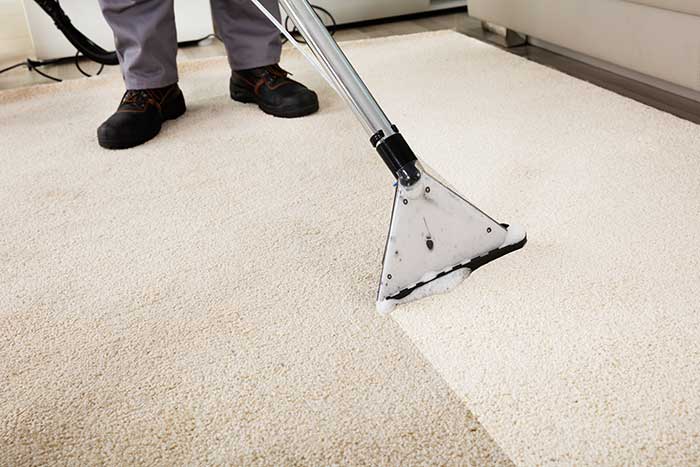

Office cleaning for a Hanwell suite with a busy front door
A Hanwell office on Uxbridge Road or off Boston Road may have a small team and a much busier entrance than its headcount suggests. Someone waiting for an appointment may pass through a shared stair, a narrow landing and a second door before reaching the room your business occupies. Ask Complete Clean Management to assess the office using the actual route. Give the full address, floor or suite and the hours when the route is available. Mention which rooms your business can commission work in and what you would like ready before people arrive.
Before writing a list of tasks, walk the office at opening and closing. At opening, look for the first places staff and visitors see. At closing, see what still holds work materials or is being used. The difference tells you where there is a practical gap for cleaning. If one person opens the office and another closes it, ask both. A proposal based only on the hours displayed on the door can miss the fact that the last appointment runs beyond them or that staff arrive long before the first visitor.
Our office cleaners London page describes the wider service. This guide takes a closer look at the information a Hanwell occupier can use to request a quote, including stairs, retained finishes, confidential rooms and the areas that are only accessible at particular times. The aim is to agree a schedule your office can prepare for and check against a real working day.
Measure the route in doors and steps rather than just floor area
Think about a first-floor suite reached through a street door, a short corridor and a staircase. The floor area of the office does not show how often someone must travel between the rooms, supply cupboard and waste point. Take the provider along the route and point out narrow turns, doors that must remain closed and any storage that is not within the tenancy. If the cleaner needs to carry equipment upstairs on each visit, show where it can be put down without narrowing the escape or visitor route. If there is a cupboard, check who can use it and what else it contains.
Find out who looks after each part of the stair. A landlord might arrange common area cleaning, while the office deals with a short strip inside its door. Identify the mat, threshold or landing that marks the boundary. If staff notice a problem on the common stair, decide who can report it and how to describe the location. A damaged stair edge or loose mat is a different issue from dirt. The person who controls the building can inspect it and decide how to deal with it.
Give the cleaner the authorised entrance and route for the agreed time, including any differences when the office is closed. A door that visitors use during the day may be locked before the final staff member leaves. Confirm who can demonstrate access and name a backup contact. Keep codes and other sensitive information out of the quote enquiry. The aim of the walk-through is to understand what is physically and practically possible before agreeing a regular visit.

Give a narrow landing and waiting room different deadlines
For an appointment office, what visitors see before reaching the receptionist can matter as much as the meeting table. Stand at the door and notice the corner where people turn. Is there space for a wet umbrella, a chair and a clear route to the next room? If the cleaner can reach only part of that area before someone arrives, decide which job needs to be done first. A useful specification can put the immediate route and waiting seats on an opening check and schedule lower use areas for later in the visit.
Show the provider which seating and tables can be moved. A fixed bench needs a different task from a row of light chairs. A narrow landing may not have space to set those chairs down, so say where they can go during floor work and how to return them. Keep client information with staff. If a shelf beside the entrance holds sign-in forms or appointment records, identify the accessible surface after the office has cleared it. That helps separate what staff prepare from what the cleaner is expected to cover.
If an early visitor sometimes arrives while the room is being cleaned, agree a change of order. The cleaner might move to another part of the office and return only once the room is free. Name the person who can tell them when that will be. If the room cannot be reached, record it alongside the reason. After a few visits, you can see whether the gap is predictable or whether it would be better to discuss a different visit time.
Identify older finishes before agreeing how to look after them
An office in a building that has changed use can have a new worktop beside an older sill, painted skirting or a threshold repaired at a different time from the rest of the floor. Show the person assessing the office where the finish changes. If your landlord or flooring supplier has given you care information, bring it to the discussion. Note marks, chips and looseness already present. A brief that simply asks for all timber to be cleaned leaves too much to interpretation. Name the actual surface and what sort of routine attention you want assessed.
In a street-front premises, show both sides of any internal glass and identify film, graphics or signage that should be treated with care. If a desk or reception seat blocks part of a panel, say who can prepare the area and what remains accessible in the normal visit. The outside of a window or the high part of a screen may need a separate discussion. Identify the access and the party that looks after it. That distinction can save you from comparing two quotes that refer to different pieces of glass under the same heading.
Keep a short condition note for delicate or worn areas. A photo can help if it avoids client or staff material. Explain what you want inspected and what must be left alone pending advice. In a compact office, a small worn patch may be more obvious than in a large room. An agreed starting condition helps the provider and the office distinguish routine soil, a task requiring different care and a repair to raise with the property contact.

Prepare private workrooms without handling papers or personal items
A desk can be clear enough for its owner to work and still be unavailable for cleaning. Papers, devices and a spare bag may cover the only surfaces the cleaner is authorised to use. Ask staff to prepare the area and identify where items can be stored. A cleaner can then reach the exposed worktop and the floor agreed in the scope. Make it clear which equipment staff maintain themselves and which items are never moved. This is especially useful where a meeting table doubles as a workbench or a place to review documents.
A private room may require someone from the office to be present. Give the proposed slot and who can let the cleaner in. If a meeting regularly overruns, ask whether the room is easier to reach at another time. Decide which area the cleaner can work on while waiting and how to record a missed room. A message that the meeting room could not be entered at the agreed time helps the office see what needs changing. It avoids expecting the cleaner to decide if an occupied or locked room can be entered.
Review the way the staff prepare shared desks. A designated drawer or shelf might be enough to give the cleaner access to more of the surface without moving personal things. If cables or power blocks sit across the floor, ask who can make that area accessible. Set a short review to see whether the change works in normal use. A room that cannot be prepared every evening can still have a workable scope, provided the brief names what can be reached and when the rest can be assessed.
Decide who covers the staff toilet and who covers the common one
A Hanwell suite might have a toilet just inside its door and access to another one on a shared landing. Establish which facility visitors use and which one belongs in the office brief. Ask the building manager what the shared schedule already includes and who can authorise any extra work. For the room you control, name the fixtures, floor and accessible surfaces you want assessed. Tell us what time it can be taken out of use and whether people have another option during the visit.
Ask who is responsible for refilling existing dispensers and who orders the products. Show where stock is kept and which items fit. If you use a locked cupboard, make sure the cleaner can reach it or knows whom to ask. Agree how a shortage should be reported and who can respond between visits. A problem with a fitting, tap or lock should go to the person who manages repairs. A specific note with the room and item makes it easier for the right person to act. It also helps you avoid putting a maintenance issue onto the cleaning checklist every week.
For separate disposal, dispenser or replenishment arrangements, see washroom services. Tell us which provision is already in place so a new quote can distinguish it from anything you want to discuss. If visitors arrive in a short burst, say when the room needs to be ready and how staff will check it later. Give the office contact a clear responsibility for what happens between agreed visits.
Trace wet footprints to the floor edge where they settle
When an office entrance is used on a wet morning, the mat may catch most of the water while soil reaches further inside. Walk from the door past the first turn and look where grit collects after the floor dries. It might be around the base of a chair, beside a step or where carpet tiles meet a hard surface. Show which part of the route you control and what the building manager looks after. Give the provider any care information for different materials rather than describing the whole route as carpet or hard floor.
Explain what has happened to any area you are concerned about. A new stain beside a waiting chair may need a different assessment from an old dark lane in the middle of an office. Mention previous treatment, wear or a repair that has affected the flooring. A damaged strip or recurring damp belongs in a report to the property contact as well as a discussion about what can be cleaned. If you want treatment beyond routine vacuuming, see commercial carpet cleaning in London. Show the condition, access and time available so the work can be considered separately.
For planned carpet care, agree which room staff can clear and what they can move without obstructing another route. If the office has only one way to a meeting room, explain when it must reopen and who can tell visitors about a different arrangement. For everyday work, agree where effort should go first when the slot is short. Compare the floor in similar conditions at the first review. A check before opening and one after several appointments can answer different questions about the cleaning schedule.
Set a closing routine for a kitchen the size of a cupboard
In a small Hanwell office, a kitchenette may be an alcove off the corridor. It can be hard to work around someone using the sink without interrupting a shared route. Ask when the last person usually uses it and whether staff can clear mugs, containers and food at a predictable time. Describe what should be cleaned after the counter is free. Give the provider an alternative task if the room is in use at the start of a visit. If the gap is too short, discuss a different slot or priorities for what can be reached.
Make separate decisions about movable bins and appliances. A cleaner may be able to reach the accessible worktop around a kettle but need the staff team to move equipment or handle wires. If you want a fridge interior cleaned, agree who empties it and what to do with any items left behind. Give that job a separate line so it does not get confused with an ordinary wipe of the door handle. Show the floor around the bin and the places spills tend to go. A narrow bin under a counter can hide a problem that is not obvious from the entrance.
Follow the waste to the correct destination. If the outside store needs a separate key or is only available at certain times, agree access before setting the visit window. Mark which containers belong to the office and which are for other occupiers. Keep confidential waste and other separate streams with the arrangements you already use. If the route changes, tell the cleaning contact and explain who can confirm a temporary alternative. That lets the office finish the routine without leaving bags in a place needed by other people.
Plan a short visit without treating every room as equal
A limited office window can still work if the provider knows the priorities and the order in which the rooms open. List the tasks that have to happen each time and the ones that can be rotated. A busy entrance or single shared washroom may need attention first, while a small store or a seldom-used meeting room may suit a different frequency. Give the actual time the cleaner can enter and the time the building has to be secured. Include any handover time with the office contact. These details are useful when comparing an early visit with an evening one.
Decide what to do when the normal sequence is interrupted. A last call might keep the meeting room occupied, or a locked common door can cut off access to the kitchen. Write down which area can be reached instead and who can advise on the rest. If one missed task needs a return visit, agree how to discuss it. If the room is repeatedly unavailable, review the schedule. A useful report describes where access was lost and what work was still possible, rather than asking the office to infer it from the condition the next day.
Use a small set of checks in the first review. Look at the opening route, one working room and the area that has been hardest to access. Ask whether each task was clear and whether staff had prepared the room as agreed. A change to access can be more effective than asking a short visit to cover another task. Make an agreed adjustment in the brief so the person who checks the next visit knows which arrangement applies.
Compare quotes against an actual Hanwell working day
Give each provider the same room list and timing information. State the places your business can commission, the shared parts already covered and the work you want discussed separately. A quote for a single upper floor may assume the cleaner can store supplies close by, while another may allow time for carrying equipment up the stairs. Ask which assumptions explain the difference. Include the prep your staff will do before the visit and what happens if they cannot clear the surfaces. This makes the proposed tasks easier to compare than a single list of areas with no context.
Distinguish the routine from occasional jobs. An agreed periodic task in a cleared room might need more time than a normal visit, different access or help moving furniture. Ask for it separately so you can decide when to organise it. If a connected shop, studio or other operation needs work as well, see commercial cleaning London and describe that space. The provider should be able to tell which rooms are part of the office quote and which need a separate assessment.
Check who reviews the quote and which contact can confirm practical access. The same person may do both in a small business, but an office manager may need the landlord to agree use of a common route. Record any outstanding questions. Once work starts, review the items that mattered most when you chose the scope. If the room use changes, identify the effect on the timetable rather than assuming the current schedule can simply absorb it.
Reset a room when a tenant moves or the layout changes
If you are clearing a Hanwell office or taking on another room, tell us the condition, what furniture will remain and the time it can be inspected. A room that is free of desks may still contain tools or supplies from a fit-out. Decide who removes them and who can confirm the room is available. If the previous tenant used a shared door, check that the new business has permission to use it. Give any planned initial work its own deadline and say which areas should be left until repairs or fitting work have been completed.
Agree who will inspect the handover and what work they expect. Specify the accessible floor, internal glass, surfaces and cupboards you are asking the provider to consider. If the common entrance belongs to another party, check before including it. Note finishes with particular care requirements and any areas that must stay protected. The quote can describe the work that can be assessed now and any information still needed. That helps the office compare the initial work with the routine it needs once staff have moved in.
After the move, walk through again. A new reception counter might change where people wait, a room turned into a work area can affect staff use of the kitchen and the cleaner may have a different route to supplies. Update the task list and the hours when work can happen. Put any instructions about preparing desks into the office’s own handover. That way the first ordinary visit is based on the new setup rather than on how the rooms were used before.

Link the Hanwell brief to the other sites you manage
If your business uses several West London offices, keep one point of contact for the quote and give each premises its own room and access details. A Hanwell suite may have stairs and an appointment diary, while another office can be entered through a private door after everyone leaves. Both can use a similar format for reporting missed tasks. The times and preparation instructions should stay with their own address. Tell the provider if a landlord, other tenant or different office manager needs to confirm anything at one location.
See our Greenford office cleaning guide and Ealing office cleaning page for nearby areas. The London office cleaners page covers wider locations. If several quotes are needed, say which address is ready to be assessed first and whether any have a move or opening deadline. Give each one its own contact who can show the office and explain the building. A central manager can then review the proposed work without losing the details that make each visit possible.
For Hanwell, send the office location, rooms and hours, plus the two or three things you most want to improve. If your existing schedule is largely working, tell us which part causes the most difficulty. We can discuss the route to the rooms, what tasks can be assessed and which work to consider separately. Include questions still with the landlord so the scope is clear before a visit is arranged.
Frequently asked questions about office cleaners in Hanwell
What should I include for an office on Hanwell Broadway?
Give the full address, the suite or floor and the entrance that can be used at the time of cleaning. Tell us which rooms you occupy, what you share and when the first staff or visitors arrive. Mention any steps or access restrictions.
Can an upstairs office be quoted without including the common stair?
Yes. Show where your tenancy begins and what the landlord already arranges. The cleaner may need permission to use the stair even if cleaning it is outside the scope. Tell us who can confirm access and report any issues to the building manager.
How do we flag original fittings in a Boston Road suite?
Show the specific surfaces and share any care information from the property owner. Note marks, damaged areas and things to leave alone. A description of the finish and the intended task helps decide what can be assessed before work is agreed.
Can a waiting area be ready before the first appointment?
Tell us the earliest arrival and when the room can be entered. Describe the areas you want ready and who can clear the relevant surfaces. If visitors arrive during a visit, discuss an alternative task and how to confirm when the room is free.
What if there is no storage for equipment in the office?
Tell us how equipment can be brought in, whether there are stairs and where it can be put down safely during work. Show the route for any separate periodic task. The proposal can take account of what can be reached within the visit window.
Do we need to price the staff kitchen separately?
You can list it within the regular scope and identify any additional jobs separately. Say when the room is free, who clears cups and food and where waste can be taken. Appliance interiors or tasks requiring preparation can be discussed on their own.
Who handles a shared washroom complaint?
Check who manages the room and who provides supplies. Tell the responsible contact what you saw and when. A cleaning task, a shortage and a broken fitting may have different owners, so a precise description helps it reach the right person.
Can we discuss Hanwell and Greenford together?
Yes. Give both addresses, then list each site’s rooms, entry route and visit window separately. Tell us who can show each office. The same person can compare the proposals while the local contacts confirm what works in their buildings.
Request an office cleaning quote in Hanwell
Call 0203 092 2297 or request a quote online. Give the full address, suite and authorised entrance. Tell us which rooms need to be ready first and whether shared stairs, visitor bookings or building access affect when we can assess the premises.
See office cleaners London for wider coverage and other location guides.
Clients we service
Organisations featured across Complete Clean Management’s client portfolio.
















GOOGLE CUSTOMER REVIEWS
What our customers say on Google
Selected review excerpts from Complete Clean Management’s London Google listing.
★★★★★
“Really happy with the deep clean! The team were friendly, professional and did a fantastic job.”
★★★★★
“We engaged with Complete Clean Management and they came in and did an absolutely fantastic job.”
★★★★★
“We have recently started to use Complete Clean Management for various cleaning services to our domestic and commercial renovation projects.”
★★★★★
“The team is punctual, professional, and pays great attention to detail.”
★★★★★
“We’ve been using this office cleaning service for several months, and it’s been outstanding.”
★★★★★
“Complete Clean Management has transformed the cleanliness of our workspace.”
Selected excerpts, checked 6 November 2026. Leave a Google review ↗






