
Complete Clean Management · South East London
Office Cleaners Honor Oak
Professional office cleaning tailored to your premises, working hours and priorities.
Request a free quote Call 0203 092 2297
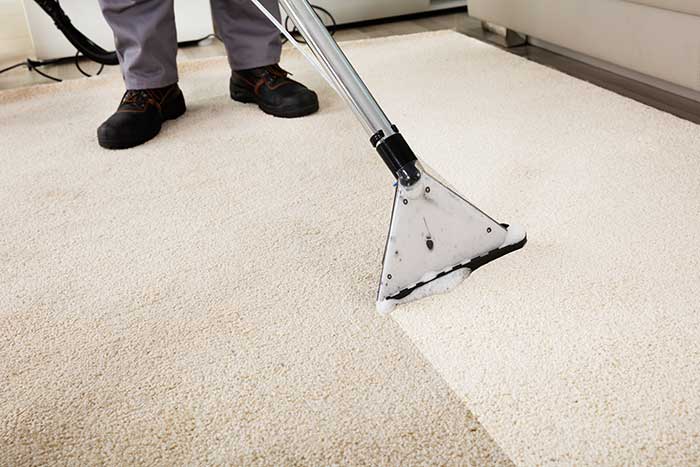

Office cleaning for Honor Oak workrooms, studios and small practices
An Honor Oak office can sit just off the shopfront, behind a studio entrance or upstairs from a business with its own opening hours. That affects the cleaning job before anyone estimates how long a room takes. Tell Complete Clean Management the postal address, floor and authorised entrance. Give the name people can see at the door if it differs from the name on your enquiry. National Rail’s Honor Oak Park station page is a useful reference for arranging a survey near the station. Continue the directions to the actual doorway and give a contact who can admit someone if the front room is closed.
Start with how the workplace is used. A small practice may run consecutive appointments in one room while another is only used to keep records. A studio can have a client table, work in progress and a back office in the same suite. Put the areas that need attention on a room list and identify which surfaces should be left to the people who use them. Indicate the busiest parts of the week and when a room is available for work. The enquiry becomes easier to price when each task has a location, a purpose and a plausible time.
If you manage several premises, the London office cleaning guide can help you give the same basic information for each address. The working details should remain local. An entrance shared with a retail tenant, a floor with access restrictions or a staff room that stays occupied can have more influence on the visit than the floor area alone.
Understand the handover between a shopfront and the office behind it
Lewisham Council’s local centres topic paper treats Honor Oak and Brockley Rise as a neighbourhood centre. In a property serving more than one use, walk the route between the public door and the workroom. A cleaner might need to cross a sales area to reach the office, but the visit may cover only the private rooms. Give that route a clear name and indicate where the office scope begins. If the two areas share a mat, toilet or cupboard, identify who deals with each one and who can change the arrangement.
Check both the time access opens and the time it ends. The office might close before the public room or remain staffed after the shutters come down. Ask which door is available in each case. If the contractor needs to work while people are still using a route, consider where supplies can stand and what can be done without narrowing access. Tell the cleaner which person can approve a change to the order of work. Keep keys and other credentials in the building’s authorised process and use the general site notes to describe the sequence.
For work beyond the tenant rooms, the London commercial cleaning overview can help you discuss a separate specification. Explain how the shared area is used and whether someone already attends it. One manager might approve work on the common stairs and another approve the office. List those responsibilities before comparing quotations. If an issue arises outside the agreed area, the visit record should say where it was seen and which person is expected to act.

Protect project work in a studio that also receives clients
Give a working table a role on the room list. A table used for samples or layout work has different permissions from a clear meeting surface. Agree how staff indicate when an item has to stay in position and which edges of the room remain accessible. A location note can say that a particular table is occupied without describing the project. If a room is used by more than one group, ask them to follow the same clearance rule. This makes the visit workable even when the person who normally briefs the cleaner is away.
Consider where materials from studio activity might need separate assessment. A little ordinary dust on a clear ledge can belong to the office schedule, while residues from tools, products or processes need the responsible people to identify them. Keep the boundary explicit and give the cleaner a way to report if material has reached a walkway. Use the room checklist to indicate which shelves, floors and external surfaces are part of the routine. Decide who moves heavier storage or handles powered equipment if occasional work is needed behind it.
Where clients use the room, check readiness from their point of view. Look at the entrance, table edge, accessible seats and floor around them at the time people normally arrive. The space may be ready while still containing work that is meant to stay there. Separate the staff preparation from the surface and floor tasks. If a review or booking changes the room layout, update the handover before the next visit rather than asking someone unfamiliar with the work to decide which objects should move.
Start floor care with the approaches off Honor Oak Park
Different doors can produce different patterns across a small workplace. In Honor Oak, start at the public entrance near the parade or station and look at the mat, turn and first stretch of floor. Then look at a door staff use when carrying in supplies or coming from a rear passage. If one route regularly leaves grit on the carpet, note where it first appears. A small mat may be in the wrong place for the direction people walk. A damage report about a loose transition should go to the premises contact, while the cleaning brief can identify the surfaces to be attended around it.
Agree the ordinary floor tasks by material. A hard entrance finish, a rug and fitted carpet tiles can all appear within a few metres of one another. Ask about existing surface care information and any earlier treatment. If you need a more substantial treatment, use our commercial carpet cleaning page when describing the affected area. Give the route for equipment, the items staff can move and the time the room can remain clear. If a hallway provides the only route to a shared facility, agree how people will use the premises while work takes place.
Check the result at the point where the material is being tracked in. If the marks only appear after the morning arrivals, record the time and follow the route again after rain. The office may need a change to its threshold routine, a repair or more focused work in the first part of the room. Avoid making decisions about the entire floor from a single patch that only sees traffic through one door.
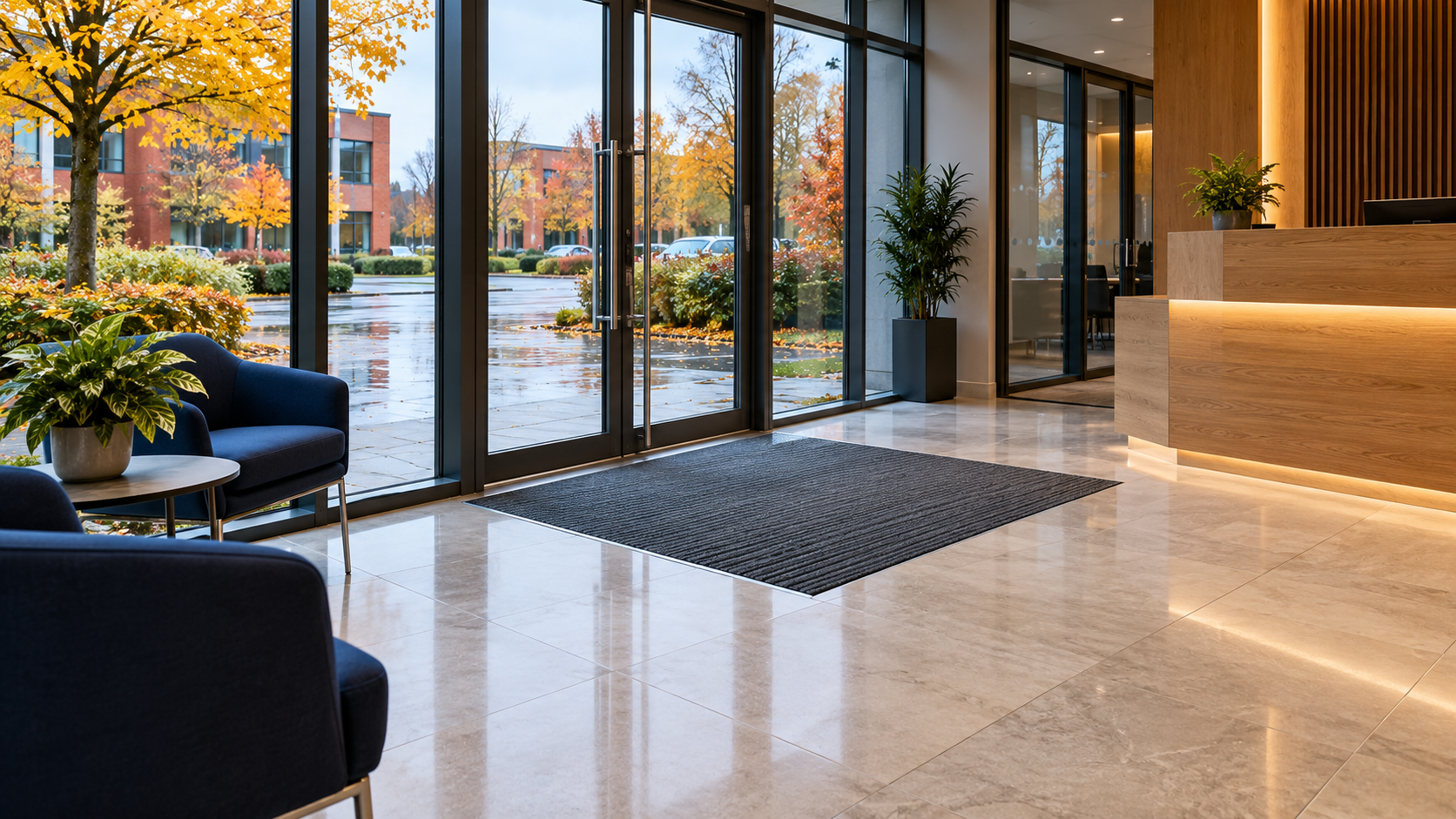
Work with the late appointments and quiet periods of a small practice
Start by asking which room has to be ready first and what time the last appointment normally finishes. Some offices can have their meeting room attended after the people who use it leave, while a different room is still occupied. Identify the areas available in each part of the visit and set a fallback order for days when an appointment runs over. The cleaner needs a way to see which room is free without asking for information about the people inside. The person responsible for the schedule should also know when a missed task will be reviewed.
Give fast turnarounds a separate description. An accessible table, an empty waste bin and a clear floor near the entrance can be a sensible readiness check before an appointment. More time-consuming work behind furniture may need a quiet block after closing. Agree which tasks staff perform between sessions and which belong to the contractor. If the office runs a late meeting once a week, set out how that slot changes the evening order. The person who holds the key should be able to explain the difference without relying on an informal message left at a desk.
Compare results at the time the room is next needed. A waiting area checked before opening tells you something different from the same area checked after lunch. Record the condition and the time, then ask who is able to change it. If a corridor is regularly unavailable because of another business’s use, discuss timings with that occupier or the premises manager. A clear access change can solve more than adding time to an appointment that still begins before the room is free.
Use shared washrooms without sharing responsibility by assumption
Check the washroom boundary where a small Honor Oak office occupies part of a building. Ask who owns the fittings and who is expected to maintain them. List the toilets, basins, handles, mirrors and floor surfaces you want discussed, including the accessible facilities where relevant. The office might use the nearest washroom without having authority to schedule work there. Name the person who can give permission and check whether work can take place when other tenants need the same route. Agree where supplies and signs can be set down so the approach remains clear.
Record the source of compatible refills before putting replenishment on the task list. A cupboard key or dispenser key may stay with the landlord, while staff buy a particular item. Give each fixture a name that will make sense in a stock report. If a fitting is faulty, record its location and contact the person responsible for repair. If the office wants to discuss a separate supply arrangement, the washroom services overview can help frame those questions. Keep supply, routine cleaning and maintenance responsibilities separate in the written schedule.
A change in staff numbers or bookings can affect stock even when the rooms themselves are unchanged. Check what remains just before a busy period and identify how supplies are ordered. If a refill runs out early, compare usage, access and compatibility before adding another check. Record what the cleaner can do during a visit and what the premises contact needs to arrange. This gives the office a useful handover if someone takes over the building or stock responsibilities.
Fit cleaning tasks to a tea point that works all day
A tea point can be the office’s only place to make drinks, store food and put deliveries down. Find out when its main surfaces are free. Ask who moves cups, handles open food and clears the space beneath an appliance. Put the ordinary worktop, sink, front surfaces and floor in the brief with a separate line for occasional work. A fridge interior requires a different clearance arrangement from an accessible appliance front. Staff who use the room can agree what they leave in place before a visit. A useful instruction can be short if it gives each person a definite action.
If the room is shared with a studio or a second tenant, give the schedule a point where all users can recognise the handover. It might be the end of a class or the time the last workroom closes. Check whether a cupboard remains accessible after that point and where the cleaner finds agreed supplies. Give any stock a suitable position away from food and work materials. Decide which roles receive a note about a blocked sink, missing liner or leaking cupboard. Keep conditions that need a repair distinct from tasks covered by the quote.
Check the tea point after a representative day to decide whether the pattern is working. Compare where food and cups collect with the accessible surfaces listed for the visit. If the same area remains covered, the room may need a better clearance rule or a different time. Ask the people who use it to confirm the change before editing the schedule. This is easier to review than expanding the room specification without addressing what makes the surface unavailable.
Follow waste through the building before assigning the task
A tenant room may have its own containers while the nearest storage area serves the whole block. Map how each agreed stream reaches the right bin. Tell the cleaner who can open the outside door, where the approved liners are and what happens if the container is already full. Do not assume a bin belongs to your office because it is beside its exit. Check the label, access and collection agreement with the responsible person. Keep confidential paperwork and other materials that need different handling in the office’s separate disposal process.
For an Honor Oak site in the borough, Lewisham’s business rubbish and recycling page can help with questions about local collections. Confirm the actual agreement for the address. Distinguish the job of emptying an indoor bin from moving the contents to a store and presenting them to a collector. If a person other than the cleaner deals with the last stage, give them the agreed location and any relevant time. Put a contact against a locked gate, missed collection or damaged lid so a problem reaches someone who can resolve it.
Use the internal container layout to help staff follow the agreed system. The useful location for recycling might be where people open deliveries, while food waste needs to be understood in the staff area. Check that the labels match the containers in the store and the instructions from the collector. If contamination is reported, use the room and time to decide what to check first. A collection arrangement can change without requiring every part of the office routine to change with it.
Check what the landlord owns before adding a common corridor
Draw the tenant boundary on a floor plan or describe it by door and landing. A staircase can sit outside the office lease while the same office uses it to receive visitors. Find out who already specifies its cleaning and who receives maintenance reports. If the tenant wants more work considered, ask the person responsible for the property to confirm what can be arranged. Describe the physical limits of the proposal, such as the inner face of the tenant door, one mat or the landing from one identified step. Those details prevent double booking or leaving an area without an owner.
The building contact can also describe when a shared surface is available. A corridor may be quiet until deliveries begin, or the landlord’s contractor may already work at one end during a regular slot. Explain where work can take place safely and whether people need an alternative route. Give the contractor one point of contact for shared permissions and a different one for questions about tenant rooms if needed. Put the permission in the schedule when it has been agreed. If it changes, update the people who open the premises as well as the person doing the cleaning.
For another office in Brockley or Forest Hill, use the same terms for tenant area, access only and separately agreed shared work. The actual line will be different for each building. Compare the scopes by looking at what each includes for the same route, and tell the right building contact when you spot an issue outside the tenant’s own rooms.
Prepare a separate brief for quieter weeks and room changes
A quieter week can give an Honor Oak office a chance to attend a floor or ledge that is usually out of reach. Identify why the work has become possible, what staff can move and when the room needs to reopen. List any regular tasks that still need to take place during that period. If the premises is being redecorated, find out who confirms the area has been handed back. Dust or residue from trades should be assessed separately from ordinary office cleaning and assigned to the appropriate scope. Agree what happens if a room is still being used on the planned date.
If a workstation or cabinet moves, check the surface left behind. Record wear, stains or loose fittings and tell the property contact about any condition issue. Ask for advice before applying a treatment to a finish that is unclear. Give the cleaner the new route to the room and explain where any equipment or stock now lives. A label on a door may change before a quote does. The revised room list should identify which areas have been added, removed or renamed so staff can review the next visit against the correct scope.
Use the opportunity to update responsibilities while everyone can see the space. Who will hold access, confirm the finish and decide when people can return? If a move changes the location of bins or washrooms, give those jobs separate notes. Decide which periodic tasks carry forward and when the normal schedule resumes. This helps the office maintain a workable routine during changes without losing the clear boundary around any one-off job.
Set a review that reflects what happens after the clean
Pick the places people notice when they first arrive. For an Honor Oak office that uses a single visitor room, the table edge and entrance floor may be sensible checks. In a studio, it might be the accessible area around a cabinet or the staff tea point. Check the result at a consistent time. If staff or visitors have already passed through, note that. A review after several bookings can still be useful, but it should measure the way the office holds up during use instead of assuming it reflects the state immediately after a visit.
Use a brief record with a location, time and next step. A low supply needs a stock response, a fault goes to the property contact and a recurring cleaning issue goes to the person managing the schedule. If a surface was covered with work, tell the room owner when the task was unavailable. Give the cleaner a way to record a restricted area without including details about what was on it. Ask for changes to be written against the relevant room rather than passed as a general instruction that other staff may interpret differently.
Review several comparable days before changing every part of the service. If only a single entrance is affected during wet periods, check the mat and traffic first. If a room repeatedly stays booked into the cleaning slot, see whether an alternative sequence works. If supplies run low even though the visits take place, find out whether the correct stock is accessible. A focused review gives the premises a way to make decisions without guessing what the cause is.
Request an Honor Oak quote with enough detail to compare it
Send the actual address and a short list of rooms, access and priorities. Mention the busiest days, any shared facilities, and who can show the authorised entry and exit. Include what you already know about the floor finishes and where the office keeps waste and supplies. Ask for periodic or wider work to be shown separately when it requires different preparation. Tell Complete Clean Management who can confirm anything still in doubt. A note about a closed door or a long appointment can save time in the first discussion because it identifies a condition the schedule must accommodate.
Look for room coverage, frequency and access assumptions in the quotation. Check which tasks staff need to prepare and which are included once the space is available. If two suppliers describe the rooms differently, ask them to refer to the same list. A clear quote makes the difference between a shared area, a route used for access and a tenant workroom visible. Confirm who can approve changes and how the service will record deferred work. Those decisions are particularly useful when staff do not see the cleaner at the time the visit takes place.
Call or send the enquiry with one practical priority. You might want a client room ready before opening, a better approach to tracked dirt, or a more predictable handover between the office and the business below it. Give the proposed visit window and a contact who knows the premises. Ask how the first review will look at that priority. The remaining tasks can then be considered around the real access and use of the workplace.

Questions about arranging office cleaning in Honor Oak
What do you need for a quote close to Honor Oak Park station?
Give the business address, floor and door used for the visit. The station page can orient someone, but the premises contact should give the route beyond it. Explain when a shared entrance closes and which rooms are available. Keep codes or key details in the agreed access process.
Can cleaning include a workroom behind a shop on the parade?
Describe the route through the building and where office work starts. Ask the property contact to confirm whether the public area is for access or part of the scope. Give a time when it can be crossed without disrupting staff. If the shop or common parts need work considered separately, refer to the commercial cleaning guide.
How can a studio leave work in place during an evening visit?
Mark the table or zone that staff need left alone and show the reachable areas around it. Put the location on the cleaning checklist without naming the work or its owner. If a periodic task needs the space cleared, agree who prepares it and when. Decide which other tasks remain possible if the room is still occupied.
Who deals with the carpet at the landing of a shared Honor Oak building?
Check where the tenant’s floor begins and ask the landlord who owns the stair and landing routine. If you want a separate carpet cleaning assessment, describe the material, existing marks and how equipment can reach it. Decide when people can use a different route or stay out of the area while the work is done.
What should we do if a shared washroom dispenser keeps running out?
Record the fitting, room and time. Confirm which occupier orders compatible stock and who can open the cupboard. A faulty dispenser belongs with the maintenance contact. Use the washroom services information to discuss supply needs separately from routine fixture care.
Can our waste be moved through a shared rear passage?
Check the permitted route, time and container with the building manager. Identify where the cleaner’s agreed role ends and who presents the waste for collection. Decide how the team should report a locked passage or full bin. Lewisham’s local business waste information can support the collection discussion.
How do we compare Honor Oak and Forest Hill office quotes?
Use one enquiry format and give each address a separate door, room list, site timetable and set of shared-area responsibilities. The Forest Hill office guide is a starting point for the other premises. Ask for variations and periodic work to be described by site so the two scopes can be compared without losing local details.
How should we review an early clean before a client booking?
Ask the first staff member on site to check two or three agreed points and record the time. Choose surfaces that the office has cleared, such as the table edge or accessible entrance floor. Note whether anyone has used the room since the visit. Give the result to the person who can change the schedule or address the underlying access problem.
Talk through your Honor Oak office cleaning brief
Describe your workrooms, access and the tasks you would like priced. For other sites, start with the London office cleaning guide.
Clients we service
Organisations featured across Complete Clean Management’s client portfolio.
















GOOGLE CUSTOMER REVIEWS
What our customers say on Google
Selected review excerpts from Complete Clean Management’s London Google listing.
★★★★★
“Really happy with the deep clean! The team were friendly, professional and did a fantastic job.”
★★★★★
“We engaged with Complete Clean Management and they came in and did an absolutely fantastic job.”
★★★★★
“We have recently started to use Complete Clean Management for various cleaning services to our domestic and commercial renovation projects.”
★★★★★
“The team is punctual, professional, and pays great attention to detail.”
★★★★★
“We’ve been using this office cleaning service for several months, and it’s been outstanding.”
★★★★★
“Complete Clean Management has transformed the cleanliness of our workspace.”
Selected excerpts, checked 6 November 2026. Leave a Google review ↗