Complete Clean Management · North West London
Office Cleaners Neasden
Professional office cleaning tailored to your premises, working hours and priorities.
Request a free quote Call 0203 092 2297

Office cleaning in Neasden for the administrative side of a working site
An office near Neasden Lane may be a private suite, a room reached through another business or an administrative area beside a commercial unit. Give the full address and identify the office entrance, floor or unit when you contact Complete Clean Management. A site name can cover several doors and activities. The proposed cleaning work should be assessed against the rooms your business controls and the practical arrangements needed to reach them, especially where staff and deliveries use different routes.
Explain what takes place around the office. The admin team may have a settled schedule while a dispatch area, visitor counter or staff facility remains active at other times. Identify the boundary between the proposed office work and any operational area with its own procedures. Describe the accessible tasks and any unusual condition requiring assessment. These details give the quotation discussion a clearer basis than treating all work at one address as though it belongs to one room or one routine.
This guide looks at cleaning enquiries for Neasden offices within or alongside other commercial uses. It covers practical access, welfare areas, floor care and how to review a written scope. The parent office cleaners London page provides the wider service overview. Keep the local brief focused on the particular workplace and the way its rooms need to be used.
Map the point where administrative work meets site operations
Identify the doorway, lobby or route that connects the office to the rest of the property. An administrative room may have desks and carpet on one side of a door while the area beyond it contains stock, equipment or other activities. Mark the boundary clearly enough for the people assessing and arranging work to recognise it. A short area list or marked plan is more useful than a broad instruction to clean around the back. Ask the responsible site contact to confirm which spaces are available for the proposed scope.
Describe the transition as an area in its own right. A mat, threshold or changing space can receive traffic from both sides. Explain what staff carry through and what conditions they observe. An unusual residue or material needs information from the appropriate contact before a cleaning method is considered. Keep operational equipment and specialist work visible as separate requirements. The office proposal can then name the accessible tasks it is intended to address rather than assume a routine method is suitable everywhere on the site.
Add the responsible person for each dependency. The office lead may know the desks and visitor arrangements, while another colleague controls a service route or other working area. A clear boundary record helps both parties review concerns later. If the business changes room use or a route moves, update the relevant part of the brief. This keeps the proposed work tied to the actual premises rather than an old understanding of where office responsibilities end.

Set a visit sequence around delivery and staff movements
Describe a normal day from the first arrival to the last handover. The office may become quiet before another area finishes work, and a staff room can be busiest when a group leaves the operational space. Identify which rooms are available and when. A proposed visit should be discussed against that sequence rather than a headline closing time. Confirm the entrance and person who can provide access. Keep keys, codes and detailed security information for the agreed private handover.
Check where equipment can move and where facilities can be reached. A delivery or collection may interrupt the route to a shared store or waste point. The office can be empty while those dependencies remain unavailable. Identify the permitted route and the person who can confirm it. A planned floor treatment may need different preparation from recurring work, so describe its access separately. This allows the proposal to consider the practical sequence from entry to leaving the premises.
Agree how exceptions are reported. A late delivery, unavailable room or temporary fault can affect one visit. Record the area and timing through the nominated contact and identify who can discuss a permitted alternative. Repeated interruptions may need an access or scope review. A factual note helps the office manager distinguish a task that could not be reached from accessible work that was omitted. This creates a useful basis for deciding what should change rather than treating each interruption as an unexplained failure.
Consider the floor route from outside to the desk area
Walk the routes used by people arriving at the office and by staff moving from another work area. Mark matting, changes in floor material and points where people pause or turn. A narrow threshold can carry much of the traffic even when the rooms beyond it are relatively quiet. Give material information where known and flag uncertainty. Describe the location and condition you observe rather than assume the cause. An assessment can then consider both the surface and its practical use.
Record damage, repairs and earlier treatment separately from ordinary soil. A loose edge, worn track or damaged threshold may need a property decision. Report it through the relevant contact and make useful information available for the cleaning discussion. If something unusual is carried from an operational area, identify it before work is proposed. The routine should reflect the material and conditions that can be assessed rather than assume every mark or residue can be addressed in the same way.
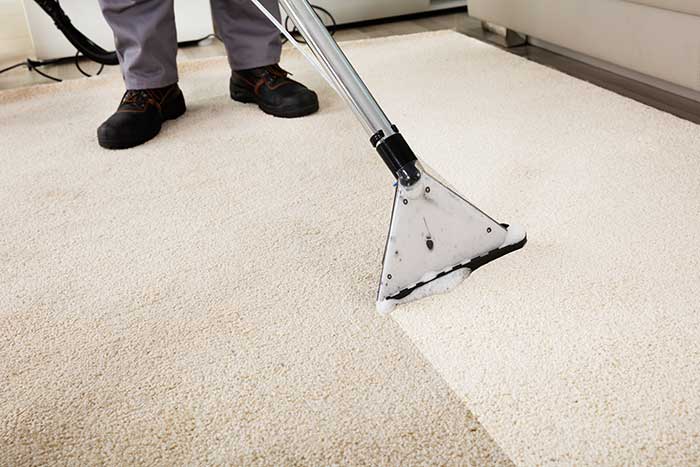
For separate commercial carpet cleaning in London, describe the affected areas and the history of the carpet. Explain furniture restrictions and when routes must remain available. A planned treatment may need a different preparation and return-to-use arrangement from ordinary floor care. Keep the request visible in the scope and discuss relevant limitations before a date is considered. This gives staff a way to prepare and lets the office manager review the result against the particular task rather than an unspecified expectation.
Make desks and dispatch records available without disrupting work
An administrative workstation may hold labels, delivery records, paperwork and equipment needed for the next session. Agree what staff can put away and which surfaces will be accessible. Give active work a recognisable instruction if it has to remain in position. The business retains decisions about confidential records and disposal. A document beside a bin may still be required. A practical preparation rule lets the proposed surface task be carried out without asking someone unfamiliar with the operation to interpret its materials.
Describe equipment separately. Printers, handsets, scanners and connected devices may have their own care requirements. State what stays connected and who can clarify a requested task. A general desk clean should not imply permission to operate, unplug or move devices. If separate equipment work is wanted, provide the relevant guidance before it is included. Staff can create access around fixed items while preserving the setup needed for the next user or shift.
Look around and under the desk as well. Chair bases, reachable ledges, storage fronts and floor areas may need different preparation or frequencies. Note boxes, cabling and furniture that limit access. Where a workstation stays occupied, identify how the unavailable area should be reported. This keeps the scope connected to the actual room and gives the office manager useful information about recurring obstacles. The routine should describe what is possible at handover rather than assume every workstation is always empty.
Give reception and meeting rooms a defined handover
A front office may receive visitors, suppliers and colleagues for different reasons. Describe the route and accessible surfaces you want considered, including glass, counter, seating and floor where relevant. A parcel point, sample display or tray of forms may occupy part of a surface. Give those items a clear instruction. The proposed cleaning task can then address the available area without reorganising the business’s materials or making decisions about records that remain in use.
Set a handover for rooms after appointments or meetings. Staff can remove cups, secure papers and identify notes that must stay on a board. The scheduled proposal can describe accessible surfaces and floors at agreed times. A recurring visit should not be assumed to provide a reset after every booking unless that requirement has been discussed. One preparation instruction for the people using the room can make it easier to hand over consistently and helps the office manager assess whether an area was available.
Raise a particular surface treatment separately. An upholstery mark, delicate finish or worn floor area may need material and history information. Explain restrictions on moving furniture and the period when the space must return to use. A targeted treatment differs from the recurring surface routine. Keeping it visible in the brief helps the business prepare the room and review the result against the intended work, with the effect on visitors and availability understood before arrangements are agreed.
Plan staff kitchen work around the people using the room
A staff kitchen can have waves of use even when the office itself is quiet. Describe the periods when it can be handed over and the preparation colleagues can provide. Identify the accessible sink, worktops, cupboard fronts, external appliance surfaces and floor. Agree where used dishes go. A blocked fixture can prevent an intended task even when the rest of the room is empty. A consistent staff rule makes the proposed work more practical, especially if several teams share the same space.
Discuss any internal appliance task independently. Name the appliance, intended work and preparation the business can provide. Explain who removes food and containers and any restriction on switching equipment off. Provide relevant care guidance. An external surface task and an occasional internal request may require different access and frequencies. Keeping them distinct helps the proposal show the work actually included and prevents a broad kitchen description from leaving decisions about personal items or equipment operation implied.
Add the bins, liners and agreed destination for contents. Confirm any shared collection arrangement with the responsible contact. A staff event, delivery or later working period may create more volume than expected. Identify who can discuss an exceptional request. The kitchen brief should connect staff preparation, cleaning work and the building arrangements around it. This gives colleagues an understandable handover and helps the office manager identify what prevented a task or which contact needs to clarify a supply issue.
Set washroom responsibilities for each facility separately
List the rooms staff use and identify which your business controls. An office washroom and a facility serving another part of the site may have different responsibilities and availability. Ask the property or site contact to confirm uncertain boundaries. For the proposed scope, name fixtures, mirrors, accessible touchpoints, ledges and flooring and describe the working pattern. A list of particular facilities gives the assessment a clear boundary rather than a broad instruction that leaves every room associated with the site implied.
Consumables should have their own description. Identify the dispensers, who orders products and where spare stock is kept. Discuss whether checks, replenishment or additional servicing are wanted. Our washroom services page provides a starting point for that conversation. The quotation should state the tasks and items included for your facilities. This makes comparisons easier and helps staff identify the appropriate contact for a stock issue instead of assuming every supply responsibility belongs to the cleaning arrangement.
Use a separate route for maintenance observations. A leaking fitting, damaged surface or failed dispenser can remain a concern after agreed work has been completed. Record the location and observation and send it to the responsible building contact. Keep it distinct from feedback about an omitted task. The office manager can then review the cleaning against its scope while following up the property issue with the person able to decide the next step. This is useful when different contacts manage repairs, orders and recurring work.
Keep office bins separate from other site materials
List the ordinary office containers, their intended materials and the agreed destination. Confirm the route and who manages collection beyond the handover point. A shared store or service route can have instructions the property contact needs to clarify. The proposal should make the endpoint clear. Taking agreed contents to a building collection point and arranging removal beyond it are different tasks. A named route lets the office compare the work proposed with what it actually needs.
Keep confidential records, devices and operational materials within their appropriate processes. Staff should use recognised labels and decide what can be removed. Something beside a bin may still be required or need a different route. The cleaner should not have to classify it. If a delivery or clear out produces exceptional volume, describe the request separately and identify the person who can consider it. A defined ordinary task gives the office a basis for distinguishing routine work from an additional requirement.
Agree what happens if the store or route is unavailable. Record the location and timing through the nominated contact and identify who can discuss a permitted alternative. Repeated exceptions may provide a reason to review the building arrangement or visit sequence. A clear handover and exception process help colleagues prepare the right items and follow up the issue with the appropriate person, rather than leave every change to be interpreted during the visit.
Compare proposals using the same area and task descriptions
Give each provider the same office brief if you compare quotations. Check the rooms, tasks, frequencies, supplies and access assumptions behind the figure. Broad service labels can describe different work. One proposal may include a separate periodic item or a particular supply arrangement that another has treated independently. Ask for a scope that the person managing the office can read and review after it begins. This gives the business a practical basis for comparing the actual work and responsibilities.
Describe any other commercial area as its own requirement. The commercial cleaners London page provides the wider service overview. Identify the boundary, conditions and access for the additional area. An office within a larger site does not establish that one routine will suit everything at the address. A proposal can keep recurring office care clear while making extra requests visible for their own assessment. Include the timing and preparation rather than assume they are already covered by the ordinary visit.
A short brief should also show what is still uncertain. A material may need identifying or a route may depend on the site contact. Mark the question and the person able to answer it. This avoids agreeing a scope around an assumption that later proves impractical. When the workplace changes, the original area and task list gives colleagues a useful reference for describing the specific revision needed, rather than leaving a general instruction to cover any additional work that appears.
Use a clear reporting route for access and service concerns
When there is a concern, name the room, agreed task and observation. Include timing and any relevant access issue or later use where known. A photograph can help if it avoids documents and personal information. Send the report through the nominated contact so it can be compared consistently with the scope. This gives the person reviewing the work more useful information than a general impression and helps colleagues avoid issuing conflicting instructions about the same area.
Identify the decision needed. A missed accessible task can be raised through the cleaning contact. An unavailable route or damaged fitting may need the site or property contact. A new room, changed frequency or extra equipment request needs a scope discussion. Keep these matters clear. If occupation or shift patterns change, identify the affected areas and whether the change is temporary or ongoing. A current description gives the proposed revision a practical basis and helps the office manager follow up with the appropriate person.
For other premises, see the guides for Dollis Hill, Harlesden and Brent Cross. Use an individual area and access brief for each address even when the business coordinates enquiries through one person. The proposed work can then reflect the particular rooms, materials and working arrangements rather than assume the same routine will suit different sites.

Prepare a Neasden office cleaning enquiry with the site boundaries visible
Put the full address, entrance and areas your business controls at the start. Add the working pattern, available times and priorities. Describe recurring work and periodic requests separately and explain any operational boundary or access constraint. Shared facilities and unknown materials can be flagged for clarification with the relevant contact. The first conversation can establish what needs assessing without asking the business to guess information held by another person.
Include preferred dates and the dependencies that affect them. A site handover, change in working pattern or shared access decision can make a difference to the proposed sequence. The parent London office cleaning service page gives the wider overview. Your local brief should stay focused on the actual Neasden office and the working requirements around it, with the responsibilities for other areas kept clear.
Use the existing quote route or call Complete Clean Management on the London number shown here. Explain what the office needs to be ready for and which tasks matter most. An initial discussion can identify the information needed for a practical proposal, including how the agreed work would fit the office and the wider activity around it.
Frequently asked questions about office cleaners in Neasden
What details help for an office near Neasden Lane?
Give the full address, unit or floor and the entrance used for the office. Explain any separate delivery or shared route and identify who can confirm access. Add the rooms and working pattern you want considered. The enquiry can then account for the workspace and the practical arrangements needed to reach it.
Can a quote distinguish the office from an adjoining operational area?
Describe the boundary at a door, lobby or other identifiable point. List the areas your business wants assessed and the routes used by staff. Explain any unusual material or equipment that requires a separate assessment. A clear office scope can then be discussed without assuming the same routine covers all activities at the address.
How should we describe a delivery route that is unavailable at certain times?
Give its usual availability and the contact who can confirm a permitted alternative. Explain which rooms or facilities depend on it and whether equipment needs to use it. Agree how an exception will be reported. The proposed sequence can then be considered against the actual route and tasks rather than office hours alone.
What if staff bring soil into the office from another working area?
Describe the route, affected surfaces and what is known about the material. Include matting, condition and any relevant history. Ask the responsible site contact to identify an unusual residue before a method is proposed. The assessment should consider the particular surface and conditions rather than assume every tracked substance can be treated in the same way.
Can the staff kitchen be considered separately from desk cleaning?
Yes. List the accessible fixtures, surfaces and floor and explain when the room can be handed over. Agree staff preparation for food and crockery and describe any appliance interior task independently. The proposal can reflect the actual use of the kitchen rather than assume that it is available whenever desks are empty.
How do we specify washroom supplies for facilities used by several teams?
Confirm who controls each room and identify the dispensers and person who orders products. Describe checks, replenishment or further servicing separately from fixture and floor work. The proposal should state the responsibilities actually included. A clear record helps colleagues identify who should receive a stock or maintenance concern.
Does ordinary office waste include items from an operational clear out?
Describe the additional materials and volume separately. Confirm the agreed destination and party responsible for collection beyond it. Operational items and confidential records need their appropriate processes. The recurring task should have a clear endpoint so the business can compare it with any exceptional request before work is agreed.
Where can I request a quote for a Neasden office and other sites?
Use the existing contact page or call 0203 092 2297. Give each address its own area list, occupation and access outline. The office cleaners London page provides the wider overview. A coordinated enquiry can still account for the particular rooms and responsibilities at each premises.
Build the proposal around the office and its working site
Bring the rooms, tasks and access details into one practical brief. Confirm shared responsibilities with the relevant people and identify what staff can prepare. A clear area list gives the quotation discussion a useful starting point and supports later reviews when the workplace changes.
Keep operational boundaries, periodic requests and questions about materials visible. Each can need its own preparation, timing or assessment. Describing the difference helps the proposed routine reflect the work that can actually be carried out in the office.
Complete Clean Management can discuss your Neasden office cleaning requirements through the quote option or London telephone number below. Share the priorities and details you know and flag anything still to confirm. The next conversation can focus on assessing a practical scope for the premises.
Clients we service
Organisations featured across Complete Clean Management’s client portfolio.
















GOOGLE CUSTOMER REVIEWS
What our customers say on Google
Selected review excerpts from Complete Clean Management’s London Google listing.
★★★★★
“Really happy with the deep clean! The team were friendly, professional and did a fantastic job.”
★★★★★
“We engaged with Complete Clean Management and they came in and did an absolutely fantastic job.”
★★★★★
“We have recently started to use Complete Clean Management for various cleaning services to our domestic and commercial renovation projects.”
★★★★★
“The team is punctual, professional, and pays great attention to detail.”
★★★★★
“We’ve been using this office cleaning service for several months, and it’s been outstanding.”
★★★★★
“Complete Clean Management has transformed the cleanliness of our workspace.”
Selected excerpts, checked 6 November 2026. Leave a Google review ↗