Complete Clean Management · West London
Office Cleaners Park Royal
Professional office cleaning tailored to your premises, working hours and priorities.
Request a free quote Call 0203 092 2297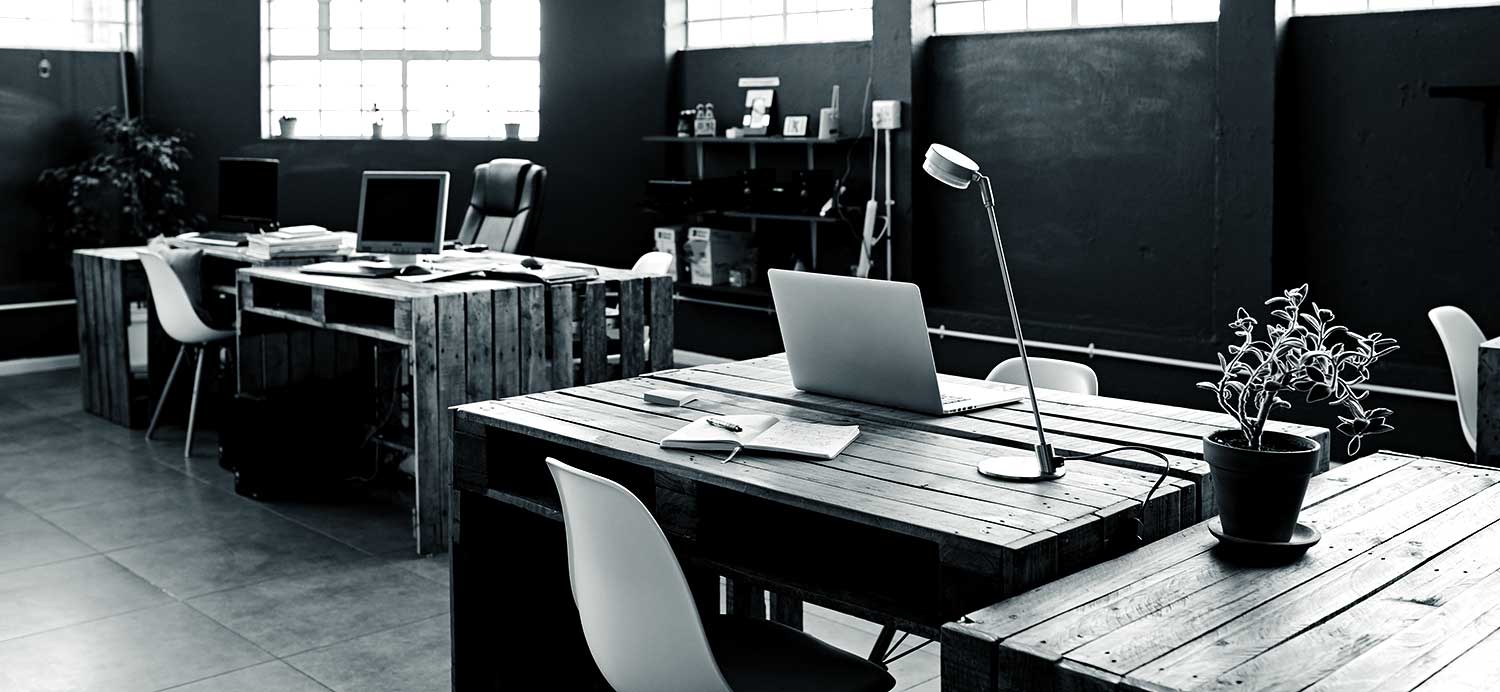

Office cleaning for the part of Park Royal where your team works
Park Royal offices can sit inside a trade unit, above a production floor or in a separate building reached from a shared yard. The person arranging a visit may call all of it the office even though the people who use the rooms have different shifts and entry rules. When you contact Complete Clean Management, tell us the full address, unit and entrance. If your site is near Abbey Road, Coronation Road or Acton Lane, a street name alone may take a visitor to the wrong side of a site with several doors. Give the authorised route and a contact who can show it. Identify which rooms are in the requested office scope and what the building or operational team already looks after.
Start with the room that needs to be ready first. It might be an office used by the early dispatch team, a staff break room that must be clear by the next shift or a waiting area for people visiting a unit. Ask who normally prepares it and what time it can actually be entered. An office that is quiet by six can still have a kitchen and corridor in use for several hours. An accurate description of that gap is more useful than a generic request for evening visits.
Use our office cleaners London page for the broader service. The rest of this guide helps a Park Royal business decide what to put into a quote brief, which details to ask its site contact to confirm and how to review the work once it is under way.
Set the office boundary at the door or floor line people can recognise
Walk from the entry point to the office with the manager who controls it. At a site with production or dispatch space, the boundary may be a door, a different floor finish or a controlled point used by the operating team. Identify that physical point in the brief. If the cleaner needs to pass through part of the unit to reach the office, state who can authorise it and when the route is available. Permission to walk through an area does not necessarily include work on the floor or equipment there. Give the provider the conditions for reaching the office and a separate description of any other work you want assessed.
List welfare rooms individually. A staff toilet can sit outside the office while still being part of the requested scope. A changing area may have its own rules, cupboards or equipment that needs to be left alone. Check what the business already arranges and who manages supplies. Tell us which areas you want considered together and which belong to a different team. If the work extends beyond office and welfare spaces, see commercial cleaning in London and explain the additional operation separately. Give the condition and proposed access rather than using one description for every room in the unit.
Choose a person who can respond when something is outside the agreed boundary. A spill of unknown material or a damaged threshold needs the site lead or building contact to look at it. The cleaner can report the location and work elsewhere under the agreed routine. Make that instruction clear so an unexpected event does not leave the whole visit uncertain.

Write an arrival note that a person on their first shift can follow
An address in Park Royal may be approached from a road with several yards and access points. Tell the cleaner where to arrive, which door is used during the agreed visit and where they should wait if a contact needs to meet them. Use the identifying details the site approves. If a gatehouse has to sign someone in, say who confirms their arrival and how long it usually takes. If the site requires an induction, arrange it with the appropriate person. Keep passwords or entry codes out of an ordinary quote form. Give the provider practical information about the route first, then handle sensitive details through a private agreed process.
Walk the pedestrian route at the time you expect the visit to take place. A yard can look empty during a survey and be in use when vehicles are moving later. Tell the provider where the authorised route is, who can stop or redirect movement and whether a different door is needed during a delivery. A cleaner should be able to follow an agreed route instead of deciding how to cross an unfamiliar area. Show any stairs or doors on the way to the rooms, and where equipment can be put down without obstructing a route people need.
Name a backup person who can confirm access when the usual contact is away. Decide what to record if a gate or door is unavailable. The office can then see whether a missed visit resulted from entry, timing or an issue with the scope. A brief that gives the arrival point, authorised route and contact is easier to use than a long set of instructions that depends on someone already knowing the site.
Use shift handovers to choose the order of the visit
Ask the site lead which rooms are busiest between shifts. A break room can be most crowded when the day office has nearly emptied. A desk used for checking orders may remain occupied until the next person takes over. Give each room its own earliest access and readiness deadline. A cleaner can start in an available room and move to a shared space once staff have left. If the gap is shorter than expected, ask which tasks take priority and what work can be scheduled elsewhere. The important point is to agree an order that follows the actual handover rather than assuming every part of the office closes together.
Use two examples. On a normal day, the meeting room may be clear before the kitchen. On a stocktake or training day, the office might be in use for longer and leave different surfaces available. Ask who will confirm those changes and how much notice they usually have. The provider can discuss the work that can still happen and any separate slot needed. A schedule for a shift-based site can stay consistent in its main tasks while reflecting different room availability on certain days.
Set a few checks for the first review. Look at a room just before the next team needs it and note if it was already in use after cleaning. Ask whether staff removed their items and whether the cleaner could reach the room in the agreed window. If the same area repeatedly stays occupied, the evidence can help decide whether to change preparation, visit order or timing. It is easier to adjust one part of the routine when you can see which condition is causing the difficulty.
Keep dispatch papers, radios and office equipment with the right team
An administration desk near an operating area may be used by more than one person and hold papers, devices and supplies between shifts. Ask staff which items must stay and who clears the part of the surface the cleaner can reach. Show the provider the ordinary setup rather than tidying it for the survey in a way that does not reflect daily use. Identify the exposed worktop, chair contact points and accessible floor. If a screen, scanner or radio requires its own care, give the responsibility to the people who know it. The cleaner should not need to move records or disconnect anything to carry out an ordinary office task.
Show the printer, post and waste points separately. Paper can collect beside a printer stand while cartridges and confidential waste have their own arrangements. Give the provider the approved destination for ordinary rubbish. If the desk is also used to check goods, mark where staff store items before and after the check. A box left under the desk can block a floor area for weeks even when it looks temporary. Agree how to report that obstruction by position so the site can decide where to store it.
Set the same kind of handover for the office meeting space. Ask the last user to remove private material and leave agreed surfaces clear. If the room is locked or still in use, give the cleaner a task elsewhere and a contact who can confirm access. That keeps the cleaning work possible while leaving decisions about business materials with the office team.
Write a welfare-room brief with separate stock and repair instructions
A Park Royal office may use one toilet for visitors and share other facilities with a larger staff team. Check who looks after each room and when it sees its heaviest use. Identify the rooms your business can put into the quotation and any building service already covering the rest. Show the fixtures, door touchpoints, floor and areas around the bin. Discuss when the room can be reached and whether it can close briefly. If another shift needs to use it during the visit, ask which room is available instead and who tells staff.
Stock requires a separate decision. Show the type of dispenser, the approved product and the cupboard that holds spares. Confirm who buys supplies, who refills from stock and who can deal with a shortage before the next visit. A broken lock, leaking tap or dispenser that will not open needs a route to the maintenance contact. A note naming the room and fitting gives that person something to check. Ask the cleaner to report it without treating the repair as part of the cleaning task. Keeping the records distinct helps someone on a later shift understand who needs to respond.
For a discussion of sanitary disposal, replenishment or other facilities provision, see washroom services. Tell us what is already covered and what you want considered. If one room is shared with another occupier, confirm who can agree changes. The scope can then show the work, supplies and access for each room without assuming the same arrangement applies to every facility on site.
Follow dry soil from the yard route to the office carpet
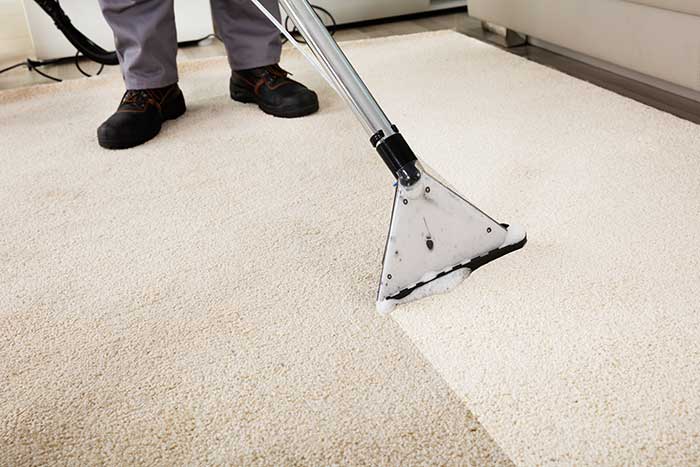
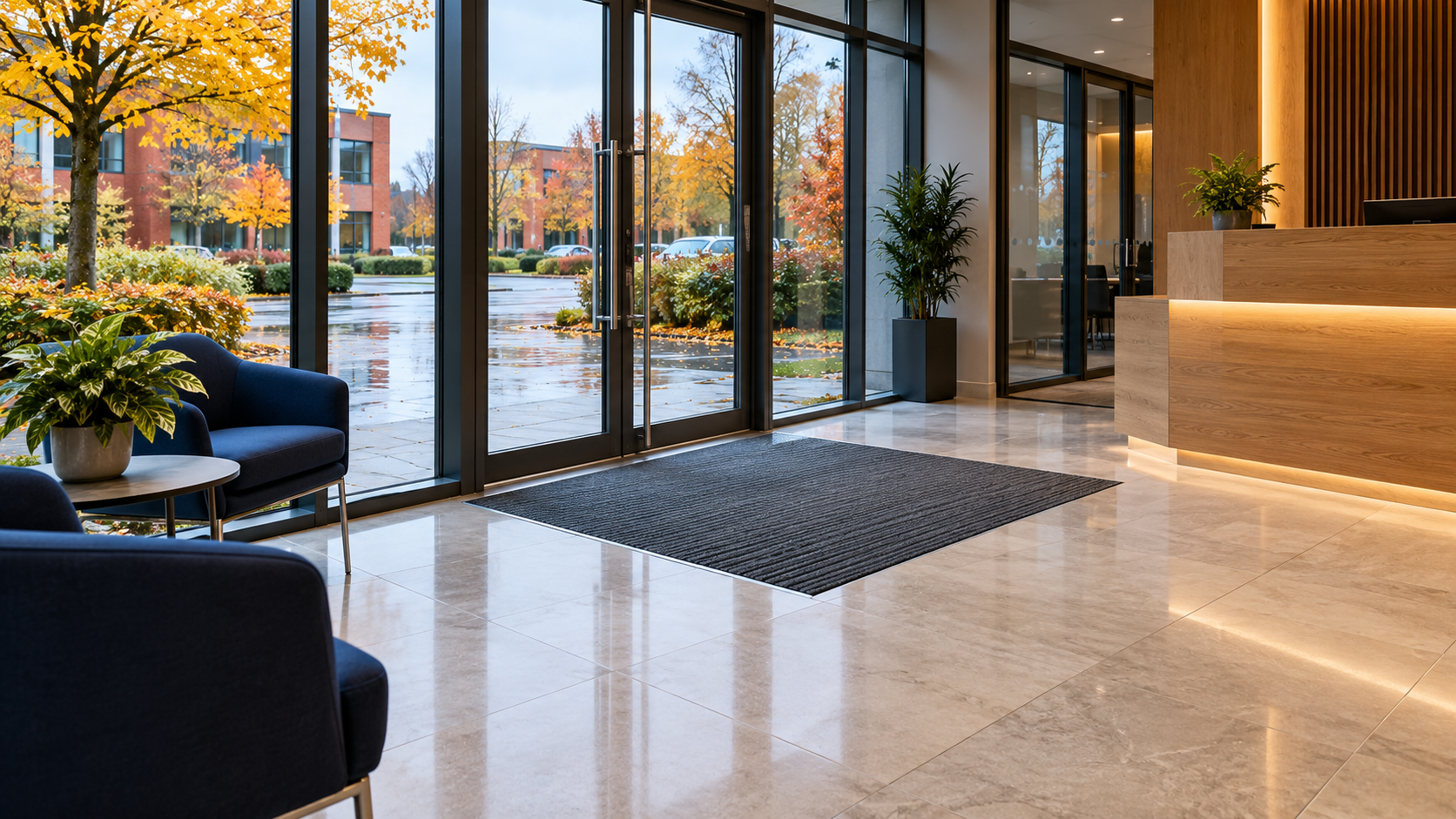
Look at the floor after people have come in from the staff door. A wet mat may hold moisture, but dry soil can reach an internal corner, the first carpet tile or the base of a chair. Staff and visitors may use different doors and carry material to different parts of the office. Walk both routes and show the provider where the flooring changes. Identify who maintains the mat, floor edge and threshold. Flag damaged tiles, loose strips or damp that needs the building contact. Routine floor work and a repair are different items even when they affect the same area.
Point out the carpet marks you want assessed and explain any previous treatment. A dark route across a busy office can reflect repeated use, while a mark beside a meeting chair may be an individual spill. The condition and surface affect what can be discussed. For work beyond routine vacuuming, see commercial carpet cleaning in London. Tell us how equipment can enter, who can move suitable furniture and when the room can be kept clear. If people need to cross the floor to reach a duty desk or another room, include that deadline.
Inspect the same section before the first shift and after people arrive if you want to understand the source. The first check helps show how it was left. The later one can show where dirt is entering again. Give both observations a time and location. You can use them to review the mat or route, change the ordinary task order or discuss separately planned carpet work. A useful floor scope reflects the actual path people take rather than treating all carpeted areas as if they are used the same way.
Give the staff kitchen a clear handover at the end of a break
In a workplace with several shifts, the kitchen may be in use when the cleaner first arrives. Ask who is normally the last person to use it and what the staff will clear. A shelf for personal mugs or containers may be enough to give access to a worktop. Agree which counter, sink and bin areas can be reached after preparation. If the room stays occupied, name the task the cleaner can start elsewhere and the person who can confirm that the kitchen is free. If no reliable gap exists, discuss a different visit time instead of leaving the task in a slot it rarely fits.
A worktop, appliance exterior and appliance interior need different preparation. Tell us which equipment stays in place and what staff can move safely. If you want an interior clean assessed, agree who will empty it and what to do with anything left inside. Show the floor around the bin and areas where fixed units prevent access. If an ordinary storage box blocks the same part of the room on each visit, ask where it can go. The office can then check whether the new arrangement gives the cleaner access, rather than asking for more time without changing the condition of the room.
Walk the authorised waste route at the proposed time. Identify the correct containers for office rubbish and what staff or another service handles separately. If an operational team uses the same route for packaging or stock, say when it is clear. Agree whom to contact if a store is closed. A completed kitchen visit depends on the waste destination as well as the clear surfaces inside the room.
Check the room that matters at the moment it needs to be ready
Choose two or three checks for the start of a shift or the first visitor. You might inspect the exposed counter, the entrance floor and the washroom supplies. Write the expected result and where to look. Ask the site contact to record when the area was checked and whether it was already used. A description of the same place at the same point in the day gives you a basis to compare results. It also helps separate what happened during the visit from what staff or visitors did afterwards.
Agree how to report a missed task. Record the room, time and reason if known. A door blocked by goods needs the site contact, while a damaged floor edge needs maintenance. A reachable surface that was not covered can be reviewed against the agreement. Those situations suggest different actions. If access is interrupted, give the cleaner a contact and another task where possible. The provider can then continue with the rest of the work without leaving the office unsure why the particular room was missed.
Use the first review to test one adjustment at a time. If the kitchen becomes free later than expected, change the visit order and see whether the agreed result is ready before the next shift. If a route is regularly blocked, ask the people responsible for it when an authorised alternative is available. Keep the new instruction with the site brief. This makes a practical improvement easier to see and prevents an issue at one door or room from becoming a change to the whole schedule.
Compare quotes that allow for the same route, preparation and room list
Give each supplier the full address, the rooms you control and the approved visit window. Include any sign-in, wait for a keyholder or trip to storage. Explain which things staff prepare and what the building already covers. Ask what routine tasks happen at each visit, what can be rotated and which supplies are included. A quote that looks short might assume everything is ready and accessible, while another might include travel between floors or work in a different room. Compare those assumptions before comparing cost. It helps to have the proposal state the ordinary work clearly by area.
Put separately planned work on its own lines. This could include assessment of a carpet, preparation of an empty room or work on another part of the premises. Give the condition, access, timing and people who can clear the area. Ask the provider what still needs to be inspected. Do not expect a larger job to fit into the same visit merely because it takes place beside the office. A separate price gives you a way to decide when to commission it without losing track of the work you need every week.
Discuss how the schedule changes when another shift begins or the office adds a room. A change to staffing or an entrance can affect the time available without changing the floor area. Identify who can agree changes and how the office will inspect them. A written quote remains useful after the first visit if it shows the work, timing and preparation the office and cleaner have agreed to provide.
Prepare a unit for a change of layout without losing the regular work
If your Park Royal office is moving desks or using a room for a new purpose, tell us which areas will remain open and which can be assessed separately. A room free of staff may still contain equipment, trades or supplies. Give the dates it can be reached and the deadline for reopening. Identify the person who can confirm that other work has finished and the items that will remain. An initial or periodic quote can be discussed separately from the continuing work so the office has a clear idea of what each visit is expected to achieve.
Ask the person inspecting a handover which surfaces and rooms are included. If the tenancy ends at the office door, check who looks after the adjoining route. Record existing wear, repair work and any care guidance for a new finish. Agree who will clear furniture and materials before the work can go ahead. If the site has a separate route for equipment during the move, tell us who approves it and when it can be used. A practical handover brief sets out the condition and access rather than relying on a broad request to clean the entire unit.
After the move, walk the occupied rooms again. A new desk layout can change the route people use from the yard, the place where waste is stored or the area that needs to be ready first. Update the scope, staff preparation and access instructions. This makes it easier to continue the tasks that still suit the office and agree any work that needs a different time or frequency.

Keep Park Royal’s local rules with the right site
If you manage a group of offices, the same review format can help you compare the results. Keep the room list, entrance and visit hours specific to each building. A Park Royal unit that shares a yard and a welfare room will have different instructions from a private suite. Give each address a contact who can confirm access and one who can approve changes to the work. The same person may do both, but do not assume a central manager can open every site. If one address has an earlier start date, mention it separately.
See our North Acton office cleaning guide and Harlesden office cleaning guide for nearby premises. The London office cleaning page lists other areas. Tell us which address can be assessed first and whether an access decision still needs site or landlord approval. Each quote can then identify the practical arrangements while allowing the same facilities team to review the work. This helps prevent a change at one office being applied to another with different requirements.
For the Park Royal site, send the address, permitted route and the rooms you want assessed. Tell us about the earliest deadline, the busiest handover and any work that needs its own slot. We can discuss what to look at during an assessment and which areas to keep separate. If you already have a routine, give a specific example of what you want to improve and when the office needs the result.
Frequently asked questions about office cleaners in Park Royal
What helps with a Park Royal office cleaning quote near Abbey Road?
Give the full address, unit and approved entrance. Describe the office and any shared facilities you want assessed. Include sign-in, shift times and the room that needs to be ready first. If the public and staff entrances differ, say which one can be used during the visit.
Can we include the office but leave the operational floor out?
Yes. Show the door or surface change where the office ends and identify shared welfare rooms or routes. Tell us what the operational team handles. The quote can list the office work and any wider areas you want assessed separately.
How should we allow for vehicle movements near the entrance?
Give the authorised pedestrian route and name the person who can confirm access. Explain when deliveries or other activity make a route unavailable. Discuss what can be reached during the proposed slot and whether another time or approved door is needed.
Can visits fit between the day and evening teams?
Tell us when each room is free and when the next group needs it. Identify the tasks staff can prepare and what can happen elsewhere if a room is still occupied. A short gap may suit priority tasks while other work is discussed for another time.
Should the cleaner move orders or records from a dispatch desk?
The office team should clear business materials and identify items that must stay in place. Describe which exposed surfaces and floor areas the cleaner can reach. If the desk is rarely clear, discuss a different time or a separately agreed task.
What if the staff washroom is used after the office closes?
Give the normal times the room is occupied and when it can close for work. Identify who manages it and what stock is available. Discuss a different task order or visit time if the office’s closing hour does not match the washroom’s availability.
Can a carpet visit be quoted separately from the regular office work?
Yes. Give the carpet condition, equipment route and time the room can be left clear. Explain who moves furniture and whether another room still needs access. These details can help the provider assess the work independently of the regular visit.
Can we request Park Royal and North Acton quotes together?
Yes. Give each site its own address, entrance, room list and contact. Tell us which one is ready to be assessed first. A common quote or review format can still keep the shift times and access rules separate.
Request an office cleaning quote in Park Royal
Call 0203 092 2297 or request a quote online. Include your address, unit, authorised entrance and the rooms to assess. Explain when the office and staff areas are free and whether a shift, delivery route or shared access affects the visit.
See office cleaners London for wider coverage and more locations.
Clients we service
Organisations featured across Complete Clean Management’s client portfolio.
















GOOGLE CUSTOMER REVIEWS
What our customers say on Google
Selected review excerpts from Complete Clean Management’s London Google listing.
★★★★★
“Really happy with the deep clean! The team were friendly, professional and did a fantastic job.”
★★★★★
“We engaged with Complete Clean Management and they came in and did an absolutely fantastic job.”
★★★★★
“We have recently started to use Complete Clean Management for various cleaning services to our domestic and commercial renovation projects.”
★★★★★
“The team is punctual, professional, and pays great attention to detail.”
★★★★★
“We’ve been using this office cleaning service for several months, and it’s been outstanding.”
★★★★★
“Complete Clean Management has transformed the cleanliness of our workspace.”
Selected excerpts, checked 6 November 2026. Leave a Google review ↗