
Complete Clean Management · North West London
Office Cleaners Pinner
Professional office cleaning tailored to your premises, working hours and priorities.
Request a free quote Call 0203 092 2297

A cleaning brief for a Pinner office with its own front door
An office on or near Pinner High Street can be easy for clients to find while being awkward to service. The front door might open straight into a waiting area, with no separate lobby in which to leave a bag or a trolley. An upstairs suite off Bridge Street may have a very different route for cleaners from the one visitors use. When you contact Complete Clean Management, give the full address, the entrance you use outside office hours and the rooms your business controls. That helps us discuss a cleaning proposal for the actual working space, including any places a landlord or another tenant looks after.
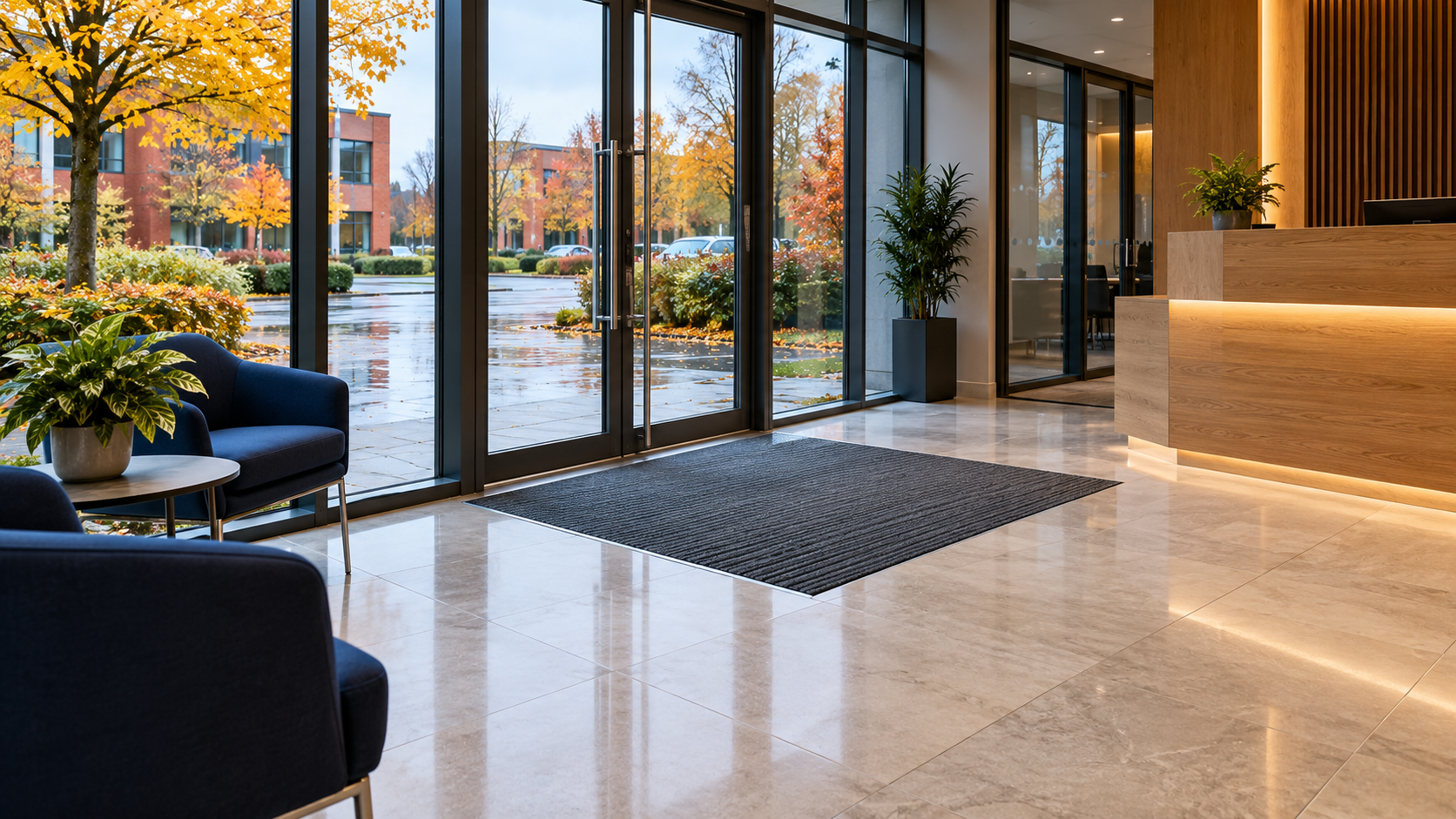
Start with the view from the street door. Where do guests put wet umbrellas? Does the mat catch grit before people walk over to reception, or only once they have crossed a tiled threshold? Is there a place to clean the approach without leaving equipment in front of a door? These details are useful because they show where a short visit can make the most difference. A side entrance used by staff may need a different routine. Ask about each route separately so a visible front room does not get all the attention while the entrance staff use every day collects dirt.
Before asking for a visit frequency, note how long the building sits empty, whether the door is ever left on a latch for appointments, and which areas stay in use during lunch. If a receptionist locks up alone, build the handover around a contact who can deal with an access question. Our office cleaners London page explains the wider service; this guide focuses on what to bring to a conversation about your Pinner premises.
Cleaning over two levels with no spare cupboard
Where a Pinner office occupies part of an older building, the footprint on a lease plan may conceal a series of short flights, landings and small workrooms. A cleaner carrying equipment between levels has to account for that movement each visit. Walk the route at the site survey and show where equipment can be put down safely. If supplies can be kept on the premises, confirm who can use the cupboard and which shelves are available. A shared cupboard containing tenant stock, stationery or coats may be unsuitable even if there is space on the floor.
A narrow staircase can also affect the order of tasks. It is easier to plan cleaning of treads, nosings and handrails at a time when staff do not need to pass every few minutes. Ask the office team whether people need access between levels during the proposed slot. If there is only one way down, explain how the cleaner and the building contact should communicate and keep that route available. A hall, landing or shared staircase outside your demise needs to be discussed with the party that controls it before it is put into the cleaning agreement.
On the work floor, look beyond the carpet rectangle. Door stops, the edges beside radiators and the floor under an open staircase are small areas that a square metre figure does not capture. Similarly, an upper floor with just two private rooms can take longer to access than a larger open plan area. On the quote request, list the floors and any pinch points rather than supplying area alone. That will give you a basis to compare schedules without assuming that equal floor areas need equal visit times.

Looking after materials in a space that has changed use
Fit-outs often leave several generations of finishes in one premises. A former retail room might have a hard floor at the front, a patched junction under an internal door and carpet tiles in the rooms behind. Furnishings and paintwork may be recent even when the skirting, stair edges or entrance threshold are much older. Tell the surveyor if the landlord has given you any care instructions for those surfaces. Mention areas already chipped, loose or marked so their condition can be distinguished from everyday dirt.
Where teams work around fitted cupboards or awkward corners, it can be tempting to add a broad instruction such as “clean all wood”. A useful scope describes the particular object and the intended task. Dusting an exposed sill and removing sticky marks from a painted internal door are different jobs. Original or delicate fittings may need to be excluded pending advice from the owner, while modern laminate worktops can be listed separately. Confirm with the site contact which surfaces can be reached routinely and which must be protected or left alone.
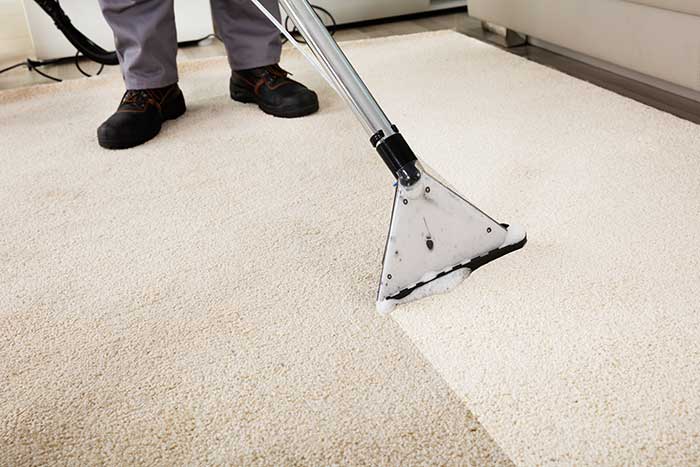
Take the same approach to upholstery and rugs. Identify any items the tenant supplied and any items furnished by the property owner. If a carpet has a recurring mark near a threshold, show where it begins and whether it lines up with a mat edge or a door that drags. That evidence can change the next action, whether it is routine dry soil removal, a conversation about periodic carpet care or a maintenance report to the property manager. A useful cleaning specification separates those jobs.
A visitor route from Bridge Street to the meeting table
For an appointment office near Bridge Street, reception may be just a doorbell, a flight of stairs and two chairs outside a meeting room. A visitor notices that entire route before they meet anyone. Walk from the bell to the chair at the start of the working day and record what is actually visible: fingerprints on the inside glass, crumbs under the seats, marks next to a sign-in shelf or scuffs on the landing wall. That short route often gives better starting priorities than a general requirement for the whole office to look ready by nine.
Where meetings run back to back, decide what your own team can reset while the cleaner is off site. A tray left for used glasses gives staff somewhere to clear a room without leaving mugs across a worktop. Put the movement of confidential notes, laptops and cables with the meeting host. Agree what the cleaner can wipe once the table is clear and what happens if the room is still booked at the scheduled time. A room with bookings until close may benefit more from an early visit than from a late visit that cannot get through the door.
If the client route includes facilities you share with another occupier, ask them about their expectations too. One suite may use a common corridor or toilet without having the authority to commission its cleaning. It is helpful to map which marks are your tenant issue and which are an issue to raise with the manager. When you show us the office, let us know which standards you want in the areas your team actually manages, and who can approve work elsewhere.
Desk cleaning when there is work you cannot move
A small Pinner accountancy office or design studio may have a table that doubles as a workbench, a place to review documents and an informal meeting space. If papers or samples are still out when the cleaner arrives, the whole surface cannot be treated like a clear desktop. Arrange a safe place for the things the cleaner should never handle, and agree which exposed areas can still be cleaned. A spare tray beside the work surface may help, provided the people who own the material are responsible for moving it before the visit.
One useful exercise is to divide desks into personal, shared and demonstration areas. Personal workstations can be cleaned to the scope staff have agreed. Shared touchdown desks may need a different emphasis on the available surface and places people touch between sessions. Demonstration tables can be prioritised on days when external visitors are expected. Explain any special instructions for screens, keyboards, headsets and fixed controls. A shared headset is still equipment, and a cleaner should know whether your team handles its care or whether it forms part of a separately agreed instruction.
Pay attention to chairs when specifying floor tasks. If a chair can be pulled out without disrupting a cable or bag, set that expectation. If a workstation has a power block, bags or an open box on the floor, show how staff are expected to prepare the space. Decide what to report when a recurring obstruction makes the same patch inaccessible. A blocked space noted consistently is actionable: an office manager can deal with the cause rather than wondering why a visible mark keeps reappearing.
Working out who refills the small washroom
A single toilet for staff and visitors can matter more than a bank of little-used facilities elsewhere. If it sits beside the office kitchen or at the end of a shared landing, its use may be hard to infer from your own headcount. Ask who uses it during a normal day, where the supplies are stored and who can reorder them. The routine can specify which fixtures and handles are cleaned, and also make clear whether restocking from supplies already on site is part of the work. A written order point helps when the office manager is on leave.
Check how dispensers are opened and which products they accept. Leaving a generic box of paper towels for a dispenser that takes a particular fold can leave it empty even when there is stock in the cupboard. Show where spare rolls, soap and bin liners can be kept out of the way. For sanitary disposal or replenishment arrangements that are outside a standard cleaning visit, consult the washroom services page and discuss which needs belong in your proposal. Note any existing provision so quotes compare like for like.
Leaks, blocked sinks, unreliable fans and loose toilet seats should have a route to the person responsible for maintenance. If the cleaner sees a fault, tell them whom to notify and what to do about access in the meantime. For a washroom used by two different suites, one shared contact can make reporting easier. Agree how the tenant team can tell whether a complaint is about cleanliness, supplies or a repair. That distinction is practical: it gets the issue to the right person faster.
Managing grit on steps, mats and carpet edges
An entrance in Pinner with a short external step and a small indoor mat can carry a surprising amount of dry grit into the first room. Look at the edge of the mat after a busy day and at the turn where people head towards reception. Those two points can reveal where everyday cleaning time is best spent. Check that mats sit correctly and flag movement, curling or damage to the building contact. In an entrance you share, find out who is responsible for the mat and when it can be lifted.
In meeting rooms and on office stairs, compare the route people walk with less used edges. A darker lane may reflect ordinary wear, repeated soil, a spill or the shape of a light fitting. Show problem spots during the survey and explain whether any treatment has been tried. For a discussion beyond regular vacuuming, see commercial carpet cleaning in London. The way a carpet is fitted, its condition and the time available before the room is occupied again all help determine what can be quoted.
If chairs and tables are heavy, agree what the tenant will move and where furniture can go. Large pieces should never be shifted into a fire route just to expose the floor. Tell the provider about carpeted steps, small rugs, inset entrance matting and loose tiles before any work is booked. If the office opens early the next morning, build the reopening plan around the expected condition of the floor and the advice agreed for the chosen method. A periodic clean should work around the building's use, as well as its size.
Keeping a kitchenette usable with one sink
In a compact office kitchenette, the same sink may handle cups, food preparation and water for routine tasks. At the end of a busy afternoon, a pile of lunch containers can hide almost the entire surface. Decide whether staff will clear that sink at a fixed time and where they should put anything waiting to be washed. The cleaning brief can then explain what will be done once the sink and worktop are accessible and how to record that a surface could not be reached.
A useful kitchen check looks at different kinds of work. The outside of the microwave and the handle of the fridge might need regular attention, while cleaning the interior of either appliance needs access and an agreed handover. The tenant can label items and tell staff when to clear shelves if a fridge clean is being planned. Where fresh coffee grounds or tea bags repeatedly miss a narrow bin, consider moving the bin or adding a small container; it can be cheaper than spending time clearing the same spill under the unit at each visit.
Waste arrangements need the same precision. Show where your bags go when they leave the kitchen, which containers are for your business, and whether a rear door is available during the cleaning window. An upstairs tenant may not have a key to the external bin store, even if the cleaner can reach the office. Have the building contact check that route, and make clear how food waste, confidential material and normal waste are handled at your site. That avoids an unexplained bag being left by the entrance.
An access plan that works when the keyholder is away
The first access question for a Pinner office might be whether the cleaner can enter alone. The second is what happens when the person who normally meets them is away. A useful plan covers both, including a route to get in, a contact for problems and a safe way to end the visit. Ask how a missed visit will be logged if the doors are locked. Write down who can confirm an alternative slot so no one has to decide at a closed door with a bag of equipment.
Different tenants in one building may have separate alarms or sections that are armed at different times. An entrance that opens can still lead to a corridor the cleaner should not enter. Demonstrate the agreed route on the first walk-through and use an appropriate secure method to share any sensitive instructions. Do not put alarm codes into a general quote form. If building access varies for evening events, tell the person coordinating visits where changes are announced and how much notice is usually available.
Access also affects deliveries and stores. A team may be able to walk from the front door to the top floor but have difficulty carrying larger equipment through that route. Before booking a carpet visit or any extra project, ask whether there is an alternative access point and what can be arranged with the property owner. If an external lock is replaced or a keypad updated, your contact needs to tell the cleaning provider as well as staff. It is a small item on a handover list that can prevent missed work.
Comparing quotes by what happens on a real visit
For an office in Pinner, request a clear schedule rather than relying on a single description of general office cleaning. A daily or weekly figure is only comparable when you know what areas the provider can reach and which tasks happen each time. Ask one supplier to clarify whether stairs are included, another to identify who supplies consumables and both to state which floor work is periodic. Put any unresolved landlord responsibilities in a separate column so they do not distort the comparison.
Describe two examples: a quiet day with very few people in, and a busy day when all meeting rooms are booked. For the quiet day, decide whether washrooms or bins still need attention. For the busy day, ask if the cleaning slot allows a full reset after the last meeting. You may find that your budget is better spent by shifting part of the work between days. Our commercial cleaning in London page covers the wider service if a proposal also needs to consider other business areas.
Set aside time for a first review once the agreed routine has been running. Ask the office contact to record a handful of specific observations, such as an unemptied kitchen bin or visible grit on the top step after a visit. Use that to determine whether a task needs clearer instructions, more time, or simply access at another point in the day. When a quote makes those details easy to inspect and change, both parties have a fairer way of deciding whether the schedule is doing its job.
Planning periodic work around clients and leases
The best time for detailed work may not be the day the office is emptiest. A morning with no clients may still have deliveries, a staff meeting or the building engineer due to check equipment. Before asking for a deeper visit, choose the rooms that need to be available first when staff return and list any furniture, files or plant that could hold up access. A separate list of work to be priced lets you compare optional jobs without accidentally commissioning tasks the lease assigns to someone else.
Examples might include detailing edges below fitted reception seating, tackling accessible carpet in a rarely vacated back room or preparing rooms after a furniture change. Check where items will be stored while the work goes ahead. If a lockable room holds files, organise entry with the person responsible and say if they need to remain on site. Keep construction dust, paint splashes and work inside a ceiling void separate from an everyday cleaning requirement; provide enough information to discuss whether any special arrangements are needed.
If you are moving in or out, record the condition before the first cleaning visit and agree who will inspect at the end. Fixtures, repairs and abandoned items often belong to different people, and photos that avoid sensitive material can help establish what was present before work began. In a building with an older frontage, check who is responsible for anything outside the office door. Present the actual work you want agreed instead of assuming the term “handover clean” has the same meaning to every supplier.

One contact for several small offices without one rigid checklist
A business with a Pinner office and space elsewhere in the area can share a contract contact while giving each site its own plan. Have a one-page note for each address setting out the doors, permitted visit window, surfaces, waste destination and who can make a decision on the day. At one address the visit might hinge on access to a shared landing; at another, a larger desk area and no shared washrooms can change the timing completely. Review the exceptions so a small problem at one address does not create a new instruction for every site.
Nearby pages include our guide to office cleaning in Northwood and information for workplaces in Kenton. The office cleaners London guide gives the wider context for coverage and services. Use these when comparing requirements across a portfolio; a single scope can describe the overall relationship with separate line items for individual premises. That makes it easier to add, review or remove one address without losing the records for the others.
For the Pinner address, send a short note with the postcode, approximate number of staff, number of floors and the main concerns. If you already have a schedule, point out which lines cause friction rather than starting from a blank sheet. We can discuss the areas to see when preparing a quote, the agreed cleaning tasks and which optional work should be priced separately. If other tenants or an owner must agree access, tell us before a visit is arranged so we can focus the conversation on a workable plan.
Frequently asked questions about office cleaners in Pinner
Can I request a quote for one upstairs room off Pinner High Street?
Tell us how you enter, whether the stair and toilet are shared and where supplies could be kept. An office with one main room may still have several tasks at different points along the route. We can discuss how to define the rooms you control and the visit window before agreeing what to quote.
What do you need to know about an old timber threshold?
Show us where the timber is exposed and whether you have any care instructions from the landlord or flooring supplier. Mention loose strips, worn coatings or any recent repair. Agree the surfaces and methods to include before work begins so the daily clean can respect the condition of the threshold.
Can the front room be cleaned before our first Bridge Street appointment?
Give us the earliest arrival time and the time the entrance can be opened. If the slot is short, identify the areas that must be ready before a visitor arrives and those the cleaner can work on later. Any timing depends on access and the schedule agreed for the premises.
What if we have nowhere to store cleaning equipment?
Flag the lack of storage when you ask for a quote. Show how equipment can be brought in and carried to the rooms and where it can be placed safely while someone is working. The options depend on the access route and the tasks to be priced.
Should we ask our landlord to clean the entrance mat?
If the mat belongs to the shared hallway, check the lease or ask the property manager who has responsibility before adding it to a tenant brief. If it sits inside your own office, show it at the survey. The cleaning schedule can make the two responsibilities clear.
Can you quote while we are still fitting out our Pinner suite?
An early discussion can identify access, surfaces and likely use, but give us the anticipated handover date and note anything that may change. A finished space can be checked before confirming the routine. If builders are still working, describe any initial cleaning separately so it can be considered on its own.
Can we pause cleaning in one office during a records review?
Tell us the affected room, the days it is unavailable and what should happen elsewhere. Agree who can confirm when normal access can resume. It is better to identify a room as temporarily out of scope than to leave the cleaner to decide which records can be moved.
How can we compare cleaning bids if our lease includes the toilets?
Ask for the tenant office price with shared facilities clearly excluded and include the landlord schedule for reference. If you have a separate toilet inside your own suite, mark it on the brief. You will then see which tasks each supplier has priced and which are already covered by your building charge.
Ask for an office cleaning proposal in Pinner
Call 0203 092 2297 or request a quote online. Say whether the Pinner address has a street door, stairs, a shared hallway or a separate route after hours. Include the two or three things that would make the biggest practical difference, such as a clearer reception before appointments, better coverage on the stairs or a washroom restock arrangement.
We can then discuss where the cleaner needs access, what your own staff or landlord are responsible for and how to set out the visit. Browse the London office cleaning guide for other locations and services.
Clients we service
Organisations featured across Complete Clean Management’s client portfolio.
















GOOGLE CUSTOMER REVIEWS
What our customers say on Google
Selected review excerpts from Complete Clean Management’s London Google listing.
★★★★★
“Really happy with the deep clean! The team were friendly, professional and did a fantastic job.”
★★★★★
“We engaged with Complete Clean Management and they came in and did an absolutely fantastic job.”
★★★★★
“We have recently started to use Complete Clean Management for various cleaning services to our domestic and commercial renovation projects.”
★★★★★
“The team is punctual, professional, and pays great attention to detail.”
★★★★★
“We’ve been using this office cleaning service for several months, and it’s been outstanding.”
★★★★★
“Complete Clean Management has transformed the cleanliness of our workspace.”
Selected excerpts, checked 6 November 2026. Leave a Google review ↗