
Complete Clean Management · East London
Office Cleaners Plaistow
Professional office cleaning tailored to your premises, working hours and priorities.
Request a free quote Call 0203 092 2297

Choose the right cleaning window for a Plaistow office
A Plaistow office may open to visitors for only part of the day while the team continues working behind the front desk. Start with the first time each room needs to be ready. For a Barking Road premises, this could mean preparing the entrance and waiting seats before the first appointment, then leaving a quiet workroom available for telephone calls until later. For a small office nearer the station, staff might work on site on particular days and need the desks ready before a morning handover. Put those conditions ahead of a decision about visit frequency. They determine what work can be reached and what a cleaner can complete without an interruption.
Draw two paths through the office. Follow a visitor from the door to the seat or table they use. Then follow a staff member from their workstation to the kitchen, printer and washroom. The paths may use the same entrance and then have different priorities. A table visible from the street can need attention before the first meeting, while a heavily used staff surface may need a check after the last break. If you have two suites sharing a reception, decide who prepares it and where each office takes over. Agree how a cleaner hears that a room has been released rather than relying on the front door being shut.
When requesting a price, give an example of a normal day and one with heavier use. Say which spaces people can give up briefly, which have to stay open and who can make those decisions. Use room names that staff recognise, then identify a realistic time by which each area must be ready. A room list accompanied by a diary is often more informative than a floor plan alone.
Explain the route from the street to the work area
Use the exact office door on the brief. A suite above other premises may have its own street entrance or share a hallway with other occupiers. Give the name on the buzzer, the floor, and the person who will meet the cleaner. The TfL Plaistow station page can help orient a visitor who arrives on foot. Add the building-specific approach from there, and record any different door needed for equipment or supplies. Where a common entrance locks early, explain how the duty contact will know that someone has arrived.
Check the route when the work is likely to take place. A rear passage that looks easy to use during a quiet site visit may be occupied by a delivery later. A corner near a shop entrance can be difficult to pass when someone is moving stock. Check whether the usual approach can accommodate an ordinary kit and separately assess machinery for occasional work. Walk the route all the way back out with the building contact. Note which gates or doors are operated from one side and what happens if the person opening them leaves before the visit ends.
Give a relief cleaner enough information to identify the door and the room with equipment. Include the name of a second authorised contact if the person who normally opens up is away. Keep keys and access codes in the arrangements approved by the property manager. The work list can describe the route and expected actions without recording sensitive credentials. If a door fails or an agreed route is blocked, give the cleaner an approved place to wait and a contact to resolve it.

Keep office waste secure between the clean and collection
Newham’s timed waste guidance for businesses and landlords includes streets relevant to Plaistow, such as Barking Road, Balaam Street and Prince Regent Lane. Check the instructions for your address and with your provider. The time to clean the office is a separate decision from when rubbish should be presented. An evening visit may finish well before the applicable slot. Name the person who takes charge of the material in the meantime, and write down the step at which the cleaning team hands over.
Follow the path from desks to the correct store. If another business shares the passage, identify which containers belong to which occupier. Label the right place and check whether it can be reached after the front office closes. Give the cleaner a way to report a locked door or a full bin. Keep an authorised holding point inside the premises that leaves exits and shared routes clear. Agree what to do when a delivery is late or a collection is missed. In a small office, a few bulky boxes can quickly make an otherwise adequate arrangement unusable.
Tell staff where to put records that need confidential handling and where to leave packaging waiting for a return. The cleaner needs to know which items can be taken from an ordinary bin and which have their own owner. A sign inside a cupboard can help staff sort material before it reaches the store. Review how the system worked after the busiest appointment or delivery day, then change the position of an internal container or the timing of the handover if needed. Pass any change to everyone who opens, cleans or closes the office.
Prepare the reception around the people who actually wait there
Stand at the first place a visitor stops and look at what they can see and reach. The surface beside the nearest chair may be used throughout the day while a larger table behind the counter stays untouched. Check the sign-in point, front door pull, seat arms and the place where people put wet coats or bags. Ask the cleaner to check those spots at the appropriate time. A front room may also need an occasional visit with enough time to reach the floor below chairs and the marks behind a movable screen. Put those longer tasks on a separate line.
Agree which objects can move and who takes responsibility for forms or devices. A tablet may be fixed to a stand. A tray of documents can be ready for a visitor the next morning. Give staff a specific place to put papers that should stay and a deadline for making the rest of the counter accessible. If reception serves an appointment room too, agree how the booking lead tells the cleaner when the door can be opened. A chair in the corridor may belong to a visitor still inside, so the handover should come from a person who knows the room is empty.
A practical test is to look at the reception just before the first appointment after a normal visit. Observe whether the room is ready to use and whether the walking line is clear. If there is a regular problem, record where it is and what happened before the check. The issue may come from people arriving early, a spill that happened later or a surface that has not been made available. Follow up with the person who can change the relevant part of the arrangement.

Distinguish a tenant’s stair from a landlord’s common route
An office above a shop or beside another suite may rely on a staircase that belongs to the whole building. Ask the manager to show the scope already covered and mark where the office’s work starts. The front door, the bottom steps and the handrail may belong to one agreement, while the landing outside the office is in another. A shared door may need separate attention on each side. Confirm what happens if an occupier reports a problem in an area outside the cleaning brief. Give the report a place and time so it can be acted on.
Include travel between rooms in the estimate. A narrow turn, a door that closes automatically and limited storage can add several trips to a small suite. Consider whether an everyday kit can be kept in an approved cupboard. Check the cupboard is reachable during the whole visit and where refills can be put when they arrive. Explain where equipment may wait briefly while someone lets another user pass. During floor work the route may still need to serve people from the other occupier. Agree a workable time and a position for signs that leaves people room to move.
If you also manage an office in Custom House, use the same headings for the quote and keep the access and responsibilities distinct. A single-level office with a door onto its own reception can need a different amount of time from a suite over a business. Set out shared work in its own line so a change to the landlord’s arrangement can be priced without changing the whole office schedule.
Use the entrance to find where grit travels
Look for the first mark beyond the mat after staff have entered on a wet day. It may appear at a turn towards the stairs or where someone sets a bag down before crossing the room. In dry weather fine grit can collect in a different place, such as the edge of a fitted mat or the corner under the first chair. Record when and where the mark appears. Ask the building contact to look at any mat that holds water, moves or has a damaged edge. A recurring problem may come from the entrance rather than from the frequency of carpet work.
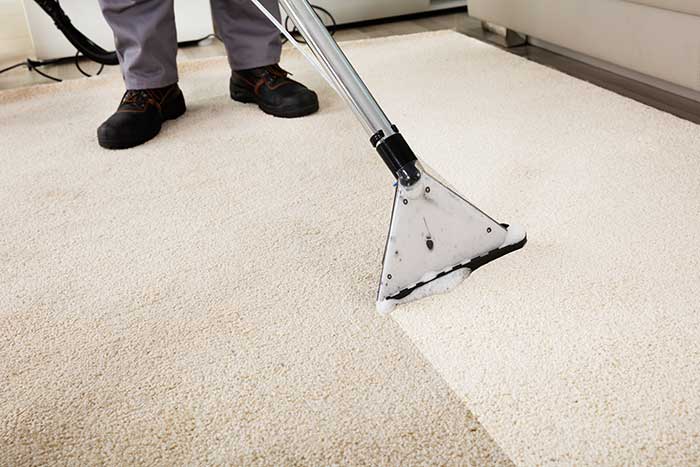
Give the estimator the materials and their condition. A hard floor may continue below a mat and change to textile flooring farther inside. A section replaced during a recent repair may look like the adjacent surface while needing different care. Identify any prior treatment and known spills. If marks remain after ordinary vacuuming, discuss commercial carpet cleaning as a separate task. Give the cleaner a clear area and enough time to put the room back before the first person needs it. Decide who moves the furniture and where it will wait.
If the entrance is also the way to a washroom, check when it can be temporarily closed. A machine or a wet floor can make the usual route unavailable. Agree how people can pass safely and who indicates when the room is ready to use again. On the first review, look at the same area before and after a period of heavy use. That gives you a basis for choosing between more frequent entrance attention and a separate floor treatment.
Put a handover around shared tables and private appointment rooms
A small Plaistow office can use the same table for desk work, a team briefing and a meeting with a visitor. Decide which use comes next and what the table should look like when it is returned. Give staff a place to move equipment and material that is still needed. Where a room holds confidential paperwork, name the person who can release the surface for work. A cleaner can deal with the clear areas while staff arrange access to an occupied one. Keep a record of what was blocked and ask the duty contact to choose another time if it happens repeatedly.
For rooms with shared equipment, make clear which items can be wiped and which stay connected. A screen stand or a set of cables may be needed in the same position the following morning. If the cleaner has to reach a floor edge or wall behind furniture, agree who moves it and when. A short visit before a meeting may have different priorities from periodic work on edges, under seats and around storage. Give the cleaner the expected layout and the time it needs to be ready. A photo of an empty room may help if the office permits it.
If your staff also work from East Ham, set the same general rules for work left out and give each office its own room release times. Use a status the person covering the room can recognise. Ask staff which bits of the handover are realistic on the busiest day. If a booking regularly runs past the access window, move that task or change when the room is made available. The scope should fit the real day rather than the tidy version of the diary.
Match washroom stock to the flow of visitors
List the washrooms in the quote and name them by the door or floor staff use. Confirm if each serves the public, staff or several occupiers. Count the dispensers in service, check what refills fit and identify the cupboard where they are kept. An empty dispenser can be the result of use or a fault. Give the cleaner a way to report the room, fixture and reserve stock. Decide who buys the next pack and who contacts the person responsible for repairs. Stock for a shared facility may belong to the landlord rather than the office.
Observe the busiest part of the day before setting a refill threshold. A small room that serves short appointments can use supplies quickly even if the rest of the office is quiet. Check whether enough stock remains for the period until the next visit, including days when the office has a longer gap. If the cleaner needs access to a store, confirm who can open it after reception closes. When stock arrives in bulk, name somebody to put it away promptly. Keep hallways clear and avoid placing equipment in the way of the next user.
Discuss washroom services if you want to include replenishment or separate servicing in the scope. Tell the estimator the responsibilities and when a room can be briefly unavailable. If there is only one facility, plan around the time that staff and visitors need it and agree a signal for reopening. When opening hours change, review the arrangement using the new pattern of use. A change to the refill threshold can be easier to implement when the building and office contacts both know who approves it.
Take a small kitchen out of the middle of a bottleneck
Watch how people use the staff kitchen and where they leave things when someone else needs the counter. A small sink can be used to fill a kettle, rinse cups and prepare drinks for visitors. Staff may be able to put used cups in one place, leaving the sink clear for the next person. Name the person who takes them away and give the cleaner a usable surface to wipe. If a shelf is assigned to personal food, agree how staff clear it before a more detailed visit. The cleaner should know what to do when that shelf remains in use.
Put work around appliances on its own schedule where it requires staff to prepare the room. Confirm which surfaces can be reached, who handles a spill inside a fridge and where unplugging or moving something requires approval. A busy kitchen may be more accessible after the last group has finished rather than during a short break. Show the estimator where equipment and stock are kept so the area can be returned to use promptly. Give the person opening the office a point to check if staff have reported a continuing issue.
Review the route between the kitchen and the front meeting room. A spill may appear on the walking line, while the source is a tray that staff cannot safely carry with both hands. Where appropriate, change the arrangement that keeps producing the problem and check whether the normal clean can reach the affected floor. Ask the duty contact to report issues by room and time. A separate kitchen handover can keep the regular visit workable even when a late appointment changes the rest of the schedule.
Decide what to do on the first day after a room is refitted
When new desks or partitions arrive, separate the handover clean from the recurring office schedule. Confirm when installers finish and who removes packing material, dust from the works or temporary protection. Give the estimator the date when the room is clear and the first time staff need it. Identify changed finishes and note any damage that is already present. A new floor patch may need particular care and the furniture position may leave different edges exposed. Ask what can be reached in the time available and who confirms the handback.
Look at whether the move changes the way people arrive, work and take breaks. A meeting room turned into desks can increase use of the nearest washroom. A new entrance may bring grit along a different route. Put the revised room list and frequencies in the brief and show which tasks can be taken out. For a broader request, use the London commercial cleaning overview and give the different work areas separate scope lines. A periodic job in a shared area may need approval from another occupier.
After the first normal week, confirm whether the plan fits the new layout. Check the spaces with the greatest change in use and the surface the first visitor sees. If something remains blocked, give it a named person and a date to review. Keep the first clean, revised regular work and any specialist task distinct in the quote. This helps when the facilities contact needs to confirm whether a charge reflects the move or a change in recurring work.
Give the opener three checks and a way to report them
Ask the first member of staff in to check three conditions that are important in this office. It could be a usable reception chair, a clear route from the entrance and soap in the washroom that visitors use. Put the room name, time and expected condition beside each check. If another colleague takes over, they should be able to make the same observation. Select at least one day with busy appointments and one more typical day. Compare them against the same description so a change in use does not get confused with a change in the work.
If something is wrong, record when it was seen and what else was happening. The room could have been occupied during the visit, or staff might have used it again after cleaning. A mat may be damaged, or the reserve stock might be kept in a cupboard the cleaner cannot open. Send the issue to the person who can act. Agree one change and choose when to check it again. If a picture is allowed and useful, photograph only the relevant empty space and keep any personal information or documents out of view.
Keep the results in a short record that both the office and cleaning supervisor can see. Bring recurring issues to the first review and identify whether they relate to the cleaning scope, access, supplies or the building. Make any adjustments in the same room list the cleaner uses. That keeps the specification usable when the person who booked the work is away and gives the office a basis for judging whether a new arrangement helps.
Build a Plaistow brief that can be compared line by line
Send the exact address, entrance, rooms and normal diary. Include floor types, the facilities staff and visitors share, and the route for equipment and waste. Describe the busiest day and the room that needs to be ready first. Give the contact who can approve access and the person who handles shared parts of the property. Show the estimator any recurring mark, unavailable desk or blocked route that you expect the service to address. Ask how the plan will work on a day when one room is still occupied.
Compare proposals against the same room list and outcomes. Ask each estimator to show recurring visits, the first clean and periodic floor work separately. Confirm who orders refills, who moves furniture and how the cleaner reports access problems. Make sure any allowance for common areas has been agreed with the property contact. If the office has a timed waste arrangement, state who takes responsibility after the internal stage. Make the first review part of the brief rather than waiting until a problem is reported.
Use the London office cleaning directory for other locations and keep Plaistow’s work list specific to its own address. Share the final room plan with the people who open and close the premises. Give the booking lead the agreed handback times and send the supervisor the same version. A scope that can be read by everyone who uses it is easier to compare, start and review when working patterns change.

Questions about arranging office cleaning in Plaistow
What should I send for a Plaistow office above a shop?
Send the postal address, the door used for the office and the floor. Show where the kit can wait and who opens any common entrance. Give a different route if larger equipment uses another door, and confirm which parts of the staircase are covered by the landlord.
Does the office clean have to end in a Barking Road waste slot?
Separate the internal clean and storage handover from presentation for collection. Confirm your address in Newham’s business guidance and with your provider. Name the person responsible if the right time comes after the cleaner has left.
Can the work start before our last Plaistow appointment ends?
Give the cleaner a room to start in and the name of the person who releases the appointment room. Agree which quieter tasks can go ahead nearby. If the meeting uses the whole window, have a way to record the room and reschedule the work.
How do we assess marks that start at the Plaistow entrance mat?
Check where people step off the mat and what remains after routine vacuuming. Give the floor material, known spills and the window when the area can stay empty. Ask about commercial carpet care if the problem needs separate work.
Who refills a washroom off the shared stairs?
Confirm the responsible occupier or landlord and the type of refill. Show where stock is available and who can log a repair. If you need a separate scope, discuss washroom services using the fixture list and opening times.
Can Plaistow and Custom House use one office cleaning brief?
Use common headings and keep separate site sheets. State the actual access and facilities for each building and ask for prices that show the work at each address. The Custom House guide can help with the second brief.
What should the cleaner do with papers left in our booking room?
Have the booking lead place material in an agreed location and release the surfaces that can be cleaned. Decide who moves anything still in use. Give the cleaner a way to report a blocked surface so it can be reached at another time.
How can we include a one-off clean after moving desks?
Give the time the office will be clear, the materials affected and the expected handback. Name the person who removes packaging and releases the space. Request a separate line for initial work and then update the recurring room list to match the new layout.
Talk through your Plaistow office cleaning brief
Describe your workrooms, access and the tasks you would like priced. For other sites, start with the London office cleaning guide.
Clients we service
Organisations featured across Complete Clean Management’s client portfolio.
















GOOGLE CUSTOMER REVIEWS
What our customers say on Google
Selected review excerpts from Complete Clean Management’s London Google listing.
★★★★★
“Really happy with the deep clean! The team were friendly, professional and did a fantastic job.”
★★★★★
“We engaged with Complete Clean Management and they came in and did an absolutely fantastic job.”
★★★★★
“We have recently started to use Complete Clean Management for various cleaning services to our domestic and commercial renovation projects.”
★★★★★
“The team is punctual, professional, and pays great attention to detail.”
★★★★★
“We’ve been using this office cleaning service for several months, and it’s been outstanding.”
★★★★★
“Complete Clean Management has transformed the cleanliness of our workspace.”
Selected excerpts, checked 6 November 2026. Leave a Google review ↗






