
Complete Clean Management · North West London
Office Cleaners St John’s Wood
Professional office cleaning tailored to your premises, working hours and priorities.
Request a free quote Call 0203 092 2297
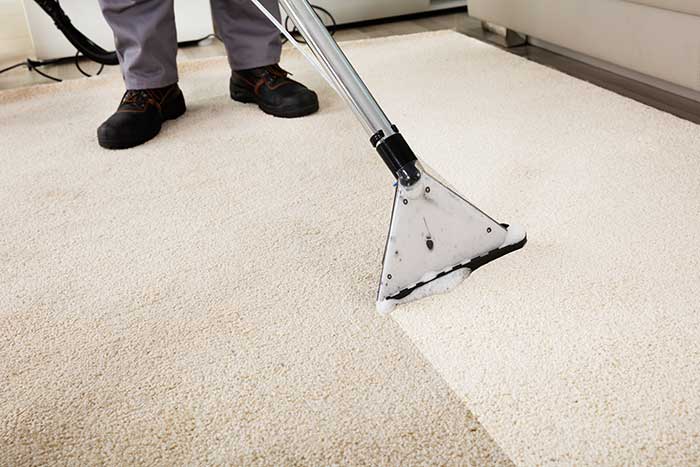

Office cleaning for a working suite in St John’s Wood
An office near St John’s Wood High Street or Acacia Road may occupy a street-front unit, an upper floor or a small part of a building with several occupiers. Its public address tells visitors where to go, but it rarely tells a cleaner which entrance is available, whether the stair belongs to your tenancy or how to reach the office without disturbing someone else. Send Complete Clean Management the full address, including the floor and suite, and describe how the premises works on an ordinary day. That gives us something concrete to discuss when you request a quote.
Start by naming the two or three rooms that have to be ready first. A small professional practice may need its waiting area and first appointment room prepared before the rest of the office. A team that works mostly at desks may care more about the staff kitchen after a busy day and the shared workstations before people return. Ask the person who opens up what they check first and ask the person who closes what is often still in use. The answers help establish when the cleaning tasks are both valuable and possible.
Use our office cleaners London page for the wider service overview. The points here will help you put together a brief for a particular St John’s Wood premises, from the visitor route and retained fittings to privacy, access and review. It is useful to bring your current schedule if you have one, with examples of what works and where an adjustment would help.
Give the first appointment its own readiness standard
Walk in from the street as a client would. A visitor to an upstairs suite may touch the outer bell, a stair rail and the office handle before seeing the receptionist. Someone waiting for an appointment may notice crumbs beside a seat or marks below the edge of the table. If your business controls those areas, set a few concrete checks for the proposed visit. Describe the parts of the route that are shared so the provider can identify which belong to the tenant’s schedule and which need to be discussed with the property manager.
Inside the waiting room, say when the cleaner can reach the seats and whether they can be moved. The furniture may have to remain arranged to leave a clear route to an internal door. Mark the small surfaces that are available for cleaning, such as the spare shelf where visitors put drinks or an accessible window ledge. If the reception desk holds forms or a device that staff handle, show the exposed areas and the items that stay where they are. That can make a short visit more predictable than a general request to leave reception presentable.
Include the earliest appointment and the time the premises opens for staff. A visit finishing before nine may still be too late if the first visitor arrives at half past eight. If someone occasionally arrives early, agree how the cleaner can work elsewhere while the room is occupied. A useful office schedule connects the work to the time it needs to be ready and gives the person doing it another agreed task when the normal order is interrupted.

Separate the office, the common stair and the entrance outside
If the tenancy begins at the door on the first landing, the appearance of the common stairs still matters to your business. It does not follow that you can commission cleaning on those stairs. Ask the property manager what is already arranged and how a tenant can raise an issue. Show the boundary during a survey by pointing to the first surface inside the suite. If the cleaner needs to pass through a shared hall or use an agreed cupboard there, explain the permission separately from responsibility for cleaning it.
There may be several ways into the building. An entrance that staff use after hours may open to a different part of the property and have a separate alarm or keyholder. Ask who can confirm the route during a proposed slot. If a door is normally open during appointments, make sure the provider knows what happens once it closes. A plan for the first visit can include a short demonstration by the office contact, who can show where to put equipment safely and which doors must remain closed.
The small details at the boundary are worth recording. The building team might look after the recessed mat and the tenant might look after a smaller mat inside the suite. A shared lobby might have a bin nobody has agreed to empty. Identify the person who can make a decision rather than letting responsibilities fall between two schedules. If you need additional work outside the tenancy, bring the building contact into the discussion and give a clear description of the area you want included.
Look after retained fittings and newer finishes on the same floor
A St John’s Wood office can combine older doors or joinery with modern desks, carpet tiles and glass partitions. Look for instructions from the landlord or fit-out supplier. Show the provider where the material changes and which parts of the finish are worn, loose or awaiting repair. A treatment suitable for a laminate table is not necessarily appropriate for an older painted surface. Discuss how any sensitive item should be handled or left aside until you have the right care information.
Write the expected job against the surface rather than asking for everything to be polished. It may be possible to remove loose dust from a ledge without trying to treat old marks in the paint beneath it. The glass panels on an internal screen may be part of the regular routine, while high glass or exterior windows require a separate assessment. In a mixed building, one window might also be accessible only through a room that your business does not control. Specify the area and the access available before putting it in the brief.
If the office is furnished with client seating, tell us whether cushions, rugs or upholstered chairs have care labels or known sensitivities. Note marks that were present before the service was discussed, and identify which pieces can safely be moved. A simple record that avoids private material can help when checking an area later. It also makes it easier to identify whether an issue is in the scope of regular cleaning, needs a separate quotation or belongs with a building repair.
Preserve confidential work at desks and in meeting rooms
An office cleaner needs to know what may be touched, what must stay in place and what staff will clear themselves. A small firm may have a meeting table that holds papers until the last person leaves. A designer may leave a layout or sample board on a large work surface overnight. Tell the site contact who moves those items and give staff a place to put them. A schedule can describe the accessible parts of the table without asking the cleaner to decide what is confidential or where to store it.
For desks, think about the difference between a shared workstation and an assigned one. Users of a shared desk might be expected to put away accessories at the end of each booking. A fixed desk can have equipment and cables that cannot be disconnected. Show the cleaner where normal access ends and identify the touchpoints and floor areas that can be reached safely. The employer should decide who looks after specialist equipment and whether any instructions need to be confirmed with its supplier.
Private meeting rooms may have a separate lock or an appointment that regularly runs late. Agree whether to move to another area, return when the room is free or record that the work could not be done. Give the cleaner an office contact who can advise without sharing appointment information. A recurring difficulty with the same room is worth reviewing with the people who use it. An earlier staff handover or a different cleaning slot can help if the problem is access rather than the cleaning task itself.
Make a washroom scope that distinguishes restocking from cleaning
A single washroom serving clients and staff can see most of its daily use in a short period. Check when it is usually busiest, which door it shares with the office and whether it can be closed for the visit. The schedule can list the floor, fixtures, door touchpoints and accessible surfaces around dispensers and bins. Give the provider the condition of the room and note where water regularly reaches the floor or paper collects. Those details can help decide what to check at each visit.
Supplies need their own instructions. Tell us who buys soap and paper, where compatible products are stored and whether a cleaner is expected to refill from those stocks. If a cabinet is locked, specify who gives access and where low stock can be reported. Ask who responds between visits if a dispenser runs empty before a run of appointments. Put plumbing faults, loose handles and broken locks on a separate reporting route to the person who manages repairs. That keeps problems from being recorded as repeat cleaning issues when the cause is something else.
Our washroom services page is useful if you want to discuss disposal or replenishment alongside cleaning. Make a note of arrangements you already have, especially if several occupiers use the same facilities. Check who can agree a change before requesting a new service for common space. The quote can then identify the rooms and tasks you want covered, the products available and the responsibilities that remain with your own staff or the building manager.
Read the path from the entrance mat to the meeting room carpet
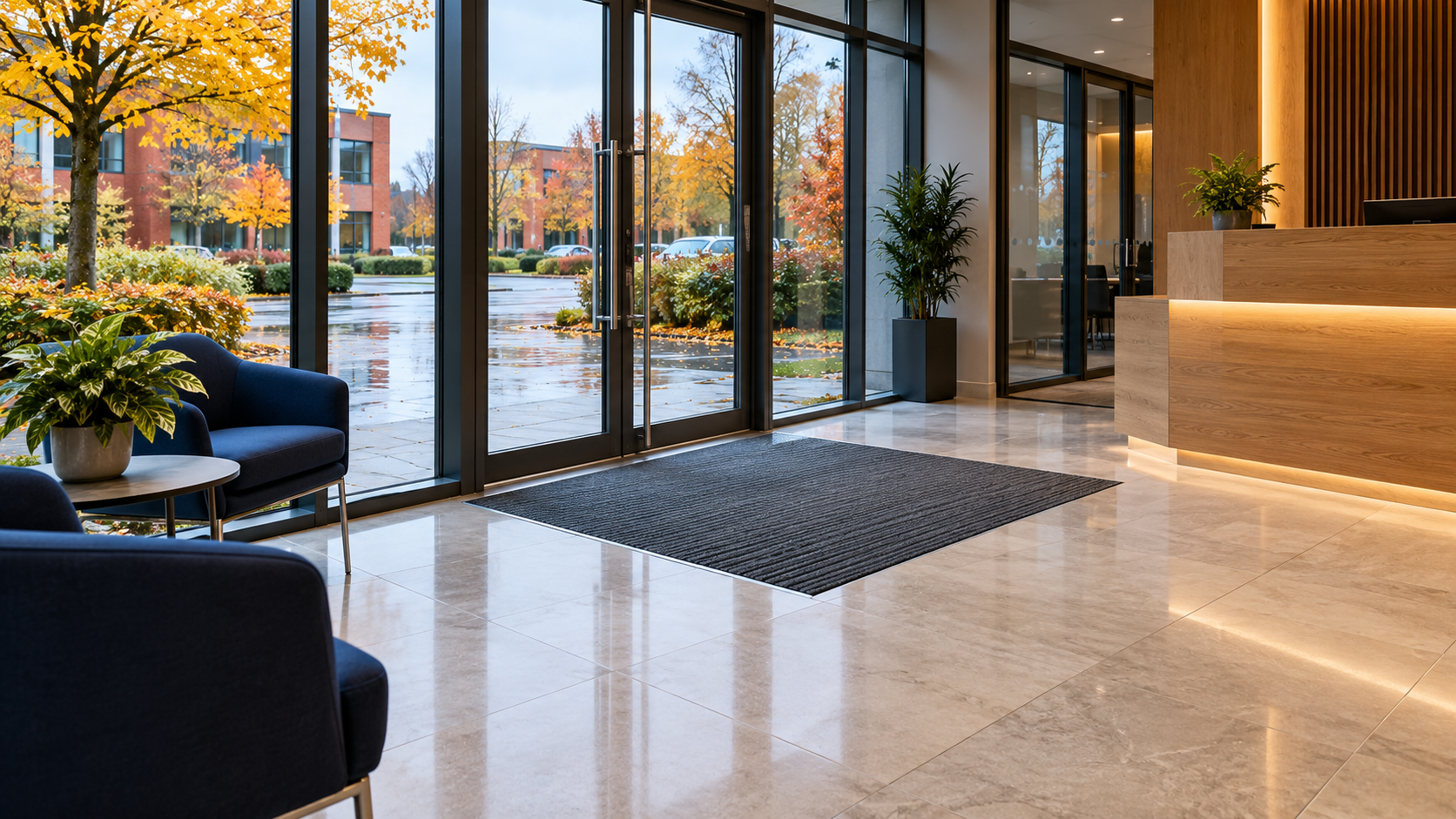
When people come in from St John’s Wood High Street on a wet day, an entry mat can catch some of the water and still leave grit at the first turn. Find the places where shoes leave the mat, pass through another door or stop at reception. Show those points before agreeing a floor routine. A strip below an internal door or the edge of a carpet tile can show where dirt gathers even if the middle of the room looks clear. Mention who can move or lift a mat if it belongs to the building.
In the work rooms, separate everyday soil from marks and wear that may need closer attention. A darker path along a corridor might look different under daylight than it does after hours. Observe it from a few angles and tell us if any treatment has already been used. Where the finish is loose or the floor has been damaged by a leak, speak to the property contact about repairs. Bring any flooring instructions to the discussion so the agreed routine reflects what is fitted and its condition.
For periodic work beyond regular vacuuming, see commercial carpet cleaning in London. Explain when the room can be cleared and when people need to use it again. If the route to another occupied room passes over the same carpet, flag that when arranging access. Ask who will prepare the room and move any suitable items, and whether work on different areas needs to be arranged separately. That lets the quote account for the real access and reopening requirements.
Leave the kitchenette available for the team’s next working day
A kitchenette inside a small suite may be an open alcove rather than a room that can be closed. Cups may still be beside the sink while someone finishes a late meeting, and food in the fridge may belong to people who are away. Give staff a simple closing routine for personal items so agreed surfaces are accessible. Decide how to record a counter that is still in use. This is often a better starting point than increasing the time allowed for a task when the cleaner cannot get to the surface in the first place.
Look at how the appliances and waste bins are arranged. A bin under a narrow counter can collect debris behind it. The side of a kettle or microwave might be exposed while wires block the area beyond. Show what can be moved safely and identify items staff need to handle. If you want an appliance interior included in a periodic task, agree in advance who will empty it and how it will be made available. Give the provider any instructions about surfaces that are scratched, sensitive or otherwise difficult to clean.
Confirm where waste goes after it leaves the office. The bin store may sit beyond a door the cleaner cannot use unless an occupier is present. If another business shares the route, agree which bins are yours and who can access them during the visit. Identify waste managed under separate arrangements, such as confidential papers. An orderly handover should say who provides ordinary liners, where clean supplies are kept and what to do when access to the normal waste destination changes.
Choose visit hours with neighbours and building access in mind
A business can be free of visitors after close while other occupiers are still using the building. Before asking about early, evening or weekend cleaning, tell us which doors are open and which activities may be limited at particular times. A lower floor that can be reached by a separate entrance might suit a different window from an upstairs suite sharing a corridor. If a room is used for calls, mention when noise would interfere and which spaces could be tackled first. A workable schedule uses the actual limits on access and use.
Check whether there is a suitable place to keep supplies and how equipment can be carried in and out. A narrow stair or short landing can change the order of tasks or the practical options for periodic work. Show the route instead of relying on an estimate from the square footage. If a delivery or an event changes the normal access point, identify the person who can tell the cleaning team. Use a private agreed process for security details and keep access codes out of ordinary enquiry messages.
Agree what will happen if a keyholder is away or a shared lock is changed. The provider should know who to contact for an authorised alternative and what to record if the visit cannot proceed. Make sure the backup contact knows which areas are in scope. A short access note maintained by the office can make the difference between a one-off interruption and a problem that repeats every time the normal contact is on leave.
Price the daily work and the less frequent jobs on separate lines
Start with a room list, the visit times available and the tasks you want covered each time. Add items you would consider on a rotating or separate basis, such as care for a difficult carpeted meeting room or detail work in a little-used area. Ask each supplier to use the same assumptions so you can see why one quote may allow more time or include different work. In a St John’s Wood property where some spaces are already covered under the lease, show those separately to avoid comparing bids for different areas.
Explain which outcomes are most important if the visit time is short. The entrance may need daily attention and the office behind it may be used by fewer people. A private room may need a set cleaning day when someone can open it. Ask what is included for supplies and how access affects timing. If the enquiry includes other commercial space, use the commercial cleaning London page to frame that separate request. Have the quote identify what is being assessed and what needs more detail.
Agree what should trigger a review. An extra employee might make little difference, while a change in booking patterns might leave two rooms occupied at the usual cleaning time. Note how you will explain that change and who can approve any adjustment. A quote becomes easier to compare when it describes what the provider needs from the office and what the office can expect to check on an ordinary working day.
Prepare a room after a refurbishment or a change in use
A newly furnished office may need initial cleaning before the ongoing schedule can begin. Tell us which rooms are finished and what the work has left behind. Packaging, fittings awaiting repair and dust from building work need to be described clearly rather than treated as part of the same request. Confirm when other trades will leave and who can confirm that the room is available. If you need part of the office ready first, give the dates and let us know whether there is a usable route while the rest is still being prepared.
Agree what should happen to items that have not been unpacked or furniture that remains in the room. If a wall finish or carpet is new, show the relevant care instructions. Identify areas where a surface is protected, incomplete or needs to be left alone. For a lease handover, ask the person who will sign it off to describe the areas they expect to see, and check which shared parts of the building are within their remit. That gives you a better basis to request a separate quote for the initial work.
Once the room is occupied, make a fresh note of the practical route and the items people touch. A partition or new table position can hide the edge of the floor or create a different place where visitors wait. Show the cleaner the completed layout so the normal tasks can be planned around it. Update the room list, any staff preparation instructions and the place where supplies will be kept. Those details support a useful regular routine after the initial work is over.

Keep one point of contact for nearby offices and separate site instructions
When several workplaces are part of the same business, you can use a central contact to review the quote and keep the addresses separate in the specification. Give each office its own entrance route, schedule, local contact and room priorities. A St John’s Wood suite may have an early appointment pattern, while a second premises is easier to access later. If the same team checks results at both locations, ask them to record each observation against the specific room and time. That keeps one site’s issue from turning into an unnecessary instruction for another.
Our Lisson Grove office cleaning guide and Belsize Park office cleaning guide are available if you are comparing work nearby. The London office cleaning guide covers the wider area. Mention if one address has a different start date or a permission still to be arranged. If several sites have the same needs, you can share the basic checklist and make the necessary local changes for surfaces, people and access.
For this office, begin with the actual location and the areas you want prepared. If you have an example of the day that is hardest to cover, include it in the enquiry. We can discuss the tasks, the available time and the questions to resolve before a schedule is agreed. Include the name or role of the person who can show the premises, especially if the building has separate shared areas or a different entrance after close.
Frequently asked questions about office cleaners in St John’s Wood
What details help for an office near St John’s Wood High Street?
Give the floor or unit, the street entrance and the permitted route during the visit. Tell us which stairs, doors and washrooms are within your tenancy and whether anyone needs to meet the cleaner. Include the time your first visitor normally arrives.
Can we put the waiting room ahead of the open office?
Discuss which parts of the waiting space need to be ready and when it is normally clear. If the open office can be reached later, you can ask for that order to be assessed. Tell us what should happen when an early client is already using reception.
How should we identify original joinery in an Acacia Road office?
Show the specific doors, skirting or other fittings and pass on any care information from the owner. Tell us about worn or damaged areas. The brief can identify tasks that can be discussed and items that need to be left aside pending instructions.
Who can add work in the shared stairwell?
Check the current arrangement with the person who controls the common areas. Show where your suite starts and note any existing building cleaning. If the stair needs additional attention, agree who can authorise it and how it will be listed separately.
What should we do with documents left on a meeting table?
Ask the meeting host or office contact to remove papers and confidential items before the visit. Identify what surfaces may be cleaned when the table is clear and what the cleaner should leave if it is still in use. A short preparation routine can protect privacy and improve access.
Can carpet work be arranged around a morning appointment list?
Share the date, the earliest time the rooms are needed and the access route across the carpet. Tell us whether you can clear furniture and keep the room available for the agreed period. The actual plan depends on the carpet condition, method and time available.
Should we include supply ordering for one private toilet?
Ask for cleaning, refilling and supply ordering to be discussed as separate tasks. Tell us what you already stock and who can respond when a product runs low. If another supplier provides disposals or dispensers, include that arrangement so the scope is clear.
What if the office is open but the usual cleaning entrance is closed?
Tell the office contact and provider which alternative route is authorised, if there is one. Give them a backup contact who can confirm arrangements privately. If no safe approved route is available, agree how to record the interruption and discuss another visit.
Ask for an office cleaning quote in St John’s Wood
Call 0203 092 2297 or use the quote form. Include the full office address, the rooms you control and the entrance available during the proposed visit. Tell us which areas need to be ready first and whether you want to discuss any periodic work separately.
See the London office cleaners page for wider coverage and other location guides.
Clients we service
Organisations featured across Complete Clean Management’s client portfolio.
















GOOGLE CUSTOMER REVIEWS
What our customers say on Google
Selected review excerpts from Complete Clean Management’s London Google listing.
★★★★★
“Really happy with the deep clean! The team were friendly, professional and did a fantastic job.”
★★★★★
“We engaged with Complete Clean Management and they came in and did an absolutely fantastic job.”
★★★★★
“We have recently started to use Complete Clean Management for various cleaning services to our domestic and commercial renovation projects.”
★★★★★
“The team is punctual, professional, and pays great attention to detail.”
★★★★★
“We’ve been using this office cleaning service for several months, and it’s been outstanding.”
★★★★★
“Complete Clean Management has transformed the cleanliness of our workspace.”
Selected excerpts, checked 6 November 2026. Leave a Google review ↗