
Complete Clean Management · North London
Office Cleaners Stroud Green
Professional office cleaning tailored to your premises, working hours and priorities.
Request a free quote Call 0203 092 2297
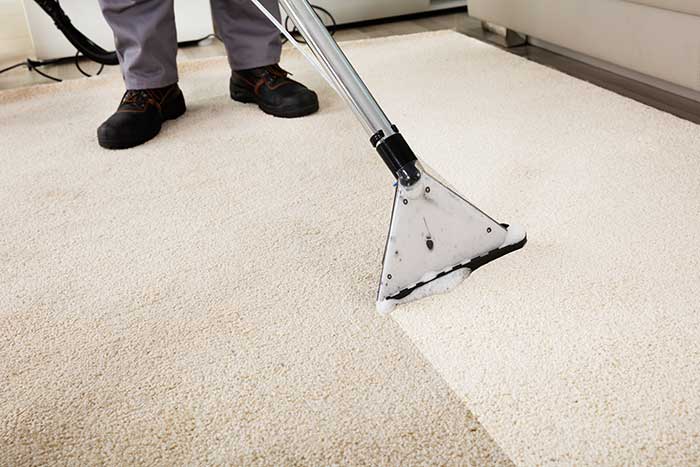

Office cleaning for small workplaces on and off Stroud Green Road
A compact office can be a complicated place to clean well. A few desks may sit beside a bookable room, a tea point and a narrow route that everybody uses. In Stroud Green, an office on the commercial stretch of Stroud Green Road can have a very different entrance and layout from premises on a nearby residential street. Explain the specific building and its use when you contact Complete Clean Management. A useful office cleaning proposal needs to account for the rooms people actually work in, the routes available to reach them and the condition you want at handover.
If you occupy part of a converted or older building, identify the address, floor and entrance. Some properties have a public facing door and a separate route for the office, or a front door shared with another occupier. Describe the relationship without assuming that all of the building falls within one arrangement. Your first conversation can establish what you want assessed and where responsibility needs confirming. Keep security details for an agreed handover with the people who manage access.
This guide takes a closer look at compact offices, rooms used for creative or project work and workplaces with limited storage or access. It is designed to help you put together a practical cleaning enquiry. The parent office cleaners London page explains the wider service. Start here with the needs of your Stroud Green premises and the way your team uses the space.
Map a short floor plan with enough detail to make the work clear
A small office does not need an elaborate specification to get started. Give each room or area a name that a colleague would recognise, then add its principal use and the surfaces you want considered. Separate the entrance, desk area, meeting or project room, kitchen and washroom even if some share one physical space. A table used for a group discussion at midday may be a staff lunch table an hour later. Knowing that pattern makes it easier to discuss what needs preparing for the proposed visit.
Show the boundaries. If there is a shared front door or landing, record who manages it and where your private suite begins. The area around a threshold may need a precise description if it is used by more than one party. The point of this exercise is to give both the person requesting the work and the person assessing it the same understanding of the space. Mark uncertain responsibilities so the relevant building contact can clarify them. Do not treat a room as included simply because employees can walk into it.
Make a note of areas that are available only at certain times. A booked room can be inaccessible while the rest of the office is open, and a kitchen used by colleagues may remain busy beyond their desk hours. Where you share access with other occupiers, ask what arrangements apply to equipment and waste routes. This turns a floor plan into a practical guide to the visit rather than a drawing of rooms with no account of their use.

Keep project materials distinct from accessible office surfaces
A workplace used for design, creative or other project work can leave important materials in position between sessions. A sample board, prototype or marked up plan may look like something that can be tidied away, yet it might be needed exactly as it is. Give staff an agreed way to identify items that should remain untouched. Establish the accessible desk or table surfaces and provide somewhere for loose materials to go before cleaning. The people doing the work should be able to recognise the task without making decisions about the project.
Differentiate cleaning around equipment from cleaning the equipment itself. Connected devices, recording equipment or specialised tools may have care instructions that differ from ordinary office furniture. The business should explain those boundaries and decide who can clarify them. A note on the scope can say that a particular device or surface is outside the recurring routine. Where a separate task is wanted, describe it with the relevant guidance and the preparation needed. Avoid assuming that a generic instruction to clean a room gives permission to operate or disconnect anything within it.
The same principle applies to paperwork and temporary displays. Give employees a place to store records and an instruction for material that must remain visible. If several colleagues share a desk or project table, a single preparation rule is easier to follow than an informal arrangement for each person. The result should be a clearly defined set of accessible tasks, with any exception or obstruction reported to the person who can resolve it.
Take account of sound, bookings and neighbours when arranging a visit
The right time to clean a compact office depends on more than whether people are at their desks. A meeting, recording session or call in an adjoining room can affect which tasks are practical at the same time. If your premises share a building with other occupiers, establish any agreed restrictions on access or activity. Explain these requirements in the enquiry so the timing discussion can consider the particular rooms and tasks. A preferred time is useful information. The proposed arrangement still needs to fit the building and the people using it.
Trace the visit from entry to exit. Check which door is available, where the person attending should go first and how access to a closed room is handled. If a neighbour or other occupier controls an entrance, speak to the appropriate contact before assuming that it will be available. Where a room is unavailable on one occasion, agree who should record the exception and who can discuss an alternative. A short message naming the room and the reason is more useful than a vague report that some work could not take place.
If your office uses a booking calendar, consider sharing only the relevant availability with the agreed contact. Client names and meeting details are usually unnecessary to describe when a room is empty. Explain how late changes will be reported. A regular visit can then be considered against the actual use of the rooms, while any permanent change to access or frequency is discussed as a separate revision to the brief.

Work with the storage you have and make supply duties explicit
A small suite may have limited space for supplies or equipment. Identify what is available before deciding what should stay on site. A cupboard used for archived records, stock or personal belongings cannot automatically be treated as storage for cleaning supplies. Discuss the proposed arrangement, access and any building instructions. The scope should distinguish the items provided by the business from those that form part of the cleaning proposal. It should also state who will report a stock problem and where agreed items are to be stored.
Consider the route for bringing items into the office. Narrow stairs or a shared entrance can make a short distance more awkward than it appears on a floor plan. Explain whether a lift, alternative door or other route is available during the proposed time. Include the practical details needed to assess the visit while keeping sensitive entry instructions for a private handover. These observations are relevant when a planned treatment requires more equipment or preparation than the recurring office routine.
Supplies for employees and supplies for cleaning are separate decisions. Soap or paper products in a washroom may be managed by the business or by the building. Liners, kitchen supplies and equipment can have different arrangements. Use a short list naming the item, who provides it and where it belongs. This makes it easier to deal with a missing item without having several people assume someone else has ordered it. A practical cleaning proposal should state the supply responsibilities that affect the agreed work.
Assess older and newer surfaces individually
An office can contain several generations of finishes in a single room. A replacement counter may sit beside older painted wood, and a modern floor covering may meet a retained threshold. Identify surfaces that have particular care instructions or an unknown finish. If you have an existing record from the landlord or fit out, make the relevant information available for assessment. Avoid assuming that similar looking materials can be cleaned in the same way. The proposed method should reflect the surface and condition rather than a broad room label.
Keep a distinction between soil, wear and damage. A dull patch where a chair moves, a lifted carpet tile and a recent drink spill are different observations. Describe the issue and its location, including anything known about previous work. An existing defect may need reporting to the responsible person, while an accessible cleaning task can be discussed within the routine. A maintenance problem can remain visible after the agreed clean. Recording its history makes it easier to evaluate the work fairly and prevents an unsuitable expectation being attached to an ordinary visit.
Think through how the area will be used after any proposed treatment. A narrow route may connect every desk to the entrance. If a task requires preparation or temporary limits on access, discuss the practical effect before it is agreed. For commercial carpet cleaning in London, provide the carpet material if known, the areas affected, the treatment history and any restrictions on moving furniture. Those details allow the task and its limitations to be considered as a separate piece of work.
Make small shared kitchens easier to hand over
A tea point in a small office can be only a few steps from the desks, so its condition can affect the whole room. Start by deciding where staff put used cups and whether they are expected to wash up. If a single sink is occupied by crockery, a cleaning instruction for the fixture may be difficult to carry out. Agree a preparation rule that fits the room. Then identify accessible worktops, the sink, cupboard fronts, the splashback and floor as separate tasks so the proposed scope is clear.
Discuss appliance interiors separately. Before fridge or microwave work is considered, name the person who will remove food, explain what can be moved and provide any appliance instructions. An external surface wipe does not describe the same work. The agreed arrangement should make it clear when an internal task is proposed and who prepares for it. A coffee machine or shared equipment with specific care guidance should be identified before it is included. A short task description can prevent unnecessary uncertainty during a visit.
When the kitchen also serves a meeting area, record what staff will do after a booking. Cups and food waste can create work long after the cleaning visit. Give used items a practical destination and identify who reports unusual volumes or a spill. Include the bins, agreed collection point and responsibility for liners. A small room can run smoothly when the business’s day to day preparation and the proposed cleaning work are understood as parts of the same arrangement.
Clarify responsibility for facilities shared with other occupiers
For a suite without a private washroom, confirm whether the facility is part of the communal service and who should receive feedback. If your business controls a washroom inside the office, identify its fixtures, accessible surfaces and flooring separately. A shared facility can have a different cleaning schedule from the suite, and the person who controls it may have their own supply arrangements. Put the boundary into the brief so the quotation does not quietly assume responsibility for rooms belonging to another arrangement.
Ask which supplies are to be provided, monitored or replenished. Dispenser types and the location of spare stock matter, particularly where storage is limited. Discuss any other servicing requirement as a separate item. The washroom services information can support that conversation. A proposal for your office should still identify the particular facilities and tasks included. Recording the supplies separately prevents a misunderstanding about whether stock checks, replenishment and purchasing are all covered by one line on the schedule.
Decide who should receive observations about faults. A damaged dispenser or leaking fitting should be reported with the location and nature of the problem so the right contact can consider it. A recurring issue with the building can be visible after a washroom has been cleaned. Keep the repair record distinct from the cleaning feedback. This helps the business follow up the correct arrangement and gives the people carrying out the work a clear instruction about what can be reported and what needs a separate decision.
Keep entrances presentable without losing sight of how they are used
A small front office may have little space between the door and the first workstation. Walk the route and note where visitors pause, where staff leave bags and where the floor changes. Describe entrance matting and accessible glass as distinct elements. The first few steps can receive different use from the rest of the space, especially when people move directly in from the street. A proposal can consider those priorities without treating every area as if it receives the same amount of traffic.
Agree what stays in position. Visitor leaflets, signs and deliveries may be part of the way the office operates. Give staff a location for temporary items and identify the surfaces available for cleaning. A parcel left on a low shelf or a stack of papers at the entrance should not be mistaken for rubbish. In a space where the front desk and work area are close together, that preparation can make more of a difference than adding a broad instruction to tidy the office.
If an entrance is shared, identify where the private routine begins. A communal step or doorway may need attention from a building contact, while the mat inside the suite can form part of your own brief. Record the boundary in a way that can be checked during a review. Where an issue appears repeatedly, describe the affected area and the conditions rather than treating its appearance as evidence of one particular cause. The right response depends on the material, access and responsibility for that part of the building.
Use a short checklist to review what changed during the week
A review should connect an observation to the agreed scope. Name the room, the task and the time you saw the issue. If the area was unavailable during the visit or used again afterwards, include that detail. A short record is usually more useful than an overall impression that a room looks better or worse. It gives the responsible contact a way to compare what was possible with what was expected. The record can also highlight when the office’s use has changed enough to warrant a different discussion.
Group observations by what needs to happen next. An access fault may belong with the building manager. A missed agreed task can be raised through the cleaning contact. A new project room, a change in attendance or a request for appliance interior work may need a scope revision. Keeping those categories clear allows colleagues to report matters consistently without asking the cleaner to make commitments about work outside the existing arrangement. It also makes periodic review easier because the reasons for a change are visible.
If your business also manages space around Crouch End, Archway or Bounds Green, you can use one feedback format while keeping each premises brief separate. A small studio and a larger office may have different storage, entry routes and occupation. Provide a separate area list and access outline for each address so the proposed work is assessed against its own conditions.
Prepare a quotation brief that fits a small business
A concise brief can cover the address and entrance, the rooms you control and the work you want discussed. Add the occupation pattern, preferred access window and any current problem that prompted the enquiry. Include optional or periodic tasks separately. A well defined request can be read quickly and understood by a colleague who was not present when it was prepared. It does not need to describe a method for an unidentified surface or promise access that has not been agreed with the building manager.
If you are comparing proposals, check the scope behind each figure. See which rooms, visit frequencies, supplies and additional tasks are included. Explain where your own staff will prepare a space, and clarify who handles shared areas. Ask for broad terms to be expressed as named work in named areas. Our commercial cleaners London page may help if the property includes a separate commercial activity that needs consideration. Describe it individually so it can be distinguished from ordinary office care.
Review the practical dependencies before discussing a start date. A new key arrangement, an upcoming office move or a room still being fitted out can affect what is possible. State your preference and the details still to confirm. A proposal for a small office should account for those factors as well as the visible surfaces. The aim is a scope you can manage and review without relying on a series of unwritten assumptions.

Discuss your Stroud Green office with Complete Clean Management
Tell us where the workplace is, which entrance is used and what you would like considered. If a room is shared or contains work that must stay in place, explain the boundary. Describe any special materials, previous treatment or restrictions that affect how the space can be assessed. Include the tasks that matter most to the staff using it. You can mark unknown details for clarification rather than delaying the enquiry until every question has been answered.
For a conversation about several premises, send a short description of each building. Identify which details are common and which depend on the particular site. Access, materials and room use should still be clear for every address. The London office cleaning service page explains the wider offer and links to the location guides. This Stroud Green page focuses on the scope of the specific workplace you want to discuss.
Use the quote button or call the London number shown on the page. If an existing arrangement needs review, explain what would make the day to day routine work better. An inaccessible table, a kitchen without a preparation rule or an unclear boundary around a shared entrance is a useful place to start. The initial conversation can establish what needs assessing and which details will help Complete Clean Management consider the proposed cleaning work for your premises.
Frequently asked questions about office cleaners in Stroud Green
What should I include for a Stroud Green office with a separate entrance?
Give the full address, the floor or room number and a clear description of the route. Identify whether another occupier or the building manager controls a shared door. Explain any restriction on bringing equipment in. Keep alarm and key details for an agreed private handover. This lets the enquiry cover the practical route as well as the office itself.
Can cleaners work around a project table that stays set up overnight?
Describe the accessible part of the table and the items that need to remain in position. Staff should use a recognisable preparation instruction so nobody has to decide which materials can be moved. Identify any separate equipment care requirement with relevant guidance. The proposed task can then be assessed using the space that will actually be available.
How can we discuss timing if meetings need a quiet adjoining room?
Give the expected availability of the rooms and explain which activities affect the proposed sequence. Agree how an unexpected booking or a late meeting would be reported. The arrangement should be considered against the actual tasks and access rather than a single description of the office as open or closed. Avoid sharing names or confidential meeting details when availability is enough.
What if the office has very little room for cleaning supplies?
Describe the storage that is actually available and any access limits. Discuss which items would need to stay in the suite, who provides them and where they can be kept. A cupboard already used for records or personal items may be unsuitable. Equipment for a periodic task can be considered separately with the access and preparation it requires.
Should we flag an older floor finish before discussing the service?
Yes. Identify the material if you know it and explain any previous treatment, repairs or care instructions. If the finish is uncertain, include that in the brief. Report existing defects to the relevant building contact and describe cleaning concerns separately. The assessment should take account of material, condition and access before an appropriate approach is proposed.
How do we deal with a kitchen that is part of the office rather than a separate room?
List the sink, accessible worktops, external appliance surfaces and floor as specific tasks. Agree how staff will leave used cups, food and equipment. Discuss any internal appliance work and its preparation separately. This makes the proposed scope clear even when the kitchen and desk area occupy one room and have different patterns of use.
How can we tell whether a problem belongs with the building manager?
Check the area and the responsibility recorded in your brief. A broken fitting, access problem or defect in a communal area may need the property contact. A concern about a task within the agreed scope can go through the cleaning contact. Name the room and observation, and include any timing or access detail that helps the responsible person assess it.
Where can I request an office cleaning quote for Stroud Green?
Call 0203 092 2297 or use the existing contact page with the address, area list and main priorities. Explain the suite boundary, working pattern and any access constraints. The office cleaners London page provides the wider service overview. The initial conversation can clarify what needs assessing before a proposal is considered.
Build a clear scope for the rooms you occupy
A compact office can still need several distinct arrangements. The entrance may be shared, a project room may contain equipment that stays set up and the kitchen may be active at times when desks are empty. Describe those differences in the enquiry so the proposal can reflect the actual use of the space.
Identify the people who can confirm access, shared responsibilities and care instructions. Keep any uncertain point visible until it has been clarified. A straightforward room list and a few practical observations can be enough to begin a discussion without turning a small office enquiry into a lengthy specification exercise.
Contact Complete Clean Management to discuss office cleaning for your Stroud Green premises. Use the existing quote route or call the London number below. Explain what the workplace needs to be ready for and which details affect the proposed visit. This gives the next conversation a practical basis for considering the right scope.
Clients we service
Organisations featured across Complete Clean Management’s client portfolio.
















GOOGLE CUSTOMER REVIEWS
What our customers say on Google
Selected review excerpts from Complete Clean Management’s London Google listing.
★★★★★
“Really happy with the deep clean! The team were friendly, professional and did a fantastic job.”
★★★★★
“We engaged with Complete Clean Management and they came in and did an absolutely fantastic job.”
★★★★★
“We have recently started to use Complete Clean Management for various cleaning services to our domestic and commercial renovation projects.”
★★★★★
“The team is punctual, professional, and pays great attention to detail.”
★★★★★
“We’ve been using this office cleaning service for several months, and it’s been outstanding.”
★★★★★
“Complete Clean Management has transformed the cleanliness of our workspace.”
Selected excerpts, checked 6 November 2026. Leave a Google review ↗






