Complete Clean Management · South London
Office Cleaners Colliers Wood
Professional office cleaning tailored to your premises, working hours and priorities.
Request a free quote Call 0203 092 2297

Office cleaning for Colliers Wood workspaces with a shared front door
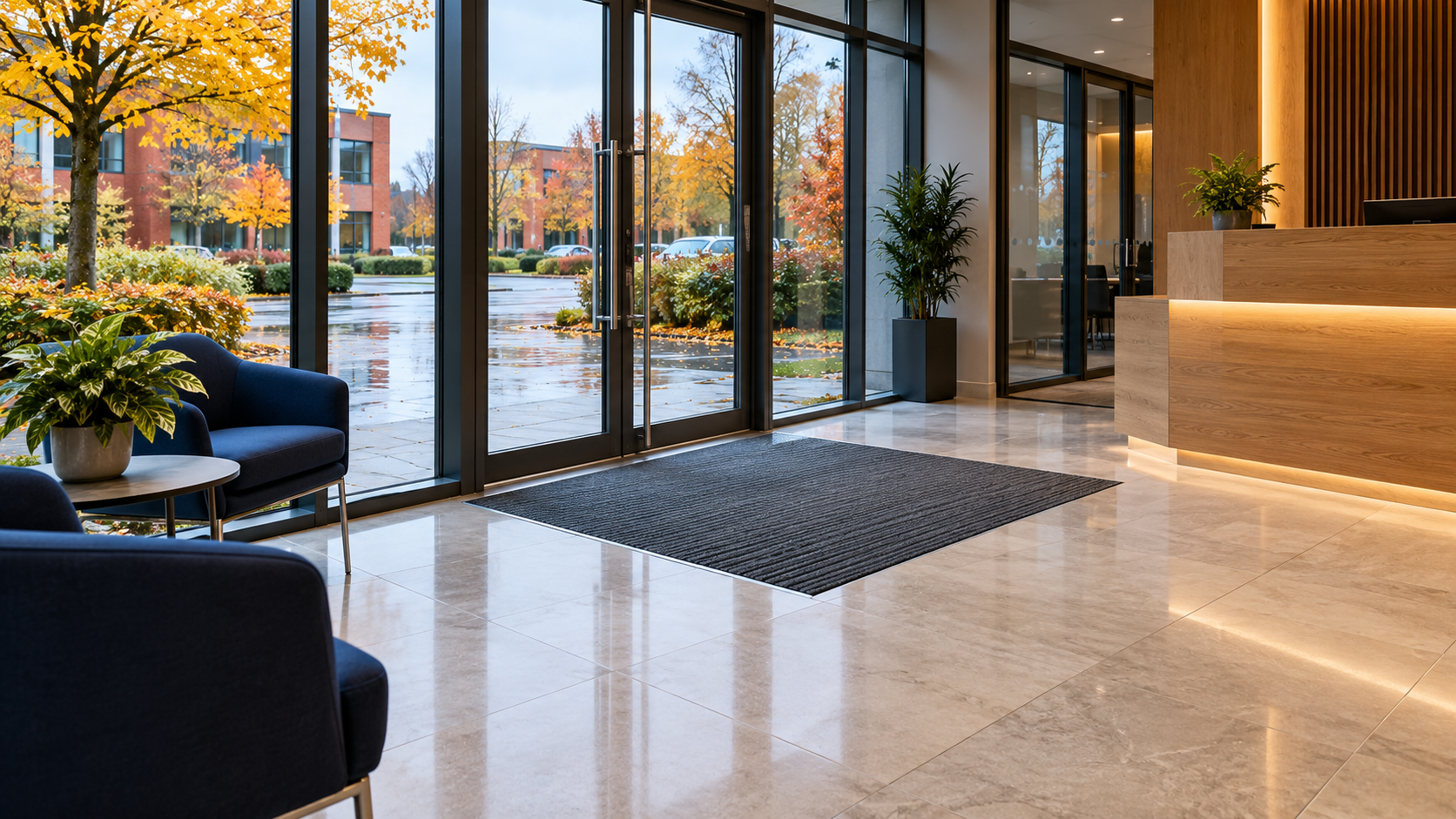
An office can sit behind a street-level showroom, above a shop or inside a building used by several independent businesses. The front door may look like a simple starting point, yet it can serve people heading to very different places. When planning office cleaning for a Colliers Wood address, begin by walking from that door to the furthest room included in the enquiry. Write down where the tenant takes responsibility and which parts are managed by someone else. That short route can reveal questions that a desk count will never answer.
A visitor going to a consultation room may cross a reception floor that employees also use to get to a staff kitchen. Someone collecting an order might stop at the counter without ever entering the main office. Look at the different ways people use the space before deciding what needs to be ready first. If there is a separate staff entrance, describe it as well. Explain how a cleaner can identify the right door when the rest of the building is closed, and which contact can confirm the arrangements.
Complete Clean Management can discuss an office cleaning brief built around the rooms you use and the times they are available. Our London office cleaning service provides an overview for teams managing several addresses. For a Colliers Wood enquiry, bring the layout, your immediate priorities and a realistic account of how the day runs. A walkthrough is particularly useful where a room serves different functions or where the scope changes at a shared landing.
Identify what belongs to the tenant and what belongs to the building
Look at the lease plan or ask the managing agent how cleaning responsibilities are divided. A shared corridor might be included in an existing building service even though the carpet just inside the tenant door is not. A small lobby can contain both a communal entry mat and a second mat placed by the business. Describe which surfaces should be included and give the person preparing the quote a way to recognise the boundary on site. It is worth checking the door handles and glass panels separately if they sit right on that dividing line.
Use room names people already recognise. For instance, the small landing outside Suite B is easier to locate than a reference to all common parts. Mark it on a plan or describe it by the adjacent doors. Confirm whether the landlord already pays for any of the work there and how issues with that service should be reported. If the planned scope includes a shared area, clarify who can approve changes and how staff from neighbouring tenants will be informed about any disruption.
The same boundary matters at the end of a visit. A cleaner may be authorised to close the tenant entrance but have no responsibility for the outer door. Document the difference and agree who should be contacted if a lock or door closer does not operate as expected. If your brief extends beyond the office, the London commercial cleaning service gives a starting point for discussing the wider building. Agree each area individually so the people using it can understand who does what.

Choose access windows by watching the building in use
A room marked free in a booking calendar can remain occupied while someone types up notes, packs equipment or waits for a colleague. Before proposing a cleaning time, ask how long the last person usually stays and who is able to release the room. Where the building has more than one occupier, check when the common entrance stops being staffed and whether an alternative route is available. The most practical time for one room may be very different from the time that suits the whole floor.
Give the person arranging the visit a short list of areas that can be used as alternatives if a room is unexpectedly busy. For example, a cleaner could attend to a cleared meeting space while a visitor finishes an appointment elsewhere. Agree when to return to the original room and what should be recorded if it stays occupied. This is especially useful when a regular booking moves for one week, since the rest of the visit can still be planned around known priorities.
Keep exceptional instructions separate from the recurring schedule. If an evening event affects one entrance or a contractor needs an extra day in a room, put an end date on the temporary arrangement. Ask the site contact to confirm the normal route when the event finishes. If staff rotate responsibility for closing, give the deputy the same approved instructions as the regular contact. Avoid putting entry credentials in a general checklist or on a printed sheet left near the door.
Follow marks from the entrance onto carpet and hard flooring
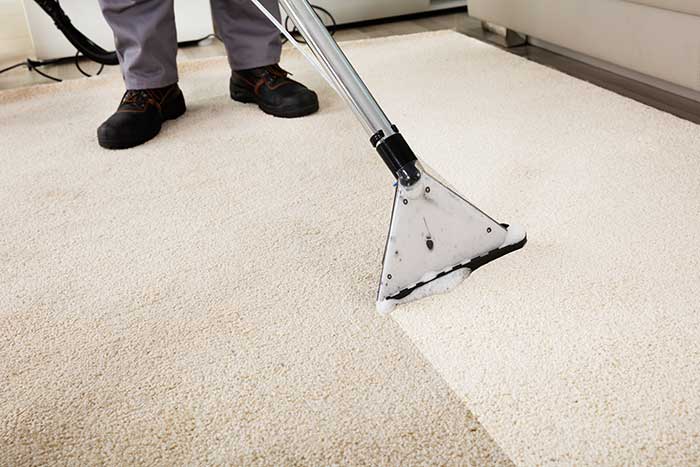
When visitors and staff enter through different doors, they can carry dirt along two routes that cross in the middle of the office. Look just beyond the entrance mat, around the point where people turn and under the furniture nearest the door. Wet footwear can leave an obvious mark, but fine grit may be more noticeable at the transition from hard flooring to carpet. Note which door contributes to the issue and when it is usually worst. An observation made before the first meeting may tell you something different from a check late in the day.
If the office has fitted carpet in one room and replaceable tiles in another, say so in the brief. Describe the appearance and location of the marks and point out loose edges, exposed seams or signs of previous repairs. Note whether chairs or storage units can be moved and whether any power points or cables make access difficult. A maintenance issue should be visible in the brief so it can be discussed before anyone assumes it is part of routine cleaning.
When asking about commercial carpet cleaning in London, share any care instructions supplied with the flooring and the time the room needs to return to use. Identify whether staff will still have to pass through while another section is being treated. If visitors usually take the same route, ask the site contact how they would be directed during the work. A sensible quote conversation considers both the surface and what the people using the room will need next.
Make a desk policy that works for occupied and unoccupied spaces
At the end of a busy day, one employee may leave a clear desk, another might leave equipment charging and a third may have laid out work that needs to stay in order. Agree what staff should do before a routine clean and which parts of each desk can be reached if something is left behind. Label shared equipment or provide a short reference for items that can be put back in a particular location. The cleaner should be able to follow the instruction without having to interpret documents or guess whether an item is personal.
For an office with shared desks, take note of how a station is handed back after use. A booking might finish at midday but still leave cables, a mouse or borrowed stationery on the worktop. Decide what is the responsibility of the person who used the desk and what belongs to the recurring service. Where staff regularly use the same accessories, ask who is responsible for their upkeep and whether any special care instructions apply. Put the boundary into the brief in plain terms.
If a desk or shelf is repeatedly unavailable, look for the cause before changing the whole schedule. One team might need a secure place for paperwork or a different time to clear its work. A cupboard may be full because a project is about to finish. Agree when the area can be reviewed and whether the rest of the room can still be cleaned as usual. A dated exception makes it easier to return to the normal arrangement once the work ends.
Separate replenishment and repairs from the washroom routine
A washroom shared by several tenants can look fine in the morning and run short of supplies before the afternoon. Ask who sees the room at different times and how they report a problem. A holder that has jammed may be described as empty, and a basin that cannot drain may be described as dirty. A short report with the location and the nature of the issue can help identify whether the next step is a clean, a refill or a repair.
Write down which refills fit the existing dispensers and where spares are stored. Establish who can reach that stock when the building office is shut and who places the next order. If the staff and visitor washrooms have different fittings or are stocked by different teams, make that visible in the schedule. Ask how a low stock level should be reported and whether a depleted supply needs a separate message. Additional requirements can be discussed alongside the established washroom services information.
A room that serves clients may need to be available at times when the staff facilities are relatively quiet. Describe both room types when discussing the order of tasks. If a room is temporarily out of use, tell the site contact which facility people are directed to and how that change affects demand. Check the arrangement after it goes back to normal. Keep a contact for repairs and a contact for the agreed cleaning work so that people know where to pass on each issue.
Arrange kitchen access around short periods of heavy use
A small office kitchen can handle an entire floor during a twenty-minute break and then stand empty for hours. Observe what happens just after the last group leaves. There may be a free table but no room on the counter because lunch containers are waiting to be collected. Agree what staff should remove and where cups and plates are expected to go. The cleaner should be able to recognise when a surface has been released without having to sort personal belongings.
Define what is included around each appliance. A coffee machine may be owned by the business but serviced by a supplier. A fridge might be shared by teams that work on different days. Identify who deals with food inside it and when shelves can be made available for agreed work. Explain what parts of equipment may be moved and what should be left with the designated contact. A written scope helps if people expect a different standard because they use the same space at different times.
Record the route to the waste store as part of the kitchen brief. Identify any door that needs separate authorisation and when the store is available. If the route passes through the public entrance, discuss whether it makes more sense to use it before visitors arrive or at another agreed time. Explain where the appropriate containers are located and who can deal with a problem when one is full. Keeping these details together helps distinguish a missed task from an issue with the building arrangement.
Prepare meeting and consultation rooms for their next booking
The same room can hold a training session in the morning and a private meeting in the afternoon. Ask which layout is normally expected and whether a member of staff needs to remove papers or equipment before the room is available. If chairs need to return to a particular position, a simple drawing can save time. Note whether chairs can be moved easily, where the presentation controls are kept and which surfaces are used by people setting up refreshments.
Some surfaces receive attention because they are easy to see while others are missed because they are hidden behind a door or beneath a low shelf. Walk the route from the room entrance to the furthest seat. Observe which parts are handled most, and which need to look ready when a visitor arrives. When describing the standard, name the table, chair arms, ledge or other surface you want included. Explain what should happen if equipment has been left connected or if papers must stay in order for the next session.
Agree who can release the room between meetings. If no one has time to confirm every booking, consider whether the plan can focus on predictable breaks or on work at the end of the day. During the first review, check a room before its next use and compare what you see with the layout and tasks you agreed. If it was unavailable earlier, resolve the handover rather than asking staff to infer why a particular table or floor was missed.
Share a useful brief when staff or tenants change
Office managers often inherit instructions that make sense only to the people who wrote them. A note about the room near the old printer may be impossible to follow after the printer has moved. Check the schedule against the current floor plan when a new tenant takes a suite or an existing team changes floor. Update door and room names together so a person using an access record can match it to the cleaning instructions. Include the relevant date and a contact who can clarify anything ambiguous.
Plan for temporary conditions during a move. A meeting room can become a store for boxed files, leaving little access to the floor. Ask which areas can be kept clear and which should return to the usual schedule once the boxes go. If building work or a refit is under way, explain what has been handed back and discuss any separate requirements before adding them to routine work. A change in room use may be short-lived, while a change in the number of people sharing a washroom can affect the ongoing brief.
If you look after Colliers Wood and Cheam workplaces, use consistent headings for the two sites while retaining a separate room list and access plan for each. This makes reports easier to compare without asking both sites to follow identical procedures. Our London office cleaning overview can help colleagues preparing a wider enquiry. Give each building its own review date so its priorities are visible even if the overall contract is managed by one person.
Review results when the office is ready to be used
A check just after a cleaning visit can show whether the room was left in its agreed arrangement. A second check before the first client arrives can show whether the schedule suits the office. For example, the entrance may look presentable when cleaned but accumulate grit by the time a late morning booking comes in. If the kitchen has fresh waste on the counter after lunch, find out whether the planned visit was before or after the staff break. The time of the observation is an important part of the report.
Keep feedback specific enough that someone else can revisit the same spot. Identify the room and surface and say whether the issue was present before the room was used. If you take a photograph, leave clients, screens and documents out of the frame. Ask whether the surface was available for the agreed work and whether anyone else used the room afterwards. A useful review distinguishes a recurring cleaning problem from a change in access, an equipment issue or a need for people to put items away.
Agree what will be checked again and by whom. For a first review, three examples can be enough. You might choose the visitor entry floor, the room most difficult to release and the staff tea point. Note what improvement the team should see and at what time. Review the same examples after any adjustment so you can tell whether the change helped. If a problem appears only on certain days, share that pattern before considering an increase in the overall frequency.
For a building shared with another business, check whether feedback from their staff goes through the same person. Two reports can describe the same mark using different room names, or one tenant can assume a request has already been passed on. A shared map and a named contact can resolve that confusion. Keep notes on common areas separate from the tenant's own review, and forward any issue that sits outside your scope to the right building contact. That makes it easier to compare what was commissioned with what people see in use.
Send enough detail for a practical Colliers Wood quote
Start with the address, the floors or suites included and a list of rooms. State which areas visitors can use and which are for staff. Identify carpet and hard flooring, the number of washrooms and the size of the kitchen or break area. Give the hours that matter for access as well as for your own business. An office that closes at six may sit in a building whose reception closes earlier, so explain who can authorise entry at the proposed time.
List the immediate reasons you are seeking a quote and include any known exclusions. If the landlord already looks after shared stairs or a separate contractor maintains equipment, set that out. Ask how periodic carpet treatment or an initial clean would be described if you are considering either. When comparing quotes, check that they include the same room list, the same access assumptions and the same expectations for supplies. A brief that makes these details visible is easier for another manager to review later.
Before the visit begins, give staff a short note on their part of the arrangement. They should know when to clear worktops, who can confirm that a room is free and where to report a problem. When a room changes use, tell the person responsible for the schedule. The office cleaning service for London provides wider service information, while a site-specific brief will make the conversation about the Colliers Wood address more useful.
If you have photographs or a basic drawing, select examples that show access and the surfaces of interest without showing people, private papers or access details. A note about the width of a door, the location of a stock cupboard or the gap between desks can help explain an awkward part of the job. Bring the person who knows those spaces to any walkthrough. When responsibilities are shared, ask the managing agent to identify the areas they control before agreeing what should be included.
Give the provider a useful date for any change that is coming up. If more desks will arrive after an initial visit, explain which rooms will be occupied first and when the remainder are due to open. This allows the proposed schedule to be considered in stages and gives the site contact a point at which to review it again. The room list, opening arrangements and priorities can then be updated together when the move or expansion is complete.

Frequently asked questions about office cleaners in Colliers Wood
Can you discuss cleaning for a Colliers Wood office behind a shopfront?
Yes. Describe the public and staff entrances and which rooms are used for office work. If the route crosses retail space or another tenancy, say who can authorise access and which parts of the route should be included.
Who decides whether a shared hallway goes in the quote?
Check with the landlord or managing agent and confirm what is already covered. Point out the boundary during a walkthrough and identify the person who can agree any change to work in that shared area.
Can our consultation room be cleaned after the last booking?
Discuss when the room is actually vacated and who can release it. Agree what to do if a booking runs late and whether other rooms can be covered first.
What do we need to say about carpet tiles?
Describe the locations, the type of marks and any lifting edges or repairs. Share care guidance if available and tell us when the room needs to return to use.
Can visitors and staff washrooms follow different routines?
Discuss how each room is used and when demand peaks. Explain who supplies refills and who handles a maintenance issue if a fixture is faulty.
Do we need to empty a shared fridge before it is cleaned?
Agree the internal scope before the visit and confirm who clears the shelves. A handle or accessible outer surface can be discussed separately from the contents and interior.
How should we prepare if our suite is being rearranged?
Identify the rooms affected, when they are expected to be available and which furniture or boxes will remain in place. Give the site contact a date to review the plan once the change is complete.
What should we include if we manage another London office too?
Provide a room list, access instructions and priorities for each address. A shared brief format helps with comparison, while separate instructions make the differences clear.
Request an office cleaning quote for Colliers Wood
Tell Complete Clean Management about your office, your preferred access window and the areas you would like to include. We can discuss how the work fits around the people using your premises.
Clients we service
Organisations featured across Complete Clean Management’s client portfolio.
















GOOGLE CUSTOMER REVIEWS
What our customers say on Google
Selected review excerpts from Complete Clean Management’s London Google listing.
★★★★★
“Really happy with the deep clean! The team were friendly, professional and did a fantastic job.”
★★★★★
“We engaged with Complete Clean Management and they came in and did an absolutely fantastic job.”
★★★★★
“We have recently started to use Complete Clean Management for various cleaning services to our domestic and commercial renovation projects.”
★★★★★
“The team is punctual, professional, and pays great attention to detail.”
★★★★★
“We’ve been using this office cleaning service for several months, and it’s been outstanding.”
★★★★★
“Complete Clean Management has transformed the cleanliness of our workspace.”
Selected excerpts, checked 6 November 2026. Leave a Google review ↗