Complete Clean Management · South West London
Office Cleaners Earlsfield
Professional office cleaning tailored to your premises, working hours and priorities.
Request a free quote Call 0203 092 2297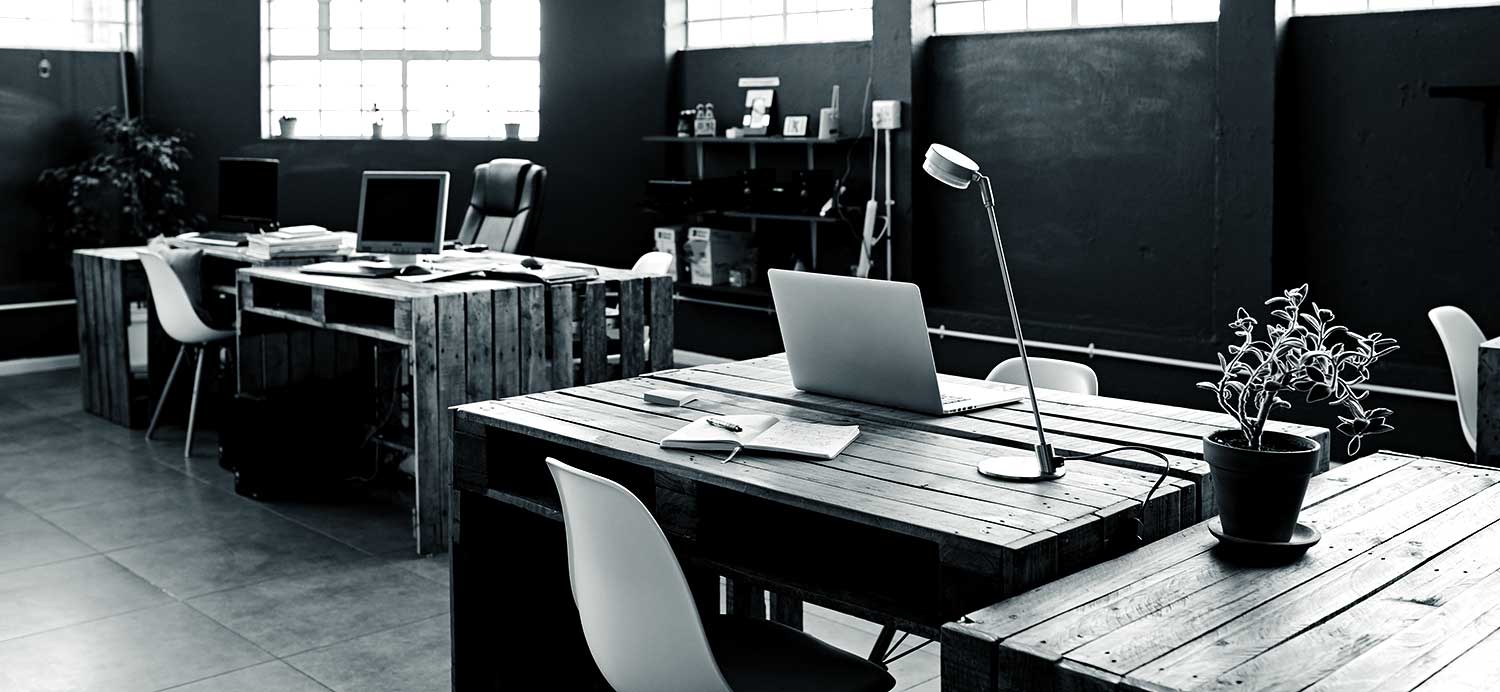

A cleaning brief for an office on or off Garratt Lane
For an Earlsfield office on or near Garratt Lane, the address on the business card may lead straight to a customer entrance, while the most practical route for supplies is a different door. Before arranging a visit, walk both routes and note any differences in who controls them and when they are open. If a single doorway serves several occupiers, say which bell, suite name or internal door identifies your premises. For a quote, the office team can explain these details without sending keys or codes in an enquiry.
Use the National Rail guide to Earlsfield station if your building’s keyholder travels by train. Give the team an arrival window based on when somebody can actually open the door. If equipment needs to arrive by vehicle, use Wandsworth Council’s Earlsfield parking zone information as a starting point, then confirm the access arrangements with the building manager. That distinction matters when a street-facing reception is open but the service entrance is kept locked.
Decide which parts of the working day are most affected by the cleaning routine. A design practice may need desks left undisturbed during a deadline, while a small appointment-led office needs the waiting area and client washroom ready at a predictable time. In a shared building, ask the person responsible for the common parts to confirm the boundary before describing a whole flight of stairs or a landing as part of the service. Photographing the empty route or marking a sketch can clarify the boundary in a way a street address cannot.
Complete Clean Management can discuss a specification based on the rooms you use, the frequency you need and the restrictions you have to work around. Use the London office cleaning service as a starting point if you have several sites. For the Earlsfield address, record a few examples of what people notice at the busiest point of an ordinary week and identify the parts of the premises that are least accessible. These observations are more useful than a generic request to clean every area equally.
A Monday reset and a Thursday detail visit serve different purposes
If an Earlsfield office brings most of its team together for an early meeting on Monday, it needs a different kind of readiness from a workspace that saves client appointments for Thursday. Look at the week from the point of view of people entering each room. A clean meeting table on Monday morning may matter more than a detailed pass behind furniture that can be moved only when the room is empty. The two tasks can be specified separately, with a meaningful opportunity for each to happen.
Make a list of the surfaces that change during the day. A boardroom table can go from a clear surface to a display for work in progress. A small kitchen may be used for breakfast meetings, so a conventional lunchtime check would miss its heaviest use. Ask the people who book rooms when they can hand them back. If the same room repeatedly stays occupied after its last booking, add the usual handover gap to the plan rather than treating every late finish as an exceptional incident.
A regular visit can also include tasks that alternate across the week, provided both sides know how to identify the current rotation. Name the affected areas on the written schedule and agree who records access issues. For example, the quiet desk room might be open for detailed work on a Friday when most of its users are off-site. A notice about a one-off team meeting should say whether it affects that rotation and when the normal sequence resumes. Clear dates are more reliable than a verbal request to do a room next time.

Keep the welcome area useful while it is being maintained
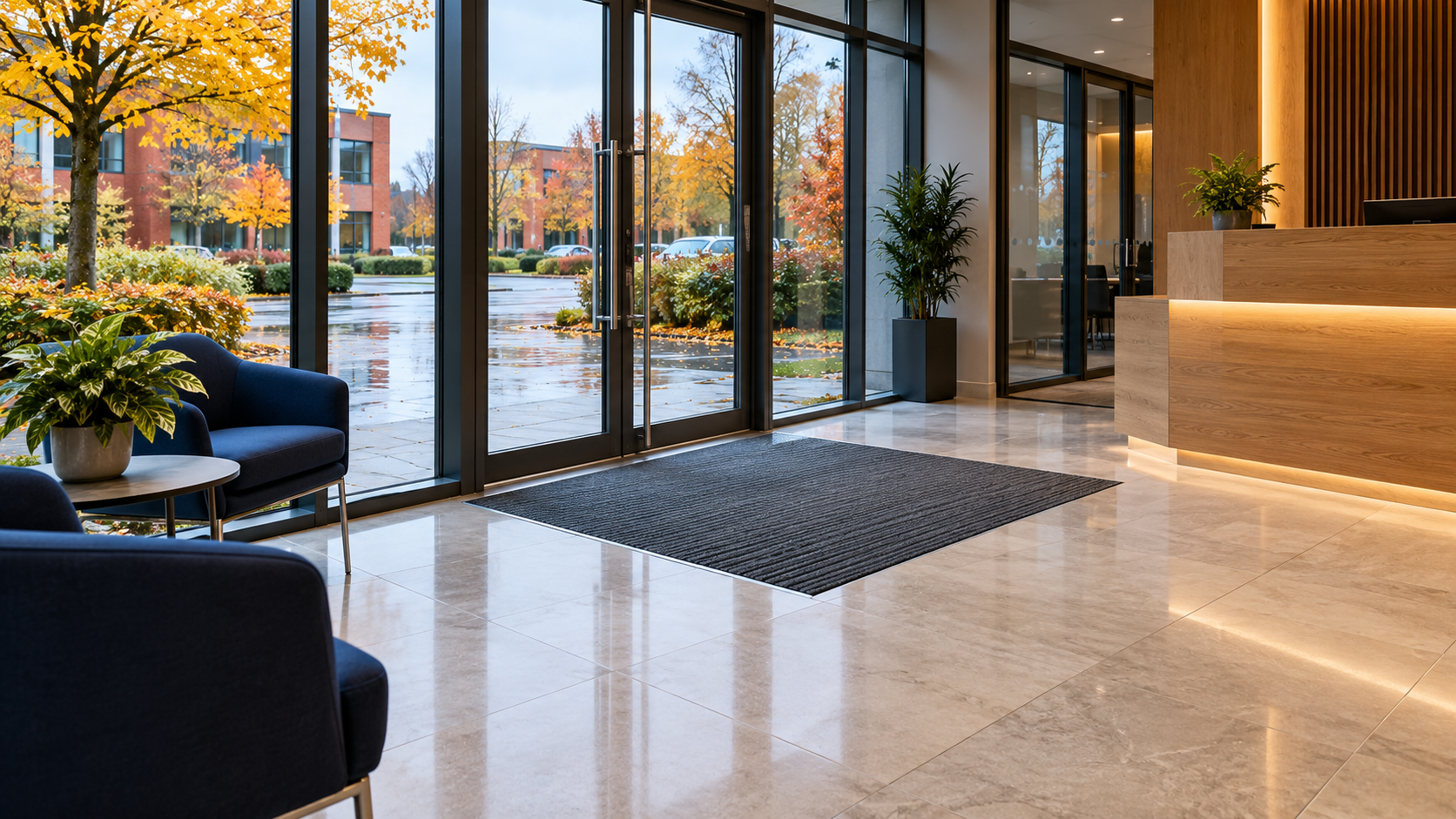
Start at the point where a first-time visitor stops. They may stand on a narrow mat to read an intercom, lean on a small counter while signing in or put a bag on the nearest chair. This creates cleaning priorities that a walk through an empty office will not necessarily show. Check the surfaces immediately after a typical cluster of appointments. Look around the foot of the counter and underneath the first seats, and pay attention to the point where people turn off the mat onto the next surface.
At a premises close to Earlsfield station, a meeting host might give directions from the station while a delivery driver needs a separate set of instructions. Include the applicable route in the quote enquiry and distinguish the part that belongs to your office from any shared space. If customers arrive while cleaning is scheduled, agree with the site contact where they can wait and which route needs to stay available. Even a brief interruption can be awkward if there is no sensible alternative and nobody has told the person at the front desk.
Give the plan a standard for how the room should be left. Visitor chairs should go back to the positions your team has agreed, without making the entrance difficult to use. Identify any display materials or assistive equipment that need to stay where visitors expect them. If the reception doubles as an order collection point, name the surface used for parcels and explain whether items must remain in their original order. Discuss a wider remit through the London commercial cleaning service if your office and trading space have different needs.
Plan carpet work around access to desks and meeting rooms
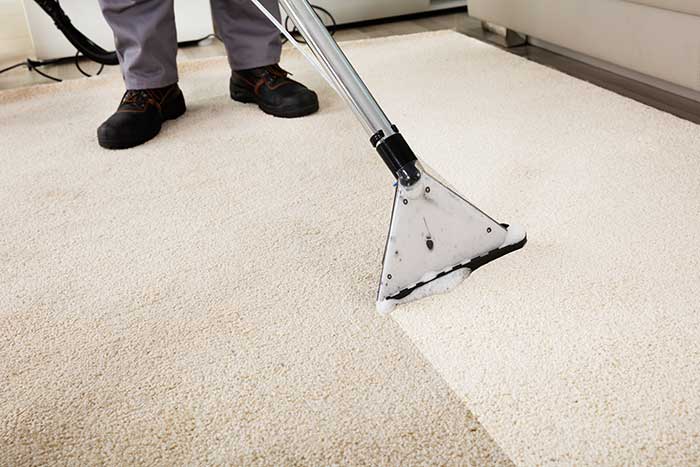
A strip of dark carpet between a door and a row of desks may be the result of heavy use rather than a single incident. Compare that stretch with the areas beside a window, under the table and around castor chairs. Show the provider any known spills, previous repairs and raised tile corners. If a mark has changed over time, give a brief description instead of assuming that cleaning will remove it. This helps the provider discuss practical maintenance and allows a building manager to consider repairs separately.
Agree what can move. Portable chairs may be straightforward to set aside, while tables with fitted power modules or desks with dense cabling need permission and a practical plan. If a room is expected to be available for a commercial carpet cleaning visit, confirm whether it is needed to access a store, a second office or the only route to a facility. Give the next planned occupancy time and describe where furniture can go without filling an adjoining corridor. If you have flooring care information, make it available when discussing the scope.
For the routine visit, identify the places that collect dry grit even when the carpet looks fairly even. A recess beside a door, a strip behind light seating or the point where carpet meets a kitchen floor can get less attention because it is easy to walk past. Discuss whether movable items can be lifted, rolled or set aside, and how they should be returned. If a section of carpet is consistently inaccessible, make a note of how the office can release it periodically. This lets you plan that work without changing every visit.
Agree how a shared studio should look at handover
An office used for design, training or small-scale production can hold much more than laptops and files. Sample boards may be propped against a wall, and a table can hold work laid out in a sequence that means something only to the people who arranged it. Ask staff to identify the spaces where cleaning can take place around their work. A removable sign or a clearly designated section of a table may be easier to use than asking every person to write a separate note. Explain who can release an area after the work is finished.
A shared studio also benefits from a clear definition of ordinary waste. A small offcut might be a useful reference. A box by a desk might be waiting for collection, or it might be holding material the team needs the following day. Staff can use a recognised location for items ready to be removed. Add the destination for each kind of office waste to the brief and keep any specialist disposal arrangements separate. If people disagree about what should be cleared, agree the rule in a team meeting and put it where everyone can see it.
For equipment, distinguish furniture and accessible surfaces from the equipment itself. A clean space around a printer can be specified separately from opening or maintaining the printer. A long workbench can be accessible at one end while power leads and tools occupy the other. Make it clear what a member of staff has to move and what can be left in place. If the workspace regularly changes layout, name the person who updates the sketch and sets out when the next detailed visit is possible. A brief that reflects the current layout will still be useful if a new person joins halfway through a project.
Divide washroom duties by what people are able to observe
A visitor can report that a washroom has run out of soap without knowing whether the dispenser is empty, stuck or missing a compatible refill. Give the office a way to describe the problem and direct it to the right person. A cleaning visit can be discussed alongside a separate stock or maintenance arrangement. If the washroom belongs to the building and your own team only uses it, check whether reports should go to the managing agent or through the reception desk. In a small office, the distinction matters because one person may appear to be responsible for all of it.
When refilling is in the proposed scope, record which supplies fit each dispenser, where spares are kept and which people can open that cupboard. If a stock delivery is placed somewhere else on arrival, say who moves it to the agreed storage point. Agree the threshold at which someone should request more stock. Being told about the final roll after a visitor has already reported a shortage is less useful than an early note from whoever has access to the supply. The existing washroom services information can help frame a separate discussion about related needs.
Check how the room is used on your most demanding day. If a meeting or training session brings extra people into the building, ask which facility they are directed to and when they are most likely to use it. A member of staff who sees the room after the session may be the best person to flag a pattern. Keep those observations specific enough to guide a change. If the same room has a faulty lock or a basin that drains poorly, pass that to the relevant building contact as its own issue so it can be followed up independently.
Separate the kitchen reset from the team’s own washing up
For a team that shares a kitchen across several working patterns, the main counter can be inaccessible at the very moment the office is otherwise ready to close. Some staff may leave food containers to cool, and someone may put clean dishes on the only part of the counter large enough to handle them. Walk through the room after the busiest break and look at what would have to move before it can be cleaned. Ask whether the team needs a dedicated place for personal items or a clearer way to signal which items have been left for collection.
Where your building’s waste goes to a street collection point, check the council’s commercial waste collection time bands for Earlsfield before putting a transfer time into the cleaning brief. Confirm who moves the bags from the building’s waste store to the collection point. This is especially useful when the office clean finishes earlier than the collector’s agreed window and the landlord already has a separate arrangement for bringing containers out.
Agree what the recurring work includes around a fridge, microwave and coffee machine. If a machine has parts that a supplier maintains, identify the limits of routine wiping and say who deals with problems such as a full drip tray. A fridge shelf may require staff to remove their food on a particular day. The timing of that request should be clear to people working remotely on other days. If someone receives a report about spilt food inside a fridge, tell them who can authorise opening and clearing the affected shelf.
Think through the final part of the waste route. If the store is shared with a shop or other tenant, establish which bin is allocated to the office and whether it can be reached at the agreed time. Show which door can be used and where to report a lock problem, blocked route or full container. Keep any confidential waste arrangement separate from the ordinary kitchen and desk bins. A visit can only follow the disposal plan when the container, access and responsibility have all been identified.
Design a service for upper rooms without treating every stair as yours
If you rent an upper-floor Earlsfield suite, the person who lets people into your room may have no authority over the entrance below. Ask the manager or landlord to identify which landing, stair edge, handrail and shared glass areas already form part of another service. Mark the boundary where it is hard to identify. If the common stair is the only route to your office, it can affect the timing of your own service even where another provider looks after the stairs themselves. Include that dependency when discussing the scope.
For a stairwell shared with shops or upstairs occupiers, compare your own suite specification with the building’s communal cleaning arrangements. If one office manager also looks after premises near Wandsworth Town or along the route towards Wimbledon, use the Wandsworth office cleaning and Wimbledon office cleaning guides when preparing separate access notes. Use one named contact per site so that a locked door at one location does not trigger an unnecessary change at another.
Consider what the cleaning team needs to take upstairs, where there is space to put equipment and which doors must remain accessible. If your building has storage on a separate floor, explain who can open it and what is already stored there. A box of supplies left beside a staircase can make the route harder to use, so agree a place with the building contact. If changes to common areas are required, confirm who has permission to make them and how other tenants will be informed.
A simple route note can help when several businesses use similar entrances. Describe the door from the public side, the name of the suite and any step in the route that needs a member of staff. Give the note to the responsible contact instead of posting sensitive access details on a general noticeboard. When a door is temporarily unavailable, record the agreed replacement route and the date on which the usual arrangement is expected to return. Good access notes save time when a member of staff is away or when the building makes a short-term change.
Use a first-visit record to distinguish temporary conditions
A business moving into a suite may expect its normal cleaning routine to begin on the same day the last boxes arrive. In practice, some desks may be ready and others may still be assembled. Describe the state of each room, how it will change and who can say when it has been released. If furniture is on temporary loan or a room has been handed to another contractor, mark it in the plan rather than treating the space as if it were already in everyday use.
If the first visit needs a different level of work, identify the additional tasks separately. An office might need work behind furniture that is about to be installed, or a meeting area could be reserved for an induction day. Explain which of those tasks will recur and when the regular visit should begin. Give the person who knows the layout a chance to take part in the walkthrough. A short list showing each room, availability and next use can be more effective than a long specification based on what the office will eventually look like.
For premises managed alongside a site in Colliers Wood, keep a separate handover and room list for each address. The London office cleaning guide can be shared with the people coordinating the wider work. At each property, identify who holds the latest version of the site instructions and decide how changes are passed on. A set of notes that was accurate when a building opened may become misleading after an access route moves or a vacant room is brought back into use.
Review the places that affect the next person through the door
For an opening review, follow the person who needs the room next. A receptionist checks the entrance before the first appointment. The chair of an early meeting may look for a usable table, a clear floor around the seats and a room that has been put back in order. A member of staff who arrives at lunchtime might see a kitchen after a morning event. Where there is feedback, record the point in the day and what the person was trying to use. Those details can help decide whether a change to the cleaning time would help.
Describe observations so someone else can locate the issue. Give the room name, identify the surface and note whether it was ready when the visit took place. A report about crumbs under the only table in a small room may be clear enough. In a room that has several tables, use a fixed reference, such as the table beside the internal door. If you use an image, keep it focused on the surface without showing people, work documents or screens. Agree how the issue should be followed up and when someone will look at the same spot again.
When a room is repeatedly unavailable, check whether the cause is a standing appointment, an unclear handover or a task scheduled at the wrong time. One change to the route may be enough. If the issue involves a separate contractor or a building defect, pass it to the responsible contact and track it outside the routine service record. A useful review makes it easier to act on a specific problem without reopening the whole brief. It also helps to agree which improvements matter to both the people using the room and the person checking the work.
Request an Earlsfield quote that can be compared against the agreed scope
Tell Complete Clean Management the full address, the floors or suites involved and the normal hours for staff and visitors. Include the number of desks and washrooms, the type of kitchen and the main floor finishes. If you share an entrance or need a keyholder to release a room, describe that arrangement in the first enquiry. Explain what led you to seek a new or revised service. A particular issue with the timing of reception, the condition of carpet or the way a room is handed back is worth explaining directly.
Ask for the tasks and frequencies to be shown alongside the quote. If you are comparing two possible schedules, check whether they assume the same areas are in scope. A cheaper or shorter visit may cover fewer rooms or rely on staff taking responsibility for work elsewhere. If there are occasional tasks you want to discuss, ask how they would be shown separately. Identify the things that have to happen before a room can be cleaned, such as clearing a desk or gaining access to the landlord's stock cupboard.
Before the service starts, decide who can make a change and how that decision is recorded. A floor plan with a date on it and a short note for staff can make the arrangement easier to understand. If the provider and client use different room names, settle on one set before the first visit. To discuss wider requirements, see the London office cleaning service. For the Earlsfield office, bring a specific time or task you want to improve so the conversation has a clear starting point.

Frequently asked questions about office cleaners in Earlsfield
Can you discuss cleaning an upstairs office near Garratt Lane?
Yes. Describe the suite and the way it is reached from the street. Tell us who manages the entrance, landings and stair and which parts are already covered by a landlord.
Our clients arrive soon after we open. Can reception take priority?
Explain when the first visitors arrive and how the entrance can be made available. Discuss what needs to be ready by that time and what work can take place later in the visit.
What if a studio table holds samples overnight?
Agree which part of the table can be cleaned and what has to remain in place. Ask staff to identify work that is still active and name the person who can release the area when it is ready.
Can we ask about a carpeted route between two offices?
Yes. Show both ends of the route, the floor type and any visible wear or defects. Explain whether it needs to remain available while work takes place and when the area next needs to be occupied.
Who should we contact when the landlord’s washroom dispenser fails?
Ask the landlord or managing agent who handles maintenance and who replaces consumables. Give the location and the problem observed so a jammed dispenser can be investigated separately from a stock shortage.
How can we handle different office hours during the week?
List the actual hours for each affected room and note regular late bookings. Identify who can confirm access if the timing changes and agree which tasks can be moved to another point in the visit.
Does the quote include our shared kitchen and waste store?
That depends on the agreed scope. Show the parts the office uses and describe access to the waste store. Explain which containers are assigned to you and what the landlord already handles.
What is useful to include in a quote request for an Earlsfield suite?
Include the address, rooms, floor types, number of users and typical access times. If the office has a separate delivery route, limited storage or a room that is hard to release, explain how that affects the visit.
What happens if the only door to our Earlsfield suite is also the customer entrance?
Tell us when the door is busiest and whether the front mat and the internal threshold can be dealt with at different times. For a narrow entrance, agree a time for work that needs more space and a separate way to deal with urgent marks during the working day.
Can a Tuesday clean cover a studio that hires its meeting room in the evening?
Share the room booking pattern and say when the occupier is expected to hand back the space. If the room is still in use, agree whether the team should move to another task first or leave the room for the next agreed visit.
How can we specify cleaning for both a Garratt Lane office and a second office in Tooting?
Use a common list of room types, but attach separate notes for entry, floor finishes, shared spaces and any landlord responsibilities. The Tooting office cleaning guide is a starting point for the second address. A single reporting contact can still receive separate records for each premises.
Should we put cardboard from a ground-floor tenant into our office recycling routine?
Only include it if the tenants and the building manager agree which containers are available and who is responsible for each transfer. Show where flattened card is kept before collection and whether the external waste contractor covers both occupiers. A written boundary helps avoid mixing different streams or leaving packaging in a shared exit.
Talk to Complete Clean Management about office cleaning in Earlsfield
Tell us which rooms you want included, what needs attention first and when the premises are available. Use the quote form or call the London number below to discuss the Earlsfield address.
Clients we service
Organisations featured across Complete Clean Management’s client portfolio.
















GOOGLE CUSTOMER REVIEWS
What our customers say on Google
Selected review excerpts from Complete Clean Management’s London Google listing.
★★★★★
“Really happy with the deep clean! The team were friendly, professional and did a fantastic job.”
★★★★★
“We engaged with Complete Clean Management and they came in and did an absolutely fantastic job.”
★★★★★
“We have recently started to use Complete Clean Management for various cleaning services to our domestic and commercial renovation projects.”
★★★★★
“The team is punctual, professional, and pays great attention to detail.”
★★★★★
“We’ve been using this office cleaning service for several months, and it’s been outstanding.”
★★★★★
“Complete Clean Management has transformed the cleanliness of our workspace.”
Selected excerpts, checked 6 November 2026. Leave a Google review ↗