
Complete Clean Management · South West London
Office Cleaners Hampton Hill
Professional office cleaning tailored to your premises, working hours and priorities.
Request a free quote Call 0203 092 2297
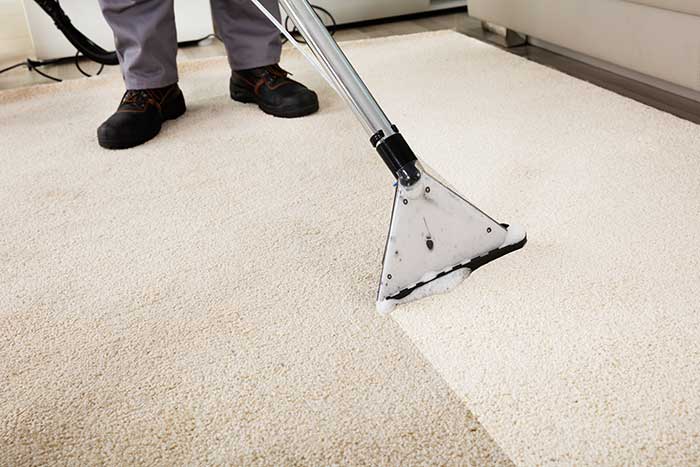

Office cleaning for Hampton Hill workplaces
A workplace on Hampton Hill High Street can have two distinct daily rhythms. The front door opens to the public at a fixed time, while the work behind it may begin earlier, finish later or continue through the lunch period. A cleaning specification that starts with those two rhythms is more useful than one based on floor area alone. Record when the entrance can be worked on, when the team can use a vacuum without interrupting telephone calls, and which rooms stay occupied until the final appointment. Write down where the two schedules overlap. That overlap often determines whether an early, late or split visit is worth discussing.
Use the actual address and the door that should be used for access. Hampton Hill High Street runs between the Hampton direction and the Fulwell side of the neighbourhood, with Bushy Park alongside the eastern edge. If your premises are accessed from a side road or through a shared passage, say which entrance appears on the site signage and who has permission to open it. A postcode does not necessarily identify the door a cleaning team should use. For a property with a separate branch nearby, the Hampton office cleaning guide can help you keep the two service briefs separate.
The aim is a readable schedule that an office manager can check against what happens on site. Include priorities, access, room boundaries and any surface that needs approval before it is treated. Record where finished work is inspected and which items are the occupier’s own responsibility. A clear first brief gives Complete Clean Management the information needed to discuss the work and provide a quote based on your premises.
Keep the High Street entrance ready for the first appointment
Start with the distance from the pavement to the first point where a visitor stops. A slim entrance may have a mat, a handle, a second glazed door and a counter within a few steps. The materials are different, yet the visitor experiences them as one continuous route. Dust on the ledge, marks at hand height and grit at the edge of the mat can therefore be best considered together. During a walkthrough, stand where visitors sign in or wait. From that position, identify the surfaces they actually see and touch before they reach a private office.
Ask whether the entrance is the only route for staff, customers and deliveries. If it serves all three, agree who can tell the team that the area is available, and how the work can be split when someone needs to pass through. Where the opening time is fixed, put the entry route near the beginning of the agreed service and give reception staff a quick check to make before unlocking the public door. They can note a fresh mark without guessing whether it appeared before or after the visit. If the entrance is shared, the occupier should confirm which parts are included in their agreement before promising that a particular section will be covered.
For a ground-floor suite above or beside other occupiers, record the exact limit of the cleaning. The inside face of the office door may be yours while the outer stairs and hall are managed centrally. Ask the building contact how they want faults reported and where access equipment can be placed without narrowing the route. A diagram or photograph approved by the occupier can make the boundary easy to understand.

Choose visit windows around occupancy and quiet work
Use an ordinary week as the starting point. Mark public opening, regular team meetings, quiet desk periods and the time staff normally leave. Add a note for any day on which the routine changes, such as a recurring early delivery or a team that works elsewhere. The cleaners need a realistic start point and enough room to finish the assigned work. A schedule that assumes every desk will be clear at the same time is likely to miss tasks when people stay to complete a call. Record a fallback room so the visit can begin without asking colleagues to stop their work.
Separate tasks by the amount of disruption they create. Wiping an available kitchen counter and clearing an agreed bin are different from running machinery near an occupied meeting room. Ask the people using the office which tasks they can work alongside, then mark the ones that need a quieter window. For a workplace that is open to visitors until closing, consider whether the entrance can be dealt with in sections while private rooms are handled later. Discuss the order with the site contact, including the point at which nobody can authorise access after the building has been locked.
Assign a single person to pass on temporary changes to the brief. A calendar event may tell staff that the training room is booked, but the cleaning team needs the time the room is expected to be available and who can release it. Keep room names consistent with the door signs. This matters for a small site too, especially where staff have given one room several informal names. A written exception is easier to follow and check than instructions passed between shifts.
Plan carpet care for the route the building really takes
Trace where footwear enters, where people turn and where the floor covering changes. For an office near the park side of Hampton Hill, a walk that starts outdoors can bring in damp or grit on a wet day. There is no need to assume every room receives the same amount. Compare the threshold, the first stretch of circulation carpet and any room behind a second door. Look for a trail rather than treating one mark as representative. That observation helps decide where ordinary vacuuming should be concentrated and what might need its own periodic assessment.
Make a note of transitions between matting, carpet, tiles and hard surfaces. Check whether the mat is fixed in a recess or can be lifted safely by agreement. Where an edge is curling or a surface is loose, describe it to the site manager as a condition to review. Record floor materials and any maintenance instructions you have from the landlord or installer. If staff move chairs frequently, ask which items can be moved during a routine visit and which are heavy or connected to equipment. Include the time at which the route must reopen to people passing through the building.
When wear or marks need a deeper discussion, use the commercial carpet cleaning service page and identify the specific area. A treatment may have different access requirements from everyday cleaning, and a lasting change in colour may need an assessment before an outcome can be discussed. Keep a dated record of the starting condition. It gives the occupier a fair basis for reviewing the work and avoids comparing heavily used circulation carpet with a less-used meeting room as though both surfaces started in the same state.
Set rules for workstations, equipment and papers
Ask staff to choose a clear signal that a workstation is ready to be cleaned. An empty surface can be a useful signal in a hot-desking space. For assigned desks, a tray for current work may be more practical if the rest of the surface is to remain available. Whatever rule you choose, make it consistent across the office and make sure the team can tell what has been released. Define whether reachable desk edges, chair surfaces and the area under the desk are included when the top is occupied. State which electronic equipment and personal objects should be left alone.
A Hampton Hill practice with paper files or demonstration materials may have an area that remains laid out from one day to the next. Name it in the schedule and ask a member of staff to take responsibility for the handover. The site contact can identify what should stay in place and how the cleaner should respond when documents have been left outside their usual storage. Use the occupier’s own security process for papers and equipment. The cleaning notes can give the necessary instructions without naming a client or describing private material.
Agree how a blocked workstation is reported. A short note such as a desk reference and the date is usually more useful than an explanation that includes what was on the surface. Review recurring exceptions with the person who controls the room. If one desk is regularly unavailable, check whether the tasks around it can be completed at another time. A cleaner and an office manager should be able to compare what was possible with what was agreed, without treating every occupied workstation as a missed visit.
Specify staff and visitor washrooms separately
List the washrooms used by staff, customers or other tenants and record how each one is reached. A visitor facility near reception may need to be available before the main office opens. A staff facility behind a secure door may be released at a different time. On a shared floor, ask who can authorise a visit and who is responsible for the fittings. If the occupier has use of a washroom but a landlord controls it, the landlord’s arrangement should be confirmed before it is written into the office schedule.
Give stock, condition and cleaning their own lines in the brief. Identify who buys soap or paper, where refills are kept and who can open the dispenser. A cleaner should have a way to report an empty cupboard or a faulty fitting to the correct person. The person receiving the report should know whether it concerns replenishment or an issue that belongs to building maintenance. A comment that a washroom needs attention can be too broad to act on. A note identifying the room, fitting and time makes it easier for the premises contact to respond.
If you need to discuss supply arrangements or work outside the ordinary visit, use the washroom services page as a separate reference. During review, look at the room when its users need it. A morning check can show whether a visitor washroom is ready for the first appointment. A later check can show what happens after a busy period. Comparing those two points helps separate visit performance from stock demand and later use. Make a change to the appropriate part of the specification if the same problem keeps recurring.
Define a kitchen reset that staff can support
In a compact office kitchen, the order of work matters because there may be very little free counter space. Ask people what they can clear after lunch and what is left for the end of the day. The cleaning brief should say which parts can be worked on when staff cups and food are still present. Identify anything that belongs to a neighbouring tenant, and keep spare supplies in an agreed place. If the sink is used to prepare drinks for appointments, agree when it can be released and where clean items can go without interfering with another occupier’s arrangements.
Take a walk through the waste route with someone who uses it every day. Start at the kitchen bin and follow the path to the authorised store. Mark any shared door, step or narrow corner, and say which container is assigned to the office. Describe the alternative if access is unavailable at the scheduled time. The cleaning team needs to know whether a box is rubbish, reusable packaging or a delivery waiting to be checked. Give material that is to be kept a specific place, and identify who can approve removal if the distinction is unclear.
For a workplace with several part-time occupiers, assign the everyday jobs to roles rather than assuming the last person out will know what to do. If the office expects cups to be put away before a visit, tell all users where they should put them. If the cleaner is responsible only for reachable surfaces and the agreed bins, state that clearly. Review the arrangement at the start of a new tenancy or when a meeting room begins to be used for catered sessions. Changes in room use can affect the kitchen routine before they affect the office floor area.
Agree the boundary at stairs, corridors and other shared areas
Start from the front door and identify where the office actually begins. On a mixed-use property, the entrance, stair, handrail and landing may be maintained under a separate arrangement even when your staff are the people who use them most. List the areas in order and name the person who controls each part. A quote for a single suite can then be compared with another quote for the same suite. If a quote includes a common stair, it should be possible to see that difference without reading between the lines of a generic description.
Check which route can be used to bring in equipment. A common staircase may be the only path to an upstairs office, so the person responsible for access should agree when it is available and where work can pause to let others pass. A landing can look clear when the building is quiet and be used for deliveries during the day. Record any permission needed to move items and who gives it. Leave rules for shared fire routes and building access to the responsible premises contact. The schedule can record how cleaning is expected to fit within those arrangements.
If you manage several units or need to discuss a common-area specification, use the communal cleaning service page to outline the separate requirement. Include any differences between front and rear access and between private and shared facilities. Give both parties an agreed description of the scope so a report about a shared handrail reaches the building manager while a question about an office desk reaches the occupier. Keeping the two records separate also helps when the suite changes tenant or when the building revises its shared-area agreement.
Prepare meeting rooms for the next user
A meeting room is often judged at the point somebody walks in with a visitor. Decide what ready looks like at that moment. The table may need to be clear, the chairs arranged and the floor reachable without moving a cable or presentation stand. Ask which layout is usual and who can approve changes. Describe any equipment or samples that remain set up for the following day. The instruction should be understandable to a person who was not present for the meeting and should leave responsibility for confidential material with the occupier.
If meetings run into the cleaning window, nominate someone who can say when the room is free. Provide a fallback task and agree whether the cleaner should return later or record the area for the next visit. A useful handover describes the room release and priority without needing details of what took place. For a training room used by several groups, put a simple room name on the calendar and keep the same name in the service brief. A clear name avoids mix-ups between rooms that have similar sizes or two entrances.
Catering adds a separate question about what the person booking the room removes. Give serving equipment and reusable items a place to go, and describe which bins should receive waste from the session. If the room needs a fuller reset before a first appointment, agree that as part of the next handover. Compare a couple of real bookings with the proposed visit time before writing the room into a fixed schedule. Small changes to release times can resolve a recurring access problem without changing the specification for the whole building.
Prepare for changes to flooring, fittings and room use
Before an office fit-out begins, separate the areas that will remain open from those that will be handed over later. Make a list of the doors that will still be available and the rooms staff will temporarily share. Tell the provider when they should expect to hear that a room has been released. A delay in moving furniture can affect whether a floor is reachable even if the building is otherwise open. Treat additional tasks linked to the work as a distinct scope and keep the routine for unaffected rooms visible in the brief.
For an older High Street property or a suite with repaired finishes, ask the premises contact for the surface details before arranging work. Record the location of any join between original and replacement material, and note areas awaiting approval. Some surfaces may need instructions from the installer or building owner before a method can be agreed. An up-to-date list helps the cleaning team distinguish ordinary loose dirt from a finish that needs separate attention. Document the starting condition where an old mark or defect might be mistaken for a new problem.
After the change, arrange a short review of the premises. Confirm where staff now sit, which cupboards hold stock and what has happened to the visitor route. Compare the room list with the actual layout and date the new version. If work beyond the office suite is needed, the London commercial cleaning page can help frame the wider discussion. State what has changed in the specification and when the new arrangement takes effect, so a temporary instruction does not become part of the regular visit by accident.
Check results at the point your team notices them
Choose a small number of inspection points that reflect the reasons you asked for the service. At a Hampton Hill office receiving visitors, check the front route before opening and the facilities used during appointments. A staff contact may be better placed to check the room where the team takes breaks. Give each person a way to record the date, the room and the particular surface. Those details make a follow-up easier to act on and reduce the need to pass around a broad comment about the whole office.
Look at the schedule when you review a finding. Ask whether the room was available and when it was next used. A floor that was clear immediately after a visit can pick up marks when a delivery arrives, while an area left untouched because it was occupied needs a different response. Record any patterns across several checks. For a shared building, separate notes for the private suite from those for the entrance that another party maintains. The person reviewing the specification can then direct the issue to the people who actually control it.
Use the same fields across sites if you manage more than one, with local details in each record. A Hampton Hill suite might prioritise its High Street entrance while a second office in Twickenham has a different reception route. Shared headings can make the records easier to compare. Separate room names, check times and access notes prevent an issue from being reported against the wrong address. Give any change to the service a date and revisit it after enough ordinary working days to see whether it is helping.
Request a Hampton Hill quote with comparable scope
Send the address, the number of workrooms, the floor materials and the days you need the premises to be ready. Describe the route for access and tell the provider which rooms are shared, private or occupied late. If an office is above a shop, name the person who can release the outer door once the business below closes. Note any items that staff will clear before work begins. The information makes a quote easier to discuss because both sides can see what the provider is assuming about room availability and responsibilities.
Ask the provider to separate regular tasks from occasional or specialist work. Compare visits by the rooms they include and the frequency of tasks rather than by the time slot alone. If a short visit gives priority to an entrance and washroom, ask how the other rooms are covered over the rest of the week. If periodic work needs a separate window, say when the premises can be released and who must approve the method. A useful written scope gives you a way to see what changes when two options have different visit lengths.
Complete Clean Management can discuss those priorities and the next step through the quote link or London telephone number on this page. Use the London office cleaning guide if another location needs its own brief. For Hampton Hill, tell us what problem you are trying to solve first. That could be the condition of a visitor entrance before opening, the availability of a room after late appointments or uncertainty about what is included in a shared building. A specific example makes it easier to agree what should be checked at the first review.

Questions about arranging office cleaning in Hampton Hill
How should I describe a first-floor office on Hampton Hill High Street?
Give the public address and the separate entrance if there is one. Explain where the office boundary starts, who can release the shared stairs, and whether equipment can be brought in after the business below closes. List common parts separately from the workrooms you control.
Can the entrance be ready before our first High Street appointment?
Describe the time the door opens, who can let the team in and what needs to be ready at the first appointment. Identify any tasks that can be done later in private areas so the entrance can be prioritised in the agreed brief.
How do I include a worn corridor carpet in the scope?
Describe the covering and the route where the wear is most apparent. Include the approximate age or care instructions if you have them. Use the carpet cleaning service page when discussing treatment separately from ordinary vacuuming.
What if a room stays booked beyond the cleaning start time?
Agree a fallback task and who will tell the cleaning team the room is free. Record whether the room can be revisited later in the same window or must be noted for the next agreed visit. Use the room name on the door rather than the name of the person who booked it.
Who should arrange refills for a washroom shared with other tenants?
Ask the building contact to confirm who provides stock, who can access the cupboard and who reports faulty dispensers. If you are considering a separate supply arrangement, discuss it through the washroom services page and record the boundary in your office brief.
Can Hampton Hill and Hampton use the same inspection form?
Yes. Keep the fields consistent but give each site its own room list, access instructions and priorities. The Hampton office cleaning page is a starting point for that premises. A finding should be identifiable by address and room even if one person reviews both sites.
What should I note if deliveries use the same door as clients?
Tell us when deliveries normally arrive and who can release the area. Show where parcels can wait and how people pass through the entrance during the work. An agreed order for the door, mat and nearby surfaces can be more useful than asking for all parts to be done together.
What should be separate in a Hampton Hill quote?
Keep the regular tasks and their visit frequencies together. List any common parts, carpet treatments or post-fit-out work separately, with the access conditions for each. Include the name or role of the contact who can confirm whether those areas are available.
Talk through your Hampton Hill office cleaning brief
Describe your workrooms, access and the tasks you would like priced. For other sites, start with the London office cleaning guide.
Clients we service
Organisations featured across Complete Clean Management’s client portfolio.
















GOOGLE CUSTOMER REVIEWS
What our customers say on Google
Selected review excerpts from Complete Clean Management’s London Google listing.
★★★★★
“Really happy with the deep clean! The team were friendly, professional and did a fantastic job.”
★★★★★
“We engaged with Complete Clean Management and they came in and did an absolutely fantastic job.”
★★★★★
“We have recently started to use Complete Clean Management for various cleaning services to our domestic and commercial renovation projects.”
★★★★★
“The team is punctual, professional, and pays great attention to detail.”
★★★★★
“We’ve been using this office cleaning service for several months, and it’s been outstanding.”
★★★★★
“Complete Clean Management has transformed the cleanliness of our workspace.”
Selected excerpts, checked 6 November 2026. Leave a Google review ↗