
Complete Clean Management · East London
Office Cleaners Harold Wood
Professional office cleaning tailored to your premises, working hours and priorities.
Request a free quote Call 0203 092 2297

Two different addresses in one Harold Wood cleaning brief
The postal address gets the estimate to your business. The entrance description gets the cleaner into the rooms you are paying to have cleaned. Give both. Havering’s planning record for Arundel Business Centre is one example of a business address on Station Road. A name on a building may still leave several possible doors and many units. Say which unit, which level and what the person at the entrance should look for. Identify the person who will meet them. This is particularly important in a building where a visitor sees a shared sign before the name of the company they are visiting.
Walk in at the same time you expect the work to take place. Check whether a common door is normally unlocked then, and ask what happens if a different occupier is the last person out. Record the location of any stairs and whether equipment can go through the same door as people. A cupboard with an internal key can be a second access constraint even after the suite has been opened. If the office has an alternate entrance for supplies, put it on the same sketch and identify who can authorise its use.
Give an estimator a list of workrooms with ordinary names that match signs or the way staff talk. If there are two rooms everyone calls the small office, distinguish them by floor or use. Describe the tasks that matter in each one. Put the private suite boundary on the plan and identify any shared surface the landlord has included separately. A clear address, entrance and room list are enough to start a useful walkthrough.
From Gubbins Lane to the office door
Transport for London lists Harold Wood station on Gubbins Lane. A person attending a normal visit can plan their approach on foot if the equipment allows. For an initial clean or specialist floor work, show the actual place a vehicle can use and the distance to the rooms. Check who has the authority to allow it and whether the spot is open at the required time. Even if a van can stop close to the building, a low step or tight turn can determine which equipment is practical.
When a delivery route is shared, book it through the agreed person and check what else is due. A delivery arriving before the cleaner can leave both parties using the same short passage. Agree where to wait and how to check whether the route is free. Give the cleaner a way to contact the duty person if the usual point is inaccessible. If there is a second route, ask the site lead to walk it with the team before it needs to be used. Keep emergency routes and access for other tenants clear.
Compare the normal visit and occasional equipment visit on the brief. The first might need a short room access window and a small kit. The second might need a wider door, someone to move chairs and a longer period before the space can be returned. List these differences early so the estimate covers the work and the journey through the premises. Review the instructions if neighbouring offices, delivery schedules or the building’s access arrangements change.

Fit the visit to staggered commuting and opening times
An office close to Harold Wood station may have one person unlocking early and others arriving later. The first person may need a clear desk and the kitchen, while visitor appointments do not begin until mid-morning. Decide what has to be ready at each point. A shared kitchen should have accessible surfaces when the first members of staff arrive. A meeting room that has no booking until the afternoon may give more flexibility, provided the person taking bookings knows when it will be available.
Build the cleaning window around the real room diary. If someone regularly finishes work after the front door has been locked, give the cleaner another place to start. When a late call means a desk cannot be reached, record the affected room and whether the work can be completed later. Ask who has the authority to release the room and how they will let the cleaner know. That small decision reduces the risk of a missed task recurring when people assume someone else will give the signal.
A new timetable may work in the first week and need a change after the office returns to normal use. Check an early day and a late day before deciding the plan is settled. Note how long the key handover takes and when staff are actually ready to leave. If your organisation also manages an office in Gidea Park, keep those timings on separate site sheets. Shared staff can use the same reporting format while keeping the timings and entrances particular to each building.
Choose exactly where the landlord’s checklist ends
A building manager may organise cleaning for the main entrance and stair, while each company looks after its own rooms. A shared meeting room can fall into either agreement. Request the communal specification and walk its boundaries with the property contact. Name the entrance glass, handrail, top landing and washroom by location. Put a responsible party beside each item. A shared door can need both sides cleaned, with one side facing the common area and the other within the suite. Include it explicitly if otherwise both parties may assume the other covers it.
If you occupy only part of a floor, record the room where cleaning equipment may be kept and the route to any sink. Confirm who can let a cleaner through shared areas after closing. Ask whether the equipment can be moved without asking another tenant to unlock a passage. Give the cleaner a way to report a spill or fault in a shared space where they have no task. That report should identify the place and the time, leaving the property contact to decide how to deal with it. The person receiving the message should know which building and floor the cleaner means.
Use two scope lines in the quote if shared work is being considered. Price the office tasks with their own frequencies and the additional work in the common area separately. If another tenant joins the building or the manager changes the communal contract, you can see which part of your estimate is affected. Give the final responsibility list to the people who open the office and approve extra work.
Ask the landlord for the process when a tenant needs an extra clean after a delivery, meeting or spill. Confirm who can order the work and whether the scope is under the office agreement or the common-area arrangement. Give staff one place to report it and note who will reply. An agreed route for occasional requests helps keep ordinary work predictable, especially if the shared corridor is used by several businesses during the day.

Inspect the entrance in the weather that causes the problem
A floor can look fine during an estimating visit and show a distinct track after a wet morning. Check the matting at the end of the period when most staff arrive. Look at which part of the mat people actually step on, the direction they take towards the stairs and where wet bags are set down. If people turn immediately after entering, the outside of the turn can show more soil than the middle of the corridor. Give the cleaner a description of the particular patch and ask the property manager to assess a mat that shifts or holds water.
Compare the same area once it has dried. Fine grit visible near a skirting board can need a different approach from a dark track that stays in the carpet. Give the estimator the floor material and point out any repaired sections or edges that already show wear. Ask about commercial carpet care if you are considering a separate treatment. Arrange enough room for equipment, the time to clear the office and a return-to-use time that works for the next booking. Agree who moves and replaces furniture and what condition to record before work starts.
For the regular schedule, mark the entrance and the first walking line as individual tasks. Choose a window for any work that leaves the surface temporarily wet. If the hall is the only route into the office, agree how people can avoid it while the work is underway. Keep a record of repeated marks and distinguish them from damage that needs the building owner’s attention.
Protect booked desks and things left for collection
In an office with some desks in regular use and others booked by the day, give staff a way to show that a surface has been released. A folder prepared for an appointment may be left behind deliberately. A parcel on a shared table could be collected the following morning. Ask staff to mark these items and set aside a shelf for anything that must stay in the room. That makes the actual worktop available and reduces uncertainty about whether something should be moved.
Treat shared equipment separately from the desk around it. Show which surfaces can be wiped and which items should remain plugged in or untouched. Give the person responsible for equipment a task to make the area reachable when periodic detail work is due. If something has to be moved, name the person who can approve it. Tell the cleaner how to report a surface that could only be partly reached. A simple note with the room and the blocked area is useful when the cleaner does not see the person who booked it.
Test the instructions during the week when staff use the office most. A room might stay busy after an informal training session or when people travel in for the same meeting. Look at what stays on the tables and who can put it away. A clear plan should give staff enough time to leave the area as agreed and give the cleaner another task while waiting. Bring recurring problems to a review instead of moving a person’s work or changing the schedule on the spot.
Use different standards for the first meeting and the last booking
A meeting room may host an external appointment in the morning and an internal session late in the day. Decide what the first booking needs. That may be a dry floor, chairs returned to a set position and a clear table with paperwork that staff have put out. The last booking might generate cups, flipchart materials or a request for a layout change. Assign the booking lead responsibility for leaving the room available. Agree which things can be cleared and which belong to a session that will resume.
Put the desired room layout in the diary or in a simple instruction within the room. Give the cleaner the contact who confirms when the people have finished. A room with a closed door can be empty, occupied or reserved for a call. A short signal is more dependable than trying to judge availability by looking through glass. Identify a suitable alternative job when the room remains in use. Work around adjacent calls only if staff agree how much noise is acceptable and the cleaner has room to work.
Compare the outcome at the time it matters. An evening check may miss the condition at the first visitor appointment, while a morning check can reveal whether an area was used after the clean. Record the room, booking and time. If the schedule needs a quicker reset and a longer periodic detail clean, price those separately. Ask the estimator to explain what can be reached in the short window and which work needs the room empty for longer.
Set stock levels for facilities with uneven demand
List the washrooms and who uses them. A visitor washroom near the entrance may be quiet on staff-only days, while a washroom on a shared landing may serve other occupiers even after your office closes. Check who orders supplies and whose cupboard contains the reserve. Record the types of refills fitted to the fixtures and how the cleaner reports low stock. Give the duty contact a fixture identifier so a fault can be found without visiting every room.
Review what happens on a busy appointment day and before a longer gap between visits. How much stock remains after a clean is only part of the picture. Decide the amount that has to last until the next check and the time needed to get replacements. If the existing shelf is hard to reach, find a secure alternative and give the cleaner a way to access it. Clarify who deals with damage such as a broken lock or a dispenser that releases the wrong amount. Keep the repair route separate from the stock route so a room does not keep running short for the same reason.
The washroom services page can help when discussing a separate arrangement for refills and servicing. Give the estimator the fixture list, opening times and whether the room is shared. Confirm who can authorise the work and which facility can be used while a room is being cleaned. Keep boxes off the common route and appoint someone to put a stock delivery away. At the first review, ask whether the agreed checks give enough notice before each dispenser runs out.
Assign the internal and external parts of waste handling
Start by walking from the office bins to the place where the business’s waste is stored. Name which container belongs to your office and give the cleaner permission to use only the correct route. In a shared building, explain whether another tenant or the manager controls the final door. If it is locked at the end of the visit, provide a holding point within the premises and a contact who can arrange the next transfer. The plan should keep the passage available for other people even when a collection is delayed.
Use Havering’s business waste guidance with your provider’s information to confirm the responsibilities. Specify where cleaning ends and who is responsible for presentation and collection. Tell staff to label boxes ready to be emptied and to keep confidential material under the office’s agreed procedure. A small amount of paperwork awaiting filing can look like rubbish if it sits beside a container. Give the team a named place for it. Agree how the cleaner should report the wrong material in a bin and who deals with the issue.
Use a busy delivery week to see where storage is under pressure. If one container fills before the others, check what is going into it and whether the position of the bin is affecting how people use it. A short change to the office layout can make it easier to keep material separate. Update the agreed route if the landlord moves the store or a neighbour changes the way it uses the yard.
Avoid putting every kitchen job into the busiest visit
Watch the kitchenette before deciding which tasks should be done most often. A station-side office with staggered arrivals may see people make drinks in several short periods. Give staff a place for used mugs that leaves enough counter space to prepare the next drink. If the sink is also used to refill a water jug or clean items for visitors, agree when a cleaner can use it. State who clears food from worktops and which parts of the kitchen belong to someone else.
Separate regular wiping from jobs that take more room or staff involvement. A fridge shelf may only become available after employees have removed their belongings. A microwave can be cleaned more thoroughly when it is out of use and cool. Show the cleaner which items can move and who authorises access to an appliance. Mark the cupboard for supplies and agree who puts things away. If cleaning equipment is stored nearby, keep it separate from office food and stock under the building’s own arrangement.
The best time to check the new kitchen routine may be after the longest break. Look for the place that fills first and what prevents the cleaner reaching a surface. A tray might be placed badly, or staff may need a reminder to clear a worktop after a late meeting. Give the room its own handback, with someone responsible for reporting a spill during the day. Record whether the next visit was able to complete the expected work.
Price changes to office use as a distinct piece of work
An office taking an adjoining room or moving furniture may expose surfaces the usual clean has never reached. Plan an initial reset with a short list of the floor, accessible shelves and handover condition. State when the space will be clear and when staff expect to move in. Confirm who removes packaging, temporary protection and unwanted furniture. Ask the estimator to show where that one-off work ends and which tasks will become part of the recurring service. If a room is still being fitted out, confirm when it is ready to be handed over.
A change in office use can also alter how much time it takes to clean existing rooms. Turning a quiet meeting room into a shared workspace adds desk use and may increase demands on the nearest washroom. Moving reception can shift grit toward a different entrance. Give the cleaner and the duty contact the new room names and access times. Check which old items can be removed from the list and what should be retained. For a wider brief, use the commercial cleaning overview to discuss work beyond the desk areas.
Agree a review after enough visits to see how the new space is used. Choose a few conditions to check, such as the floor from the entrance to the occupied desks or a shared washroom at the first break. Tell staff how to report a recurring issue. Give the cleaner a copy of any agreed changes, and keep separate lines for the revised routine and any further periodic work. A price can then be traced to what actually changed.
Compare proposals against the same Harold Wood workrooms
Send the full address, door, floor, room list, occupancy hours and the roles of the building and tenant contacts. Include whether a cleaner can keep equipment on site, how waste leaves the suite and which areas are inaccessible during the proposed slot. Give the estimator the finish and condition of the floors that need attention. Say what has to be ready for the first staff member or visitor and who checks it. Describe an ordinary day and the busiest one, even if the service is only needed a few times in the working week.
Ask each estimator to separate regular tasks, occasional floor work, an initial clean and any stock charges. Check whether they have assumed that staff will move items, make a room available or open a common door. Give them the same decisions and the same room names. Confirm who can approve changes when a task takes longer or a room stays occupied. Keep a short list of the points you will review after service begins. It is easier to compare proposals when they describe comparable work instead of a visit length alone.
For other addresses, use the London office cleaning directory and write a separate site sheet. A business with rooms in Romford can apply the same decision process without copying the entrance or work hours. Give each duty contact the final room list, the access arrangement and the agreed way to handle skipped items. Schedule a first review that includes at least one typical day and one day with heavier use.

Questions about arranging office cleaning in Harold Wood
Which entrance should we give for a Station Road business centre?
Give the address and unit plus the door a cleaner should use, the buzzer name and the floor. If a second route is used for equipment, explain who opens it and when it is available. On a walk through, check shared doors and the location of the nearest agreed place to put equipment.
Can a cleaner reach our Harold Wood office from Gubbins Lane with all the kit?
Ask for a walkthrough with the kit needs in mind. The TfL station page helps with orientation. Give the exact approach to your unit and an authorised unloading route if a machine or bulk supplies are needed.
Who includes the shared stairs in the estimate?
Confirm whether the landlord’s communal schedule covers the steps and landing. Mark the point where the private suite starts and give the cleaner a way to report a spill in a common area. Ask for separate quote lines if you are considering additional work in the shared space.
Can the carpet just past our Harold Wood entrance be treated separately?
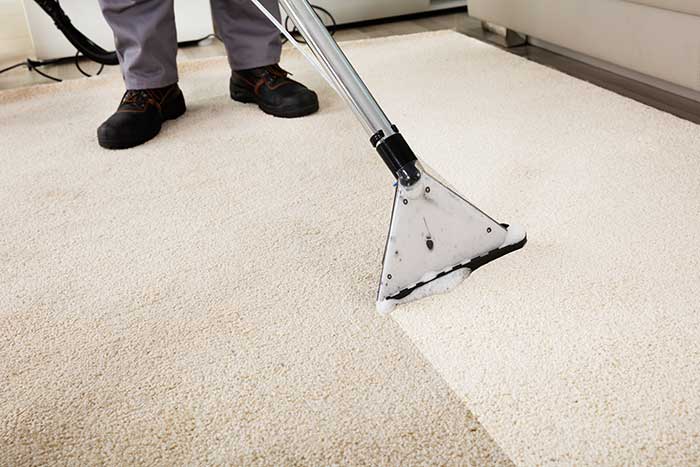
Show where marks appear beyond the mat and what happens after vacuuming. Give the carpet material and any known repairs or stains. Discuss periodic carpet cleaning and explain how long the approach can be left clear.
How do we plan washroom refills for busy appointment mornings?
Give the fixtures, time of peak use and the stock kept on site. Check how much has to last between visits and who orders replacements. If you need a separate arrangement, use the washroom services page to discuss it.
Can one checklist cover Harold Wood and Gidea Park?
Use the same headings for room standards, issues and approvals, but record each site’s entrances, opening times and building responsibilities separately. The Gidea Park guide can help with the second brief. Keep pricing and inspection results by address.
What should we do if the shared store is locked after reception closes?
Agree an authorised internal holding point and the person who can arrange access later. Explain which container the office uses and who contacts the provider. Check Havering’s business waste information when confirming the arrangement.
How should we schedule around staff who leave on different trains?
Use actual room release times from the diary. Show where the cleaner can begin while another room stays occupied and who confirms when the last room is free. Agree what happens if a late call means that a task cannot be completed in the remaining time.
Talk through your Harold Wood office cleaning brief
Describe your workrooms, access and the tasks you would like priced. For other sites, start with the London office cleaning guide.
Clients we service
Organisations featured across Complete Clean Management’s client portfolio.
















GOOGLE CUSTOMER REVIEWS
What our customers say on Google
Selected review excerpts from Complete Clean Management’s London Google listing.
★★★★★
“Really happy with the deep clean! The team were friendly, professional and did a fantastic job.”
★★★★★
“We engaged with Complete Clean Management and they came in and did an absolutely fantastic job.”
★★★★★
“We have recently started to use Complete Clean Management for various cleaning services to our domestic and commercial renovation projects.”
★★★★★
“The team is punctual, professional, and pays great attention to detail.”
★★★★★
“We’ve been using this office cleaning service for several months, and it’s been outstanding.”
★★★★★
“Complete Clean Management has transformed the cleanliness of our workspace.”
Selected excerpts, checked 6 November 2026. Leave a Google review ↗