Complete Clean Management · West London
Office Cleaners Maida Vale
Professional office cleaning tailored to your premises, working hours and priorities.
Request a free quote Call 0203 092 2297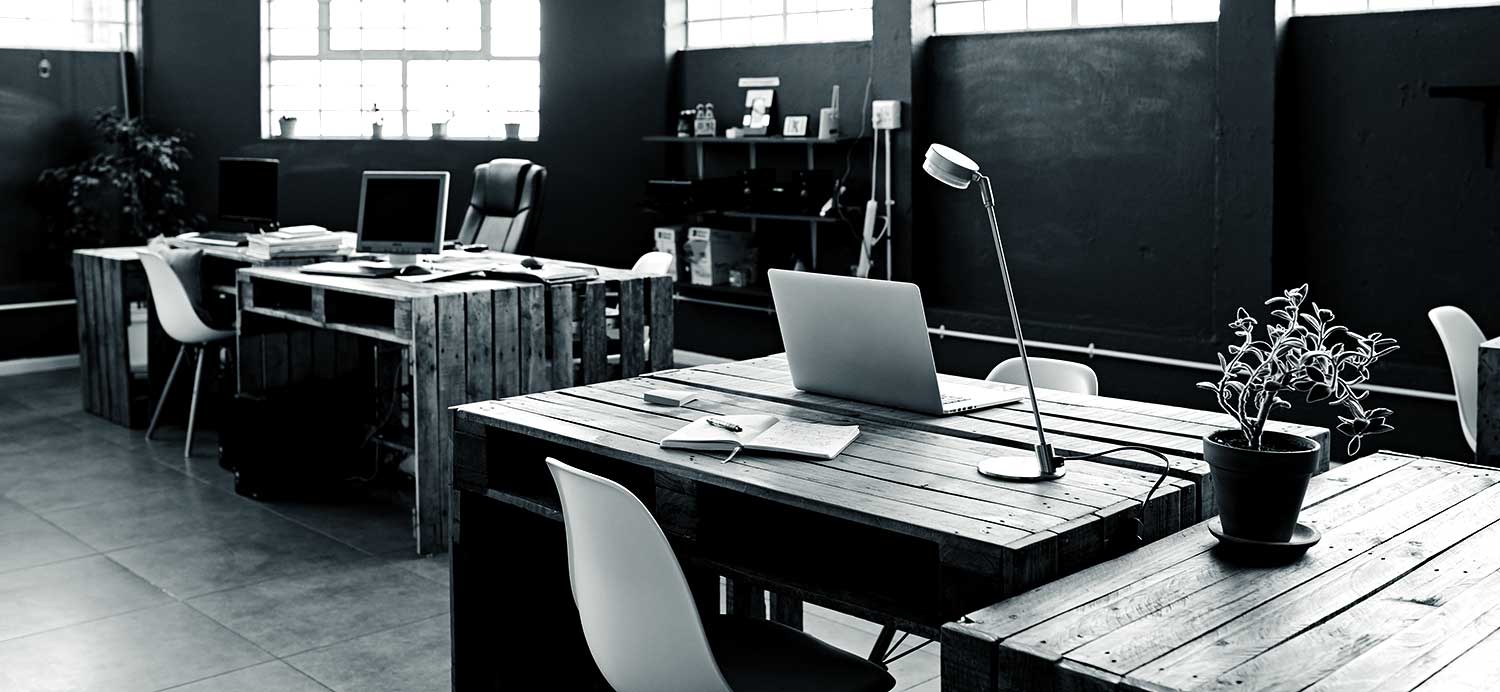

Office cleaning for a Maida Vale suite or studio
Maida Vale offices near Clifton Road, Elgin Avenue or Warwick Avenue can occupy a street-front unit, a room above another business or a suite in a building shared with residents or other tenants. The location is useful, but it does not tell a cleaner which entrance they can use or what work can happen at a particular time. Give Complete Clean Management the full address and floor, and explain the rooms your business controls. Mention the times when those rooms need to be ready, including any appointment, recording session or team meeting that changes the ordinary pattern.
Start with the part of the office you would want a new person to see first. For some businesses that is a waiting area and table. For others it is a quiet studio or a set of shared desks that people use as soon as they arrive. Explain what the office team already does to prepare it. Give an example of a room that stays occupied or cannot be cleared easily. The details will help the provider discuss what can happen during an ordinary visit and what would need a different slot or its own assessment.
Our office cleaners London page describes the broader service. This guide explains how to write a brief for a Maida Vale premises with mixed finishes, quiet working hours or a shared route. It is useful when moving into a suite or when reviewing a schedule that no longer fits how staff use it.
Check the building arrangement before planning work outside office hours
An office with its own door can have a straightforward arrival route. A suite in a shared building may depend on a common entrance, a stair and a keyholder who finishes earlier than your staff. Walk the authorised route with the building contact and identify where your own premises starts. If the landlord already covers the common stair or landing, keep those outside the tenant quote unless the responsible person agrees something different. Tell the provider which shared areas it can pass through and what hours those routes are available. Access to a shared area and responsibility for cleaning it are separate details.
Consider when equipment can be moved through the building. Show any narrow turns and places where doors or corridors need to remain clear. If supplies can be stored in your office, say who can access the cupboard. If they have to be brought in on each visit, show the route and where equipment can be put down while the work is being carried out. A periodic job may need a different route. Identify who can approve it and whether the timing depends on other people using the premises.
Name the person who can meet the cleaner on the first visit and a backup for later. Keep sensitive entry information out of a general quote request. Agree what to do if the usual route is unavailable and how to record any work that could not take place. A brief can also explain which doors should be closed at the end of the visit. Those instructions help the cleaner and office contact use the same arrangement when the person who set it up is away.

Choose a work order that leaves quiet rooms available
In a Maida Vale studio or private office, some tasks may be possible in the next room while a call or meeting is still taking place. Others might interrupt the person using it. Mark the hours when people need quiet and when a room is normally clear. If you use the same room for different kinds of work, give the cleaner a person who can confirm when it is available. Describe an alternative area to start with and say whether there is enough time to return. This can make a short visit useful without asking people to leave a room halfway through their work.
Decide which results are time-sensitive. A reception space may need to be ready before an appointment, while a room with equipment can be dealt with later once staff have put away their materials. Discuss the surfaces and parts of the floor that can be reached. If a place stays occupied longer than usual, agree how the cleaner can record it. The office can then distinguish a room that was not available from a task that was missed despite being reachable. That distinction is useful when deciding whether to change the schedule or the room preparation.
Review one quiet day and one day when the office is fully booked. A slot that fits a normal day may not fit an evening with a late session. Ask whether the regular tasks can be reordered and whether any work needs a separate planned visit. Write down the agreed change, including who can confirm it. Keep the provider and the people who use the room working from the same information.
Show which finishes are original, delicate or recently fitted
An older office near Clifton Road or Elgin Avenue might have painted joinery, timber details or a threshold that has been repaired separately from a newer floor. Show the materials to the provider and share any care information from the property owner. Note worn or chipped areas so they can be distinguished from loose dirt or marks caused by ordinary use. Decide which surfaces can be included and which should be left aside until the right instructions are available. A request for the cleaner to look after all wood or glass is hard to assess unless it identifies the surfaces involved.
For internal glass, show which panels are accessible and whether they have film or markings. A pane behind a chair or desk may only be reachable once staff move the furniture. Say who can do that and how the area should be reset. If the outside of a window or a high fitting is looked after by the building, keep it separate. A quote can distinguish the parts included in a routine visit from work needing a different method, access or permission. That makes it easier to review the surfaces you actually want assessed.
Give the provider any care information for rugs, upholstered seats or counters. Record the initial condition if there is already a concern. A description of the particular mark and material is usually more useful than a broad request to remove all marks. If you take pictures, avoid documents, people and personal belongings. Agree who reports a repair and who can advise on a sensitive finish. The office can then check the results against the condition and work agreed at the outset.
Prepare shared worktops without shifting the materials that belong to staff
A studio table may hold samples, equipment or papers for a job that is still under way. An assigned desk may have fixed cables and a screen that should stay in place. Give staff a way to clear the areas the cleaner is expected to reach. Identify which surfaces can be worked on and which items the office team looks after. A room can be left available without making anyone decide what private documents should be moved. Include any requirement to keep a closed room private and identify the person who can give authorised access.
For desks that change users, agree where the last person puts things before leaving. If staff work from different locations, they may not all know which parts are meant to be clear. A shelf or tray can help if the staff who own the items use it. Show where a cleaner can reach the floor around chairs without moving cable blocks or bags. If the same area is blocked each time, ask for a note giving the position and the reason. The office can review storage or choose a slot when the room is clear. Increasing visit time will not help if access is still unavailable.
Meeting rooms can be handled in much the same way. Ask the host to clear the exposed table and give the cleaner a deadline for getting it ready again. If the room is occupied, agree another task and who can say when it becomes available. Review how the handover works before changing the scope. That keeps the cleaning tasks clear and leaves decisions about staff equipment, records and client materials with the people who use them.
List the washroom tasks your business can commission
A Maida Vale suite might have its own toilet and use another facility in a shared part of the property. Ask who controls each one and what the existing schedule covers. For the rooms in your brief, show the fixtures, door surfaces, dispensers and floor sections that can be reached. Tell us when people need to use them and whether the room can be closed briefly for a visit. A client-facing toilet may need to be ready at a particular point even if the office staff use it less often. Give it its own priority in the schedule.
Agree who refills the dispensers and who buys the stock. Show where compatible supplies are kept and whether the cleaner is permitted to reach them. Name a staff contact who can respond if items run low between visits. If the room is shared, ask which occupier or manager is responsible for that decision. Keep faults such as a loose fitting, blocked dispenser or leaking tap with the person who manages repairs. A short note saying where the problem occurred helps them find it and keeps it separate from the work the cleaner is expected to do.
Use washroom services to discuss separate sanitary disposal or replenishment requirements. Tell us what is already arranged and which tasks you want considered in addition to the regular clean. An agreed room list and a clear allocation of supplies, servicing and repairs can help the office respond when a room is heavily used or when the usual person who checks it is away.
Look at the route from the mat to the far side of the carpet
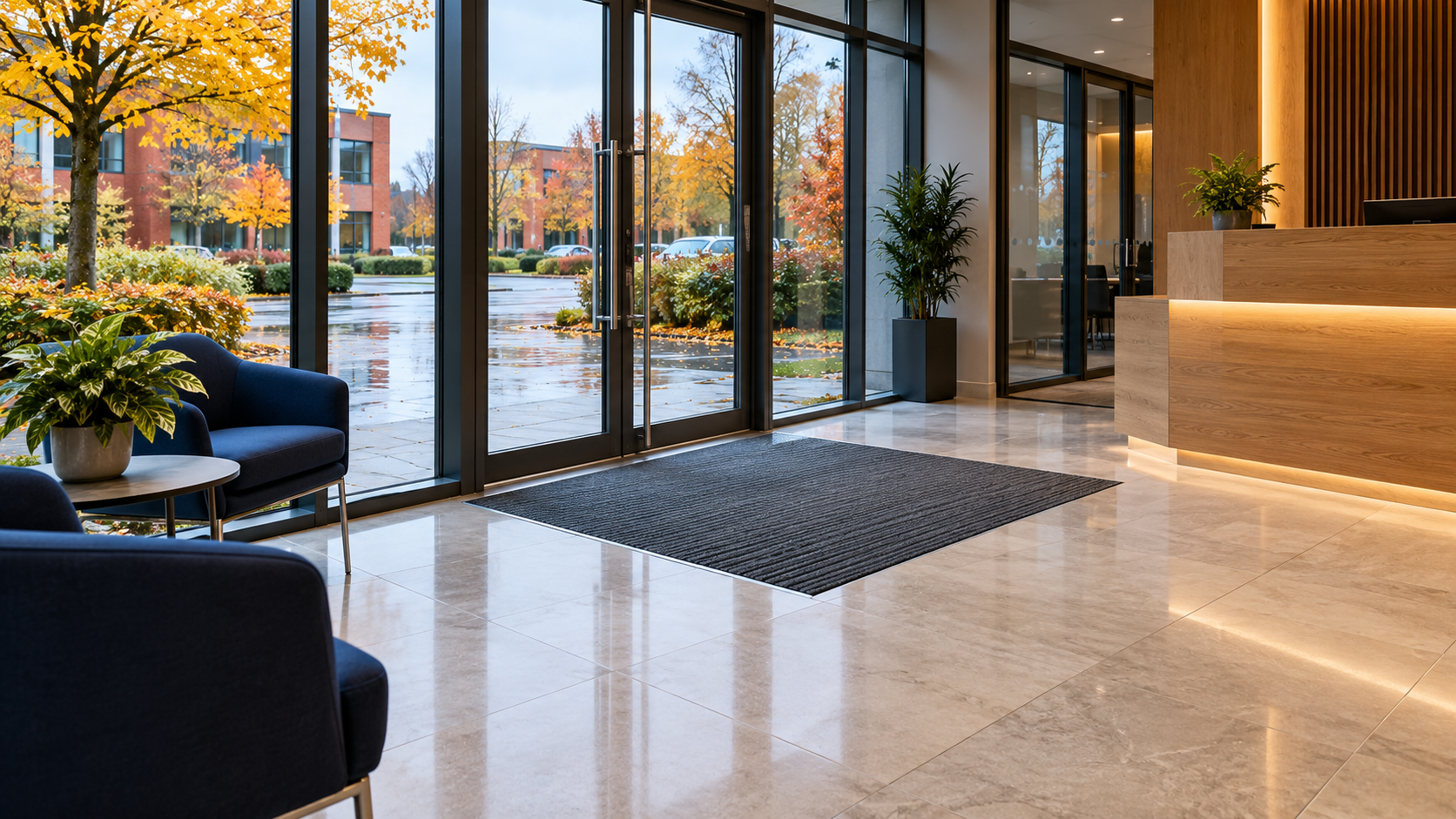
Walk in after a wet morning and look at the first turn away from the door. The mat can catch some moisture while grit carries through to the office, settling under a chair or against a threshold. Show the provider which areas belong to your tenancy and where the common entrance is looked after by the building. Tell us who can move a mat and whether it has its own care instructions. If a strip or tile is damaged, give its location to the property contact. That is a separate matter from how to remove soil from the surface around it.
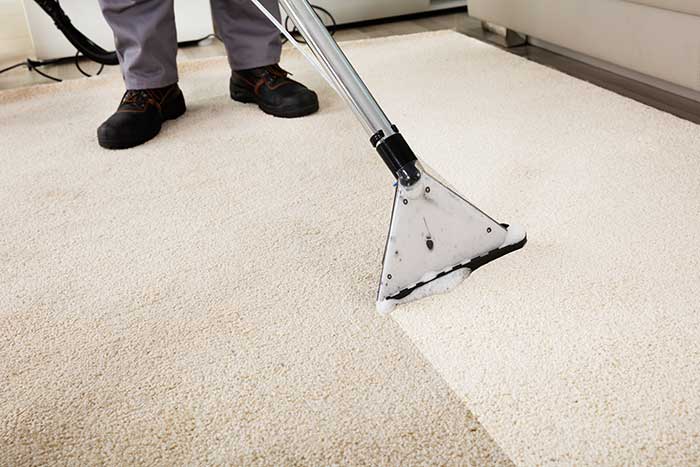
Compare recent marks with areas that have changed through regular use. A worn path through a room may look darker than the edges in certain light. A spill near a meeting chair can be a more local issue. Tell the assessor what treatment has already been tried and what you know about the floor. For work beyond routine vacuuming, see commercial carpet cleaning in London. Describe when the area can be kept clear, how equipment reaches it and when it will be needed again. That can help assess the work independently of the regular visit.
Agree who prepares furniture and where suitable pieces can be moved. If another room can be reached only across the carpet, discuss how to keep access available when needed. For ordinary floor work, choose a repeatable check before staff arrive. If soil returns after the first bookings, note how people used the route. A clear observation can help distinguish a routine that needs a different order from an entrance or flooring issue that belongs to the property contact.
Make a small kitchen work for everyone who uses it
A kitchenette can be difficult to reach if it doubles as a passage or sits beside a quiet room. Ask who normally uses it last and when staff can clear cups, food and containers. Show the exposed worktop, sink and bin areas you want covered. Identify a task the cleaner can do elsewhere if the kitchen remains occupied. If the room is only reliably clear on certain days, say so. A work order based on access can be more practical than a checklist that requires someone to reach the same surfaces at the same moment every day.
Tell us which jobs need a separate preparation step. An appliance interior might need to be emptied by staff before it can be included. A unit beside the bin can prevent access to the floor unless something is moved. Show which things staff will handle and what needs to stay where it is. Decide what to record when the room cannot be prepared. If there is a recurring obstruction, it may be worth changing storage before changing the amount of cleaning time. Check the result after the adjustment rather than assuming the new position works in ordinary use.
Explain where waste goes and which containers the office can use. A common store may have restricted hours or a different entrance. Confirm who can authorise access and what to do when it is unavailable. Keep documents and other waste handled under separate arrangements distinct from ordinary office rubbish. A short instruction about preparation, surfaces and the final waste destination helps the cleaner finish the room within the agreed brief.
Review a small office in a way that respects privacy
Choose a few places staff can inspect without opening private rooms or moving other people’s things. Check the waiting area before the first appointment, the agreed workstation surface after preparation and the floor nearest the door. If a task was not completed, record the room, time and what prevented it if known. A report does not need the names of people who were present or what work they were doing. Give the provider enough information to discuss the task and the office enough information to decide whether it needs to clear the area differently.
An access problem may require a quicker response than an observation about a surface. Tell the cleaner which contact can authorise another door, confirm that a room is free or discuss a change in time. A landlord may need to deal with a common route. A site manager can help when staff have not prepared a private space. Keep the written instructions current and agree what to record if the whole visit cannot proceed. The contact should be able to find the exact room and action needed without having to ask staff for unnecessary details.
Look for repeated patterns when you review. A room that cannot be reached every Tuesday may need another slot. A specific surface that is still inaccessible after a storage change can be discussed separately. Make one adjustment and use the same check to see whether it works. This makes the review useful for the person doing the work and avoids treating the entire schedule as a problem when the issue affects one area.
Ask suppliers to quote against the same rooms and access
When you ask for a quote in Maida Vale, give each company the same list of rooms, working hours and surfaces. Explain which parts are common areas and what the landlord already covers. Identify the work you need at each visit and what you are considering as an option. Ask the provider to show its assumptions about staff preparation, available storage and supplies. If one quote is shorter than another, check which tasks or areas each includes before making a comparison. A small office may take different time depending on the route and whether rooms can be accessed without waiting.
Give separate details for less frequent work. A carpeted room might need a planned slot, while a cleared office may need work before new staff move in. If there is a wider commercial space, consult commercial cleaning London and describe that requirement on its own. Give the provider the condition, entrance and permitted time for each area. A proposal can then show what the routine covers and what still needs assessment. That makes it easier for the office to decide what to agree now and what to plan for later.
Agree when to review the result. If the office diary changes or a new occupier takes over another room, ask what that means for the scope. Give one contact authority to record agreed changes and tell the provider. A clear quote is useful after work starts because the office can see what is included and which conditions it needs to provide for the visit to happen.
Prepare a vacated room without disrupting the rest of the suite
A room may need extra attention after a small refurbishment, furniture move or change of tenant. Tell us when it can be inspected, what will remain in it and whether anyone will still be working next door. Give the dates the room needs to be ready and how the cleaner can reach it. If there are trades in the building, agree who can confirm when the work has finished and what materials will be removed. A separately priced visit can take those conditions into account without changing the tasks on every normal visit.
Check what the landlord or site contact will inspect. Describe the rooms, surfaces and finishes they expect you to hand over. Give any care instructions and note issues that are still with the building. Decide who will move furniture and clear items before work. A shared corridor or stair may need to stay available for other people. If it is outside your responsibility, clarify which part of the route can be used. A quote is easier to assess when each task and area is clear and anything still unavailable is identified.
After the room returns to use, review what the cleaner can reach. New furniture can hide a previously clear floor edge or change the route through the suite. A different layout can affect where people leave cups and bags or where waste is taken. Give staff the updated preparation instructions and revise the ordinary visit plan with the provider. This keeps the initial work and the routine connected to how the room will actually be used.

Keep a separate brief for each nearby office
A business may manage Maida Vale and another West or North West London address through the same facilities contact. Give each office its own room list, permitted hours and entrance. A quiet studio may need a different work order from a street-front suite that receives visitors throughout the day. The same person can compare proposals and review results if the local arrangements are clear. Ask each site contact who can show the rooms, what the landlord already covers and whether any approvals are still needed.
For nearby premises, see our St John’s Wood office cleaning guide and Lisson Grove office cleaning guide. The London office cleaners page lists other areas. Tell us whether more than one office should be assessed and which one has an earlier deadline. Keep the access details and rooms separate even if the quotes go to one person. That makes it possible to compare the work without overlooking a requirement that applies only to one address.
For Maida Vale, give the office location and the times the rooms are available. Explain the surfaces, quiet periods and shared routes that affect the work. We can discuss which jobs to assess and what would need its own visit. If you are reviewing a current plan, tell us what works already and what you want to improve. That gives the enquiry a clear focus and helps you ask for a quote that fits the rooms you use.
Frequently asked questions about office cleaners in Maida Vale
What should I include for an office near Clifton Road in Maida Vale?
Give the full address, floor or unit and the door that can be used during a visit. Describe the rooms you occupy and the parts of the building you share. Include the time you need the first visitor room or work area ready.
Can the visit work around quiet studio sessions?
Tell us which rooms need quiet and when they are normally free. Discuss an alternative task if a session is still in progress. A visit order can be assessed against those gaps and the time the office needs the room again.
Do you need to know about the finish of older joinery?
Show the affected fittings and share any instructions from the owner. Identify areas already worn or damaged. The scope can distinguish accessible tasks from work that needs further information or should remain with the property contact.
How do we handle a common stair that residents also use?
Ask the building contact which route is authorised and what they already arrange for the stair. Give the cleaner the access needed for your office and mark where your own scope begins. Discuss any work in a shared area with the responsible party first.
Can we keep records and equipment in a room during cleaning?
Tell us which items must stay and which surfaces can be reached around them. Staff should prepare or secure private material. If a room cannot be accessed while equipment is in use, agree a time to return or a separate slot.
Can we assess carpet care for just the meeting room?
Give the carpet condition, the entrance available and who can move furniture. Say how long the room can stay clear and when people need it again. Discuss the work separately from the normal vacuuming and floor tasks.
What if staff and visitors use different washrooms?
List the rooms and tell us which ones your business controls. Confirm the shared building arrangements and where supplies are stored. Agree who refills stock and who can respond to a fault or shortage between visits.
Can we compare Maida Vale with another local office?
Yes. Give both addresses and keep the access window, local contact and room priorities specific to each. The same person can review the proposed work and use the same reporting format across the sites.
Request a Maida Vale office cleaning quote
Call 0203 092 2297 or use the online quote form. Include the full address, the authorised entrance and the rooms to assess. Tell us about quiet periods, sensitive surfaces or shared access that can affect the visit.
See office cleaners London for wider coverage and more local guides.
Clients we service
Organisations featured across Complete Clean Management’s client portfolio.
















GOOGLE CUSTOMER REVIEWS
What our customers say on Google
Selected review excerpts from Complete Clean Management’s London Google listing.
★★★★★
“Really happy with the deep clean! The team were friendly, professional and did a fantastic job.”
★★★★★
“We engaged with Complete Clean Management and they came in and did an absolutely fantastic job.”
★★★★★
“We have recently started to use Complete Clean Management for various cleaning services to our domestic and commercial renovation projects.”
★★★★★
“The team is punctual, professional, and pays great attention to detail.”
★★★★★
“We’ve been using this office cleaning service for several months, and it’s been outstanding.”
★★★★★
“Complete Clean Management has transformed the cleanliness of our workspace.”
Selected excerpts, checked 6 November 2026. Leave a Google review ↗