
Complete Clean Management · North London
Office Cleaners New Barnet
Professional office cleaning tailored to your premises, working hours and priorities.
Request a free quote Call 0203 092 2297

A practical office cleaning brief for your New Barnet business
Choosing office cleaners is easier when the starting brief explains what a successful working day looks like for your business. For a New Barnet office, that could mean a presentable reception before visitors arrive, usable shared desks at the start of a busy day, or a kitchen that is ready when the team returns. These are different priorities, and they should not be lost inside a broad request to clean the building. Complete Clean Management can discuss the premises, the areas involved and the practical constraints before an appropriate scope is proposed.
Begin with the tasks that cause the most friction in your current arrangement. Perhaps staff are uncertain about which bins are emptied, a room is often unavailable, or periodic floor work has never been distinguished from routine cleaning. Describing the problem clearly is more useful than asking for an unspecified higher standard. Note where it happens, how the space is used and when the issue becomes visible. The conversation can then address the underlying requirement rather than adding a vague instruction to an already unclear checklist.
This guide sets out how to organise that information and consider the ongoing use of your workplace. For an overview of the wider service and London coverage, visit our office cleaners London page. Every New Barnet premises should still be assessed on its own layout, materials, occupancy and agreed responsibilities.
Create a room register that people can actually use
A room register does not need specialist software. A clear list of the areas within your responsibility can be enough to start a useful discussion. Give each area a recognisable name, describe its main use and note the floor type where known. Include the meeting room that is only used occasionally and the small store that staff walk through to reach the kitchen. If an area is excluded, say so explicitly. This avoids the uncertainty that arises when one person’s idea of the office means only desk space and another’s includes the entire floor.
Add a few practical observations rather than trying to prescribe every cleaning method. Record whether furniture is fixed, whether surfaces are normally covered and whether the room is accessible during the proposed visit. Where there are multiple entrances or similar rooms, a sketch or labelled plan can help the people discussing the service refer to the same place. Keep the register proportionate to the premises; a simple accurate record is more valuable than a complex document nobody updates.
Ownership should be visible alongside the room name. A shared lobby, toilet or staircase might be maintained by a different party, even when your employees use it every day. Check these arrangements with the relevant building contact. The cleaning proposal can then define the private suite and any agreed communal work without relying on assumptions about what the business address includes.

Choose priorities from patterns of use, rather than floor area alone
The size of an office is only one part of its cleaning requirement. A compact customer facing room can have more turnover than a larger administrative floor, while a quiet storage area may need a different routine from either. Ask your team to identify the spaces that receive frequent hand contact, the places where food and drinks are used and the routes that carry most foot traffic. These observations help explain why two rooms of similar size should not automatically be given identical attention.
Weekly patterns are useful too. If everyone attends on certain days, the demand on kitchens, toilets and meeting rooms may be concentrated rather than evenly distributed. Describe that pattern when discussing frequency. A quieter day does not necessarily eliminate the need for a visit, because waste, spills or visitor use may still create work. Equally, a higher headcount on paper does not prove that every workstation is occupied daily. The proposed schedule should be informed by how the premises are actually being used.
Priorities can be expressed as an ordered discussion: essential routine areas, less frequent detail work and tasks requiring a separate arrangement. This helps keep a cleaning proposal understandable when budgets or access windows need to be considered. Any adjustment should identify the effect on the scope, so that a reduced visit is not silently expected to deliver the same amount of work in less time.
Set up a reliable handover between your staff and the cleaning visit
A cleaning visit begins with the condition in which the office is handed over. Surfaces covered in paperwork, crockery left across a meeting table or boxes placed in an access route can prevent agreed work from being completed. Establish a realistic preparation routine for staff and make it easy to follow. This might include storing confidential papers, returning used cups to a designated point and keeping the floor beside desks accessible. The purpose is to make the cleaning tasks possible, not to create an elaborate extra job for the office team.
Be clear about what must remain untouched. A live project, a labelled sample display or equipment undergoing testing should not depend on a cleaner guessing its significance. Nominate a contact who can clarify unusual instructions, and decide how those instructions will reach the people carrying out the work. Last minute notes from several employees can conflict, so a single coordinated route is often easier to manage. Any permanent addition to the cleaning scope should be discussed through the agreed process.
At the other end of the visit, consider how the premises will be left. Room access, lighting, windows, keys and alarms may all be relevant, but they need building specific instructions. Do not assume that a general office cleaning request includes responsibility for every security task. Describe the required handover and confirm which elements form part of the agreed arrangement.

Look after shared desks without asking cleaners to make IT decisions
A shared workstation can pass between several employees in a week, making preparation and responsibility particularly important. Identify the accessible desk surface and distinguish it from the devices placed on it. Screens, keyboards, telephones and docking equipment may need different care, and your organisation’s IT guidance should inform the discussion. Cleaning around equipment is not the same as servicing it, disconnecting it or moving it to another position. Make those boundaries clear before a routine is agreed.
Employees can support the process by removing personal items at the end of their use and keeping documents in an appropriate storage system. If a desk needs to retain a fixed setup, record that arrangement. The cleaner should not have to decide whether a cable is spare, a device is charging or a handwritten note can be discarded. These decisions belong with the business. A concise workstation instruction can explain what is available for cleaning and what should be reported if it obstructs access.
Chairs and nearby surfaces deserve consideration as separate items. Accessible chair bases, partition ledges and under desk areas can accumulate soil even when the desktop looks presentable. Discuss how these fit within the routine and any periodic detail work. A clear distinction between daily touchpoints and less frequent tasks helps the specification remain realistic and gives the office manager a useful reference when reviewing the service.
Specify the kitchen from the sink outward
A useful kitchen discussion starts with the sink and the surfaces around it, then works outward to the other tasks. Identify the worktops, splashbacks, cupboard fronts, external appliance surfaces and floor that are to be included. Establish the expected condition before a visit, particularly where staff wash their own crockery. A sink full of dishes can block access to the very fixture that the schedule says should be cleaned. Deciding who handles the dishes prevents that obstacle becoming a repeated source of frustration.
Appliance interiors require their own preparation and instructions. An office refrigerator may contain food belonging to different employees, so neither the decision to discard it nor the timing of an internal clean should be left implicit. Agree who empties the appliance, what can be moved and whether any equipment must remain running. The same approach applies to a microwave or other shared equipment. A routine external wipe does not describe every possible internal cleaning task, and a proposal should make that distinction visible.
Kitchen waste can also vary sharply with office use. Meetings, deliveries and staff events may produce more than the normal bin capacity. Decide how changes are communicated and where waste should go under the building’s arrangements. This keeps the kitchen specification connected to practical use, rather than assuming that the same volume and type of waste will appear at every visit.
Assess washrooms as facilities with supplies and maintenance needs
Washroom care involves more than the visible condition of a basin or toilet. Discuss the fixtures, touchpoints, accessible ledges, mirrors and flooring to be included in the cleaning schedule, then consider replenishment separately. Identify the dispensers in use and who is responsible for ordering and supplying their contents. Where the office shares facilities with other occupiers, check the building arrangement before requesting additional work. This helps avoid a private office contract being mistaken for the management of every facility in the property.
Our washroom services information can support a discussion about requirements alongside routine cleaning. Any proposed supply or servicing arrangement should be stated explicitly, including what is included and what remains with another provider. Do not treat all washroom waste as ordinary office rubbish. The type of receptacle and the existing collection arrangement need to be understood before responsibilities are assigned. Clear definitions are useful both when requesting a quote and when reviewing an existing scope.
Keep cleaning observations separate from repair decisions. A loose fitting, blocked drain or failed dispenser may need the building manager’s attention. Agree how such observations are reported and who receives them. Recording the issue gives the responsible person an opportunity to act, while avoiding the assumption that cleaning alone can correct a fault in the fixture, ventilation or plumbing.
Manage floor care as a sequence across the workplace
A floor care plan should follow the route people take through the office. Start at the entrance, note any matting and identify the transition from one material to another. A reception floor, a carpeted work area and a kitchenette may require different approaches. Record the materials where known and flag uncertainty rather than selecting a product solely because the surfaces look similar. Existing damage, loose tiles or worn edges should also be identified so that a cleaning discussion does not become confused with a repair requirement.
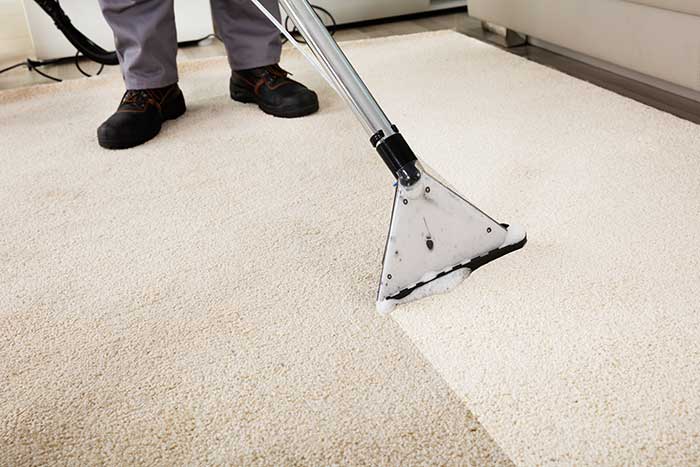
Routine vacuuming or agreed hard floor cleaning should be distinguished from a periodic treatment. If you are considering commercial carpet cleaning in London, provide the affected areas, known carpet type and any history of staining or previous treatment. Explain whether furniture can be moved and how long the rooms can be unavailable. Those access details can be as important as the area measurement when deciding whether a proposed treatment fits the workplace.
Avoid assuming that every mark can be removed or that all floor treatments have the same reoccupation requirements. Ask what is proposed for the specific material and condition, including any preparation and limitations. A useful plan considers both the cleaning task and the return to normal use. This is particularly relevant where a walkway is the only route to several occupied rooms.
Give occasional tasks a place in the schedule
Many offices have jobs that matter but do not need to happen at every visit. Accessible high level dusting, detailed attention to certain ledges or a planned clean of a storage area may fall into this category. Rather than leaving them as an informal expectation, list the tasks and discuss an appropriate frequency or separate arrangement. Identify any work that requires access equipment, furniture movement or specialist assessment. A routine cleaning schedule should not be stretched to imply every possible task inside the premises.
Planning also helps when rooms change purpose. A store may need attention before it becomes a workstation area, or a meeting room may require a different preparation after a refurbishment. Describe the work involved and distinguish it from the ordinary recurring visit. Building work, unusual contamination or significant accumulated waste can alter the nature of the task. The provider needs that information before suggesting a scope, rather than discovering it after arriving for a normal office clean.
Keep the record simple enough to review. A dated list of agreed periodic tasks, the areas involved and the relevant preparation instructions can prevent them being forgotten between routine visits. It also gives a clear basis for discussing changes. If the office no longer needs a task, or a new one becomes important, the schedule can be revisited using that record rather than relying on memories of an early conversation.
Use clear feedback to keep the specification relevant
When reviewing cleaning, begin with the agreed scope and the actual conditions during the visit. Identify the room, the task and the issue observed. Note whether the surface was accessible and whether the room had been used again before the observation was made. This creates a much more useful record than a broad statement that standards were poor. Where photographs are appropriate, keep confidential information and personal material out of them. The purpose is to explain the cleaning concern clearly, not to circulate unnecessary workplace information.
Nominate a contact who can gather feedback and discuss it through the agreed route. That person can distinguish an isolated observation from a request to change the work. For example, asking for an overlooked accessible surface to be checked is different from adding a new room or a new appliance cleaning task. Keeping these categories clear makes it easier to address concerns while maintaining a shared understanding of what the contract covers.
Review the specification when the business changes. A new team, different attendance pattern or increased visitor use can alter the workload even if the floor area stays the same. Our wider commercial cleaning London information may help where the premises include other types of workspace, but each new area still needs a specific discussion. A living specification should follow the workplace, rather than becoming a document that no longer describes it.
Prepare for a change of cleaning arrangement without losing useful information
If you are reviewing an existing arrangement, collect the information needed for a new discussion before selecting a start date. Establish your current responsibilities, any notice provisions you need to handle and the areas that a new proposal should cover. The business should manage its own contractual decisions and confirm access arrangements with the building contact. A preferred changeover date can be included in the enquiry, but it should be treated as a request to discuss rather than an assumption about availability.
Separate genuine improvements from tasks that were simply never defined. If the concern is a room repeatedly being inaccessible, changing provider without changing the access process may leave the underlying problem unresolved. If the issue is an omitted periodic task, make that task explicit in the new brief. This approach helps the conversation focus on the result you want and the information necessary to assess it, rather than assuming that a different name on the schedule will solve every operational difficulty.
Keep a record of materials, keys, storage and building rules that are relevant to the proposed service. Identify who can answer questions about each item. A structured handover can then be discussed as part of the planning, with the scope, preparation and responsibilities understood. This gives a New Barnet office a clearer foundation for the next arrangement and reduces reliance on knowledge held by just one member of staff.

Discuss your New Barnet office with Complete Clean Management
A useful first enquiry includes the premises address, the areas you control, the pattern of occupation and the main cleaning requirements. Add your preferred contact details and any access restrictions that would affect a survey or a proposed visit. If you do not know a floor material or a shared facility arrangement, flag the uncertainty. These details can be clarified during the discussion instead of allowing a proposal to rest on an assumption. Explain the priorities in ordinary language; a perfect technical brief is not required to start a conversation.
Where your organisation also manages premises nearby, our guides for Barnet, East Barnet and Cockfosters provide further planning information. Describe each site individually if you want to discuss coordinated cleaning. Different access windows, shared facilities and occupation levels may mean different routines, even where the same business operates across all of them. The London office cleaners page gives the parent service overview.
Call the London number shown on this page or use the quote button to reach the existing contact form. Tell the team what you want the workplace to be ready for, which tasks matter most and when you would like to discuss them. That information supports a practical next step towards a cleaning proposal for the actual New Barnet premises.
Frequently asked questions about office cleaners in New Barnet
What should I send when asking about office cleaning in New Barnet?
Send the full premises address, a brief room list, the days your team normally attends and the main tasks you want considered. Add any access restrictions and identify shared facilities separately. If an existing problem prompted the enquiry, describe the area and the issue rather than only asking for better cleaning. These details help establish what needs discussing and which information may need clarification before a suitable scope can be proposed.
Can a room register be useful for a small office?
Yes. Even a short list can prevent confusion about a store, kitchenette or shared corridor. Give each area a clear name, note its use and identify whether your business is responsible for it. The register does not need to prescribe products or technical methods. Its value is that everyone discussing the proposal can refer to the same rooms and understand which spaces are included, excluded or awaiting confirmation from the building manager.
How do we plan cleaning if our team attends on different days?
Describe the weekly pattern and the areas that remain in use on quieter days. Meeting rooms, visitor spaces and kitchens may have different demands from the desk area. Ask how a proposed schedule would reflect those patterns and how it could be reviewed if attendance changes. Frequency should be discussed using actual occupation and tasks, rather than assuming that either total employee numbers or the number of desks tells the whole story.
Does cleaning a shared workstation include disconnecting its equipment?
That should never be assumed. Identify accessible desk surfaces separately from computers, screens, cables and other devices. Your IT instructions and relevant manufacturer guidance should inform any equipment cleaning discussion. State what may be moved and what must remain untouched. Staff preparation can then make agreed surfaces accessible without leaving a cleaner to decide whether a connected device can be unplugged or whether paperwork may be rearranged.
Can periodic tasks be listed separately from the normal visit?
They should be clearly identified so their scope, frequency and preparation can be discussed. Examples might include a particular accessible detail area or a planned task requiring a room to be cleared. Some work may need a separate assessment or arrangement. Listing it separately avoids an open ended expectation that every possible cleaning task is included in every visit, and creates a useful record for reviewing what has been agreed.
What should we check before requesting carpet treatment?
Gather the material information if available, the affected area, known staining history and any restrictions on moving furniture. Explain when the rooms can be unavailable and whether they form an essential route through the building. Ask about the proposed approach and any preparation or reoccupation requirements. A treatment should be discussed in relation to the particular carpet and condition, with realistic expectations about marks that may remain.
How should we report a concern without creating conflicting instructions?
Nominate one office contact to collect clear observations and pass them through the agreed route. Include the room, surface, issue and relevant timing, and note any access restriction during the visit. Keep a request to correct an agreed task separate from a request to add work. This makes the feedback easier to investigate and helps both parties maintain a consistent understanding of the cleaning specification.
Can we ask about New Barnet and another London workplace together?
Provide the address and requirements for each premises and explain that you would like to discuss them together. Separate room lists and access details remain useful even where communication may be coordinated. You can call 0203 092 2297 or use the existing contact page. Our office cleaners London page gives the wider overview, while the individual scopes should reflect the differences between the buildings rather than assuming an identical routine.
Give the next cleaning discussion a useful starting point
The best starting information is often already held within the business. Your office manager may know the busy days and recurring concerns, a facilities contact may know the materials and maintenance history, and the landlord may control communal areas or access rules. Bringing those details together can make the initial enquiry more productive without turning it into a complex procurement exercise.
Review your priorities before sending the brief. Distinguish the essential routine from occasional work and identify any task whose responsibility is uncertain. If there is a specific date or operational change involved, explain it. A proposed office move, an alteration in attendance or a newly occupied room gives important context, but the cleaning scope still needs to describe the areas and work involved.
Complete Clean Management can discuss office cleaning requirements for your New Barnet premises through the existing contact route. Use the quote button to share the information you have or call the London number for an initial conversation. The aim is a practical, clearly defined proposal that connects the work to your premises, the agreed access and the responsibilities of the people using the building.
Clients we service
Organisations featured across Complete Clean Management’s client portfolio.
















GOOGLE CUSTOMER REVIEWS
What our customers say on Google
Selected review excerpts from Complete Clean Management’s London Google listing.
★★★★★
“Really happy with the deep clean! The team were friendly, professional and did a fantastic job.”
★★★★★
“We engaged with Complete Clean Management and they came in and did an absolutely fantastic job.”
★★★★★
“We have recently started to use Complete Clean Management for various cleaning services to our domestic and commercial renovation projects.”
★★★★★
“The team is punctual, professional, and pays great attention to detail.”
★★★★★
“We’ve been using this office cleaning service for several months, and it’s been outstanding.”
★★★★★
“Complete Clean Management has transformed the cleanliness of our workspace.”
Selected excerpts, checked 6 November 2026. Leave a Google review ↗






