Complete Clean Management · North London
Office Cleaners New Southgate
Professional office cleaning tailored to your premises, working hours and priorities.
Request a free quote Call 0203 092 2297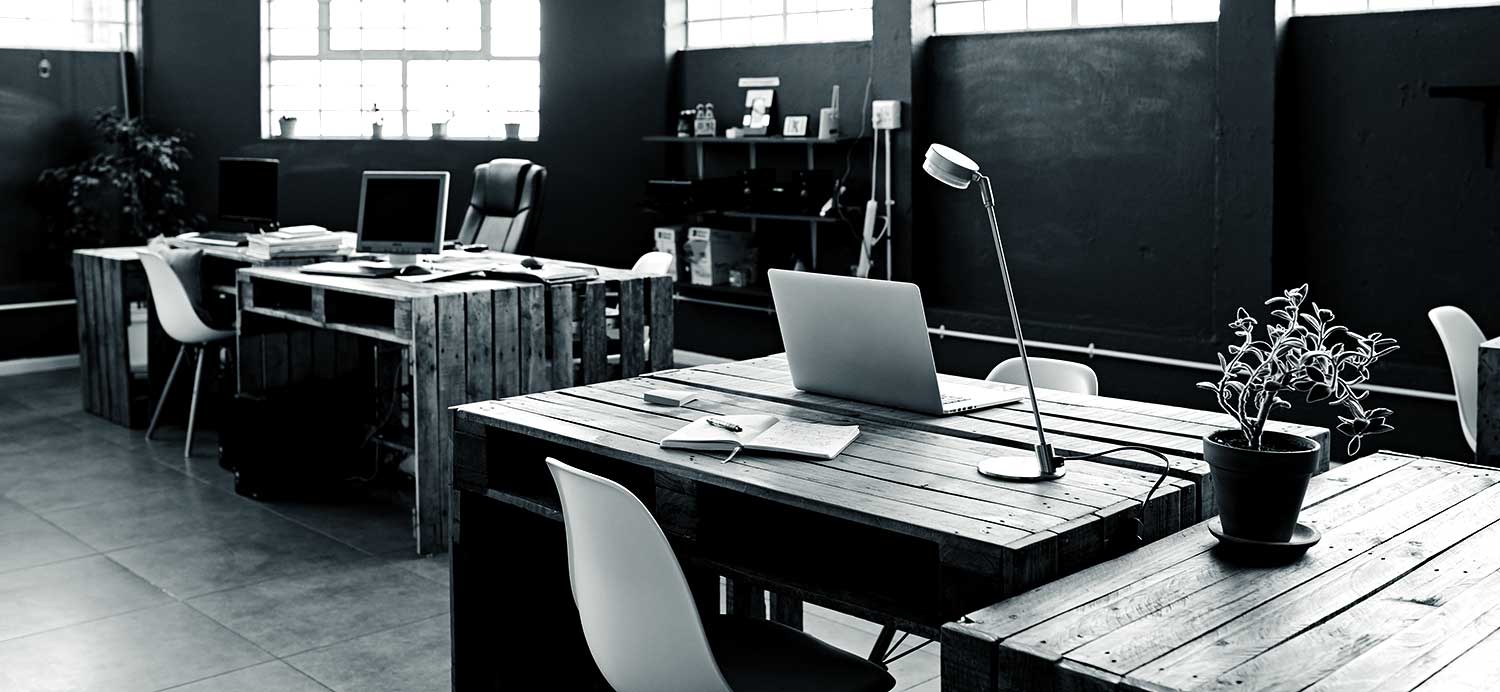

Office cleaning for the way your New Southgate workplace is organised
A workplace can contain several different environments behind one front door. Your New Southgate premises may combine desk space with a visitor area, a small staff kitchen, storage and rooms used for appointments. A cleaning brief should recognise those differences instead of treating the whole address as one uniform space. Complete Clean Management can discuss the areas you want included, how people move between them and the times when work can take place. The aim is to establish a clear proposal based on the premises you actually occupy.
The most useful starting point is the boundary of the office service. Identify which rooms belong to your business, which are shared and which are controlled by another party. If administrative desks sit beside another type of commercial activity, describe that relationship and any restrictions on crossing between the areas. Office cleaning should not be assumed to include specialist production, technical or storage tasks simply because they happen nearby. Each requirement needs to be understood and agreed in its own right.
Our office cleaners London page gives the wider service overview. This New Southgate guide explains the practical decisions that help turn an enquiry into an intelligible cleaning specification, including work zones, staff facilities, access, floor care and communication. You can use it to prepare a new enquiry or review whether an existing schedule still matches the workplace.
Divide the premises into useful cleaning zones
A zone is simply an area with a recognisable purpose and a clear boundary. A front office, meeting room, kitchen and internal corridor can each be described separately, even in a modest property. This makes the discussion easier because the tasks can follow the way each space is used. A room used for paperwork may need a different preparation routine from a table used for staff meals. Giving both the same broad instruction can conceal those differences and leave people with conflicting expectations.
Label the zones on a basic plan or room list. Note the floor material, accessible surfaces and any items that require particular instructions. There is no need to guess technical product requirements. If a material is unknown, record that uncertainty so it can be considered during the assessment. The useful information is where the area starts and ends, what happens there and what restrictions affect the work. Include secondary routes and back rooms if they are part of the proposed service.
Where zones meet, check who owns the transition. The threshold between a private office and shared corridor, for example, can be missed if both parties assume the other is responsible. An agreed boundary avoids a schedule that appears complete on paper but leaves a small, heavily used area unassigned. It also allows additional requests to be discussed as defined areas rather than open ended extensions of the office.

Follow the route from outdoor arrival to the desk area
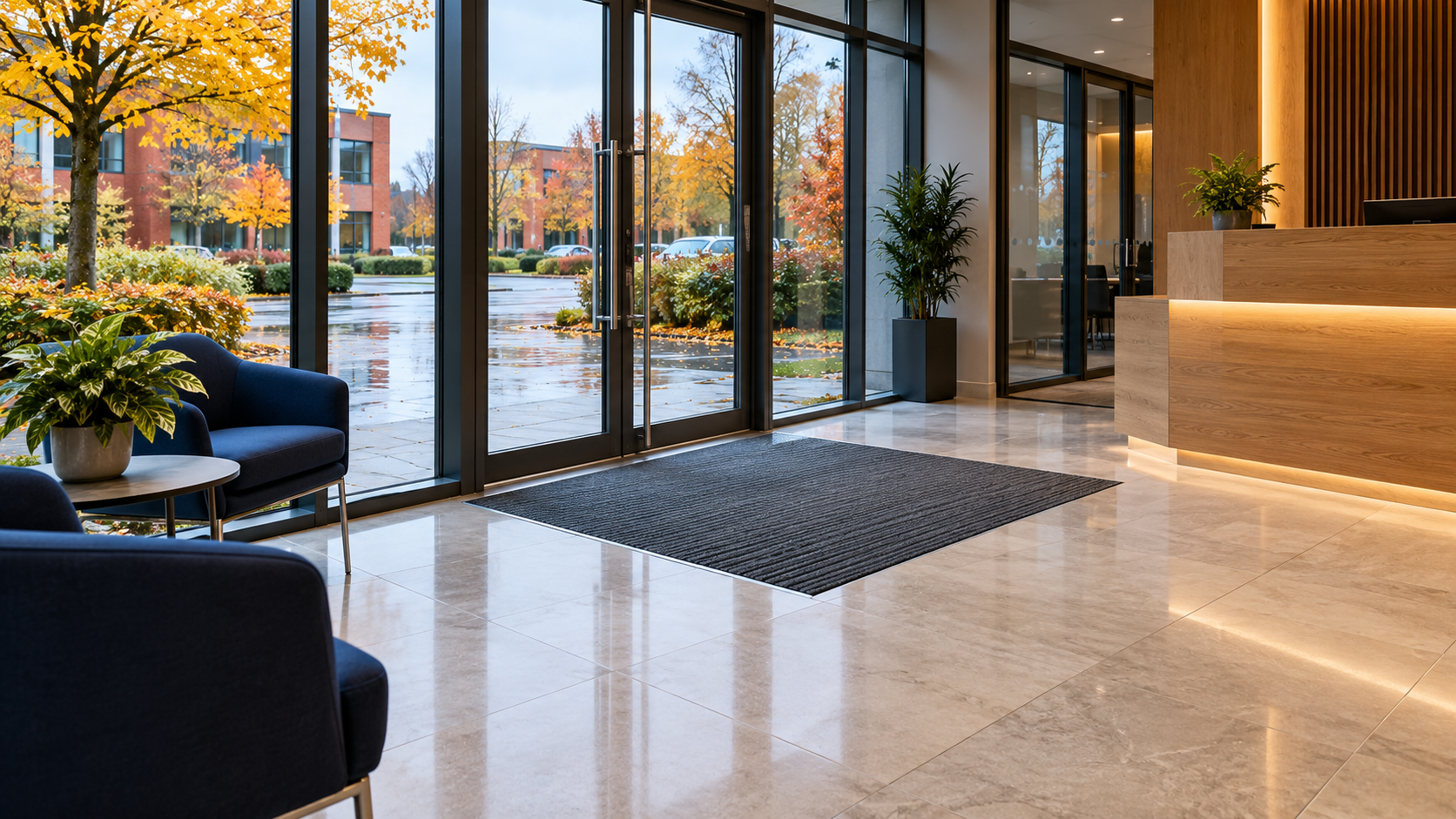
People carry soil through a building along predictable routes. Assess the entrance, the first internal surface and the path towards the working area together. If employees use a separate rear door, include that route in the discussion rather than focusing only on the visitor entrance. Where deliveries pass through an office corridor, describe their timing and the practical effects on the floor. These observations help explain why a narrow route can require attention even when the rooms beside it are relatively quiet.
Entrance matting needs to be considered alongside the floor it is intended to protect. Ask how accessible mats and the surrounding surfaces will fit into the proposed routine. A mat that is badly positioned, damaged or heavily loaded may need attention beyond the adjoining floor clean. Building maintenance issues should be reported to the responsible party; a cleaning specification cannot resolve every cause of dampness or repeated soil transfer. Record known problems so that cleaning observations are interpreted in the right context.
Different floor materials along the same route may need different methods. Identify carpet, hard flooring and any transitions that could affect movement or treatment. Do not select an approach merely from colour or appearance. A practical floor discussion connects the material and condition with access, the proposed routine and the way the route must be used during and after the work.
Agree desk and document boundaries before work starts
Office desks can hold a mixture of everyday items, confidential records and equipment whose importance is not obvious to someone outside the team. A cleaning plan should remove the need for guesswork. Decide which surfaces staff will clear, which items may be moved and which must remain untouched. Keep these instructions concise and consistent. If each desk has a different informal arrangement that is never communicated, the proposed routine can become difficult to deliver in the time allowed.
Confidential paperwork needs its own storage and disposal process. A document left beside a bin is not a reliable instruction to discard it, and an apparently empty folder may still matter to the business. Staff should use the appropriate internal process for sensitive material rather than expecting cleaners to classify it. Similarly, equipment care should follow the business’s IT guidance and relevant manufacturer instructions. A routine surface task does not imply permission to unplug devices, rearrange cables or operate specialist equipment.
Include accessible areas around the desk in the conversation. Chair bases, lower furniture surfaces and nearby ledges may have different requirements from the main desktop. Distinguish regular tasks from occasional detail work and explain any obstruction that cannot be moved. This gives the cleaning specification a more accurate picture of the working area and helps staff understand the preparation that supports the agreed service.
Plan staff facilities around their actual periods of use
A kitchen or break area may remain active after the main desk area becomes quiet. If staff work different patterns, identify when the facilities are available and whether anyone will still need access during a proposed visit. The same room can serve as a tea point, lunch space and informal meeting area, creating several types of cleaning requirement. Describe the surfaces and tasks individually rather than assuming that the room name explains everything that needs doing.
Washing up, cleaning the sink and treating worktops should be distinguished. Agree who removes used crockery and what condition staff should leave the area in. Appliances need particular clarity. Cleaning an external surface is different from emptying and cleaning the inside of a fridge or microwave. Identify who prepares the appliance, what can be removed and any restrictions on switching equipment off. Those decisions should be made by the business and reflected in the scope, rather than left to a cleaner at the end of a visit.
Also consider the supplies and waste associated with the room. Identify which containers are in use, where their contents should go under the building’s arrangements and who provides liners or other consumables. Busy periods can produce more waste than usual, so agree how changes will be reported. A well defined staff area routine supports the people using the room without implying that every kitchen related task is automatically included.
Keep washroom cleaning, replenishment and repairs distinct
Washrooms are easier to manage when the different responsibilities are visible. The cleaning specification can identify the fixtures, touchpoints, mirrors, accessible surfaces and flooring to be addressed. A separate discussion can cover replenishment and any other servicing requirement. Establish who supplies soap, paper products and other consumables, and check which dispensers are installed. This helps avoid a proposal that includes checking an item being interpreted as a commitment to provide every product used in the room.
If your New Southgate office uses facilities shared with other occupiers, confirm the managing arrangement first. Your business may be responsible for a private washroom, contribute to a communal service or need to refer issues to a landlord. Those situations lead to different scopes. Our washroom services page offers further information for discussing requirements alongside office cleaning, but the tasks for your specific facilities should still be stated clearly in the proposal.
Repairs require an appropriate reporting route. A dripping fitting, failed dispenser or damaged surface can affect the condition of the room even after cleaning. Identify the contact who should receive these observations and how urgent issues are handled under your building procedures. A useful record explains what was seen and where, while keeping the cleaning task separate from a maintenance decision that belongs with the responsible person.
Arrange access without relying on the building being empty
Access planning should begin with the rooms and the people using them. A building may be open while a particular office is unavailable, or a quiet period may still include confidential appointments. Describe these constraints when discussing preferred cleaning times. A request for an early, late or daytime visit needs to be checked against the actual service requirements and access arrangements. Do not assume that a preferred time entered into an enquiry form is an agreed visit window.
Think through arrival and departure. Who permits entry, where are instructions held and what happens if the named contact is absent? If a key, alarm or shared reception arrangement is involved, the process should be agreed by the relevant parties. Also identify the water, power, storage and waste access available during the proposed visit. A room may be physically open but still unsuitable for a task if essential facilities cannot be used at that time.
Exceptions deserve a plan. A late appointment, a locked store or an access fault can change the intended sequence. Agree how an unavailable area will be recorded and who should be contacted to discuss the effect. This is more useful than treating every access problem as an unexplained missed clean. Clear information allows the business and provider to understand what happened and consider a practical adjustment where needed.
Specify reception and meeting spaces by the handover you need
A visitor area has a different purpose from an internal workroom, and its cleaning brief should reflect that purpose. Identify the accessible furniture surfaces, entrance glass, flooring and other agreed elements on the visitor route. If displays, sample products or paperwork need to stay in place, explain that requirement. A cleaner should not have to decide which items form part of a display and which have simply been left behind. The same principle applies to visitor literature and materials prepared for a forthcoming appointment.
Meeting rooms need clear instructions about the table, seating and equipment. Determine whether boards may be erased, which devices must remain untouched and where staff should leave used crockery. A scheduled cleaning visit does not automatically provide a reset between every booking, so decide what your team will do during the day. This division of responsibility is useful where a room is used repeatedly and its condition can change long before the next agreed visit.
For upholstered seating or other materials that need more than routine attention, describe the issue and seek an appropriate assessment before assuming a treatment. The proposal should distinguish the recurring service from additional work. A realistic visitor space plan combines the agreed clean with sensible staff handovers, rather than relying on one visit to keep a room in the same condition throughout every subsequent booking.
Treat periodic floor work as a separate operational decision
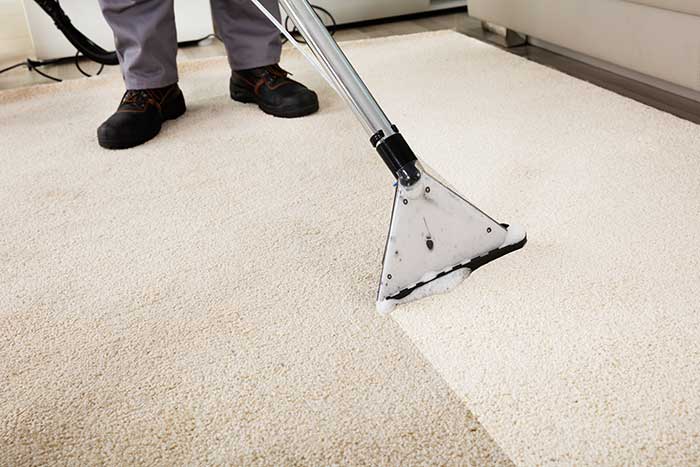
More detailed floor work can affect the use of an office in ways that a normal recurring visit does not. It may require furniture preparation, an extended access period or a defined time before the area returns to use. Discuss those requirements alongside the material and condition of the floor. The question is not only whether a surface would benefit from attention, but also how the work could fit around the people who need to cross it or occupy the rooms beyond it.
For carpet enquiries, our commercial carpet cleaning London page provides a relevant service overview. Explain the known carpet type, affected areas and any history of spills or previous treatment. Note whether desks or storage can be moved and whether the area is an essential access route. A photograph may help illustrate a mark, but it does not establish that every stain can be removed or that one treatment is appropriate for every material.
Keep periodic work visible in the cleaning records. Identify the agreed area, the preparation instructions and the proposed arrangement separately from routine vacuuming or floor cleaning. This makes it easier to plan a future review and avoids the expectation that a substantial additional task will be absorbed into an ordinary visit without considering time, access or the effect on the rest of the schedule.
Use a proposal to make inclusions and exclusions understandable
A cleaning proposal should allow a person unfamiliar with the original discussion to understand what is being requested. The area list, tasks, proposed frequency, access assumptions and any separate work should be clear enough to compare with the brief. If a term such as deep cleaning or full office cleaning appears, ask what it means in that proposal. Broad labels can conceal important differences between providers or between the service imagined by the business and the work actually described.
Supplies and equipment deserve attention too. Establish what is proposed, what storage is needed and which items remain the business’s responsibility. Avoid assuming that every consumable, specialist treatment or disposal task is included because the recurring service has one overall price. Cost discussions are more useful when the scope is specific. No fixed figure should be inferred from another office’s arrangement, because layout, use, frequency and access can change the amount and type of work involved.
If your premises contain other commercial areas, the wider commercial cleaners London information may be relevant to the conversation. Describe those spaces separately so their requirements can be assessed. The final scope should not quietly expand from a defined office service into every activity occurring at the address, nor should a necessary area be omitted simply because it was not named during the first enquiry.
Keep changes controlled as the office develops
A cleaning schedule should be reviewed when the workplace changes, rather than only when someone raises a complaint. More desks, different attendance patterns or a room converted from storage can alter the work even when the property itself has not changed. Note the operational change and explain which areas it affects. This gives a concrete basis for discussing a revised scope, instead of assuming that an old schedule should automatically stretch to cover every new requirement.
Day to day feedback works best when it is specific. Record the area, the agreed task and the issue observed, including any access restriction or later use that may be relevant. A nominated office contact can gather these observations and pass them through the agreed channel. This reduces the chance of several employees issuing different instructions. It also helps distinguish a concern about existing work from a request for additional work, which may need a separate discussion.
Keep the information proportionate. A concise room list and a clear record of agreed changes can be easier to maintain than a complicated system that nobody uses. The important point is that the people arranging and reviewing the service are working from the same current description. When the specification follows the actual workplace, it becomes a useful tool for communication rather than a document retained only for the initial quotation.

Start a New Southgate office cleaning conversation with useful details
Provide the full address, the rooms you control, the proposed occupation pattern and the main tasks you want considered. Add preferred contact times and any restrictions on visits or access. If you are reviewing a current arrangement, explain the particular result you want to change. Information about recurring obstacles, such as unavailable rooms or unclear waste responsibilities, is more useful than a general request for everything to be improved. Uncertain details can be marked as questions for the discussion.
Businesses managing nearby workplaces may also find our guides for Arnos Grove, Bounds Green and Friern Barnet useful. Each building should still have a separate description of access, facilities and tasks. A shared business name does not mean the same routine will suit every address. The parent London office cleaning page provides the wider overview for a discussion involving several sites.
Contact Complete Clean Management through the existing quote route or call the London number on this page. Explain any preferred start date as part of the enquiry so it can be discussed with the other requirements. A useful next step establishes what needs assessing and which details need clarification before a proposal for your New Southgate premises can be developed.
Frequently asked questions about office cleaners in New Southgate
Can we discuss office desks beside another type of commercial workspace?
Yes, describe the relationship between the areas and make the proposed office boundary clear. Identify any restrictions on crossing into another zone and any specialist tasks that need separate assessment. Do not assume that an office cleaning scope includes production, technical or unusual storage work because it is nearby. A plan or room list can help explain exactly which surfaces and spaces you want considered for the proposal.
How can we stop a shared corridor being missed from the brief?
Check the responsibility with your landlord or building contact, then record the corridor as either included, separately managed or awaiting confirmation. Name its start and end points so the boundary is understandable. This avoids a gap between a private suite and communal facilities. The same approach is useful for door thresholds, small lobbies and landings that may be heavily used but easy to overlook in a room list.
What should staff do before a cleaning visit?
Agree a preparation routine suited to the tasks being proposed. It may include storing paperwork, clearing accessible desk surfaces and returning crockery to a designated point. Identify items that must remain untouched and use one consistent route for communicating unusual instructions. The aim is to make the agreed work possible without expecting cleaners to classify documents, operate unfamiliar equipment or decide what belongs to a display.
Does a meeting room clean include erasing every whiteboard?
Only an agreed instruction should determine what happens to the board. Written information may still be needed even if it looks old, so staff should make retention instructions clear. Describe board cleaning separately from the table, seating and floor tasks. Also confirm which conferencing devices must remain untouched. A named room handover arrangement is safer and more dependable than asking someone unfamiliar with the meeting to judge what can be removed.
Can kitchen cleaning include internal appliance work?
Include the request in the enquiry and describe the appliance, preparation and access. Establish who removes food or crockery, what may be moved and any restriction on switching equipment off. Internal appliance cleaning should be distinguished from ordinary external surfaces. The proposed scope and frequency can then be discussed with the practical requirements visible, rather than leaving decisions about staff food or operating equipment implicit.
How should we request cleaning after changing a room’s use?
Describe the previous and intended use, its current condition and any work that has taken place. A room becoming an office may need a different arrangement from its old storage routine. If refurbishment, unusual waste or another issue is involved, explain that before a scope is suggested. Treat the initial preparation and the future recurring service as separate questions so neither is assumed to cover the other.
What is useful feedback after an agreed task has been missed?
Identify the room and surface, state the task you expected and note when the issue was observed. Mention an access restriction or subsequent use if relevant. Send it through the agreed contact route so it can be reviewed consistently. Keep the observation distinct from a request to add work. That distinction helps the discussion address the existing specification while giving new requirements the separate consideration they may need.
Where do we enquire about New Southgate and another London address?
Use the existing contact page or call 0203 092 2297 with the details for each site. Include a separate area list, occupation pattern and access description for every building. Our office cleaners London page gives the wider service overview. Coordinated communication can be discussed, but the requirements should still reflect the differences between the premises rather than assuming that one identical routine will fit them all.
Make the cleaning brief reflect the whole working day
A good brief explains more than the state of a room at one moment. It describes how the office is used, what staff need ready and the practical opportunities to carry out the agreed work. Bringing that information together helps identify where a routine is suitable and where a task needs separate preparation, access or assessment.
Before enquiring, check any responsibilities that sit with a landlord, another occupier or a specialist provider. Record the questions you cannot yet answer. Clarifying a shared facility or unknown floor material is a useful part of planning, and is preferable to allowing an assumption to become embedded in the proposed scope.
Complete Clean Management can discuss your New Southgate office cleaning requirements through the contact options below. Use the quote button to share the premises details or call the London number to explain your priorities. The next step should be based on the areas you control, the tasks you need considered and the arrangements that make access possible for your particular workplace.
Clients we service
Organisations featured across Complete Clean Management’s client portfolio.
















GOOGLE CUSTOMER REVIEWS
What our customers say on Google
Selected review excerpts from Complete Clean Management’s London Google listing.
★★★★★
“Really happy with the deep clean! The team were friendly, professional and did a fantastic job.”
★★★★★
“We engaged with Complete Clean Management and they came in and did an absolutely fantastic job.”
★★★★★
“We have recently started to use Complete Clean Management for various cleaning services to our domestic and commercial renovation projects.”
★★★★★
“The team is punctual, professional, and pays great attention to detail.”
★★★★★
“We’ve been using this office cleaning service for several months, and it’s been outstanding.”
★★★★★
“Complete Clean Management has transformed the cleanliness of our workspace.”
Selected excerpts, checked 6 November 2026. Leave a Google review ↗