
Complete Clean Management · South East London
Office Cleaners Nunhead
Professional office cleaning tailored to your premises, working hours and priorities.
Request a free quote Call 0203 092 2297

Start with how your Nunhead workplace opens
For an office near Nunhead Green, an upstairs suite on the local parade or a workroom closer to the railway, start the cleaning enquiry with the actual door. National Rail lists Nunhead station on Gibbon Road. Use it as a reference for the first visit and describe the route to your premises separately. Give Complete Clean Management the building number, floor and authorised entrance. If a sign has a different name from the business or access is through a shared passage, include that detail. Tell the assessor who can admit them and which route can be used after the public door closes.
Write down what needs to be ready first. A front room might be set up before a client appointment while another office is only used on certain days. A small organisation might share a meeting room and kitchen with others. List the parts of the premises you can authorise and ask the building contact about anything shared. An office cleaning quote can then reflect the rooms people actually use and the time the work can take place. Explain the result you need from the first few visits, whether that is a clear reception before opening or a dependable handover after evening use.
For offices at other addresses, use the London office cleaning guide to keep the basic questions consistent. Give each premises its own access note and room priorities. Two offices with the same floor area can differ in how often rooms are occupied or whether someone else controls the entrance and washroom.
Make an access plan for a suite near Evelina Road or Nunhead Green
Southwark Council’s Peckham and Nunhead planning information is a useful reference when describing the area. For a contractor visit, the practical detail comes from your own building. A suite may be reached via the street door during opening hours and a side entrance in the evening. Walk both routes with the person responsible for the property. Record the door name, landing, turning space and any key holder who needs to be present. Identify where the cleaner can wait without blocking neighbours or visitors.
Check the arrangements for equipment separately from ordinary access. A person can walk upstairs with routine supplies even if the same stair is too narrow for larger equipment. Ask whether an authorised alternative exists, and when it can be used. Check current signs and permissions before planning where equipment can be unloaded. Give the person preparing the quote enough information to estimate the route and set-up time. If supplies can stay on site, check who can open the cupboard and where they can be held safely. Keep the conditions for the larger job visible beside that part of the proposal.
If the usual door is unavailable, set out a permitted fallback. A message should identify the date, affected route and person who can make a decision. Include the exit plan if the premises has several occupiers. One tenant can close their part of the building while another remains at work. Decide who confirms the final exit and what happens if a door or lock is faulty. Handle any keys and credentials through the property’s authorised process.

Keep the common route and tenant rooms easy to tell apart
A shared entrance can create a gap in the plan when each occupier assumes another person cleans it. Identify the door or threshold at which the office specification starts. Ask who attends the outside panel, hall mat, stair or common landing. State whether the route is used only for access or whether you want it assessed as part of the work. Check who is allowed to approve changes. This is particularly useful in a building where the street-level business closes at a different time from the office above it.
Describe where people can pass while an agreed task is underway. A shared stair may be the only route to a washroom or another suite. Agree a time for tasks that need the floor clear and a way to tell users when the route is available again. Ask the building contact to identify restrictions on products, fittings or equipment. A cleaner who finds a damaged step or obstructed route should have a known way to report it. Keep responsibilities for repair, tenant work and shared cleaning separate in the brief.
Use the commercial cleaning in London overview when discussing areas beyond your own rooms. Give the property manager the exact part you want considered. Compare a scope that includes the landing with one that assumes it is already covered. If the building takes on another tenant or changes the route it provides, update the room list and access instructions before the next affected visit. A visible boundary helps anyone covering the office understand which contact to call.
Attend the floor condition at the point where finishes meet
A Nunhead office in an older or adapted property can have a mat, painted stair, hard landing and carpeted rooms on one route. Identify the material as far as you can and ask the owner about earlier treatments or care instructions. Give each finish a separate line if it needs a different method. Where a step is worn or a threshold is loose, tell the premises contact before interpreting the mark as a cleaning issue. Inspect both the front and staff entrances after wet weather. The first place that grit sits may help identify which mat or floor transition needs attention.
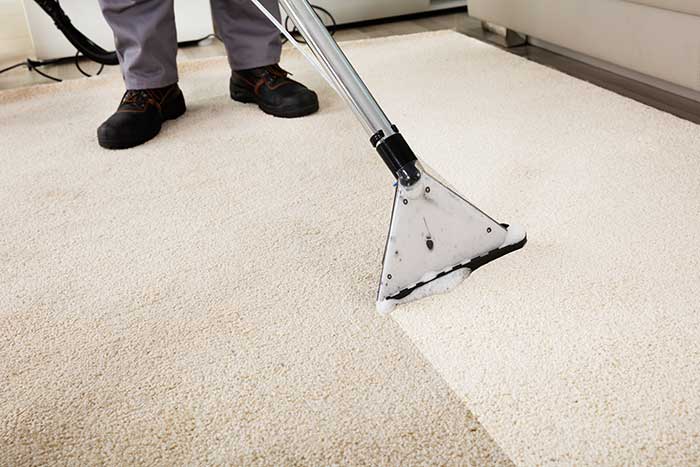
Agree what belongs to an ordinary floor routine. Accessible work can include vacuuming or cleaning the relevant hard surfaces using the agreed method. A marked carpet or a large floor treatment may need separate assessment. Use commercial carpet cleaning when preparing those questions. Describe the room, known finish, route for the equipment and the time available before staff need to use the floor. Tell the cleaner who moves furniture and which items should remain where they are. If the work affects a shared route, confirm that the people who use it have a workable alternative.
Review the same spot at a comparable time after a visit. A floor examined before the next busy period tells you more about the effect of the work than a floor checked at the end of a full day. If grit keeps reappearing in a narrow lane, check where people turn and whether the mat covers the right area. The remedy may need a change at the entrance, a repair or a more focused task rather than a new routine for the whole floor.

Plan a meeting-room reset where several groups use one space
An office or workspace near Nunhead Green might use one room for staff work, client discussions and occasional community meetings. Write down the different setups and who puts the room back after each one. The cleaner needs to know which surfaces are meant to be clear and which items have to stay in place. Agree where chairs and supplies go when a group finishes. If a quick turnaround is needed, list the few tasks that matter for the next booking, such as an accessible table, an emptied bin and a floor without loose debris. More involved jobs can be given a quieter slot.
Name the person who confirms the end of a booking. If they are unavailable, give the cleaner a way to tell whether the space is still occupied without entering or learning anything private. Explain which other rooms can be attended first and how the delayed work is recorded. A room that normally becomes available on time can still be used late once a week. Give that regular variation a place in the schedule so the next person reading it can see what changes and when. This can be simpler than expecting the cleaner to wait without a definite instruction.
Ask the opening contact to check the condition agreed for the first users. A chair layout, table edge and clear entrance are easy to compare after similar bookings. Record whether anyone has used the room since the visit. If repeated problems come from items left in place or from a late group, discuss the handover before extending the whole schedule. A change to clearance or booking information may make an existing visit more workable.
Agree practical washroom checks in a small property
Start with the washrooms your staff and visitors can use. Identify the fixtures, touchpoints and floor areas you want considered, and note any that sit under a different agreement. A single room shared by several offices can be busiest at times that are quiet elsewhere. Agree when it can be attended and how people will know it is available. If the route is narrow, show where materials and signs can stand without blocking a door. Give the cleaner a named premises contact for a broken fitting or persistent leak.
List compatible refills by location. One dispenser might need a particular stock cartridge and another might use products the office buys itself. Give the agreed stock position and who can open a locked fitting. Decide whether the cleaner checks levels, refills the item or reports a shortage. For provision that sits outside ordinary fixture cleaning, start with our washroom services information. Keep a separate note if a supplier owns the dispenser or if another party maintains it. That helps a report reach the right person when a fitting stops working.
Check the arrangement after the building’s use changes. Extra visitors may affect paper or soap levels before anything else. If stock becomes hard to access, review who holds the cupboard key at the proposed time. Record the room and item in the visit notes. The office can then tell whether the issue is availability of the right stock, maintenance of the fixture or the task listed in the schedule. Write the decision into the brief before someone else takes over the routine.
Make the tea point accessible between the people who use it
A small kitchenette may be used by a full office one day and one or two people the next. Look at what usually happens before the clean. The staff contact can show where cups are left, who deals with open food and when the reachable part of the worktop is normally free. Put the sink surround, bin area, appliance fronts and floor on a list where they are in scope. Specify separately any work that requires an appliance to be emptied or a cupboard cleared. Decide what the cleaner should report if the agreed area is still in use.
If another occupier shares the kitchen, ask the manager to explain the same preparation rule to both groups. Identify which cupboard holds liners or compatible supplies and whether it remains accessible after closing. If there is little storage, discuss an appropriate position that keeps cleaning materials separate from food and office items. A low supply needs a different contact from a leaking tap or a damaged hinge. Give those contacts roles in the room instruction rather than leaving the cleaner to guess where a fault should go.
At the first review, ask when each surface was reachable. If the same part of the kitchen remains covered, the room owner might be able to change where people put dishes or when a job takes place. If the agreed bin is full each week at the same time, check its route and capacity. Focus changes on what the team can observe and repeat. The routine should stay useful as the room alternates between a quiet office and a busy shared facility.
Check where the bin route changes hands
For a Nunhead business using a common store, draw the route from the room container to the outside bin or approved collection point. Identify the streams the office wants included and the containers it is authorised to use. If the door is controlled by a landlord, check when it can be reached. Agree where the cleaner’s part of the process ends and who puts waste out for collection. The tenant may only be responsible for putting ordinary waste in an approved store. Check any alternative with the building before relying on it when a gate is locked or a container is full.
Use the GOV.UK business waste guidance for general responsibilities and confirm the local arrangement with your collector or premises manager. Match labels on indoor bins to the streams the collector handles. Give staff clear instructions for confidential paper, electrical items, batteries or any material with a separate process. Do not expect the cleaner to decide how a special item is handled on the basis that it has been left beside an ordinary bin. Record the appropriate contact for each case.
Review what happens on a busy day. A meeting or a batch of deliveries can increase cardboard and packaging in one room without affecting the rest of the office. Show who breaks down boxes and where they are placed. If food waste is collected separately, give its container a clear location near where it is generated. A brief note about a recurring overflow helps the facilities lead decide whether to change the internal layout, collection arrangement or visit task.
Protect equipment and paperwork in rooms with more than one purpose
Give each shared office a simple rule for a surface that can be attended. Staff might clear the accessible part of a desk or mark a particular table if material needs to remain in place. Use the room list to describe that boundary. Keep names, project details and records out of the cleaning handover. If a room contains a printer, device or display that has its own care instructions, ask its owner to say what can be touched. The routine may cover the floor and surfaces nearby while a device is handled separately. A written instruction makes it easier for someone covering the site to recognise the arrangement.
Where an occasional task needs more space, decide who moves the furniture or secures the equipment. Give the cleaner a time when the room can be cleared and confirm what is meant to be returned afterwards. A desk that is free of people may still be set up for the next day. If a room often changes purpose, tell the cleaner how staff show the expected layout. Agree where to report that the planned surface was unavailable. The note should name the location and time without describing what was on the desk.
Review repeated exceptions with the person who controls the room. If a desk always has documents on it after the scheduled clean begins, find out whether staff need a different clearance time or storage space. If another workroom is accessible during the same period, the visit may be able to start there. Put any agreed change in the local scope so the cleaner and the person checking the room are working from the same instruction.
Plan periodic work without losing the weekly visit
A quieter period or room move can give the office access to spaces usually covered by furniture. Identify which work you want assessed and when the area can remain empty. Check who clears desks, files and packing materials. If work by trades is still in progress, separate their materials and any specialist clean from the regular office routine. Tell the contractor who can confirm the room has been handed back and whether the normal route is still available. Ask for periodic work to appear separately in the quote if it requires different preparation or access.
Keep the regular tasks visible while the additional job is discussed. A carpet treatment in one suite may need time to dry while another room continues in normal use. Give people a route that allows them to reach any facilities they still need. If the job has to move because a room is not ready, specify which ordinary tasks still take place. Record where the periodic work should be picked up again and who checks whether the new slot is suitable. That gives the cleaner a clear sequence and the office a predictable handover.
When moving within the same premises, give each room its new name and show which ones leave the old scope. Check where the stock and waste now sit. If the work involves another office in Peckham or East Dulwich, keep the move dates and the local access details separate. Use one room-list format so whoever manages the move can see what changes at each address.
Review the work at the point when the office needs it
Choose a few inspection points that correspond to the agreed tasks. A Nunhead office that receives early visitors could check the entry floor and seating before the first appointment. Another office might check the shared kitchen just before lunch or the meeting room after its evening reset. Record when you checked and whether the room had already been used. That gives a different kind of evidence from a general opinion about how the space looks after a busy day. Agree who will review the record and when the result will be checked again.
Give an observation a precise location and next step. A damaged threshold, shortage of soap and missed floor task all need different responses. A blocked access route may require a decision from the landlord. A delayed meeting can require a change to the visit order. If a room was unavailable, identify the task that could not be done and who can prepare the space. Tell the cleaner when the next check will take place. The record is useful when it gives the person taking action enough information to recognise the issue without relying on the same witness.
For a second office nearer Brockley, use the same headings for observations while choosing a different set of local check points. If you change a visit after a review, write down the reason and the expected result. Compare the same point on a similar day to see whether the change worked. This keeps the schedule tied to what happens in each office instead of becoming a list that grows without being reviewed.
Ask for a quotation based on the work the rooms allow
Give Complete Clean Management the address, rooms, access and the busiest part of the week. Mention any shared route or facility you want discussed and name the person who can approve it. Describe the floor materials, storage and waste instructions you already know. If a room is available only between bookings, provide the interval and who clears the agreed surfaces. A short note about a problem at the door or a room that needs to be ready first can make the initial conversation more practical. Tell the quoting team what information still needs a landlord’s decision.
Look for the regular and periodic work to be shown separately. Check which tasks are included by room, the proposed frequency and how the quote handles equipment, supplies or access. Give anyone comparing proposals the same brief. If one quote includes a shared hall and another ends at the suite, resolve that difference before comparing the totals. Decide who can request a change and who approves it if the building takes on another occupier or extends its opening times. Keep the agreed scope with the people who actually use the premises.
Call or use the enquiry form when you have the essentials. Include a site contact who can show the authorised door and explain the room availability. Ask about a walk-through if the route is complicated or if the office uses several shared facilities. Decide how you will check the result once work starts. A clear room list, access note and first priority are enough to begin, with any remaining questions recorded for the people who can answer them.

Questions about arranging office cleaning in Nunhead
What information helps for an office near Nunhead station?
Give the full address, floor and authorised entrance. National Rail’s Nunhead station page identifies Gibbon Road for orientation. Continue the directions to the actual office door and give a person who can explain the route. Include access times, any shared landing and where the agreed supplies or bins can be reached.
Can the brief cover a room behind a business on Evelina Road?
Ask who controls the public door and the authorised passage to the room. Mark the point where office work starts and whether the shared areas are included or used for access. Record who can give permission at closing. The commercial cleaning overview can help if the building wants a separate common-area specification.
How should we prepare a meeting room near Nunhead Green after an evening booking?
Agree who restores the chairs, clears cups and confirms the room is free. Give the cleaner the next opening time and the surfaces that can be reached. If the booking runs late, identify which other tasks can go ahead. Leave a short note with the room and timing rather than details of the people using it.
What should we say about worn stairs or carpet in an older property?
Tell the assessor which material is present and where any wear or loose edges appear. Ask the premises contact to identify existing care instructions. For separate commercial carpet care, state when the area is clear and what route equipment can use. Keep damage reports separate from the routine cleaning list.
Who handles supplies in a washroom shared by two Nunhead tenants?
Confirm who owns the dispenser, who buys compatible stock and who can open the fitting. Give the cleaner a role for each agreed check or refill and a named contact for shortages or faults. The washroom services page can help when you want to discuss provision separately from routine fixture and floor work.
Can the cleaner use the bin store when the building is unstaffed?
Check who controls access and which containers the office is allowed to use. Confirm when the store is available and who deals with external collection presentation. Agree a permitted alternative in case the door is locked or a bin is full. The business waste guidance can help you check the responsibilities alongside your collection agreement.
Can we compare Nunhead and Peckham quotes together?
Yes. Start with the Peckham office guide for the other address. Give each office its own door, room list and timings. Ask for the regular and occasional work to be visible by address. If you want comparable review notes, use the same categories and choose the inspection points locally.
What should we review if the office is used by different teams each day?
Agree the handover for each main room and ask who clears it before a visit. Check the agreed condition at a similar point in the day and record whether anyone has used it since the clean. If an issue repeats, look at whether it follows a particular booking or access change. Update the local instruction with the people who can put it into practice.
Talk through your Nunhead office cleaning brief
Describe your workrooms, access and the tasks you would like priced. For other sites, start with the London office cleaning guide.
Clients we service
Organisations featured across Complete Clean Management’s client portfolio.
















GOOGLE CUSTOMER REVIEWS
What our customers say on Google
Selected review excerpts from Complete Clean Management’s London Google listing.
★★★★★
“Really happy with the deep clean! The team were friendly, professional and did a fantastic job.”
★★★★★
“We engaged with Complete Clean Management and they came in and did an absolutely fantastic job.”
★★★★★
“We have recently started to use Complete Clean Management for various cleaning services to our domestic and commercial renovation projects.”
★★★★★
“The team is punctual, professional, and pays great attention to detail.”
★★★★★
“We’ve been using this office cleaning service for several months, and it’s been outstanding.”
★★★★★
“Complete Clean Management has transformed the cleanliness of our workspace.”
Selected excerpts, checked 6 November 2026. Leave a Google review ↗