Complete Clean Management · South East London
Office Cleaners Penge
Professional office cleaning tailored to your premises, working hours and priorities.
Request a free quote Call 0203 092 2297

Which entrance serves your Penge workplace?
Begin with the exact entrance to the office. Penge East station is on Station Road and Penge West station is on Anerley Park. They are different reference points when you are arranging a walk-through. A shopfront can give the postal address while a separate door serves the workrooms. Tell Complete Clean Management the street number, floor, name on the door and who can show the authorised route. If a cleaner will arrive after the business has closed, confirm which door will still be available and how to report a problem with it.
Name the areas you want assessed and describe what happens in each. A reception used by visitors, a staff desk behind a sales counter and a room booked for meetings can have distinct requirements. A room that looks empty may contain a setup staff need the next morning. Give the assessor an idea of when people usually arrive, which room has to be ready first and whether any other occupier has to agree to the work. That is more useful than providing the floor area alone, especially where a small office uses stairs, a shared washroom and a store on another level.
For multiple premises, use the London office cleaning guide to collect the same basic information for each. Keep an individual room list and access plan for the Penge address. A proposal should show how the work fits the rooms, rather than assuming every tenant in the same area uses the building in the same way.
Plan around High Street deliveries and staff arrivals
Bromley Council’s Penge town centre guide describes a local centre with shops, restaurants and a town square. If your office shares a building with a street-level occupier, ask when deliveries pass through and which parts of the route can be used by the cleaner. The easiest walking entrance may be unsuitable for a larger machine. The property contact can show the approved loading point and what happens if a gate or side passage is in use. For current parking information, start with the council’s High Street listing and confirm the signs and permissions for the actual visit.
Make a distinct plan for routine supplies and occasional work. For normal visits, show where agreed stock is kept, which water point is available and who can open the cupboard. For periodic work, give the equipment route, any steps or tight turns and the time the room can stay clear. Identify a place where equipment can be set down without blocking an entrance or changing how staff reach the washroom. Check how the cleaner will leave the building if the route they used on arrival has to close earlier than the work finishes.
Put changes in a brief that can be read by someone covering the site. A note about a delayed delivery needs the date, door, affected time and an authorised contact. Keep keys and credentials within the building’s private procedure. This gives the cleaner enough information to adjust the order of the work while protecting the way the premises manages access.

Draw the line between the tenant suite and the common parts
Use a feature people can recognise to mark the start of the office scope. It might be the inner face of a suite door, the last stair or the point where carpet replaces the common flooring. Ask who is responsible for the outer mat, landing, glass and handrail. Staff may use all of those surfaces without having authority to arrange work on them. Give a contact who can approve a change and another for repairs if they are different people. When a proposal refers to a shared hall, check whether it describes cleaning the hall or simply using it to reach the office.
A shared washroom or kitchen needs the same clarity. Ask whether the building already specifies the work, what it covers and when it is carried out. If you want to discuss an additional visit or task, show the manager exactly which part is affected. The commercial cleaning overview can help when common areas need their own enquiry. The person comparing prices should see which floors, doors and rooms are included in each proposal. Without that detail, two offers for the same address can cover quite different work.
Review the boundary if the landlord changes an access route or another business moves in. An area previously available for equipment may become occupied, or a common door may have a new closing time. Update the cleaner’s instructions and tell the staff who open the office. A maintenance report can still reach the property manager even when the affected surface is outside the cleaning scope. Record where it was found and when it affected the visit.
Follow street grit to the first protected surface
Look at the approach to a Penge office after people have arrived in wet weather. Check where they first change direction, wipe shoes or pause to open a second door. A mat can look well placed from outside while the main path skirts its edge. Dirt might be most visible at the foot of a stair or immediately inside a staff entrance. Mark the place on the room list, confirm who looks after it and set an inspection point that can be checked at a similar time later. Note any raised edge or worn transition as a separate property issue.
List the finishes along that route. A stone step, painted landing and carpet tile may need different care, even though staff see them as one entrance. Ask the building contact to identify any earlier treatment or a particular product restriction. Give the cleaner a time for tasks that need an empty floor and tell other users how they will reach the rooms while work takes place. If the stair is the only route to a tenant’s office, involve the person who controls it before settling a time. Consider where equipment can be brought in and moved out without leaving anything on the route.
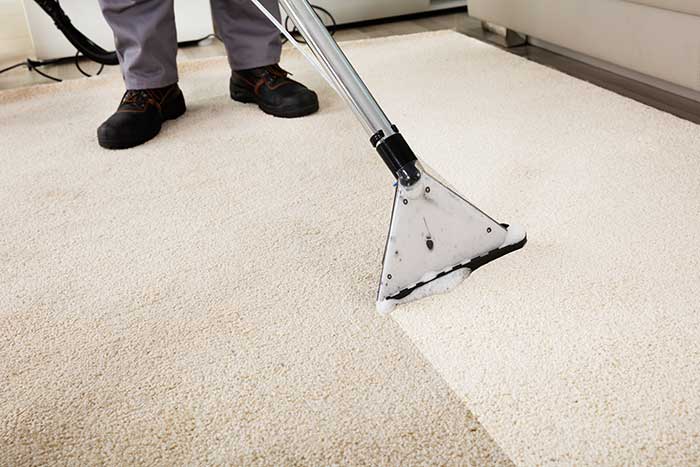
For work beyond routine vacuuming or the agreed hard-floor clean, describe the area for a commercial carpet cleaning assessment. Mention the location of marks, furniture, known material and the next opening time. Ask who will prepare the room and how the treated area can remain clear. A separate line in the proposal makes periodic work easier to distinguish from the entrance checks that happen at ordinary visits.
Set a waiting-room standard that fits actual appointments
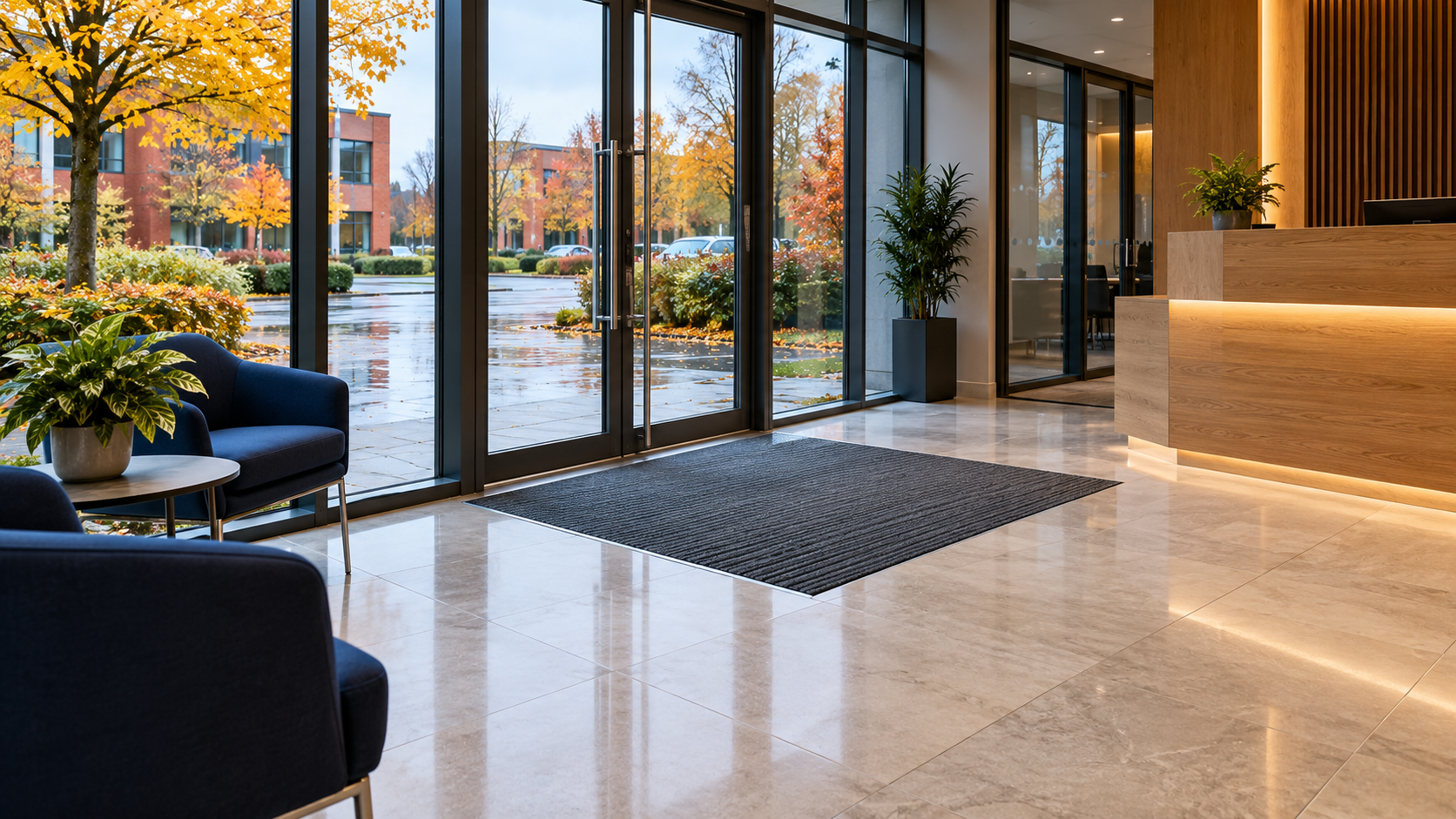
A small waiting room may serve two people at a time but need a reliable check before the first appointment. Agree which parts are to be ready, such as accessible seats, the edge of a table, the floor by the door and an emptied bin. Ask who clears the surfaces and who puts chairs back if a room is also used for meetings. Give the cleaner a way to know when the space is available without learning anything about the people using it. If bookings regularly run into a proposed visit, agree an alternative order for the rooms that can still be reached.
Decide what staff can do in a short gap between appointments and what needs an agreed cleaning slot. A quick reset can put cups and leaflets away. A periodic job behind furniture may need the room cleared for longer. Name the tasks by location rather than giving a broad instruction to refresh the room. If a piece of furniture has a finish that needs assessment, record that before adding treatment to the routine. Explain which surfaces staff have to prepare and when they will be free. The visit can then begin with work the cleaner can actually carry out.
When checking the result, use the condition expected before opening and note when people last used the space. If the table is repeatedly covered at the proposed time, review the clearance arrangement with the room owner. If dirt arrives after the next group enters, check the route and when a short reset can happen. Those are different issues, and a useful inspection note lets the office address the one it has observed.
Connect washroom tasks to the fixtures that need them
List the washrooms the office actually uses and who manages each one. Include basins, mirrors, contact points, floors and any accessible facility you want considered. A washroom shared with visitors may have a different use pattern from a staff room at the back. State when it is available and what route people can use while agreed work takes place. Ask who can approve a change if another tenant needs that route at the same time. Keep a clear place for signs and supplies so they do not obstruct access to a door or fixture.
Decide what to do with consumables one fitting at a time. Give the room and dispenser name, compatible refill and approved stock location. State whether the cleaner is asked to check levels, refill the item or report it to the person who orders stock. A dispenser may belong to a different service agreement, or a key may only be available from the building contact. The washroom services overview is useful if provision beyond routine cleaning needs its own discussion. Explain who takes reports about a leaking basin, sticking lock or broken dispenser, so they go to someone who can act.
Check stock before a known busy period and compare it with the previous visit. If supplies are repeatedly unavailable, look at access, the stock model and the ordering process as well as how frequently someone checks. Put the result beside the scope. The next person looking after the premises should be able to see what is meant to happen without waiting for the manager who originally arranged it.
Give the tea point a handover that several occupiers can follow
A tea point in a Penge office can be an open corner, a kitchen shared between suites or a staff room that stays occupied after the main workroom closes. Tell the cleaner when the sink surround, worktops and floor can actually be reached. Ask staff who removes cups or food from those surfaces. A regular visit can cover accessible appliance fronts and agreed areas while a job inside an appliance may require a separate preparation time. Give each task its own wording when it depends on someone clearing the area first.
Walk through what happens after a staff break. If people leave items near the bin or on the last free stretch of worktop, find out whether there is a better place for them. Ask which cupboards can be opened, who buys liners or other supplies and where stock can be kept appropriately. Agree what the cleaner records when a surface is unavailable. A short note should name the room and affected task, leaving out unnecessary personal details. If another business shares the facilities, ask the manager to communicate the same rules to its staff.
If the sink is blocked or a cupboard leaks, give that issue a different route from a missed cleaning task. A repair may need the building’s approval even if the tenant first notices the problem. Keep the contact for each type of issue in the schedule. At a review, ask when the tea point was checked and whether it had been used since the visit. That gives the premises a way to judge whether its preparation, timing or routine needs adjusting.
Follow waste past the office door before quoting the job
Show the route from indoor containers to the bins the Penge business is authorised to use. In a mixed-use building the closest store may be allocated to another occupier. Ask who can open it and when the route is available. Give the cleaner a list of ordinary waste streams to handle and a destination for each. Check that indoor labels match the authorised containers. Keep food, recycling and general waste instructions tied to the actual collection agreement and explain who provides the liners. Give a contact for a full bin, broken lid or locked passage.
Use Bromley’s commercial recycling and waste information when checking local options. The site’s agreement should explain how waste is stored and presented. State who takes over if the cleaner’s task ends at the store. If the office wants help with presentation, discuss the times and locations separately. Do not assume sacks can wait beside a shared exit. Agree any permitted fallback with the building contact and tell the cleaning team how to record the issue if that arrangement is needed.
Keep secure paperwork, electrical items and other materials needing separate handling with the relevant site process. A person emptying ordinary bins should know where to send a query without having to choose how to deal with an unfamiliar item. If packaging or waste builds up on a delivery day, check who breaks boxes down and where they can wait safely. Record patterns with the room and time. The manager can then tell whether a change is needed indoors, at the store or with collection.
Decide when desks, devices and storage are available
Ask staff to prepare accessible surfaces before the visit. A clear desk can have an agreed section for routine wiping, while samples, documents and a device may need to stay exactly where they are. Give each exception a name by room or surface. Do not require a cleaner to judge the sensitivity or value of materials. Agree who prepares a workstation and whether there is accessible work around it when the main surface is occupied. The cleaner can record an unavailable task without describing private material or the people who use it.
Give powered equipment its own instruction. A printer may sit on a shelf that is included in the routine while the device is maintained separately. Ask the responsible person whether any particular care is allowed and whether furniture or equipment can move for an occasional clean. Plan a time for that work when staff can clear the space. Identify who returns the room to the setup needed for the next day. These conditions matter when people rarely use an office at the same time, because the person arranging the cleaning may not be the person who left the room.
Put regular and occasional work in separate parts of the schedule. A recurring task can be checked against the reachable area, while a periodic task can be listed for a date when staff have arranged clearance. If one shelf stays inaccessible, discuss the storage or timing with its owner instead of changing the entire schedule. Record the revised instruction where anyone covering the site can find it.
Keep Penge, Anerley and neighbouring premises distinct
A manager comparing several offices can collect room type, access, occupancy, surfaces and waste in the same format. The answers should still be tied to each building. A Penge office reached from a High Street doorway may be affected by a different opening pattern from an Anerley workplace with a separate entrance. A Crystal Palace office might have its own landlord and a different arrangement for shared facilities. Confirm which people can approve changes at each address. If the same contact manages all sites, use the relevant local entry plan rather than asking the cleaner to remember one rule for every door.
Use the same categories when recording issues. An unavailable room, a missing stock item and a faulty fitting can be separated in a simple log. The location and time make the note useful. Choose the actual checks locally. One office may need a clean meeting table before the first appointment, while another is most affected by grit that collects near a staff door. Comparable fields let the manager review both without forcing the same sequence on each team.
When scheduling a review, check what was agreed for that building and choose a representative day. Note whether visitors or deliveries have already passed through. If the result varies from week to week, ask what changed in occupancy, access or preparation. Write any adjustment against the task that needs it. A local record gives everyone a way to see which change was intended and whether it was successful.
Handle a move or occasional treatment as its own brief
If you are taking on another room or ending a tenancy, confirm who can say when the space is ready. A regular cleaning visit may still be needed in the occupied office while another area is cleared. Give each room a date, the current condition and the work you want assessed. Identify who moves furniture, handles boxes or deals with materials from a fit-out. Give work associated with trades or unusual residues its own brief. Explain how the route differs from an ordinary evening visit and whether the space can remain clear long enough to do the proposed work.
Consider checking the area when furniture has been removed. A visible patch might need assessment or repair before staff take occupation. Confirm the finish and any care restrictions with the property contact. If a periodic treatment is planned, explain when the office reopens and who can inspect the result before items are returned. Keep the routine list current during the overlap between rooms. A cupboard or bin store can change even when the business remains at the same address. Name the date when the previous arrangements end and the new ones apply.
Review the first routine visit after the move. Check the entrances and places where new traffic is likely to affect the floor. Ask staff where they now clear work surfaces and which room needs to be ready first. Update the agreed scope with observations that can be checked again. This helps the office and cleaning team use the new layout consistently rather than relying on a plan that describes rooms no one uses in the same way anymore.
Give the Penge quotation a room list and a clear priority
Send the address and authorised entrance, room list, usual occupancy and proposed hours. Mention who can agree access, which spaces are shared and what the landlord already covers. Explain the floor finishes, washroom stock and internal waste route where they affect the proposed work. Give Complete Clean Management one or two examples of what you want improved. A front room that has to be ready early, an awkward stair or a late booking that repeatedly affects access can be enough to start. Identify anything that still needs a decision from the property manager.
Ask for recurring and periodic work to be shown separately. Check who prepares furniture, handles stock and receives a note about a room the cleaner could not enter. Look at whether the visit length accounts for the doors and routes you described. If proposals differ, compare them against the same list of rooms and conditions. A quote for the office and common stair is a different scope from one limited to the suite. Agree who can authorise changes when a room or working pattern changes and how to keep a record of that decision.
Use the quote form or call with the details you already know. You can arrange a walk-through when the routes or building responsibilities are unclear. Agree which areas should be checked once work starts and who can report the result. A focused review of the first practical priority gives both the office and cleaning team something concrete to discuss before changing the wider schedule.

Questions about arranging office cleaning in Penge
Which station should I use as the reference for a Penge office visit?
Use whichever helps someone find the area, then give the exact office entrance. Penge East is on Station Road and Penge West is on Anerley Park. Tell the assessor the floor, the authorised door and who can admit them. Include any stairs or shared route that affects what equipment can reach the room.
Can the quotation include the stairs above a Penge High Street shop?
First confirm who is responsible for the stair and landing. Ask the owner whether the office can arrange work on them, and show the point where the tenant suite starts. List any common-area tasks separately, together with the access window. The commercial cleaning overview can help when a wider property scope is being considered.
How should we arrange a separate carpet treatment in a small suite?
Describe the floor and the exact position of any marks. State which furniture can move, when the room can stay clear and how a larger machine can reach it. See the commercial carpet cleaning guide when preparing the enquiry. Report loose edges or other damage to the building contact separately.
Who buys consumables for a washroom shared with another Penge tenant?
Ask the building manager who owns the dispenser and who supplies each compatible refill. Explain what stock the cleaner is expected to check and give a contact for missing items or a faulty fitting. Use the washroom services page if provision needs to be assessed separately from routine cleaning.
What if our office cannot reach the bin store after closing?
Agree the authorised route and access time with the property contact. Identify which containers the office may use, who handles presentation and what happens if the store is locked. Check the collection arrangements with Bromley’s business waste information as a reference. Avoid using another occupier’s bin or a common exit as a fallback without permission.
Can the visit start while our meeting room is still in use?
Show the rooms that can be entered first and tell the cleaner who confirms when the meeting room is free. Agree how the team reports work that was delayed and who can decide when to reschedule it. A room name and available time are enough for the handover. Booking or visitor details can remain with the office.
Can I compare cleaning for Penge and Anerley in one enquiry?
Yes. Give separate room lists, entrance notes and opening patterns. Use the Anerley office guide to prepare the other address. Ask for the tasks, frequencies and occasional work to be visible by site. This makes it easier to see which differences come from the buildings rather than the way the proposals are presented.
How can we tell whether a new routine is working before opening?
Choose a few checks tied to the first use of the office, such as the table edge, mat and floor near visitor seats. Record the time and whether the room was used after the visit. Tell the relevant person about the actual location and condition. An agreed check on similar days will help you judge an adjustment to the room order or timing.
Talk through your Penge office cleaning brief
Describe your workrooms, access and the tasks you would like priced. For other sites, start with the London office cleaning guide.
Clients we service
Organisations featured across Complete Clean Management’s client portfolio.
















GOOGLE CUSTOMER REVIEWS
What our customers say on Google
Selected review excerpts from Complete Clean Management’s London Google listing.
★★★★★
“Really happy with the deep clean! The team were friendly, professional and did a fantastic job.”
★★★★★
“We engaged with Complete Clean Management and they came in and did an absolutely fantastic job.”
★★★★★
“We have recently started to use Complete Clean Management for various cleaning services to our domestic and commercial renovation projects.”
★★★★★
“The team is punctual, professional, and pays great attention to detail.”
★★★★★
“We’ve been using this office cleaning service for several months, and it’s been outstanding.”
★★★★★
“Complete Clean Management has transformed the cleanliness of our workspace.”
Selected excerpts, checked 6 November 2026. Leave a Google review ↗