
Complete Clean Management · North West London
Office Cleaners Rayners Lane
Professional office cleaning tailored to your premises, working hours and priorities.
Request a free quote Call 0203 092 2297

Agree when your Rayners Lane rooms have to be ready
An office near Rayners Lane Underground station or Alexandra Avenue may be easy for clients to find during the day and still require a different entrance for cleaning. It may be part of a building where tenants open and close at different times. Tell Complete Clean Management the unit address, the door your staff use and the rooms you occupy. Add the times when those rooms need to be ready for visitors or staff. That gives us a starting point for a site discussion and makes it easier to separate your office needs from the parts of the property managed by someone else.
A weekly room diary can be more useful than a floor plan on its own. Mark the periods when you see clients, host small group sessions or need quiet for concentrated work. Identify a gap when each room is usually free. A room used first thing and again at the end of the day may be available for a short period in the middle. An office with that pattern needs different options from an open floor that everyone leaves at the same time. Give examples of ordinary days, including one when a booking tends to overrun.
Bring that information to the conversation about frequency. Start by deciding what must happen before your first visitor and what can take place when fewer people are working. That is more useful than making every room the same priority. The office cleaners London page describes the wider service, while this guide shows how to turn room use, doors and responsibilities at a Rayners Lane site into a practical brief.
Draw a line between the shared hallway and your own office
A second-floor tenant may use a common entrance and two landings before reaching the door to its office. If that is the case, ask which areas already have a cleaning schedule and where your own responsibility begins. A landlord can usually show this on a plan, but a walk from the street door to the suite is often clearer. Point out the actual threshold or change in flooring where the boundary sits. If the office leases a store or small meeting room on another level, include the route to that space as well.
Give the person assessing the site a chance to see the doors at the times you expect to use them. An unlocked door in the middle of the day may lead to a corridor that is closed at night. A cleaner might need permission to use the lift, cupboard or bin store even when access to the suite is agreed. Check with the building contact before putting those areas in the quote. Record who can confirm an exception when a lock is changed or a corridor is closed.
The boundary should also appear in the review. If a client reports a mark on the stair, someone needs to establish whether the spot is in the building schedule or inside the office’s cleaning area. Give the office contact an easy way to send observations to the right person. It avoids paying twice for a task or allowing a recurring issue to go unresolved. If you want to discuss extra work outside your suite, identify who can approve it before the work is included.

Use the booking diary to protect focused work
At a flexible Rayners Lane office, a room can switch from a consultation to quiet desk work and then to an evening team meeting. Giving a cleaner a single deadline for every room does little to protect that pattern. List the rooms separately and mark the most dependable gap for each. One office could be prepared in the morning while a booked room becomes available later. Ask who will tell the cleaner when a room is clear if its bookings vary from week to week.
The meeting host can remove papers, cups and any client materials before the scheduled task. Decide whether chairs need to be returned to a particular position and identify any wires or fixed equipment that must be left untouched. On a scope, write down the exposed surfaces and the floor areas the cleaner can reach once those things are done. Keeping the preparation with your own people makes the handover straightforward and protects information the cleaning team does not need to see.
Agree what should happen if a room is still occupied. A useful plan names the next available room and says whether there is time to return. Set out who gets a note when the original task is not possible. A missed task with a reason can be rescheduled; a vague report that everything was done leaves the office unsure where the issue arose. If clashes keep happening, compare a different visit window with a different room order. Either can improve the result if it addresses the particular booking problem.
Make the waiting area ready without disturbing reception records
A reception at a Rayners Lane office may be a small shelf, a bell and a row of chairs near the door. The cleaner needs to know whether visitors wait there during the proposed visit and which items the office intends to keep in place. A public-facing shelf may hold leaflets, forms and a card reader, while the staff side holds appointment records. Point out the permitted edges and where staff should place anything they want moved. Clarifying the boundary early makes it easier to look after the visible space without touching private items.
Look under the waiting chairs before you write the schedule. Fixed seats and lightweight chairs require different access. A rug or a power cable behind the chairs can change what can be reached in a short slot. Show where chairs can be placed temporarily and how they should be put back. If a seat has to stay near the entrance for someone who needs it, say so in the brief. Keep the route available for clients and staff while any cleaning is being done.
To judge whether the routine is useful, take the route a visitor takes before the first appointment. The surfaces you see when you sit down may be different from the ones you see when you enter. Look at the side of the notice shelf, the lower part of the glass and the floor beneath the nearest seat. Specific observations will help you decide what the cleaner should do first. They also give the site contact a sensible way to check the result without asking the cleaner to handle anything from the reception desk.
Give hot desks and printer areas different instructions
An unassigned workstation is only available for cleaning if the last user leaves it clear. Agree where shared accessories are put away and which equipment users maintain themselves. A cleaner may have permission to wipe exposed work surfaces and chair arms but no reason to move a docking station or handle a headset. Make that distinction in the scope. If desks hold charging leads or power blocks, show where they can be reached without pulling against the equipment. Keep any instructions for specialist devices with the people responsible for them.
At a printer area, paper fragments may collect next to the unit or beneath a shelf holding spare supplies. Decide which ordinary surfaces can be cleaned and where paper for recycling should go. Keep cartridges and work records with your staff arrangements. If the station is frequently inaccessible because boxes are stored on the floor, record who can move them. An accessible shelf can make it easier for the cleaner to reach the floor on each visit. It may also help staff find supplies when the office is busy.
Staff who use the desks only occasionally need to know how to leave them. A short internal notice can explain where personal items go and what to do with material that cannot be left in the open. A cleaning specification should not require anyone to guess which document can be discarded. During a review, ask where a clear surface is still out of reach and why. That will tell you whether to change the routine, the workstation setup or the way staff prepare for it.
Check which washroom services are already in your building charge
A Rayners Lane suite may have its own staff toilet as well as access to a washroom on the shared landing. Compare the two before commissioning work. The property manager can explain whether the shared room is already cleaned and who provides toilet tissue, soap and disposal. Your own toilet may need a separate list of tasks even if the same people use both rooms. Show the provider which room is controlled by your tenancy and note any different arrangements for visitors.
Write the washroom instructions by task. Cleaning the fixtures, refilling a dispenser and ordering compatible supplies are different activities. Ask where supplies are stored, whether the cleaner is allowed into that cupboard and what they should report when stock is low. A short description of the room can cover the tap, toilet, inside door handle, floor and accessible surfaces around the bin. If the washroom can be taken out of use briefly, agree how the office will manage that while the work is done.
If you are reviewing sanitary disposal, dispensers or replenishment, see our washroom services page and mention existing suppliers at the quote stage. A dripping tap or faulty lock should be routed to the building contact, with the location and condition made clear. Decide who checks such observations and how to flag a repair that stops people using the room. That division helps each part of the cleaning agreement remain manageable, whether the washroom is shared or falls entirely within your office.
See what crosses the threshold from Alexandra Avenue
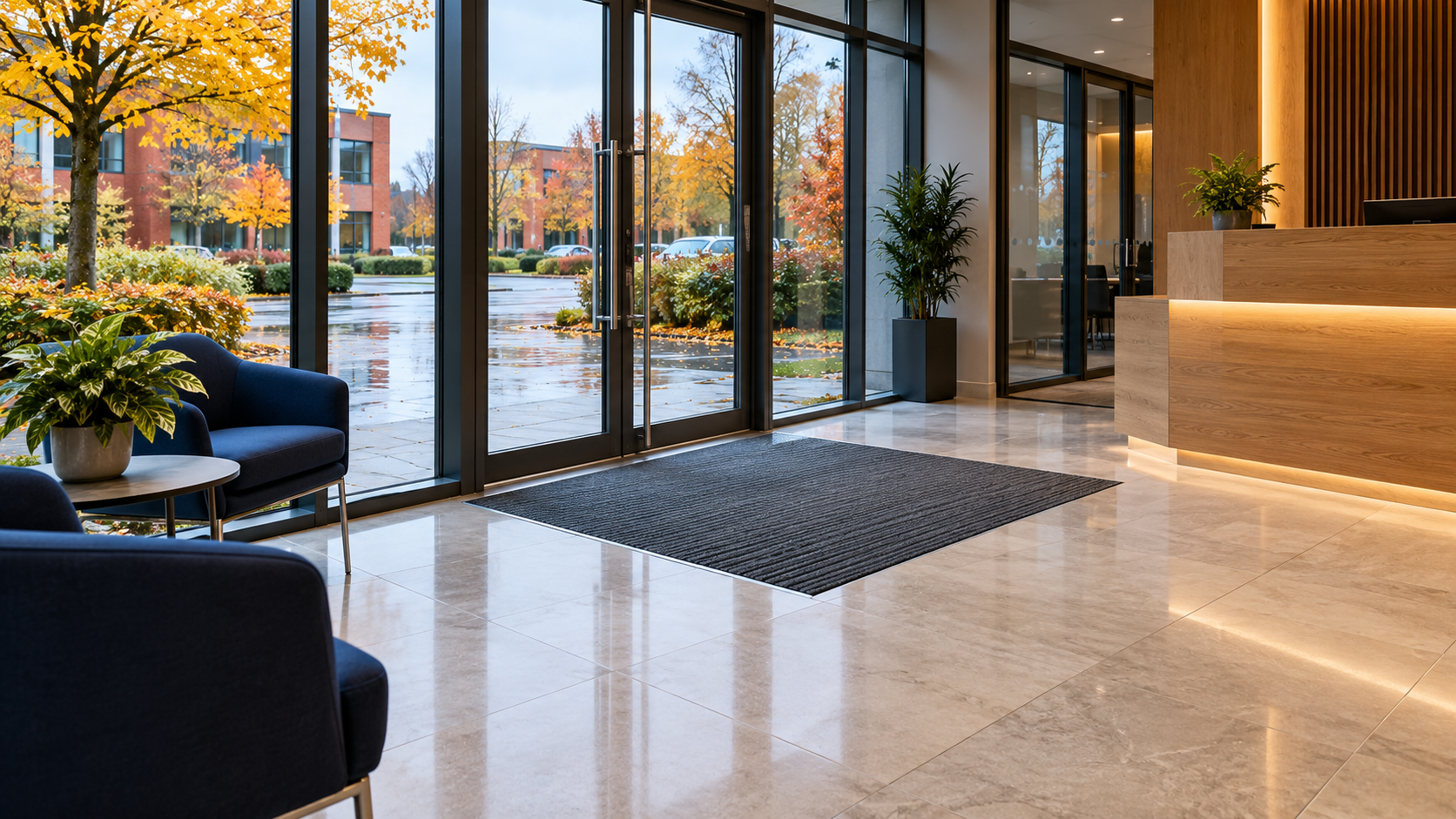
Follow the route on a rainy afternoon and look for the places where shoes turn after crossing a mat. Near Alexandra Avenue, an office entrance might lead straight to a staircase or into a hall shared with other users. The first landing or turn can collect soil that is not visible from the street door. Show those points on the survey and identify who looks after the mat, hall and steps. Explain when people need to use the route so routine floor work can be discussed around a safe and useful time.
Inside the suite, note where the flooring changes. Tell us whether the hard surface has a care instruction, and whether carpet tiles are loose or marked in any area. A recurring stain near a chair might come from a small spill, while a long visible lane can be associated with regular use. Point out where marks begin and what has already been tried. Loose floor fittings or damp that keeps returning should also be raised with the person responsible for maintenance. Such observations help distinguish the work to quote from a problem that needs another response.
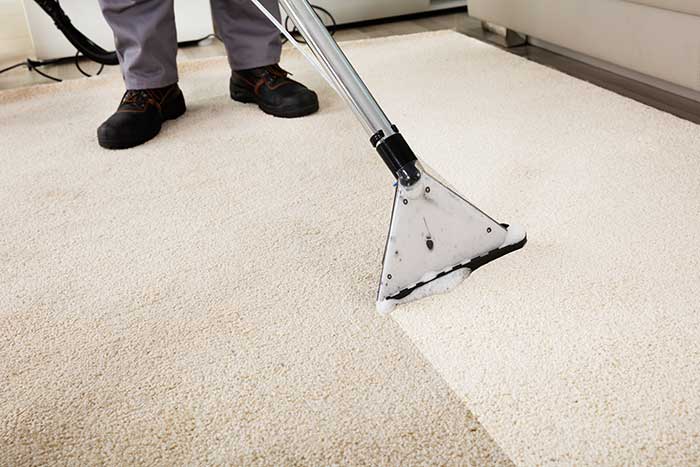
For planned work beyond regular vacuuming, read about commercial carpet cleaning in London. Explain whether the room can be cleared and how soon it has to be available afterwards. Give the provider a way to assess the condition of carpets and any mats or rugs with separate care instructions. If access to other rooms passes over the same carpet, include that in planning. The quote can then show which work is routine and which needs a separate visit.
Keep shared kitchen tasks separate from staff routines
A small kitchen can be open to staff from several suites even when the adjoining offices have separate hours. Find out when people normally use it and when the sink and worktop will be clear. Arrange for staff to remove personal cups, food and containers before a visit. State which work surfaces can be cleaned once they are accessible, and who will check a cupboard or fridge before any extra interior work is arranged. This avoids turning a routine visit into a decision about someone’s belongings.
Inspect the room in its usual state at the end of the day. A narrow waste opening can leave scraps beside the bin; small appliance leads can make the rear of a worktop inaccessible. Show the cleaner what can be moved safely and what needs to be dealt with by staff. If the room is cleaned under a shared building arrangement, ask what is included before adding it to your own scope. A recurring kitchen issue may need a change to the way the space is used or a clearer handover between occupiers.
Follow the waste to its destination. The outside store may close earlier than the office or require another key. Explain which bins your business uses, who provides liners and how any waste that needs special handling is kept separate. If the route passes through a shared corridor, get the relevant access arrangements agreed in advance. If something changes, tell the person coordinating the cleaning. That can prevent a bag or crate being left in a place where other tenants expect to pass freely.
Agree a first visit handover and a second person to call
For a new cleaning arrangement, name the person who will show the authorised route through the Rayners Lane building. They should know which entrance is available, which doors need to be closed after use and which areas belong to someone else. Give them time to show the supply location and the point where waste leaves the building. It is easier to demonstrate a lock or a shared corridor than to describe it in a long note. Any sensitive instructions should be shared through an agreed secure route after the arrangement is in place.
Choose a backup contact who can act if the first person is out. There may be a different contact for a locked shared door, an office key or a change to a room booking. Be specific about who can confirm each decision. A cleaner who finds the route blocked should know where they can start and when to report that the agreed visit cannot take place. Ask how the issue will be recorded and who will decide whether a different slot is possible. That way the office can distinguish an access problem from a visit that took place but missed a task.
Review the handover during the first few weeks. Ask if the supply route is longer than expected or if one room tends to be closed when planned. Update the written schedule if a change is agreed, instead of relying on someone remembering a verbal instruction. A backup contact can then understand what should happen when the main contact is away or if the landlord changes the arrangement with little notice.
Use one brief to compare routine and optional tasks
If you are inviting quotations for a Rayners Lane office, give each provider the same room list and the actual access times. Identify when the visitor route needs to be ready, the work that should happen each visit and the tasks that could be rotated. Ask suppliers to record any different assumptions. A short quote may leave the office wondering whether supplies and shared stairs are included. Put those items on separate lines to make the comparison clear. Check what the people comparing prices consider essential and which tasks they want to review after a trial period.
Ask for optional work separately. Detail cleaning after a move, work on a carpet in a room you cannot usually close and cleaning in an additional suite may require different preparation. Describe the condition of each area and how it can be accessed. Our commercial cleaning in London page gives the broader context where the request covers more than an office. Say which additional work you are considering so you can compare the cost without folding it into every week of the regular schedule.
Use the agreed brief at the first review. Bring examples tied to particular times and rooms rather than one general rating. If the floor below the waiting chairs still has grit at opening, determine whether the visit happened before the last guests left or whether the task did not include the area under the chairs. Those causes suggest different solutions. A specific review makes it easier to agree one useful change and see if it improves the next working week.
Reset one room when its purpose changes
A small premises can change use room by room. A records room might be converted into a shared work area, while a table that once held training materials may become a permanent meeting space. Tell us the intended use, when the room will be clear and whether any trades or deliveries still need access. Mark where equipment and files will be stored before the work begins. The initial tasks should be discussed separately from the normal pattern once the room is occupied.
If a room requires a sign-off, ask the person responsible to set the expected finish. Specify whether the request covers inside glass, the accessible floor or surfaces previously covered by furniture. If a finish has a maintenance instruction, share it in advance. Identify fixtures that are damaged or awaiting repair. A room can be clean and still have a damaged floor tile, so a record of the starting condition helps people distinguish the two. In a shared building, check that a change does not extend into a corridor or store beyond the office’s control.
Walk through again after the furniture has been fitted. A new bank of desks might create several spots where leads touch the floor. A larger waiting area can leave a previously clear strip of carpet under chairs. Update the visit instructions against the new layout so people know what needs to be moved and who can do it. Make the necessary changes before the first fully occupied week rather than carrying forward a checklist made for the old arrangement.

Keep other offices in view while quoting the Rayners Lane address
A company using several rooms across different properties can apply the same reporting standard without expecting every cleaner to work to the same timetable. Keep the site instructions at the address to which they apply. Include the key points about shared areas, room priority, local staff contact and where supplies are stored. If Rayners Lane has a tight gap between meetings and another office is empty for most of the afternoon, the same cleaning tasks may need to happen in a different order at each site.
Use the guides to office cleaning in Pinner and office cleaning in Kenton if those addresses are relevant. Our London office cleaning page describes the wider service and other areas. Say whether a central team will review the proposal and who can show each local office. Discuss any difference in start date, access permission or shared facilities before comparing costs across locations. That is especially useful when one site is due to open and the other is already in regular use.
For this address, start with what you want the next working day to look like. List the office door, the first occupied rooms and any items that commonly block access. If you have a cleaning schedule, send the parts you wish to review and explain why. We can use that information to discuss the Rayners Lane premises, the tasks to assess and the optional work to price separately. Flag any questions still with the building manager so they can be resolved before a visit is agreed.
Frequently asked questions about office cleaners in Rayners Lane
What helps with a cleaning quote near Rayners Lane station?
Give the suite address, the entrance that can be used during a visit and the rooms you control. Include the usual booking pattern and note any shared stairs or washrooms. If the outer door has different hours from your office, tell us both.
Can a consultation room have a different cleaning time from the desk area?
Discuss which times the room is free and what staff need to clear first. Note the room's readiness deadline separately from the open desk area. It helps to agree an alternative task for the visit if the consultation has not ended.
Do you need a copy of our appointment diary?
A description of the room's occupied and free periods is usually enough to begin. You do not need to give client names or details of appointments. Mention the earliest deadline, typical overruns and any window when the room is consistently free.
Should we include the stairs if our landlord cleans them?
Tell us what the landlord covers and show where your private suite starts. That keeps the office quote clear. If you want to discuss extra work on the stairs, check first with the person responsible for the common area.
What should we say about grit coming in from Alexandra Avenue?
Describe the entrance route, the position of mats and the place where marks or grit are most noticeable. If the floor is damaged or the issue persists when the surface is clean, share that too. The observation helps identify work to discuss and anything that needs the property manager.
How can we add a second room to the scope?
Provide the date the room becomes available, how it will be used and how it can be accessed. Mention whether it shares the existing facilities. If it needs initial preparation before being occupied, ask for that work to be considered separately from routine visits.
Can cleaning cover the floor below a shared printer?
Show the accessible floor and the nearby surface you want included. Tell us whether staff deal with the printer, cartridges and confidential paper. Mark any areas the cleaner cannot reach without moving equipment, and agree who can clear those areas.
Should the cleaner use the same visit order at our other office?
Base the order on each address. A Rayners Lane suite may have a short slot between booked meetings, while another office may be quiet after close. Shared reporting can still be useful even when the visit order is different.
Request a quote for your Rayners Lane office
Call 0203 092 2297 or request a quote online. Give the full address, the floor or rooms you use and the entrance that will be available. Include what you want ready before the working day begins and note any access arrangements still to confirm.
See office cleaners London for wider coverage and more local guides.
Clients we service
Organisations featured across Complete Clean Management’s client portfolio.
















GOOGLE CUSTOMER REVIEWS
What our customers say on Google
Selected review excerpts from Complete Clean Management’s London Google listing.
★★★★★
“Really happy with the deep clean! The team were friendly, professional and did a fantastic job.”
★★★★★
“We engaged with Complete Clean Management and they came in and did an absolutely fantastic job.”
★★★★★
“We have recently started to use Complete Clean Management for various cleaning services to our domestic and commercial renovation projects.”
★★★★★
“The team is punctual, professional, and pays great attention to detail.”
★★★★★
“We’ve been using this office cleaning service for several months, and it’s been outstanding.”
★★★★★
“Complete Clean Management has transformed the cleanliness of our workspace.”
Selected excerpts, checked 6 November 2026. Leave a Google review ↗