
Complete Clean Management · East London
Office Cleaners Silvertown
Professional office cleaning tailored to your premises, working hours and priorities.
Request a free quote Call 0203 092 2297

Set the boundary around the space you actually occupy
An office cleaning brief for Silvertown is easiest to price when it starts with a floor plan and a walk through the building. A dockside development may have a residential concierge, a separately managed commercial entrance and a service route that reaches the back of an office without crossing the lobby. A standalone workplace off North Woolwich Road may have a roller shutter and a staff door next to one another. Use a marked plan to show the actual cleaning route and distinguish rooms within your lease from the spaces that your managing agent looks after.
List the points where the two responsibilities meet. Someone has to take care of the glass on both sides of a tenant door, the mat that sits across the threshold and the dust that collects around the lift call button. If the landlord's schedule already covers the ground floor, ask for a copy before commissioning work there. If the tenant has to clean a lift lobby on its own floor, record who provides access and whether other occupiers can use it at the same time. These distinctions make a practical difference to hours and equipment even when the floor areas are similar.
Give the schedule a named owner at your organisation and make sure the building team has the same version. A drawing can show each zone by colour, with a separate box for things such as internal glass that have two accessible faces. If you have space elsewhere around the docks, the Custom House office cleaning guide can help you prepare a separate specification for that site. Each building still needs its own access instructions and scope.
Plan arrivals along the Royal Docks corridor
An appointment described as being on the Royal Docks can send a new visitor to the wrong side of the water or to a building with a similar entrance. Give the full postal address, unit or core number and the name shown on the staff door. Add a short instruction starting from a junction or the entrance that the building manager has approved. Share a daytime contact and a separate escalation route for an early or late visit when the reception desk is closed.
Newham's Royal Docks Corridor information identifies Silvertown Way and the relevant stretch of North Woolwich Road. Use that resource for corridor context and check the building's own arrival instructions for the day. One workable arrangement is to put regular consumables in an agreed store inside the demise and book separate access for occasional machines or bulk supplies. That keeps the everyday route simple even if the goods entrance needs a booking.
Test the whole journey during the proposed cleaning slot. Check how an authorised visitor reaches the door, where they collect a pass, whether a lift operates at that hour and who takes a call if the fob fails. If a bay has to be booked, put the booking responsibility in the contract notes and make the distinction between the confirmed arrival time and the expected start of cleaning. A short timed walk during mobilisation gives everyone a more realistic expectation of how much of the slot is available for the work itself.

Separate development dust from everyday office soil
Newham's North Woolwich and East Silvertown framework gives useful background on the area. If there is a fit out or external work beside your particular premises, assess its effect on your own floors. Fine dust that returns to a clean meeting table every morning may be entering through a door held open during deliveries, migrating from a contractor route or accumulating under protective floor sheets. A one time clean will have a different outcome depending on which source is still active.
Make three lists for a phased occupation. Put handed over desks and meeting rooms on the regular schedule. Put temporarily vacant floors on a light inspection schedule if the owner agrees they need one. Keep areas with active trades or an unresolved handover in a separate list for the project team. The first visit for an office team should start from an agreed condition. Photograph a few dusty edges or surfaces at handover and confirm where dust is still being introduced before arranging any additional detail work.
Use observations to decide whether to change the schedule. If the only recurring marks are where packaging is opened, it may be enough to add a short pass around that unpacking point. If dust returns throughout a room, get the building or fit out team to assess the source and the material first. Ask for the scope and dates of extra work to be recorded separately, with a review once the source has stopped. This avoids paying indefinitely for a temporary stage of the building's use.
Lay out a cleaning route around operational desks
Some Silvertown premises combine office administration with logistics, stock management or production support. The office may be occupied whenever goods move even if the public entrance looks closed. Ask each department when its room is genuinely available and identify places where a clipboard, headset or radio has to stay in a fixed position between shifts. A cleaner can have access to a room and still need a precise boundary around active controls, charging stations or dispatch paperwork.
Write a route that makes the quietest rooms available first and leaves late use spaces until their occupants have signed off. If a welfare area fills during a handover, put its reset on either side of the overlap. If a computer room or a sample area requires an escort, specify how that slot is arranged. Let the named supervisor decide what to do if the room remains occupied. A missed room can be logged and offered a return slot, while an instruction to clean any available surface can lead to inconsistent work around equipment.
Agree where office supplies and cleaning equipment will be stored so the two kinds of activity can run independently. A dedicated shelf with labelled stock is more useful than a long note about staying organised. Include locations for cloths awaiting laundering and for equipment that has to be returned dry. Use the London commercial cleaning page to identify additional tasks to discuss when the brief also includes non office rooms, and specify their boundaries separately in the quote request.

Trace the path of grit from the dockside entrance
Entrances can be visibly clean at opening and begin to show a dark track before the rest of the office has seen much use. Record where the track first appears and how far it travels. A mat in a sheltered lobby, a hard floor landing and a carpeted corridor play different roles. If the mat ends immediately before a turn into the office, inspect the outside of the turn and the carpet edge beside the door. A small area with heavy foot traffic often needs more attention than a large open floor further inside.
Make a distinction between loose grit, a wet footprint, an oily mark transferred from another work area and a wear line where the colour has physically changed. Ask for an appropriate response to the particular surface and verify any product or process against the flooring guidance for that building. Check whether replacement mats are part of the tenant's budget or a landlord item. Record who moves, dries or swaps a saturated mat and where staff report water ingress or a recurring patch of condensation.
Give the regular floor work a visible standard. For instance, inspection can look for dirt at the edge of a runner, clean junctions around the threshold and an unmarked path to reception. When the routine has been in place for a few weeks, compare that same route on a dry day and a wet one. If marks remain after the routine pass, note the floor material and the kind of traffic when requesting a separate assessment through commercial carpet cleaning in London.
Book carpet care with a clear handback plan
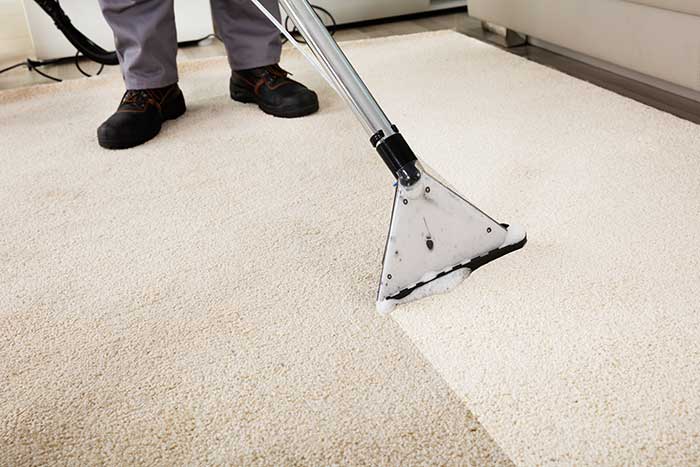
Plan specialist floor care around the next occupation of the office. An occasional extraction or other periodic process has different access needs from regular vacuuming. The cleaner may need a suitable water point, a safe route between two doors, permission to move light furniture and time to finish and leave the floor ready for its next users. Identify the people who control those arrangements before requesting a date. If one lift serves both the office and residential floors, verify what equipment the building will permit there.
In a meeting suite, list the booked rooms and the minimum number that has to remain usable. There may be an alternative room for a briefing even when the main boardroom is busy. An office with scheduled evening handovers needs a precise room by room plan rather than a request to complete every carpet overnight. Ask the provider to state what the handback conditions depend on, including ventilation, surface material and whether the area can stay closed until it is ready.
At the review, look at different examples separately. A sticky spot beside a kitchenette, a discoloured chair track and a pale join between two replacement tiles need different explanations. Set a realistic baseline from pictures that show lighting and condition, and include who can authorise a change of method when the material turns out to be different from the description. If furniture is moved, agree which items can be handled and make responsibility for heavy furniture, equipment and live cables explicit in the booking.
Agree who owns welfare supplies and stock checks
A single site can have a visitor washroom near reception and a separate welfare room serving operational shifts. Compare their needs using actual use during a week. The visitor room might need attention just before a particular meeting block, while the welfare room may require checks after the busiest staff break. Map each dispenser and note which sizes or cartridge types fit. A packet of consumables on the shelf is only a useful reserve if it is the correct product and someone can reach it during the cleaning visit.
Name the person who orders stock and decide where the warning threshold belongs. For a busy dispenser, the trigger may be the last unopened box. For an infrequently used product with a long lead time, a minimum covering several weeks might be more useful. Agree a simple routine for reporting a dispenser fault, a slow leak or a blocked sink to the person who can action maintenance. Record the room, fitting and time so it can be found without another tour of the floor.
Use the washroom services information when preparing questions about supplies and separate services. Keep the tenant's responsibilities visible alongside anything arranged by the landlord. On a site where the shower or accessible facility has a different key from the main washrooms, confirm who supplies it and how access is restored after use. During mobilisation, check that the expected cupboard exists and that delivered items have a dry place to go without blocking the everyday cleaning equipment.
Keep the office kitchen usable across different shifts
Workplace kitchens in Silvertown can have a fast breakfast handover, a quiet period and another wave at the end of a shift. A single visit after the last office worker leaves might occur before the operational team has used the room. Ask the people who use it when a clean counter and a free sink make the most difference. Decide if waste and surface resets are needed after the busiest period and which tasks can wait for the regular end of day visit.
Put surfaces and equipment into named groups. General wiping might cover cleared worktops, splashbacks, sink surrounds and the exterior of approved appliances. Write separate arrangements for a shared fridge, a coffee machine that has a maintenance agreement, and crockery or personal food. Labelling cupboards for consumables helps the team avoid opening drawers reserved for staff food or customer stock. Check how used cloths and any collected waste leave the room without passing back over a cleaned area.
When staff report a recurring problem, capture where and when it happens. An overflowing recycling container at mid afternoon needs a different fix from a bin that is emptied but has sticky residue on the rim. If the kitchen is shared by multiple businesses, agree whether each keeps its own food area or whether the managing agent commissions the whole room. A regular facilities review should settle these ownership questions and leave a dated record whenever the cleaning time or work changes.
Coordinate waste movement through a shared service route
Start at the desks, kitchen and printer points and follow each waste stream all the way to its approved holding area. A room schedule that ends at emptying a bin may leave a practical gap if only a porter has access to the compound. Find out whether the tenant's team has direct access, who opens the route outside office hours and how recyclable and general streams are labelled along the way. A separate office waste point is helpful when the main floor also handles packaging or materials belonging to an operational team.
Identify items with their own arrangements. If confidential papers are placed in locked consoles, agree who supplies and empties them and make that boundary clear in the office brief. Put battery or electrical items in the locations your workplace has designated for them. Describe what happens to an unidentified bag, a damaged container or something that spills in a shared lift. Have the building contact confirm where temporary items can be kept when the usual holding area is inaccessible.
At the first inspection, walk the final route at the actual time the work is planned. The route may pass through a service gate or a door that has a different closing time from the office. A sensible review can use a list of exception types, such as access denied or stream unclear, and mark whether the cause is something the tenant can solve or something the building team must handle. That makes a recurring issue visible without recording private details about individual occupants.
Record last person out arrangements before the first visit
Even a small office can have several different states at closing. One team may still be using a printer or an adjoining room, another may have left a meeting set up for the morning and a shared door may have been locked by the concierge. Ask the client to write down who can provide access and how an unplanned late occupant should affect the route. Include the permitted sign in method and which areas can be left until a different slot by prior agreement.
Use a walkthrough to identify equipment and documents that stay in place. A marked desk that handles consignment papers or planning drawings can have its clear surfaces attended to while the documents remain with the occupier. An active workstation may be excluded until the shift ends. Identify switch panels, sample benches, floor boxes and other items that need the client to clear or approve them before work. If meeting materials have to be left out, have the room booker tell the contact in advance.
Keep sensitive access details out of the general site notes. The sheet on a cupboard door can list rooms, responsibilities and a contact route while credentials are distributed separately by the building's authorised team. Record the method for reporting a missed lock up without sharing the actual code. Confirm who handles the exception on evenings when the usual person is absent. Review the arrangement after the first holiday, shift change or new tenancy so the contact list reflects the people who can actually respond.
Assess a schedule by what staff find the next morning
Agree a few physical checkpoints that are easy to locate. At an entrance this could be the line along a mat frame. At a meeting room it could be the cleared table edge and the visible area around the chairs. In a washroom it could be the basin ledge, the floor around a fitting and the agreed stock level. Choose checks across the office instead of repeatedly inspecting whichever room happens to be near the manager's desk. If an item needs a separate maintenance action, move it into the building log.
Define how to describe a missed task. Give the room or zone, approximate time, intended standard and whether the area was available. Include a way to record that it was used again after a clean or that another contractor affected it. Where a concern repeats, the response might be to clarify an instruction, adjust a timing window or repair a fixture. The next review should confirm which response was chosen and what evidence will show it worked.
If the occupancy pattern changes, treat the schedule as an agreed document and update its version. A new team using a floor daily can increase attention needed in kitchens and washrooms while leaving another room almost untouched. A new client meeting calendar might affect only one part of the week. Changes are easier to price when requests name the zone and the frequency. The London office cleaning overview provides context for teams preparing briefs for several locations at the same time.
Prepare a quote that a second provider can compare
Share the number of occupied floors, a rough area, the surface types and the opening hours. Add a list of regular tasks with room names and separate optional work such as periodic carpet treatment, high level dusting that needs an agreed access method, or an initial handover clean. Include the nearest approved entrance and any planned dates when the premises will be busier. If access changes according to the day, say which person arranges it and how much notice they need.
Ask for the quote to state what it assumes about water points, secure storage, supply of consumables and the amount of time the contractor can actually work inside the office. Compare visit frequency by zone. A proposal with five visits can be quite different from one with the same count and different rooms included each day. Check how a periodic item is requested and approved, and agree which parts of a brief can be amended without a new site visit. Make any arrangements for extra or cancelled visits explicit in the written comparison.
If you have a second address across the Royal Docks, collect that site's information as a separate record. The Beckton office cleaning guide provides another local starting point if you manage a workspace there. Use consistent headings across both site briefs so costs and coverage are readable, then tailor the rooms, thresholds and permissions in each. A brief that reflects your own doors and working hours gives you a clearer basis for discussing a service than an estimate based on the postcode alone.
If the brief covers a move between sites, ask which address needs a final clean and which needs a start up service. Put both dates alongside the actual handover appointments, and identify where keys or lift access will transfer. That gives the incoming and outgoing teams a chance to settle any shared duties before the first visit.

Questions about arranging office cleaning in Silvertown
Which address details matter when our Silvertown office shares a dockside entrance?
Send the postal address, commercial core or unit number and the door the building wants contractors to use. Include instructions for a goods entrance if bulky equipment needs a different approach. Give the arrival contact a short description of the permitted route and send any actual access credentials separately through your usual building process.
How do we plan visits while another floor is being fitted out?
Have the building identify floors that are formally handed over and document any separate entrance or lift used by the fit out team. Arrange regular cleaning in the rooms already in use. Put handover cleaning and any work affected by construction dust on a separate scope with dates, agreed access and an inspection before the office opens.
Can a Silvertown office and a Custom House suite share one specification?
Use the same specification format for both, with a separate schedule and local instructions for each address. Measure the differences in lift access, security, workroom layout and waste responsibility. The Custom House office cleaning guide can help the second team identify what to include in its own brief before comparing the proposals.
Who looks after the part of the entrance between the concierge and our suite?
Ask the managing agent for a written boundary showing the lobby, any mat wells and the glazing on both sides of the suite door. Give the cleaner the same version. If glass and threshold duties are split, record which side each party covers and who receives a report when the problem extends beyond the tenant's premises.
What if the normal service road approach has changed?
Confirm the live route with the building before the visit and include a revised gate or unit instruction in the booking. Newham's Royal Docks Corridor page provides wider route context. Your site contact should confirm the current arrangement for waiting, unloading and signing in at that particular building.
How can we deal with a carpet track that keeps returning from the staff door?
Track where it starts, the weather and what people are carrying between work areas. Review the condition and position of the entrance mat first. Send photos and the flooring type when asking about periodic carpet cleaning, and agree the handback time around the next shift before booking additional work.
Can washroom supplies be managed separately for office and welfare rooms?
List each room, its dispensers, its busiest period and where reserve stock can be kept. Agree who counts, orders and receives consumables and how the cleaner flags a fault. The washroom service page is a starting point for agreeing which consumables or separate services you want included in a quote.
What should a cleaning handover cover if the office works beside an active unit?
Identify rooms with active equipment, set out how the occupier confirms the area is available, and write down any items that need to stay where staff left them. Give the supervisor a route for reporting blocked access. Review that route after the first week using actual examples from the office rather than generic exceptions.
Talk through your Silvertown office cleaning brief
Describe your workrooms, access and the tasks you would like priced. For other sites, start with the London office cleaning guide.
Clients we service
Organisations featured across Complete Clean Management’s client portfolio.
















GOOGLE CUSTOMER REVIEWS
What our customers say on Google
Selected review excerpts from Complete Clean Management’s London Google listing.
★★★★★
“Really happy with the deep clean! The team were friendly, professional and did a fantastic job.”
★★★★★
“We engaged with Complete Clean Management and they came in and did an absolutely fantastic job.”
★★★★★
“We have recently started to use Complete Clean Management for various cleaning services to our domestic and commercial renovation projects.”
★★★★★
“The team is punctual, professional, and pays great attention to detail.”
★★★★★
“We’ve been using this office cleaning service for several months, and it’s been outstanding.”
★★★★★
“Complete Clean Management has transformed the cleanliness of our workspace.”
Selected excerpts, checked 6 November 2026. Leave a Google review ↗






