
Complete Clean Management · North West London
Office Cleaners Swiss Cottage
Professional office cleaning tailored to your premises, working hours and priorities.
Request a free quote Call 0203 092 2297

Plan for a Swiss Cottage office that changes use during the week
A Swiss Cottage address near Finchley Road, Avenue Road or Adelaide Road can serve people who arrive at different times and for different reasons. Your team might use the same floor for desk work on Monday and a group session on Thursday. A reception shared with other occupiers may be open before your own suite and close while staff are still upstairs. Describe the actual premises when you contact Complete Clean Management. Include the address, floor and any common areas a visitor passes through before reaching the rooms your business controls.
Draw up two simple examples. On a normal desk day, note when people arrive, whether staff share workstations and what needs attention before opening. On a day with group bookings, show where visitors wait, which rooms they use and who resets them. Consider whether the same cleaning slot can work on both days. An earlier or later visit could be worth discussing on a particular day, while the rest of the week stays straightforward. The relevant question is which spaces can be reached at the right time.
Our office cleaners London page sets out the wider service. The guidance here is for putting together a quote brief for a Swiss Cottage office with changing occupancy, shared access or a mixture of workrooms and booking space. Use the examples that fit your premises, and bring information about the parts that the landlord or another occupier manages.
Specify the handoff when central reception closes
In a larger building, central reception may be the place where visitors sign in, where deliveries are held and where a contractor is directed to a particular floor. Cleaning after the receptionist leaves can involve a separate access arrangement. Ask whether the person who approves that arrangement works for your office or for building management. Tell us who can provide a first visit walkthrough and which route will be available in ordinary use. If a lift, service entrance or shared door has restricted hours, include that in the timing discussion.
The responsibility for cleaning the lobby can differ from responsibility for letting someone in. A tenant might have access to a common lobby but no authority to arrange work there. Check which glass, stairs, lift controls and entrance matting are already included in the building schedule. Then show the point where the office starts and identify any signs or touchpoints your business looks after. This can help prevent a new quote from including the same task twice or leaving a door between the two arrangements.
If the authorised route changes, agree who will notify the cleaner and how. A building may occasionally require use of a different door while a lift is serviced or a delivery is made. The backup route should be agreed with someone who can grant access. Keep codes and credentials out of a general quote enquiry. A written route, backed up by a person who can answer questions, helps a visit go ahead without expecting the cleaner to work out the building’s permissions at the door.

Give a training or briefing room a reset plan
A Swiss Cottage office that hosts occasional group sessions may need the room to look different on the day after an event. Chairs might be arranged in rows, tables pushed to the side and catering packaging waiting for collection. Explain who moves furniture back, where any leftover items go and when a cleaner can reach the room. If the cleaning visit begins before the event ends, describe a room that can be cleaned first and who can say when access is possible. That is more useful than assuming that every session will end at its booking time.
A clear room reset can list a few visible outcomes. Exposed tables can be checked for rings or crumbs, the area around bins can be reached and the floor can be covered once the staff team has moved items. Decide how the cleaner should handle a table still holding training materials and where the host can store them. If the room holds fixed cables or a display that needs specialist attention, identify the parts the office team is responsible for. This makes the instruction clear even when the layout changes between events.
Check whether event work should be part of a regular visit or discussed separately. A weekly session with a predictable finish may fit the routine. A large occasional event may need more preparation or a different visit slot. Tell us how many spaces are affected, whether a second occupier uses them and when the rooms need to reopen. Describe what happens to catering waste and hired equipment so it does not get mixed up with routine office tasks.
Work with glass and light without over-specifying what is reachable
An internal glass screen in a bright office can show marks that are difficult to see when the cleaner visits after dark. Ask your site contact to identify where the glass is touched and which side is inside the tenant’s area. A clear panel beside the main door can need a different frequency from glass around a meeting room that is booked less often. Point out where a cupboard or desk blocks access, as that can change which parts are included. Give any care instructions for applied film, markings or other surface treatments.
Separate interior glass at reachable height from exterior glazing or work requiring different access. If an outer window is part of the building contract, say who covers it. For a quote that includes both office work and another commercial requirement, discuss the separate task and its access. General requests such as cleaning every window can leave two suppliers thinking about entirely different surfaces. Identify the panel, side and available working space before it goes into a routine. That allows a site check to focus on the marks people actually notice.
The same principle applies to lighter-coloured furniture and painted walls around routes. Tell us which marks are recurring and where damage already exists. An outline of the original condition helps when results are reviewed. Ask the staff who use the room when a particular mark becomes visible and whether a light source makes it more pronounced. You can then decide if a different check time or a separate assessment would help, instead of judging the whole routine on one surface with an unclear expectation.

Keep shared workstations clear through a rolling desk schedule
Teams working around Swiss Cottage may share some desks across staggered hours. A desk empty at the end of a visit could be needed early by the next person, while the one beside it remains occupied. Discuss how a cleaner can tell which workstations are available without handling someone’s belongings. A simple staff routine can make this easier. The last user clears agreed items, the office gives equipment instructions and the cleaner knows which exposed surfaces and nearby floor can be reached.
Where spare cables, shared headsets or stationery are kept on the surface, decide how to store them. A shallow tray or locker may be useful, but the staff who own the equipment should put it there. Mark any device that requires care from its user. Identify what should happen if a cable or power block sits on the floor, including who can move it and where there is safe access around the workstation. An instruction to clean around all desks is difficult to assess unless the contact can distinguish a clear area from one that cannot be reached.
Ask the provider to report recurring obstructions in a way you can act on. A missed patch under a desk can be assigned to a particular area without using an employee’s name. If the issue happens on busy days only, the office can ask people to prepare those desks or arrange a quieter visit. Change one part of the routine and check the result. That gives you evidence about which part of the problem is in the cleaning schedule and which part depends on how the office is used.
Decide which washrooms visitors can use and who stocks them
When a Swiss Cottage office has visitors from outside the building, they may use a different washroom from staff. One could be near central reception, another inside the suite. Ask the building manager which rooms are already covered and tell the provider which you control. If a room is used heavily only on particular days, identify those days when discussing frequency. The usual staff headcount may not reflect the use created by a larger meeting or a full appointment diary.
At the survey, show the washroom contact points, floor and storage. Describe the soap, paper and other stock you have and who orders it. If the cleaner will refill from supplies you provide, show the cupboard and the dispenser. Agree when low stock should be reported and who can act before the next cleaning visit. If a lock, tap or other fitting is broken, the observation belongs with the person managing repairs. Tell the cleaner how to report it and who will confirm whether the room remains available.
Use the washroom services page to discuss arrangements beyond the regular cleaning tasks. Record any separate disposal or replenishment provider. In a shared building it is possible for one party to own dispensers and another to buy supplies, so write those responsibilities down before the quote is agreed. That detail also helps a temporary office contact work out whom to tell when the usual person is away and a consumable runs low during a busy booking day.
Prioritise the entrance floor after wet weather or a busy event
An office entrance near Finchley Road may see people come in from several directions within a short period. Inside the building they can spread from the mat to a waiting area, lift or stair. Look at where dry soil collects after water has evaporated. A turn just past a threshold, the edge of the mat and the space next to a queue may show how dirt enters the premises. Find out which surfaces the building team maintains and include the relevant part of the route inside your own office scope.
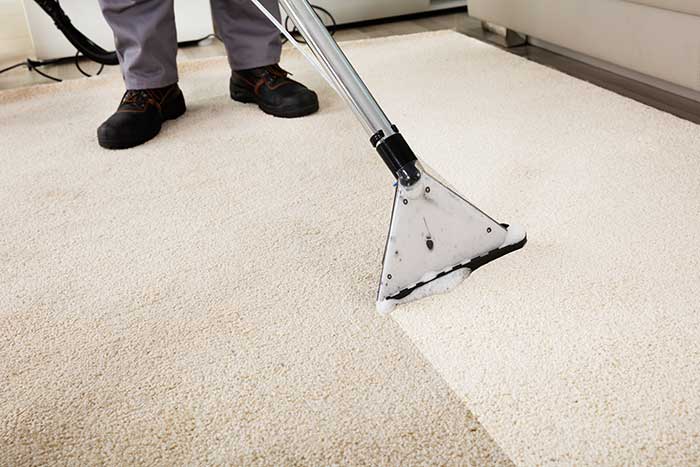
Where the visitor route continues over carpet, distinguish recent spills from persistent wear or marks. Let us know if the floor has already been treated or if there is a problem with the fit of a tile. Mark the parts staff need to keep open during a visit. A carpeted meeting room might be free late in the day but be the only way to reach an occupied office beyond it. Those facts matter if you are planning commercial carpet cleaning in London separately from the routine vacuuming and floor work.
Explain how you will check the result afterwards. The same route may be visible in a different light at the start of the day. Use a consistent inspection point and note when people have already used it. If soil returns quickly, consider whether a change to the entry arrangement or the timing of the visit should be discussed. Ask the building contact to look at damaged mats or floor edges. A cleaning routine can then focus on the surfaces available to it while the relevant party deals with any repairs.
Write a kitchen brief for both everyday use and catered bookings
A staff kitchen used by a few people on most days can become a staging area for refreshments during a booking. Ask the organiser to remove catering items and identify waste that needs a separate arrangement. Give people a place to put personal items before the visit. If the room is still in use, explain how the cleaner can work on another area and who can confirm a return. The routine can then cover the exposed worktop, sink and agreed bin tasks without relying on the cleaner to handle supplies or equipment that belong to the event.
Look at the times the worktop actually becomes clear. A kitchen used by two shifts may be empty between them even if it stays busy at closing. If it shares an internal route with a meeting room, show when people need to walk through. Agree which portable items staff move and what happens to items stored around the bin or beneath the counter. For appliance interiors or other extra tasks, say when staff can empty the equipment and make it available. Put those jobs on separate lines if they do not need to happen at every visit.
Trace the normal waste route out of the building. Identify the correct containers and whether the cleaner can reach them through the normal evening door. If a booking adds cardboard or other material that the office does not produce every day, decide who handles it. In a multi-occupier building, check that the waste store arrangements match your lease and working hours. Give the site contact a way to update the instructions if the store or loading route becomes temporarily unavailable.
Show how the suite works when the lift is out of use
A floor accessible by lift in normal use may have a very different equipment route when the lift is being serviced. Tell us what can be reached without the lift and whether the property manager permits use of another route. Show where supplies can be stored and what would have to be carried between floors. If there are narrow turns, stairs or shared doors, they can affect which tasks are practical within a particular window. This matters especially when the proposed work involves equipment beyond what is needed for a normal office visit.
Agree who can notify the cleaner in advance of a planned closure. If a route is unavailable without warning, the office can name an approved contact to discuss what still can be done. If two floors are in scope, decide whether the lower floor can be covered while the higher one is inaccessible. A record of the affected tasks will be useful later. Avoid asking the cleaner to improvise access through an area you do not control. The building manager can confirm whether a route is authorised and help coordinate it with other occupiers.
For a periodic visit, explain how the room will be prepared and where any equipment can be set down safely. Do not assume the same route applies when the building has different weekend hours. If there are shared loading arrangements, confirm who can book them. Include the details in the quotation discussion so the proposed time reflects the actual route. A useful scope states what the cleaner needs from the property as well as the work the office would like carried out.
Compare visit models with a calendar and a list of outcomes
When asking for a quote, give each supplier the same example week. Mark the days when people work at the office, the rooms in use and any bookings that change the normal occupancy. List the tasks you need ready at opening and distinguish those that can be rotated. Ask the supplier to state what they assume about access, preparation, supplies and whether the shared parts of the building are included. That helps you compare bids with different visit lengths without losing track of the outcome you want.
Decide how periodic work should appear in the proposal. A more thorough reset after a series of meetings, or carpet care when a particular room can be closed, may belong on an optional line. If the enquiry also covers commercial areas outside the office, see commercial cleaning in London and specify those areas separately. Give enough detail for the provider to assess what is involved and what access is needed. The same quote can then show what the regular visit covers and what you would need to arrange in addition.
Make the first review specific. If you want the room ready before a morning session, record whether the furniture was in place and what surfaces were available when the cleaner arrived. Compare that against the intended schedule. When a task is missed because the room was occupied, it suggests a different change from an accessible area that did not receive the expected work. A short set of dated observations lets the office adjust the schedule without changing the parts already working well.
Handle staff moves or new occupiers one floor at a time
A Swiss Cottage business moving between rooms in the same building may keep some staff in place while others prepare a new floor. Provide the dates when rooms will be vacated or used for the first time. Confirm whether a previous occupier or contractor still has materials in the new space. If one part of the office needs to stay open, identify the route people will use during the move and when it can be cleaned. This makes it possible to discuss which work belongs to the move and what should continue as part of the regular agreement.
Agree who will inspect the first condition of the area and who will remove unneeded items. Share care instructions for newly installed finishes and let us know if work remains to be done by the landlord. A quote for cleaning a room that is already clear will differ from a quote for a room that cannot yet be entered. Once people are in the new space, run through the access and storage details again. A place that worked for spare stock before the move may belong to a different occupier afterwards.
Review the room list with the office contact once the layout has settled. Add or remove spaces by their actual use and confirm if a change in desk or visitor numbers alters which parts need regular attention. Confirm which floor takes deliveries and what happens to waste after close. The site can then keep a record of the change, including when the previous instructions ended and when the current work should begin. That is particularly helpful if several moves are planned over a few weeks.

Coordinate other locations while keeping Swiss Cottage’s needs visible
A business looking after several North West London workplaces can give the same review questions to each site. Ask where the first visitors arrive, how people prepare desks and what happens when the usual access route is unavailable. Keep the answers with each office, because the building and people at another address may use different arrangements. One central manager can compare cleaning specifications and still allow a local contact to answer the questions about keys, bookings and the best time to see the premises.
See our guides to office cleaning in Belsize Park and office cleaning in St John’s Wood if those areas are relevant. The office cleaners London page links to more locations. When you enquire about several offices, indicate whether they have the same start date and whether any one needs work sooner. Give each site’s contact or role and note the questions still with building management. That makes a combined enquiry easier to break down into workable proposals.
For Swiss Cottage, start by sending your floor or unit, hours and a short description of your busiest room use. Include any shared reception or access issue that affects the proposed visit. We can discuss what to assess, which tasks belong in the regular routine and what would need its own quote. If the way you use a room changes through the week, show us that pattern early so the proposed work has a chance to fit it.
Frequently asked questions about office cleaners in Swiss Cottage
What should I send for an office near Finchley Road in Swiss Cottage?
Provide the full address, floor and entrance available during the visit. Tell us whether a central reception or property manager controls access. Describe the rooms you occupy, the times they are in use and the priorities before the first staff or visitors arrive.
Can the cleaner work on our floor after the building reception closes?
Check which route is authorised after reception closes and who can confirm access. Tell us about any lift or shared door limits. If the route is available, discuss the time window and the tasks that can be completed in it.
How do we account for a weekly group booking?
Describe when the booking finishes, who moves furniture and when the room is needed again. Tell us if catering or additional waste is involved. Ask whether it fits a regular visit or needs a different slot or separately agreed work.
Can we include the glass around the meeting area?
Show which panels and which sides you want assessed. Explain where furniture blocks access and whether there is any film or special care instruction. Specify internal glass separately from exterior glazing or high areas that require different access.
What if there is only lift access for heavier equipment?
Tell us about the lift, the hours it can be used and the route from the entrance. If it will be out of service, check with the manager whether an approved alternative exists. This matters when planning periodic work in particular.
Should a shared washroom be part of our Swiss Cottage quote?
Check the building contract and who can approve changes to the common area. Describe any separate washroom inside your suite and tell us where supplies are kept. The quote can distinguish tenant tasks from work that is already managed by someone else.
Can our old and new floors be cleaned during an internal move?
Provide the dates that rooms become available, which areas need to stay open and whether trades are still working. Describe any separate initial or handover work. The normal schedule can then be reviewed against the occupied floors once the move has happened.
How should we check cleaning when the building is busiest?
Choose a few repeatable checks and record when the room was last used. Compare a busy day with a quieter one. This can show whether a routine needs a different slot, better access or a change to which tasks are included.
Ask for a cleaning quote for your Swiss Cottage office
Call 0203 092 2297 or request a quote online. Give us the address and floor, and describe the visit window, shared access and rooms that need to be ready first. If your office hosts group sessions or uses a changing desk schedule, include an example day.
For more nearby coverage and service information, see office cleaners London.
Clients we service
Organisations featured across Complete Clean Management’s client portfolio.
















GOOGLE CUSTOMER REVIEWS
What our customers say on Google
Selected review excerpts from Complete Clean Management’s London Google listing.
★★★★★
“Really happy with the deep clean! The team were friendly, professional and did a fantastic job.”
★★★★★
“We engaged with Complete Clean Management and they came in and did an absolutely fantastic job.”
★★★★★
“We have recently started to use Complete Clean Management for various cleaning services to our domestic and commercial renovation projects.”
★★★★★
“The team is punctual, professional, and pays great attention to detail.”
★★★★★
“We’ve been using this office cleaning service for several months, and it’s been outstanding.”
★★★★★
“Complete Clean Management has transformed the cleanliness of our workspace.”
Selected excerpts, checked 6 November 2026. Leave a Google review ↗






