Complete Clean Management · North London
Office Cleaners Tottenham Hale
Professional office cleaning tailored to your premises, working hours and priorities.
Request a free quote Call 0203 092 2297

Office cleaning in Tottenham Hale for a workplace with several moving parts
An office near Tottenham Hale station and an administrative area on a commercial site off Ashley Road can require very different arrangements. Both need a cleaning brief that explains how people reach the office, who controls the building and which tasks are expected within the space. Complete Clean Management can discuss the requirements of your Tottenham Hale premises. Give the full address, unit or floor and the entrance the team should use. Describe the office itself and any other commercial activity that shares its reception, facilities or access routes.
Start with the operation you need to protect. Staff might need shared desks available for a busy team day, meeting rooms ready for visitors or welfare areas usable through different shifts. The same site might also have delivery traffic, another tenant or building works that affect the available routes. These are separate pieces of information. A proposal becomes more useful when it identifies the intended cleaning work and the practical arrangements needed to carry it out. Give particular attention to responsibilities that sit with the landlord or site management team.
This page explains how to prepare a brief for a Tottenham Hale office, including modern shared buildings and offices inside other commercial premises. The wider office cleaners London page describes the service across the capital. For your local enquiry, bring together the layout, occupation and access information before comparing a regular routine with any one off or periodic work you may need considered.
Identify the operator for each part of a managed building
In a managed property, several people can be responsible for the route between the street and the office. The front desk may belong to building management, a lift may serve several occupiers and a waiting area may sit inside the tenant’s private suite. List the spaces in order and name the party responsible for each. Ask the building contact to clarify uncertain boundaries. This makes the proposed office work easier to understand and gives the business a route for issues in areas managed through another arrangement.
Draw attention to parts that are easy to overlook. The mat inside the suite, the glass on a dividing door or the floor at the top of a stair can be used by everyone without having an obvious owner. Describe the exact location and ask whether it is included in the landlord’s service or belongs in the office brief. Where an issue is raised, the person reviewing it should be able to find the same point on the plan. A short area register can be used by staff, building management and the cleaning contact without requiring them to rely on different versions of the boundary.
Apply the same approach to shared washrooms, bin stores and equipment access. Being able to use a facility does not settle who can arrange work in it. Record which parts the office controls and which dependencies need agreement. This is useful when the team expands or moves to another floor, because the new boundary and building arrangements can be updated without reopening every unrelated part of the specification.

Set a visit sequence around reception, lifts and service routes
A work window should cover the whole visit, from entry to leaving the building. Confirm who will let the team in, which entrance is available and how they reach the agreed areas. If the building has a service lift or requires an equipment route, ask the responsible contact when that route can be used. A visit can appear suitable when described against office hours alone, yet become difficult if the reception is closed or the usual lift cannot be used during the proposed period.
Consider the items that need to move through the building. The recurring visit may require a different arrangement from a planned carpet task. Explain any constraints involving stairs, doors, deliveries or access to a store. A temporary loading restriction can affect one day without changing the permanent route. Agree how the exception will be reported and who can confirm a suitable alternative. Keep the proposed work within the approved route and the site’s agreed arrangements. Sensitive access information belongs in the established handover, with the appropriate contacts involved.
Write the sequence in ordinary language. Name the entrance and the office areas, include any relevant handover point and identify when rooms become available. If a last minute change affects the proposed work, the person reviewing it can then tell which step was affected. This gives a better basis for adjusting timing than assuming the office is either fully available or entirely unavailable whenever staff are present. The aim is a workable sequence that the people managing the premises can actually support.
Keep a fit out or move separate from the recurring cleaning scope
An office move can create several cleaning requests that belong to different points in time. Before desks arrive, you may want the condition of accessible floors and surfaces assessed. During a fit out there may be packaging, materials or other work still taking place. After staff move in, the recurring needs will reflect the finished layout and actual occupation. Explain which stage your enquiry concerns. A proposal should describe the condition and work involved rather than treating every task associated with moving into an office as part of an ordinary visit.
Record existing damage and unfinished work separately. The landlord, fit out team or other responsible party may need information about a damaged finish, a remaining adhesive mark or a defective fitting. Explain what has taken place and whether there are materials that need a separate assessment. The business should identify who clears the area before work and who can confirm it is ready. A room may look empty in a photograph but still be unavailable because an installer or delivery is due to use it.
Once the office is occupied, reassess the routes and tasks. A floor area that was accessible before the move may be obstructed by storage, while a new meeting space can create more demand on the kitchen than expected. Make those differences visible in the recurring brief. If you want to discuss other commercial areas or additional work, the commercial cleaners London page provides the wider service overview. Describe the separate requirements so they can be assessed with their own timing and preparation.
Make shared desks ready for a second user
A shared workstation has two handovers. The first is between the person leaving and the next person who will use it. The second is between staff and the agreed cleaning visit. Decide what employees will clear and what should stay set up. A small number of visible instructions can be more effective than a lengthy desk policy nobody follows. Identify where personal items, spare leads and paperwork belong so the accessible surfaces are available without asking a cleaner to decide what the next user needs.
Connected devices should have their own boundaries. Provide relevant manufacturer or internal care instructions if a task involving equipment is requested. Desks may contain docks, screens, phones or power connections needed for the next session. State what must remain in place. Separate the work on a desk surface from the handling of devices or cables. Staff can prepare the space while retaining responsibility for technical decisions. The proposal can then describe what is accessible and how an obstruction should be recorded.
Check which tasks also matter around the desk. Accessible chair bases, screens between workstations, storage fronts and under desk flooring can have their own frequencies. A desk may look ready from above while the floor underneath is blocked. Identify recurring obstacles and agree whether staff can remove them. Where a busy team day affects the availability of shared desks, explain the pattern and discuss the routine against the actual rooms and surfaces. Review the arrangement when attendance changes rather than assuming a schedule devised for the first month will suit every later period.
Plan meeting rooms around transitions rather than just bookings
A meeting room can move quickly from a video call to a client appointment and then to staff training. The booking calendar shows when the room is occupied, but the cleaning brief should also describe the condition in which it is handed over. Decide where cups, food and documents go at the end of a session. Identify displays and equipment that stay connected. If notes must be kept on a board, staff should have an agreed way to show it. These instructions give the business a predictable preparation routine before the agreed visit.
Separate the immediate reset from the cleaning work being discussed. The team that used a room can return chairs, clear paperwork and report a spill, while the scheduled visit deals with accessible surfaces and other agreed tasks. Make the boundary clear where a room is used by several teams. A cleaning proposal should not imply availability between every booking unless that arrangement has been specifically discussed. State when the room needs to be ready and which areas the people attending can actually reach.
Explain any restriction on activity near adjoining rooms. A late meeting, recording or confidential conversation may affect the planned sequence. A simple instruction about availability can be shared without naming clients or including meeting content. Agree who records an access exception and who can discuss an alternative. This makes it possible to distinguish a room being unavailable from an agreed task being missed. Both are relevant to the review, but the appropriate response will depend on what happened at the time of the visit.
Coordinate staff facilities across teams and occupiers
A kitchen or breakout area may be shared by teams with different schedules. One group may finish its lunch period as another begins, or a room may remain in use after the desks are empty. Describe its actual availability and the preparation staff can provide. Identify the sink, worktops, external appliance surfaces, cupboard fronts and floor as separate elements of the proposed routine. Agree what happens to cups and dishes so the person attending can access the fixtures without deciding whether to wash or move personal items.
If internal appliance work is wanted, identify the appliance and the preparation separately. The business should decide what happens to food, containers and removable parts, and explain any restriction on switching equipment off. A scheduled surface clean and an appliance interior task may have different frequencies and preparation. Where the kitchen is shared with another occupier, confirm who can agree the work and what staff on both sides need to do. Clear responsibilities are especially useful when several groups use one room but no individual team controls every part of it.
Review the bin and supply arrangements as part of the same discussion. List the containers, liners and intended destination. Identify who reports a shortfall or unusual volume and who can clarify the shared collection rules. Staff events or increased occupancy can change the amount of work even when the room layout is the same. A short record of how the space is used helps the proposed cleaning routine keep pace with the workplace rather than treating a busy staff facility as an incidental part of a desk visit.
Give washroom arrangements a clear point of contact
Start by identifying which washrooms the business controls. In a shared building, facilities on a landing or in another part of the property may be maintained under a different arrangement from the office. Confirm this with the responsible contact before including the room in the proposal. For private facilities, describe the fixtures, mirrors, accessible surfaces, touchpoints and flooring you want considered. Note when the room is available and whether another use affects access to it. This gives the proposed work a more precise boundary than a general reference to all staff toilets.
List supplies separately. Describe the dispensers, who buys stock and where agreed consumables are kept. Ask whether the proposed arrangement includes a stock check, replenishment or something further. These tasks have different implications for the people who manage supplies. Our washroom services page provides information for discussing additional needs. The proposal should identify the actual tasks and facilities included rather than leaving the responsibilities implied by a broad term.
An observation about the room may require a property response rather than a change to the cleaning routine. If a fitting leaks, a dispenser fails or a surface is damaged, record the issue and send it to the agreed building contact. Keep the observation distinct from feedback about a missed agreed task. A useful record can show when the issue was noticed and what happened next, without expecting someone who cleans the room to decide how a repair should be authorised or carried out.
Assess carpet and floor wear by the path people take
Trace the office routes that receive the most use. Follow the route from the entrance to reception, from desks to meeting rooms and from staff areas to the shared facilities. Mark where a material changes or where people pause and turn. A small piece of carpet may receive more traffic than a much larger room, and a hard floor threshold can require consideration alongside the mat next to it. Describe each material where known and flag any uncertainty so the assessment can consider the actual finish rather than its appearance alone.
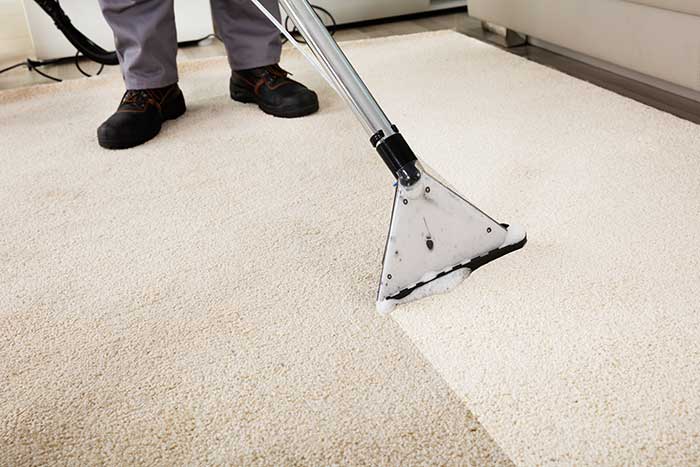
Keep existing damage, repeated soiling and a recent spill distinct in the brief. A mark near a lift may have a different history from a worn track in front of desks. Tell the team what is known about previous treatments and whether the floor can be reached around furniture. For planned commercial carpet cleaning in London, also explain the required access and when the area needs to be back in use. That may affect whether the work can be considered at the time you prefer. It is useful to describe a proposal for periodic work separately from regular vacuuming or other routine floor care.
Ask about the preparation and limitations that apply to the material and condition. A proposed treatment should not be taken as a promise to restore every worn area. Describe where a route has to remain available or where equipment access needs a building decision. That allows the carpet enquiry to be assessed as an operational task as well as a surface treatment, with its effect on the rest of the workplace understood.
Record the waste route from each room to the agreed handover point
A commercial building can have its own collection arrangements with specific routes and storage points. List the bins your office uses, the materials intended for them and where their contents go. Confirm who manages the next stage after the agreed handover point. A general phrase such as waste removal may leave that boundary uncertain. An area list and a short route description can show the difference between emptying office containers and providing a separate collection or disposal arrangement.
Keep confidential documents, unwanted electrical items and operational materials within their appropriate processes. Label containers so staff and cleaners can recognise their purpose. If an item has been left beside a bin, the business should provide instructions rather than expecting someone to judge whether it can be removed. Similarly, a clear out after an office move may produce volumes or items outside the usual arrangement. Describe those separately and ask the appropriate contact how they should be handled before the work is included.
Explain how access and temporary changes affect the route. A shared store may have an opening arrangement, and deliveries or other works can interrupt normal movement through the property. Give the person reviewing the visit a way to report what was unavailable and where the task ended. This helps staff understand why a routine changed on a particular day and whether an ongoing problem needs a new agreement. A useful scope gives a clear destination for the ordinary work and a responsible contact for exceptions.
Review changes using the same area list the proposal started with
An office cleaning scope should remain understandable when the premises changes. Use the original area list to explain what has happened. A new room has been occupied, the number of staff on one day has increased or a route is temporarily unavailable. Name the areas affected and distinguish temporary exceptions from ongoing changes. This gives the people managing the service something concrete to review. A general request to improve cleaning provides less useful information than a record that explains the difference between the previous and current working arrangements.
Keep day to day feedback factual. Name the room, agreed task and observation, and include timing or access details that may matter. If you use a photograph, avoid showing documents or personal information. Route the observation through the named contact so it can be checked against the scope. A missed task, a building fault and a request to add new work need different decisions. A brief record of the category and responsible contact can help the office team follow up without repeating instructions through several people.
If you manage other workplaces, use a consistent reporting format with individual scope information. See the guides for Ponders End, Bounds Green and Stroud Green. One business can coordinate enquiries through a shared contact while each office retains its own layout, materials and access details. The proposal can then be reviewed against the actual work at each address rather than being applied as an identical routine across premises with different uses.

Prepare the details for a Tottenham Hale office cleaning quote
Give the address, unit or floor, entrance and the main areas you want assessed. Add the occupation pattern, the proposed availability and any building instructions that affect access. Describe routine work and periodic requests separately. If you are moving in, explain the stage of the move and which areas are ready. If a current arrangement needs review, name the issue and where it occurs. These details allow the discussion to focus on the tasks and practical conditions rather than a broad description of the building.
Ask anyone who controls a shared facility to clarify its responsibility. A building contact may need to confirm reception, lift or bin store arrangements, while your office lead can describe the rooms and staff use. Record the questions that remain. The parent London office cleaning service page provides the wider overview, and the brief for Tottenham Hale should identify the particular premises and areas that need consideration. Keep access instructions appropriate to the stage of the enquiry.
Use the existing quote route or call the London number displayed here to contact Complete Clean Management. Explain the result you need and any preferred dates or building dependencies. The initial conversation can clarify what needs assessing and the details required for a practical proposal, including how the office routine will fit the use of your workplace and any shared arrangements around it.
Frequently asked questions about office cleaners in Tottenham Hale
What information is useful for an office near Tottenham Hale station?
Provide the full address, floor or unit and the entrance to use. Explain whether building reception controls access and how equipment would reach the office. Give the working pattern and areas you want assessed. If the proposed visit depends on a shared lift or access window, identify the building contact who can confirm the arrangement.
How can we request cleaning while a fit out is still being completed?
Explain what work is still taking place, which rooms are available and what materials or residues are present. Identify who will clear the area and confirm it is ready. Separate a pre-occupation request from the recurring office routine. The assessment can then consider the actual condition and preparation instead of assuming that a room is ready because it is currently empty.
What if a service lift is available only at certain times?
Record its availability and who can arrange access. Discuss the proposed sequence for the work and any equipment it requires. A recurring visit and a separate floor treatment may depend on different arrangements. Agree who reports a temporary exception and who can confirm an alternative route. The visit should be considered against the building’s actual access arrangements.
Can a cleaning scope cover shared desks with permanent docking equipment?
Describe the accessible surfaces and identify equipment that must remain in place. Ask staff to clear personal belongings and paperwork as agreed. Any equipment care needs a separate instruction, including relevant guidance. The scope can then define what is available for the recurring work while keeping device handling with the people responsible for it.
Should we include shared reception in the office cleaning request?
Describe the reception and confirm who controls it. The building manager may maintain it separately, or the office may have a defined private waiting space beyond it. Record the boundary and the relevant contact. The proposal should name the areas your business can arrange work in and describe any shared route it relies on.
How do we describe carpet work on a floor that remains occupied?
Identify the affected area, material if known and the use of the route or room. Explain furniture restrictions and when the space needs to be available again. A periodic treatment should be considered separately from routine floor care. Ask about preparation and the practical effect of the proposed work before agreeing a time.
Does a waste request include taking material away from the building?
Define the containers, materials and handover point in the enquiry. Taking agreed office waste to a building collection point is a distinct task from arranging collection beyond it. Confirm who manages the next stage and how unusual volumes or specialist items are handled. This gives the proposal a clear endpoint and keeps separate responsibilities visible.
Where can I discuss several Tottenham Hale and London offices together?
Use the existing contact page or call 0203 092 2297. Provide a separate brief for each building, including the access, areas and normal occupation. The office cleaners London page gives the wider service overview. The enquiry can be coordinated while the proposed work still reflects the practical requirements of each office.
Connect the proposed clean with the way the building operates
A clear office brief shows what the workplace needs and how the people attending can reach it. Bring together the room list, occupation and building arrangements. Identify the people who can confirm shared responsibilities and access. These details make it easier to discuss a scope that can be carried out in the available time.
Keep recurring tasks, periodic work and move related requirements visible as separate items. Explain any changes in use or access that affect the proposal. A short, accurate record will be useful after the first conversation as well as during it, because the team can refer back to the rooms and responsibilities that were discussed.
Contact Complete Clean Management to discuss office cleaning at your Tottenham Hale premises. Use the quote button or call the London number below. Share the practical details you have and identify anything still to be confirmed so the next conversation can focus on the appropriate scope for the workplace.
Clients we service
Organisations featured across Complete Clean Management’s client portfolio.
















GOOGLE CUSTOMER REVIEWS
What our customers say on Google
Selected review excerpts from Complete Clean Management’s London Google listing.
★★★★★
“Really happy with the deep clean! The team were friendly, professional and did a fantastic job.”
★★★★★
“We engaged with Complete Clean Management and they came in and did an absolutely fantastic job.”
★★★★★
“We have recently started to use Complete Clean Management for various cleaning services to our domestic and commercial renovation projects.”
★★★★★
“The team is punctual, professional, and pays great attention to detail.”
★★★★★
“We’ve been using this office cleaning service for several months, and it’s been outstanding.”
★★★★★
“Complete Clean Management has transformed the cleanliness of our workspace.”
Selected excerpts, checked 6 November 2026. Leave a Google review ↗