Complete Clean Management · North London
Office Cleaners Totteridge
Professional office cleaning tailored to your premises, working hours and priorities.
Request a free quote Call 0203 092 2297


Office cleaning for the particular workplace you occupy in Totteridge
Totteridge has a largely residential character, so an office cleaning enquiry here benefits from a precise description of the premises. If your workplace is reached from Totteridge Lane, is set back from the road or shares an entrance with another use, explain how the office itself is accessed. Give the full address and the room or building name the person attending should look for. A small professional office, a separately managed administrative room or a meeting space used on particular days can each need a different arrangement.
Complete Clean Management can discuss the commercial areas you want assessed. Begin with the parts of the property used for work, who controls them and what happens there during a typical week. Identify shared or private areas separately. Where business use and another use meet at a doorway or along a route, state the exact boundary. This allows the enquiry to focus on the agreed office space and the practical work it needs. Share sensitive entry details only through the agreed handover with the person responsible for access.
This guide is for people arranging cleaning for smaller or intermittently occupied workplaces. It explains how to decide what matters between working days, how to describe a discrete area in a shared property and what to include in a quotation request. The wider office cleaners London page explains the service across the capital. Start with the use and condition of your particular Totteridge office.
Write a brief for the days when the office is occupied
Part week use can make the condition of a room less predictable than a fixed daily routine. A meeting room may stand empty for several days, then have several appointments in one afternoon. A desk area may be quiet when the rest of the premises has activity. Sketch a normal week and mark the rooms people use, the times they can be reached and what needs to be ready when staff return. The proposal can then be discussed against the actual pattern instead of assigning a frequency from the total number of desks alone.
Consider what happens at the end of the final working day before a break in occupation. Staff may need to remove food, put documents away and identify an area that should remain undisturbed. Agree the preparation that would allow the proposed cleaning tasks to be carried out. If the office remains closed for several days, describe who can provide access and whether building facilities are available. A preferred visit time is useful only when the rooms, supplies and agreed routes can be reached then.
Leave room to revisit the brief once you have observed use. A new booking pattern or an additional person working in the suite may change the demand on the kitchen and washroom more than the desk area. Record what changed and name the rooms it affects. A short review of the actual week can establish whether the agreed routine still matches the premises, or whether a different task or access window needs consideration.

Describe a self contained work area inside a shared property
Where an office occupies only part of a property, the cleaning scope should begin and end at an identifiable point. Draw the route to the office on a simple plan and note which doors, landings and facilities are managed by the business. Ask the responsible property contact about areas that remain uncertain. A shared entrance may be needed for access without belonging to the office routine. A small lobby or mat inside the office may have a different owner from the landing outside it. Give each of those areas a clear description.
Explain who can authorise access and who handles a temporary problem. If another party controls a shared door, describe the proposed visit to that person and confirm the route. Identify the permitted way to reach water, power, storage and any agreed waste point. These details can matter even for a small office. A room that appears straightforward may need a different arrangement if essential facilities are unavailable outside ordinary hours or if equipment cannot be brought in by the same route staff use.
The written brief should help someone unfamiliar with the building recognise the work and its boundaries. Name the rooms, list the included tasks and identify any area that belongs to another arrangement. Avoid relying on a verbal description such as upstairs or around the back when there is more than one possible route. A brief that distinguishes the cleaning area from the access route gives the business a practical reference when colleagues change or when a visit needs to be reviewed.
Assess the approach and entrance after wet weather
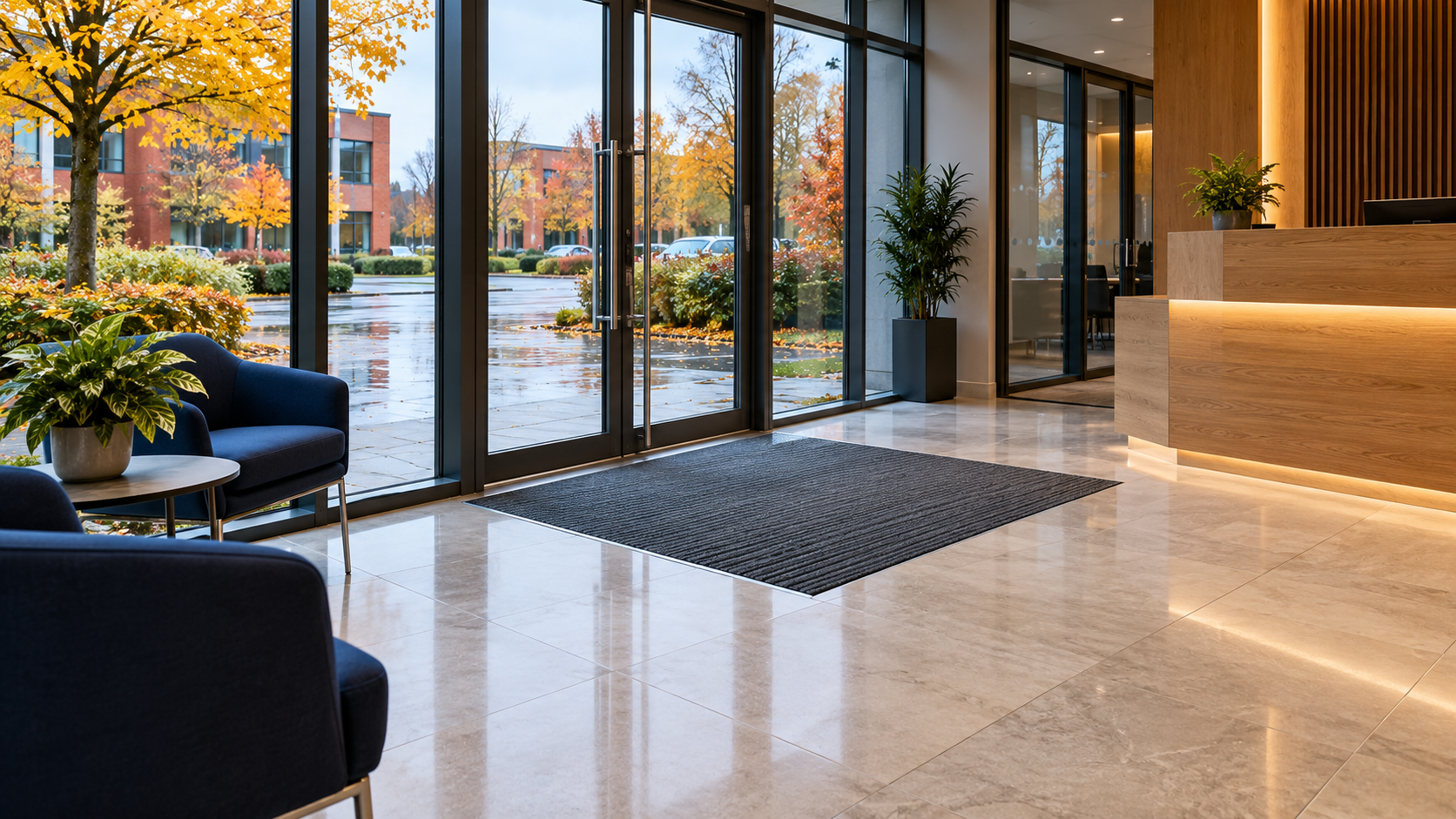
If an office is reached by a drive, path or secondary entrance, observe where people carry moisture and soil into the work area. The condition just inside the door can differ from the condition around the desks, particularly when people use the same short route repeatedly. Include the mat and the surface it meets in the description. A photograph or note taken at a relevant time can help explain the issue. Give enough context to distinguish a regular traffic pattern from an isolated incident or an underlying problem with the building.
Record the materials where known and note any existing defects. A stained carpet tile, a damaged threshold and a wet mat have different practical implications. A recurring damp area or loose fitting should go to the person responsible for the property. Explain the accessible area you want considered for cleaning and any restriction on using the route during the work. If staff or visitors depend on the same doorway, timing and access should form part of the discussion about the proposed tasks.
Check how the entrance is used on days when visitors attend. A small waiting area can receive more traffic than the workroom, even when it is only a few steps away. Describe accessible glass, furniture and flooring separately, and identify any display or delivery items that must stay in position. Staff can help by keeping the agreed route clear and reporting a problem at the time it appears. The cleaning specification can then focus on the work that is possible within the areas and responsibilities agreed for the office.
Prepare a desk for cleaning without interrupting the next working day
A small office can have desks that are used by different people or by the same person only on certain days. Agree how the accessible work surface is left and where active papers belong between sessions. A document may need to remain available even if the room will be empty for a few days. Give staff an instruction for putting papers and personal belongings away and identifying any area that must remain untouched. This makes the proposed cleaning task clear without requiring a cleaner to interpret the work left behind.
Electronic equipment and connected devices need separate consideration. Identify what is outside the routine, what may be touched and who can provide care instructions where a task is wanted. Screens, chargers and cables can be part of a deliberate setup for the next visit to the office. A general desk instruction should not create an expectation that a device will be moved, disconnected or operated. Staff can make the agreed surfaces available and keep technical decisions with the people who understand the equipment.
Describe the areas near and beneath the desk. A partition edge, chair base or accessible storage top may benefit from attention at a different frequency from the main surface. Identify floor areas that are obstructed by boxes, cabling or fixed furniture. Explain what staff can prepare and what must stay in place. The specification should connect the work to the part of the room that can actually be reached. When a room is unexpectedly occupied, agree how that exception should be recorded and who can discuss a different arrangement.
Agree what happens to a kitchen between working days
A kitchenette that is used only on certain days needs an agreed end of day handover. Ask staff to put away food, clear accessible surfaces and leave used crockery in the agreed place. Discuss which items the recurring cleaning work should cover, including the sink, worktops, external cupboard surfaces and floor. A crowded sink can prevent access to the fixture even when the office has emptied. Agree who handles the contents so an intended cleaning task is not blocked by a responsibility nobody has accepted.
Separate appliance work from ordinary surfaces. If you want a fridge interior or microwave task considered, describe the appliance, the proposed preparation and any restrictions on its use. Staff or a responsible colleague should decide what happens to food and containers. Confirm whether any equipment can be switched off and how it should be left. Where a machine has specific care instructions, make them available for the discussion. A separate description lets that work be considered on its own schedule and with the preparation it needs.
Include bin arrangements in the handover. A kitchen bin can need attention after a meeting even when the office is about to close for several days. Record which bins form part of the agreed routine and where their contents should go. Confirm the responsible party for any shared collection point and who supplies liners. If the room is also used by another group, agree how unusual use or extra waste is reported. That makes the scope more dependable than assuming every week will produce the same level of work.
Keep washroom use, supplies and repairs in separate records
A small office may share a washroom with other people or may have a private facility within the agreed suite. Confirm the position before requesting a proposal. Name each room and describe its typical use and availability. Where the office has responsibility, list the fixtures, accessible surfaces, mirrors and flooring you want assessed. Where a building arrangement covers the room, record the responsible contact. This makes it possible to direct requests and feedback to the right person even when the workplace is only occupied part of the week.
Identify the consumables and dispenser types separately. A business may buy its own stock and want to discuss replenishment, or it may need to ask about a separate supply arrangement. State who holds spare stock and how a shortage will be reported. Our washroom services information can support a discussion about additional needs. The proposal should make clear which tasks and supplies would be included for the particular facilities you control, rather than relying on a general description of washroom care.
A maintenance record helps where a fault persists. Note the location of a leaking fitting, failed dispenser or damaged surface, and agree the person who should receive the report. A small defect may stay visible between visits even though the agreed work has been carried out. Keep that observation separate from feedback about the cleaning task. The person responsible for the building can then decide how to respond, and the office manager can review the service against its agreed scope.
Decide what a periodic floor task would need before booking it
A recurring floor routine can be discussed using the accessible area, material and normal use. More detailed work may require additional information. Identify what the surface is made from, any known previous treatment and the particular condition that prompted the request. Carpet tiles, a fitted carpet and a hard floor transition can need different consideration. Tell the team about repairs or damage and explain what you hope the proposed work can address. This allows the discussion to distinguish soil from wear or a maintenance issue.
For commercial carpet cleaning in London, describe the affected areas and the access available. Explain whether furniture can be moved and who will prepare the space. If the carpeted room is your only meeting area, include the period when it needs to be ready again. A small premises can be harder to sequence when one route or room must remain available. Ask how the proposed preparation and return to use would fit the office’s actual working pattern before arranging the task.
Record the result of the assessment in terms you can review later. Name the area, the agreed work and any relevant limitations. A planned carpet task should not imply that every mark will be removed or every worn surface restored. Keep the periodic arrangement separate from the routine so it can be reviewed and prepared for when needed. This is especially useful where the office has periods of limited occupation and can arrange a suitable window only after checking access with another person.
Coordinate an appointment room with the people who use it
An office used for meetings by appointment may have a room that is empty most of the time yet important to the people arriving to use it. Explain the required handover and which surfaces are accessible. A table may hold material for the next visitor, and a shelf may contain equipment or documents that should remain in place. Ask staff to prepare the area after each booking so that the recurring clean can address the agreed surfaces without disrupting the next appointment. A clear preparation rule is more useful than relying on somebody to interpret the room’s contents.
Distinguish between a room reset and the cleaning visit. The colleague responsible for a meeting can remove cups, secure papers and restore the layout between bookings. The cleaning proposal can then specify surfaces, seating, floors and other accessible items at an agreed time. Connected equipment and specialist materials need separate instructions. If writing on a board must be retained, give staff a consistent way to indicate that. The business should keep decisions about confidential documents and client information within its own process.
Describe the availability of the room without sharing details that are unnecessary. A calendar entry showing when a room is in use may be enough. Agree who reports a late booking or a room closure and what the proposed visit should do if the area cannot be reached. That information makes it possible to review an access exception without confusing it with an omitted task. The arrangement should reflect the actual appointment pattern and the responsibilities of the people who prepare the room.
Make feedback useful when colleagues visit on different days
The person who notices a concern may not be the person who arranged the service. Give staff a simple reporting instruction that names the area, the agreed task and what was observed. Include when the room was last used or whether the area was unavailable during the visit if that information is known. This helps the nominated contact compare the observation with the scope. A short description can be more useful than several conflicting messages about the general condition of the office.
Keep the requested next action clear. A missing task within the agreement can be raised with the cleaning contact. A fault in a shared door or a damaged fitting may need a property decision. Adding a room or changing the availability of the building calls for a scope discussion. Record those as different matters. This gives colleagues a way to raise an issue without implying that a permanent change can be made informally during a visit. It also helps when a person returning after several days needs to understand what has already been reported.
You can coordinate feedback across more than one workplace. The location guides for North Finchley, Barnet and Oakwood consider different workplace layouts and responsibilities. Keep the premises name on each observation and record any differences in access or use. A shared reporting format can make enquiries easier to manage while keeping each office’s scope specific to its own requirements.
Compare the practical details behind a cleaning proposal
Ask the providers you are considering to respond to the same area list and working pattern. Check which tasks are included, when access is assumed and how supplies and periodic work are described. Two proposals can cover different responsibilities even if they use the same broad service label. A figure is more useful when you can see what it covers. Identify any task that depends on a separate property arrangement so it does not become an implied part of the office routine.
Give particular attention to how the proposed visit would begin and end. For an office that is sometimes empty, identify who makes access available and who can respond to a problem. Confirm the agreed facilities and waste route. If an occasional task needs extra preparation, discuss who will carry it out and whether it needs a separate arrangement. These points affect the practical work even when the premises is small. Our commercial cleaners London page can help frame a wider enquiry where another commercial area needs consideration alongside the office.
Make sure the brief can be reviewed as the workplace changes. An extra appointment day, different team attendance or a new room can affect the tasks. A clear current description helps the business explain what has changed and gives the proposed revision a defined starting point. Keep existing issues separate from new requests. That way a service review can address the current work and a quotation discussion can consider the additional requirements on their own terms.

Share the details needed for a Totteridge office cleaning enquiry
Start with the full premises address, the appropriate entrance and the rooms you want considered. Add the working days, any preferred visit window and the people who control access. Describe the main priorities, periodic tasks and any existing concern. You can flag questions about shared facilities or materials without delaying the enquiry. Where the property has several uses, make the work boundary clear so the proposed scope can be assessed against the areas your business controls.
Include any particular date as context for the discussion. An office move, a change of staff attendance or a new access arrangement can affect when the work is possible. Explain what is already agreed and what still depends on another person. The wider London office cleaning service page provides the overview for businesses with other premises. Give each address its own brief so the work can be considered with the correct rooms, access and responsibilities.
Use the quote button or call Complete Clean Management on the London number shown here. Explain what the office needs to be ready for and how often people use the different areas. An initial conversation can identify the information needed for assessment and help clarify the responsibilities that will affect a proposed cleaning schedule for your Totteridge workplace.
Frequently asked questions about office cleaners in Totteridge
How do I identify a Totteridge office that is set back from the road?
Give the full address, the premises or room name and a short description of the permitted approach. Explain if a gate, shared door or another occupier controls access. Identify the person who can confirm the route and keep sensitive entry details for the agreed handover. A clear description helps a proposed visit account for the approach as well as the room itself.
Can I discuss cleaning for a workplace that opens only on certain days?
Explain the normal occupation pattern and what needs to be ready on the next working day. Note whether shared rooms remain in use when the office is empty and who can provide access. A proposed frequency can then be considered using the actual work and availability. Review the brief once you know how a new attendance pattern affects the rooms.
What should staff do before leaving a kitchenette unused for several days?
Agree who removes food and used crockery, how accessible surfaces are left and where waste goes. Make any requested appliance interior work a separate task with clear preparation. The proposed cleaning visit can address the included surfaces and fixtures once they are accessible. A simple staff handover helps the routine reflect what happens between occupied days.
Can a proposal cover only the office area in a shared property?
Describe the private office, the access route and any other facility you want considered. Confirm responsibility for shared areas with the property contact. Record the exact boundary so the route to the office does not automatically become part of the work. The scope can then name the areas and tasks your business is entitled to arrange.
How should I describe a marked threshold after wet weather?
Explain the affected material, where the soil or moisture appears and whether it follows a regular route. Include any known damage or building concern and identify the responsible contact. A photograph can help show the location. The assessment should consider condition and access alongside the proposed cleaning work, with any repair kept as a separate matter.
How do we arrange work in the only appointment room we have?
Give the availability of the room and the time it needs to be ready again. Identify the surfaces staff can prepare and the equipment or documents that must stay in place. Periodic tasks should be discussed separately if they affect the room’s use. Agree how a late booking or access exception will be reported through the nominated contact.
What information helps when staff report an issue on different days?
Ask them to name the premises, room, task and time of the observation. Include any relevant use after the visit or access restriction. Send the information through the agreed contact so it can be checked against the scope. Keep maintenance concerns and requests for extra work separate from feedback about tasks that are already agreed.
Where can I request a quotation for office cleaning in Totteridge?
Use the existing contact page or call 0203 092 2297. Share the address, work areas, occupation pattern and access outline. State the important tasks and any uncertainty about shared spaces or materials. The office cleaners London page explains the wider service. An initial discussion can establish what needs assessing for your premises.
Make the cleaning discussion specific to your workplace
A small office can work well with a simple brief when the information in it is precise. Include the route, the rooms, their availability and the tasks you want considered. Clarify who manages the shared areas and how staff will leave work surfaces, meeting rooms and the kitchen for the agreed visit.
Keep building decisions, routine work and periodic tasks visible as separate items. That allows the person assessing the premises to consider the appropriate information for each requirement. If the workplace changes, update the relevant detail so the agreed routine can be reviewed against the new pattern of use.
Complete Clean Management can discuss your Totteridge office cleaning requirements through the existing quote route or London telephone number. Share the practical details you know and identify the questions that still need an answer. The next conversation can then focus on a suitable scope for the particular office and its working arrangements.
Clients we service
Organisations featured across Complete Clean Management’s client portfolio.
















GOOGLE CUSTOMER REVIEWS
What our customers say on Google
Selected review excerpts from Complete Clean Management’s London Google listing.
★★★★★
“Really happy with the deep clean! The team were friendly, professional and did a fantastic job.”
★★★★★
“We engaged with Complete Clean Management and they came in and did an absolutely fantastic job.”
★★★★★
“We have recently started to use Complete Clean Management for various cleaning services to our domestic and commercial renovation projects.”
★★★★★
“The team is punctual, professional, and pays great attention to detail.”
★★★★★
“We’ve been using this office cleaning service for several months, and it’s been outstanding.”
★★★★★
“Complete Clean Management has transformed the cleanliness of our workspace.”
Selected excerpts, checked 6 November 2026. Leave a Google review ↗