Complete Clean Management · North London
Office Cleaners Oakwood
Professional office cleaning tailored to your premises, working hours and priorities.
Request a free quote Call 0203 092 2297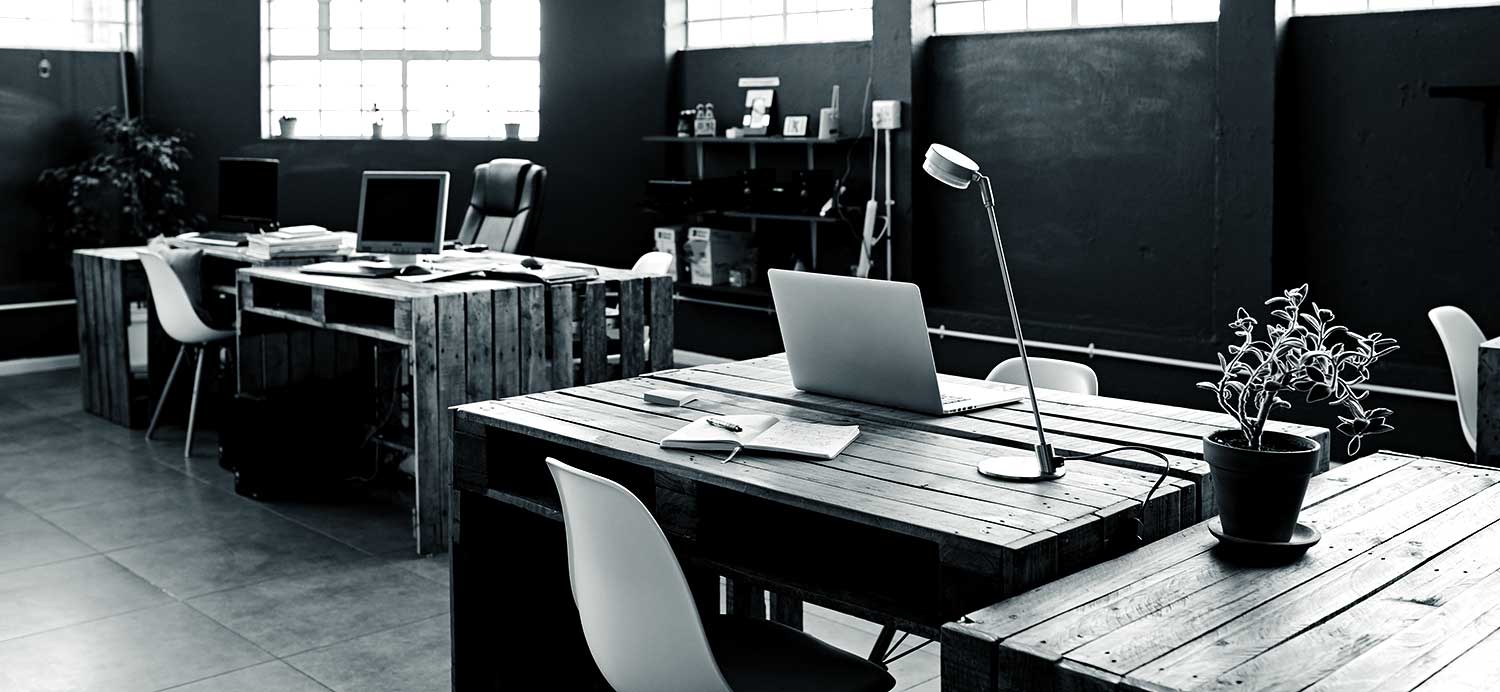

Office cleaning in Oakwood with a clear purpose for every area
An office cleaning plan is most useful when it describes how a workplace needs to function, not simply how many rooms it contains. For an Oakwood business, the priority might be a reliable daily reset, better attention to shared facilities or a clearer distinction between routine cleaning and occasional detailed work. Complete Clean Management can discuss those priorities with you and consider the premises before a scope is agreed. Your enquiry should explain the spaces you control, the people using them and the practical constraints that a proposed service would need to accommodate.
Think about the points in the working week when the building is under the most pressure. Staff attendance, visitor appointments and the use of kitchens can vary independently. A quiet desk area does not necessarily mean that the washrooms or meeting room are quiet too. Describing these differences gives a cleaning discussion more substance than a general instruction to keep the office tidy. It also helps identify which areas need regular attention and which tasks would be better planned separately.
This guide sets out practical decisions for an Oakwood office cleaning enquiry, from the initial walkthrough to the review of a working specification. For the wider service overview, visit our office cleaners London page. The individual building should remain the starting point for any proposal, even where your organisation also manages premises elsewhere in London.
Start the walkthrough at the place your responsibility begins
Before listing tasks, establish the boundary of the service. Your business might occupy a whole building, a private floor or a suite reached through facilities managed by someone else. Mark the rooms and routes you control, then check uncertain areas with the landlord or building contact. A shared staircase, front lobby or communal washroom should not be included or excluded on assumption. Recording the answer creates a useful foundation for the proposed office schedule and prevents small gaps between responsibilities being overlooked.
Walk the route a member of staff takes from entry to workstation. Include a secondary entrance if it is used regularly, and note where deliveries, equipment or waste pass through. These movements can explain soil patterns that are not obvious from a room measurement. The aim is to identify use and access, rather than prescribe a technical method without knowing the materials. Photographs or a simple marked plan can help describe an awkward threshold or a separate room, provided confidential information is kept out of them.
End the walkthrough with a list of questions still to resolve. Perhaps the managing agent controls a cleaner’s store, or an internal colleague knows the finish on a floor. Label those uncertainties instead of filling the gaps with guesses. A proposal becomes easier to assess when its assumptions are visible and the people responsible for answering each question are identified.

Build a weekly rhythm around occupation rather than guesswork
An office can have several overlapping rhythms. Some employees may attend every day, others on particular days, while appointments or meetings create separate peaks. Describe the pattern in ordinary terms when requesting a quotation. A weekly attendance outline and a note of the areas that stay active can be enough to begin. The purpose is to give a realistic picture of use, so a proposed frequency can be discussed against the tasks instead of being selected from the total number of employees alone.
Distinguish the condition staff need at the start of a working period from what changes during that period. A scheduled clean can prepare accessible surfaces, but later spills, meals and meetings will alter the room. Decide what your own team will do between visits, including reporting problems and putting used items in the right place. This handover helps the routine work without implying that one scheduled visit provides continuous attention throughout the day.
Leave a route for review if the attendance pattern is still developing. A trial arrangement may turn out differently from the original estimate, and the cleaning brief should be revisited when actual use becomes clearer. Explain what has changed and which rooms are affected. That gives both parties a concrete basis for considering an adjustment to the scope, rather than expecting the original routine to accommodate every change without discussion.
Give desk cleaning a workable preparation rule
Workstations are easier to include in a cleaning routine when the accessible surfaces are clear. Ask staff to agree what they will put away and which items must remain in position. A shared desk may have a different end of day arrangement from a permanent workstation, so describe both where relevant. The aim is a practical preparation rule that staff can follow consistently, not an instruction that leaves cleaners to interpret the contents of every desk before they can begin the agreed task.
Paperwork requires particular clarity. Active files, confidential documents and handwritten notes should follow your internal handling process. An item placed near a bin is not a dependable signal that it may be discarded. Similarly, equipment needs its own instructions. Screens, keyboards and connected devices may have specific care guidance, and disconnecting or operating them should not be inferred from a broad request to clean the working area. Your IT contact can help clarify the boundaries before any equipment task is proposed.
Consider the accessible spaces around the desk as separate items. Chair bases, storage tops, partitions and under desk flooring can accumulate soil even when the main desktop looks presentable. Identify obstructions and distinguish recurring tasks from periodic detail work. This gives the specification a more accurate description of the area and makes it easier to explain why staff preparation matters to the proposed cleaning routine.
Make kitchen expectations visible before they become a problem
A compact office kitchen can have a busy sink, a frequently used worktop and a collection of appliances with different care requirements. List these elements individually. Cleaning the sink is not the same as washing staff crockery, and an external appliance wipe is not the same as cleaning inside it. Agree the preparation that makes each task possible. Where used dishes regularly cover the sink or worktop, the office team needs a clear process for dealing with them before the agreed surfaces can be reached.
Internal fridge cleaning deserves an explicit arrangement. Someone in the business should decide what happens to food and containers, whether removable parts can be taken out and when the appliance will be available. The cleaner should not be expected to judge which employee’s lunch can be discarded. Apply the same principle to microwaves and other equipment. Any restriction on switching something off should be known before the task is included in a proposal.
The room’s waste and supply arrangements matter too. Identify the containers used, the destination under the building’s collection arrangements and who provides liners or consumables. A staff event or unusually busy day may create a different volume from normal. Decide how that change will be reported and discussed. A kitchen specification is more dependable when it describes the work and the preparation, rather than relying on a general expectation that every issue in the room belongs to the cleaning visit.
Separate washroom cleaning from supply and maintenance decisions
Begin with the facilities your organisation is responsible for. Private washrooms and shared building facilities can sit under different arrangements, even when employees use both. Confirm the boundary with the relevant contact and identify which fixtures and surfaces you want considered. A clear area list is more useful than assuming that a proposal for the office automatically includes every toilet or basin within the property. It also avoids duplicating a communal service managed by someone else.
For included areas, discuss fixtures, accessible touchpoints, mirrors, ledges and flooring. Then address replenishment and other servicing separately. Identify dispenser types and establish who orders and supplies their contents. Checking whether an item needs replenishing does not automatically describe a complete supply arrangement. Our washroom services page can support a conversation about additional requirements, but the particular inclusions for your premises should be clear in the proposal.
A washroom also needs a reporting route for faults. A damaged fitting, a leaking tap or a dispenser that fails repeatedly may need maintenance rather than more cleaning. Nominate the person who receives these observations and explain the building’s procedure for urgent issues. The cleaning record can describe what was noticed without blurring the line between the agreed task and a repair decision that belongs to the responsible building contact.
Match entrance and floor care to the material in front of you
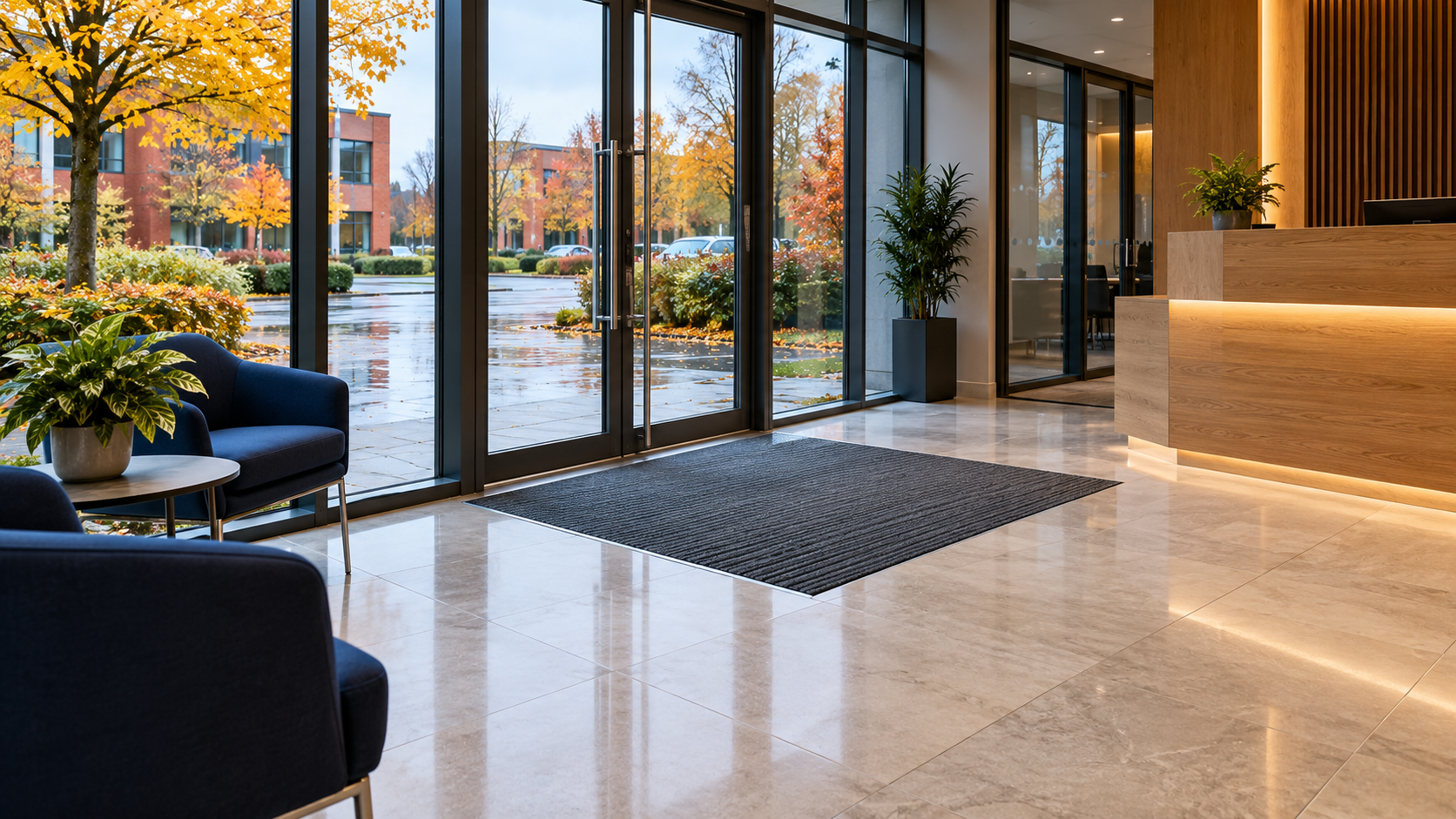
The first few metres inside an office often receive a different kind of use from the desk area. Include entrance matting and the adjacent floor in the assessment, along with any staff entrance that carries its own soil pattern. Note wet weather effects, recurring debris and existing damage so they can be considered in context. A cleaning schedule can address agreed tasks, while the cause of a persistent building defect may need a separate response from the person responsible for maintenance.
Record floor materials where known and flag uncertainty where they are not. Carpet, resilient flooring and other finishes should not be treated as interchangeable because they share a similar colour. The proposed method should take the material and condition into account. Also identify loose edges, damaged areas or restrictions on moving furniture. These details help distinguish accessible routine work from work that needs preparation, a separate assessment or a repair outside the cleaning scope.
Think about movement through the area during a visit. A corridor may be the only route to occupied rooms, and a kitchenette floor may remain in use after the rest of the office becomes quiet. Describe these constraints when discussing timing. A practical plan considers both the surface being cleaned and how people can use the building around the proposed work, rather than assuming that every room will be empty and every route available.
Plan carpet treatments without confusing them with routine vacuuming
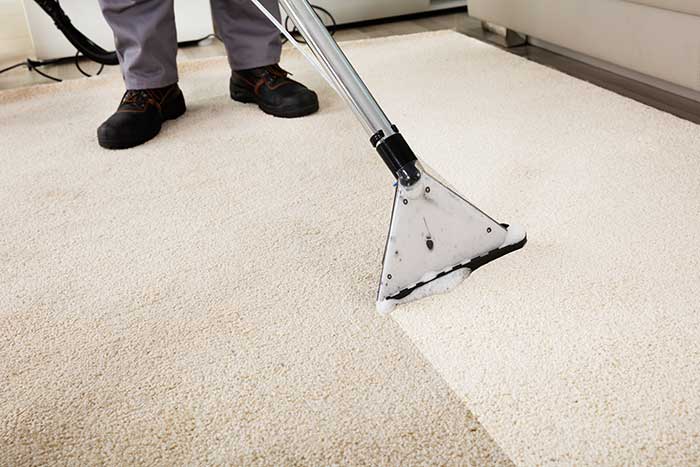
Routine carpet care and a more detailed treatment serve different purposes. A recurring visit may address accessible surface soil, while a periodic task can require furniture preparation, additional access and time before normal use resumes. Describe the requirement separately so it can be assessed on its own merits. A vague request for a deep clean does not explain the material, the affected area or what the business expects the treatment to achieve.
If you are considering commercial carpet cleaning in London, provide the known carpet type, the location of marks and any information about their cause or previous treatment. Explain what furniture may be moved and which rooms or routes must remain available. A photograph can help illustrate the issue but does not establish that every stain can be removed. The assessment should keep expectations tied to the condition and material rather than a general promise about all carpets.
Ask what preparation would be required and how reoccupation would be managed before settling on an arrangement. If the carpeted space is essential to reach another room, say so early. Keep the proposed periodic work visible in the records alongside its scope and preparation instructions. This makes future planning easier and avoids assuming that a substantial additional task can simply be absorbed into the time allocated for a routine office visit.
Keep meeting rooms ready through clear handovers
A meeting room can change condition several times between scheduled visits. Decide what staff will do after a booking and what belongs in the cleaning specification. Used crockery, presentation materials and confidential notes should have a defined destination. A scheduled clean is not automatically a room reset between every meeting, so the division of responsibility needs to be understood. A simple instruction at the point of use can help staff leave the room in a condition that supports the agreed routine.
Describe accessible tables, seating, flooring and any other included surfaces separately from equipment. Displays, conferencing devices and charging leads may need particular guidance. Whiteboards are another common source of uncertainty: writing that looks old may still be needed. Staff should make retention instructions clear rather than asking someone unfamiliar with the meeting to decide what can be erased. The same care applies to sample products or visitor paperwork left on the table.
Consider the waiting or reception area alongside the room behind it. An accessible counter and entrance glass may have different needs from an upholstered chair or a carpeted floor. Where a material needs attention beyond routine work, explain the issue and request an appropriate assessment. A good visitor space plan combines an agreed cleaning scope with sensible staff handovers, rather than relying on one visit to maintain an unchanged condition throughout later use.
Use a precise waste route instead of an open ended instruction
Waste arrangements should explain where the cleaning task ends. Identify the containers inside the office, the route to the agreed collection point and who manages the next stage. If the building has a shared waste area, check access rules and where bags may be placed. The phrase waste removal can be interpreted in different ways, so a proposal should describe the movement actually required. This gives the business and provider a common reference when reviewing the task.
Confidential documents and specialist items need separate processes. A locked document console is not an ordinary recycling bin, and unwanted electrical equipment should not be treated as routine office rubbish without an appropriate arrangement. Staff should know which containers to use and what must remain untouched. Do not leave unidentified material for a cleaner to classify. Clear labels and consistent instructions support the cleaning routine while keeping internal disposal decisions with the organisation.
Capacity also deserves attention. Packaging from deliveries, food from a meeting or an office clear out can produce more than the usual arrangement allows. Explain such changes and agree how additional requirements should be discussed. A recurring scope should reflect ordinary use, while exceptional volumes or unusual waste are made visible before a visit. That approach is more practical than assuming the same time, containers and collection route will accommodate every event occurring in the workplace.
Compare proposals using the same information and responsibilities
A quotation is easier to assess when it responds to a defined brief. Give each provider the same area list, requested tasks, occupation pattern and access information. Identify any periodic work separately and state which supplies or responsibilities remain with the business. Without those details, two figures may describe different services. One may include a particular washroom arrangement while another covers cleaning only, or one may allow for accessible detail work that the other has not been asked to consider.
Ask for broad labels to be explained. Full cleaning, regular cleaning and deep cleaning do not identify an identical set of tasks in every proposal. A useful scope names areas and work clearly enough for someone who was not present at the original conversation to understand it. Our commercial cleaners London information may be relevant where your premises contain areas beyond a conventional office, but those spaces still need an individual description and assessment.
Consider how changes will be handled. Additional rooms, different attendance or a new visitor pattern can alter the workload even when the business address stays the same. A record of the original scope gives future discussions a starting point. Any revised requirement should be made explicit instead of quietly becoming an assumption that all additional work can fit within the same arrangement without considering access, time or materials.

Arrange an Oakwood enquiry with practical details to hand
Prepare the full premises address, the areas you control and the main priorities you want discussed. Add preferred contact times and the hours when the workplace is occupied. If an existing issue prompted the enquiry, identify the room and the problem. A repeated access obstacle, unclear waste boundary or missing periodic task is more useful information than a broad request for better results. Unknown details can be marked for clarification rather than guessed before the first conversation.
Organisations with nearby workplaces can also refer to our guides for Cockfosters, New Southgate and Barnet. Provide a separate brief for each building if you want to discuss them together. Different facilities, materials and access arrangements can justify different routines even under one business operation. The parent London office cleaning service page gives the wider overview.
Use the quote button to reach the existing contact page or call the London number displayed here. Explain any preferred start date as part of the enquiry so it can be considered with the scope and access requirements. A useful next step establishes what needs assessing and which questions remain, allowing a proposal for the actual Oakwood workplace to be discussed on a clear basis.
Frequently asked questions about office cleaners in Oakwood
How much information is needed for an Oakwood office cleaning enquiry?
Start with the full address, a brief description of the rooms, the days people attend and the main tasks you want considered. Include access restrictions and identify shared facilities separately. You do not need every technical detail before contacting the team. Mark unknown materials or responsibilities as questions so they can be clarified, rather than allowing an assumption to become part of the proposed scope.
Can our office brief exclude communal facilities managed by the landlord?
Identify them explicitly and confirm the arrangement with the building contact. A private office scope can then describe the areas your business controls without suggesting that every shared facility is included. The boundary matters for small lobbies, stairs and thresholds as well as large rooms. Recording what is separately managed helps avoid both duplicated work and an area being left without an agreed responsible party.
What happens when a desk cannot be cleared completely?
Explain which surfaces remain accessible and identify the items that must not be moved. A realistic preparation rule can be developed around the work, rather than expecting a cleaner to classify paperwork or rearrange equipment. Staff should handle confidential documents through the business’s internal process. Any equipment cleaning request needs its own instructions, including relevant IT and manufacturer guidance, before it is treated as part of the agreed routine.
Should internal fridge cleaning be requested separately?
Yes, describe the task and its preparation. The business should decide what happens to food, containers and removable parts, and identify any restriction on switching the appliance off. An ordinary kitchen clean should not leave those decisions implied. The proposal can distinguish external surfaces from internal appliance work and state the frequency or separate arrangement being considered, with the required access understood.
How can we prepare for periodic carpet work?
Provide the known material, affected areas and any information about previous treatment. Explain whether furniture can be moved and whether the carpet is on an essential route through the office. Ask about preparation and reoccupation before agreeing an arrangement. The proposed approach and likely limitations should relate to the actual carpet and issue, rather than a general assumption that every mark can be removed.
Can a meeting that runs late affect the visit?
It can affect access to a room or change the intended sequence. Agree how an unavailable area should be recorded and who receives the information. Any alternative arrangement needs discussion rather than assumption. This keeps an access exception distinct from an agreed task that was available but overlooked, making later feedback clearer and giving the responsible contact useful information about what happened.
How should staff report a cleaning concern?
Identify the area, surface and agreed task, then note when the issue was observed. Include any relevant access restriction or use after the visit. A nominated office contact can coordinate feedback and prevent conflicting instructions from several employees. Keep a concern about existing work separate from a request to add tasks, so a proposed change receives the consideration it needs.
Where can we discuss Oakwood alongside another London office?
Use the existing contact page or call 0203 092 2297 with information for each premises. Separate area lists and access details remain useful even where you want coordinated communication. Our office cleaners London page provides the wider overview. Individual scopes should reflect differences in facilities and occupation instead of assuming that the same routine automatically suits every building.
A clear starting point for your Oakwood cleaning plan
A useful enquiry brings together information held by the people who know the workplace. The office manager may understand daily use, a colleague may know the equipment requirements and the landlord may control shared access. Combining those details makes the initial discussion more productive without requiring a complicated document.
List the priorities, identify uncertain responsibilities and distinguish routine tasks from additional work. A preferred date or changing attendance pattern is useful context, but the proposed scope still needs to describe the rooms and the work involved. That clarity gives future reviews a practical reference when the workplace develops.
Contact Complete Clean Management to discuss your Oakwood premises through the quote route or London telephone number below. Explain the areas, the result you want and the practical constraints. The next step can then focus on the information needed to assess a cleaning proposal for your particular office.
Clients we service
Organisations featured across Complete Clean Management’s client portfolio.
















GOOGLE CUSTOMER REVIEWS
What our customers say on Google
Selected review excerpts from Complete Clean Management’s London Google listing.
★★★★★
“Really happy with the deep clean! The team were friendly, professional and did a fantastic job.”
★★★★★
“We engaged with Complete Clean Management and they came in and did an absolutely fantastic job.”
★★★★★
“We have recently started to use Complete Clean Management for various cleaning services to our domestic and commercial renovation projects.”
★★★★★
“The team is punctual, professional, and pays great attention to detail.”
★★★★★
“We’ve been using this office cleaning service for several months, and it’s been outstanding.”
★★★★★
“Complete Clean Management has transformed the cleanliness of our workspace.”
Selected excerpts, checked 6 November 2026. Leave a Google review ↗