
Complete Clean Management · South West London
Office Cleaners Wallington
Professional office cleaning tailored to your premises, working hours and priorities.
Request a free quote Call 0203 092 2297

Plan office cleaning around the people who use each room
A Wallington office with one meeting room may use it for interviews, training, team lunches and client appointments in the same week. The number of rooms tells a prospective cleaner very little unless it is paired with a description of how each space is used. Start by giving the room names your staff use and identify what has to be ready before the next activity. A cleared table before an interview is a different outcome from a kitchen ready for staff to make lunch. Those outcomes are a useful basis for discussing the work with Complete Clean Management.
If your premises are reached from Woodcote Road or a neighbouring street, tell us how visitors enter and whether contractors use a different route. A workplace above a retail unit may share a stair with another occupier. A ground floor suite could open directly onto a public route but have a waste store behind the building. Explain where a contractor can sign in, how equipment reaches the workroom and which common areas already have a landlord’s service. If you are comparing requirements across several addresses, the London office cleaning guide gives a place to start before preparing individual specifications.
Name an office contact who can describe a normal day and tell us which rooms are hardest to fit into the timetable. Consider the busiest day and the shortest available period after people leave. If those are unusual events, note how often they occur so they can be discussed separately. The aim is a practical cleaning brief that someone can use to plan a visit, understand which areas are in scope and identify what still needs agreement.
Describe the access route beyond the postal address
The right address does not always take a contractor to the correct entrance. Include the floor and suite name, a description of the door and the point at which staff can admit someone. If access crosses a shared corridor or passes behind another occupier, ask who controls the route and whether equipment can be brought through. Let the quoting team know if a lift or stair has a tight turn, if one of the doors locks early or if a reception desk is staffed only during part of the day. Explain who can resolve an access problem without giving any alarm codes or credentials in an initial enquiry.
Sutton Council’s surface car park information includes Wallington locations and can help when checking an approach to the area. Separately confirm the signed restrictions and any arrangements for unloading at your building. Public parking information does not tell a contractor where the building permits equipment to be brought in. Mark an authorised unloading point if one exists, or describe the pedestrian route and the distance to the office. Add a note if the building has a booking process or the available route changes between staffed and unstaffed hours.
For a routine visit, state where equipment and supplies can stay and whether they have to be carried away each time. Point out a usable water point and any door that needs a second person to open. Larger equipment for occasional work may need a separate plan. Confirm that it can reach the floor and that the room can be made available for long enough. Record the fallback if an ordinary route is unavailable, including who decides whether a visit can start later or should be rearranged.

Separate the public reception from staff work areas
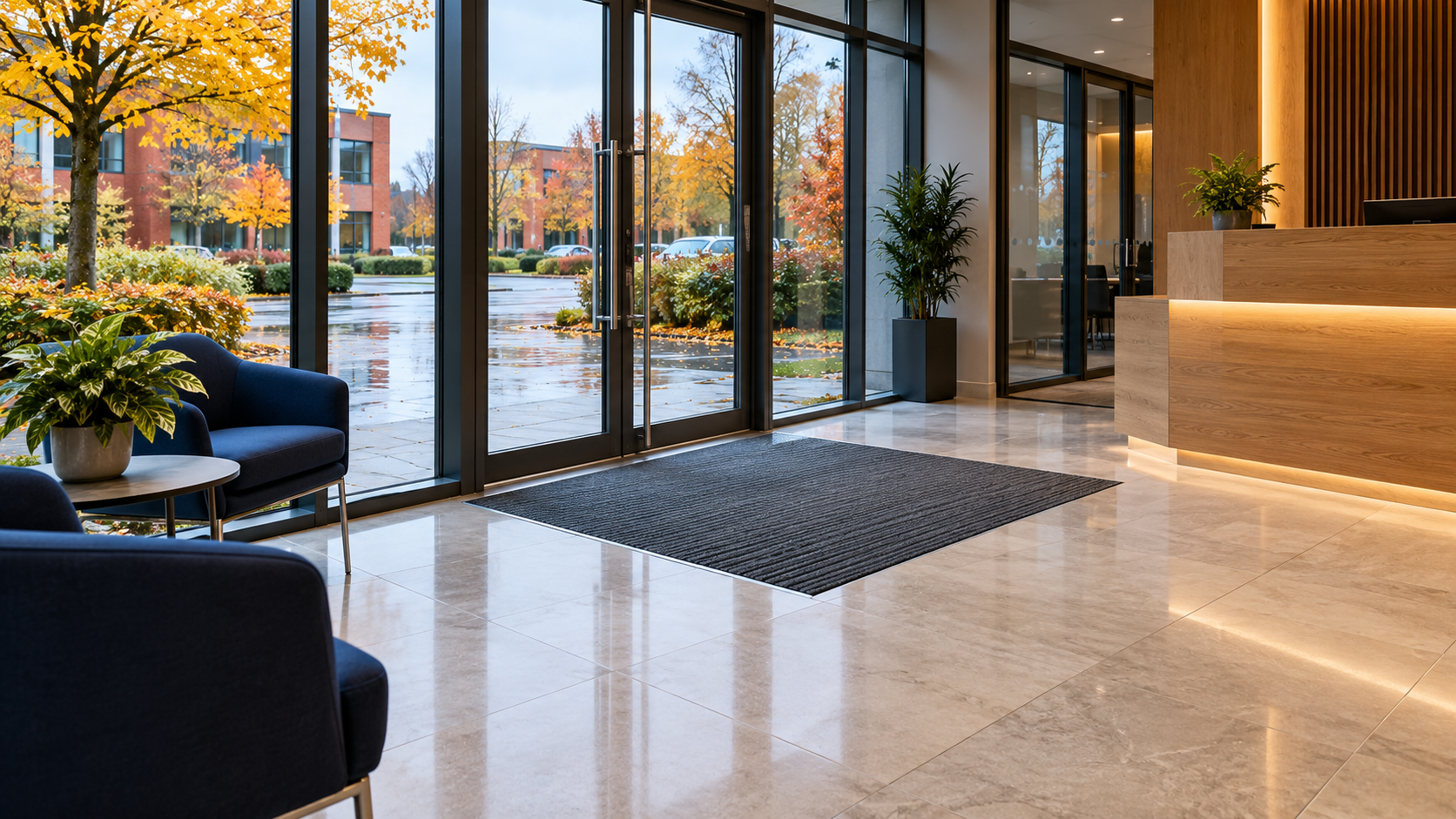
Visitors often see only the first few metres of a workplace, while employees notice repeated problems further inside. Make two small lists for the reception and the working rooms. In a visitor area, note whether the mat, lower glazing, waiting table or push plates show use most clearly. Inside the office, describe the cleared surfaces, bins and floor around the desks. Tell the cleaner which display items, paperwork and electronics should remain with staff. If the person who looks after reception can leave a small group of surfaces clear at closing, make that arrangement part of the handover.
Give the contractor a practical point at which to check the visitor area. For a Wallington business with early appointments, it might need to be ready just before the public door opens. An office with drop-in visitors throughout the day could have less predictable use. Explain whether someone can work around an occupied waiting area and whether another room can be attended first. If the entrance also receives frequent deliveries, identify who clears packaging and when the route is usually free again. This helps a provider propose a sequence that fits the premises.
Ask staff to report the specific location and the time when something needs attention. A floor under two waiting chairs may look different after an appointment than it did at opening. Check whether the area had been used since the visit before making a change to the schedule. Where the issue appears regularly at the same time, ask whether it needs a different frequency or an adjustment to the way the room is left. Keep the recorded outcome narrow enough that a receptionist can check it on a normal working day.
Write separate instructions for shared stairs, doors and landings
In a building occupied by several businesses, the stairs may fall under the landlord’s schedule even when your staff are the main users of a particular landing. Request the existing scope and mark its boundary on a plan. Include the front entry, stair treads, handrails, intermediate landings and any door handles you want considered. State where the tenant’s own cleaning starts. If a narrow corridor or shared washroom is handled by a separate provider, identify who can explain how the work is coordinated. The office brief should reflect the permissions it actually has.
Discuss areas where an extra visit would be useful and decide whether it should be commissioned by one tenant or as part of a separate building arrangement. The communal cleaning overview can help the managing agent and occupiers discuss which common parts belong in that specification. Agree who should be told about a blocked corridor or a broken fitting even when it sits outside your contract. For a condition that affects several tenants, include a recognisable point such as the inside landing beyond a named door.
During the visit, an essential access route may need to remain available. Discuss when the task can take place, where equipment will wait and whether the cleaner can attend a small part at a time. A landing used for turning at the top of the stair should stay clear even if it looks like a convenient place to leave equipment. If another occupier uses the same route for deliveries, share the expected timing so arrangements can be made. Revisit the scope when a floor is relet or a room starts to be shared.
Protect interview, advice and meeting rooms between appointments
Some workplaces have short gaps between client meetings and very little opportunity to empty the room until later. Identify who controls the booking calendar and tell the cleaner how they will know if a room is free. An appointment can be recorded as occupied without sharing information about the visitor. Explain who clears paperwork or equipment and which items are deliberately left in place. Give an instruction for an unoccupied room that still has notes or material on the table so the cleaner knows what work can go ahead elsewhere in the room.
Write the expected reset using a few points the office can check. Examples include a cleared meeting surface, accessible floor space, an emptied bin where agreed and chairs back in their usual layout. If staff change the configuration regularly, give them responsibility for setting the room for the next booking or show the layout the cleaner should restore. Decide whether mugs go to the kitchen or stay for the booking team to collect. A clear handover leaves fewer decisions for someone who does not know what the room was used for.
If the room is routinely occupied at the planned time, give the cleaning team another task to start and agree when to return. State who should be told if the room remains unavailable at the end of a visit. Record whether a later appointment or a different day would allow the room to be reached reliably. When there is a recurring problem, review the booking pattern rather than asking for the same visit to be repeated under unchanged conditions. Any amended schedule should show how the room becomes ready before its next important use.
Assess mats, carpets and hard floors at the points where they meet
Look at the walk from the street into the office on a normal working day. Identify where the floor surface changes, where shoes turn and where chairs or stools move. Dirt may collect along a threshold or at a carpet seam while the main part of a room still looks presentable. Note which surfaces are reached during ordinary cleaning and which require an item to be moved. If an entrance mat shifts or a floor edge is damaged, report the condition to the responsible building contact and describe the cleaning task separately.
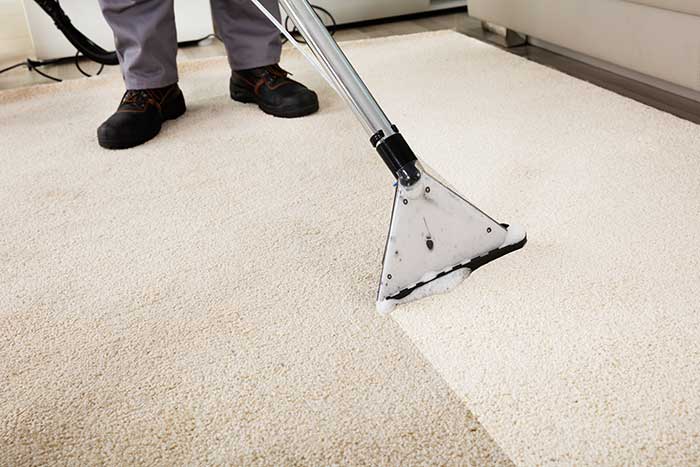
A stain near an internal doorway and a broad area of wear under desk chairs call for different discussions. Tell the provider what you know about the floor covering, where the concern is and whether anyone has already treated it. For periodic commercial carpet cleaning, explain when a room can be cleared, who can move chairs and when it is needed again. Ask for any periodic work to be shown separately from routine vacuuming or agreed spot care. That lets a manager compare the ongoing schedule without assuming every floor issue can be handled in one ordinary visit.
Keep an image or a dated note of an area that needs follow-up. Record the light, approximate position and time since the last visit so comparisons are meaningful. If a floor changes appearance only when it is damp or after particularly heavy use, tell the contractor. Discuss whether the result depends on the condition of the carpet or trim. An assessment can then distinguish cleaning work that should be quoted from a repair or replacement that belongs with the premises manager.
Keep the shared kitchen usable after a short lunch break
A kitchenette often has more tasks than its floor area suggests. People may queue for a kettle, return dishes to the sink and use one work surface for several purposes. Tell staff what they need to clear and what should be left for the cleaner. List the regular tasks around the sink, reachable worktops, appliance fronts, splashbacks and floor. If the inside of an appliance needs to be considered, specify when staff can empty it and whether the job belongs to a periodic schedule. Give the quoting team enough information to see when the surfaces will actually be accessible.
Ask staff to identify the points that repeatedly need attention. Crumbs may be pushed into a corner beside a bin, or a narrow passage may be used to store containers that block part of the floor. Decide which items can be moved, who does that and where they go. Check whether an adjoining tenant uses the same room. If they do, agree one contact who can confirm responsibilities for supplies, appliances and any change to the available time. A workable routine depends on what can be reached after the last staff break.
When reviewing the schedule, compare the room at consistent points in its day. A late lunch can create extra use after a visit that was scheduled earlier. Record the time and location when that happens. The best solution might be an agreed instruction for staff to clear up one recurring spill, a visit after the busiest part of the day or a more focused cleaning task. Keep supplies in a designated place and name the person who can replenish them so an avoidable stock problem does not interrupt the routine.
Agree how waste moves from desks to the collection point
Draw the route from workroom and kitchen bins to the premises’ designated store. Confirm which containers are for each stream, how the cleaner gets access and where the office’s responsibility ends. If another party handles collection, describe the handover and ask who can answer questions about the store. A back door or shared route might be available only during certain hours. Give those limits with the room list so an ordinary visit can be planned around them. Keep the handling of confidential paperwork with the agreed office process and identify any containers that are outside the cleaning scope.
Sutton Council’s guidance on managing a business includes information about arranging waste collection. Consult the relevant provider for your premises and confirm which part of that process is included in the office cleaning brief. The time needed to move material to a remote store is different from the time needed to empty a desk bin. Tell the quoting team if the route requires a key, a lift or permission from another occupier. Agree who supplies liners and where they will be stored.
If the store cannot be reached or a container is full, define who should be contacted and whether there is a designated alternative. Keep routes clear and avoid asking the cleaner to invent a solution on the spot. Report recurring issues with the time and the container affected. An office manager can then check whether frequency, capacity, staff use or the collection handover needs changing. Update the instructions when the office changes its collection provider or moves the storage area so the new route is understood before the next visit.
Show which washroom tasks depend on the occupier or building manager
List the washrooms separately, including those used by clients and those shared across businesses. Record the number of basins and cubicles and when each room usually sees most use. Identify fixtures that need specific attention and which surfaces or cupboards a cleaner can reach. If a client room must be available during appointments, agree how the visit fits around that. The office contact should be able to tell the provider where any equipment or warning sign can be placed without interfering with a route someone needs to use.
Describe what happens when a dispenser needs a refill. The cleaner may check the unit while the office purchases stock, or a separate supplier may have responsibility for the dispenser. Give the normal location of refills and the point at which low stock should be reported. Use the washroom services overview when discussing separate supply or maintenance requirements. Keep the agreed actions clear enough for the office to tell whether a problem is a missed task, an empty store or a fault needing a different contractor.
Agree who should be told about broken locks, leaks and problems with fittings. Record the room name and time so a premises manager can find the issue. A washroom can have been attended to the agreed standard and still need a repair before it can be used. Give a person responsibility for checking the issue after it is referred. Where another occupier begins sharing the facilities, review the frequency of routine work and the supply arrangements together so the brief reflects actual use.
Describe the working week rather than selecting a frequency in isolation
Give the provider a sample of a normal week. Show which days have more people in the office, when training or client appointments usually happen and which rooms are quiet. Some offices need similar tasks on each occupied day. Others need more attention after a particular event and a lighter routine during quieter periods. Use the schedule to show where the difference matters, such as a waiting area used by several groups, a room cleared only after a regular meeting or a kitchen used heavily on two days.
Identify any task that does not fit the ordinary time window and ask how it could be arranged. A longer floor appointment might be possible during a planned closure, while a workroom that is always occupied could need a separate start time. Ask the contractor to state what happens if a room cannot be reached and who is told. If you also manage offices in Carshalton or Purley, keep each location’s working week and constraints on its own page. A common set of expected outcomes can still be used to compare the sites.
Review the timetable after the office has used it for several representative weeks. Note whether the most important rooms have been ready at the right time and which tasks regularly get deferred. If the problem is a continuing clash with a booking, move the visit sequence or clarify how the room can be cleared. If a room’s usage has changed since you requested the quote, share the new pattern. A schedule based on real occupancy is easier to review than one chosen without considering how the premises operate.
Ask for a quote that makes the main decisions clear
Prepare a short schedule showing which areas are included, who can open the premises and when the work can take place. Give the occupied floors, the number of workstations and the type of flooring. State which areas you share and whether a landlord already arranges any work. Identify stock, waste and equipment arrangements, and flag any room that needs a different appointment. Tell the quoting team about existing problems and what you want to improve. This helps them distinguish a request for a changed routine from a separate job that needs assessment.
Ask for regular work and occasional tasks to be shown separately. Check whether the quote assumes equipment can stay on site, whether the office needs to buy supplies and who handles exceptions. Compare how each provider treats the least accessible parts of the premises. A quote that covers an entrance only at quiet times may reflect a different assumption from one that includes a reset after staff leave. If you need work beyond the office routine, refer to the London commercial cleaning overview and discuss the particular requirement rather than adding a broad heading with no detail.
Review the proposal with someone who knows what happens at opening and closing. They can confirm whether rooms are available, the entry point is open and a delivery conflicts with the plan. Ask who will receive reports and who can approve a change. Make sure the quotation clearly identifies what depends on a site check, a different occupier or a later decision about specialist work. That leaves the office with a practical basis for agreeing the first schedule and reviewing it as the premises change.
Keep the service review short enough to do regularly
Pick a few places to check at times that match the result you expect. A Wallington office might inspect the front mat and waiting table before its first appointment and the kitchen after the last break. Record whether the area had already been used since the visit. A useful observation names the place, time and problem. It can be acted on even when the person receiving it was not at the building. Avoid judging a whole visit from a single spot without finding out whether that spot was accessible or in scope.
Give the office contact a clear route for reporting an issue and an agreed time to check it again. Some concerns require a change to a task or a different frequency. Others, such as a loose threshold or broken lock, need to go to the property manager. Mark which person owns the follow-up so nothing gets passed between teams indefinitely. If a task repeatedly cannot take place, decide whether staff can make the space available or whether it needs to be removed from that time window and agreed separately.
Keep the current room list, access notes and responsibilities together. Update them if a tenant moves out, a new member of staff starts opening the building or part of the office becomes available to visitors. A short review with the cleaner and the office contact can show what changed and how the schedule should respond. To discuss a quote with Complete Clean Management, start with the rooms and timings you already know. Include any shared arrangements that need clarification before a visit can be planned.

Questions about arranging office cleaning in Wallington
What should I provide for an office above a Woodcote Road frontage?
Give the address, floor and suite name, and describe the contractor’s entrance. State whether the route passes through another business or uses a shared stair, and who controls it. Describe where supplies can be brought in and stored. Use the quote enquiry for the access outline and your normal building process for any sensitive details after arrangements are agreed.
How should I specify a waiting room that stays occupied most of the day?
Say when the room first opens and when it is usually available again. Identify the areas that need attention between groups and those that can be left until the last visitor goes. Ask the receptionist to confirm when the cleaner can enter. Decide how the visit will be reordered if someone is waiting at the scheduled time.
Can we request a separate specification for shared stair cleaning?
Ask the managing agent what is already covered and whether your business can commission extra work. Identify the stair, rails, landings and doors you want discussed. The communal cleaning service can inform a separate discussion with the other occupiers. Name the person who will follow up problems that sit outside the tenant’s own schedule.
What helps with a recurring mark where carpet meets the entrance?
Record where it appears, whether wet weather or heavy use is involved and what remains after a routine visit. Check who is responsible for the mat and trim. If you want an assessment through the carpet cleaning service, describe the flooring and when the route can be made available. Flag signs of damage for the building contact.
What should we tell the cleaner about waste storage behind the building?
Identify the route, the correct containers and who opens the store. Explain which tasks are included in the office visit and who handles collection. Give a contact who can respond when the store is locked or full. Keep confidential waste in the office’s agreed process and identify the containers a cleaner should leave for staff.
Can the same person replenish a visitor washroom and a shared staff facility?
Confirm the responsibilities for both rooms. They may have different owners, stock or dispenser arrangements even if they are close together. Tell the cleaner which refills to use and who should hear about low stock. The washroom services page is a useful reference if another supply or maintenance arrangement needs to be discussed separately.
How can we compare Wallington and Carshalton cleaning quotes?
Give each location a list of rooms, occupied hours and tasks, using the same headings in both briefs. Refer to the Carshalton office cleaning guide for the nearby address. Ask the provider to show any different access or stock assumptions by site. A change to one building can then be reviewed without obscuring the cost or scope at the other.
When should we change a cleaning visit that often clashes with staff meetings?
Record the dates, room and time when access was not possible. Check when the same room is usually free on a normal week. Discuss whether the cleaner can begin elsewhere or whether the room needs a different appointment. Agree who tells the contractor when meetings move, then review the next few visits to see whether the change works.
Talk through your Wallington office cleaning brief
Describe your workrooms, access and the tasks you would like priced. For other sites, start with the London office cleaning guide.
Clients we service
Organisations featured across Complete Clean Management’s client portfolio.
















GOOGLE CUSTOMER REVIEWS
What our customers say on Google
Selected review excerpts from Complete Clean Management’s London Google listing.
★★★★★
“Really happy with the deep clean! The team were friendly, professional and did a fantastic job.”
★★★★★
“We engaged with Complete Clean Management and they came in and did an absolutely fantastic job.”
★★★★★
“We have recently started to use Complete Clean Management for various cleaning services to our domestic and commercial renovation projects.”
★★★★★
“The team is punctual, professional, and pays great attention to detail.”
★★★★★
“We’ve been using this office cleaning service for several months, and it’s been outstanding.”
★★★★★
“Complete Clean Management has transformed the cleanliness of our workspace.”
Selected excerpts, checked 6 November 2026. Leave a Google review ↗