Complete Clean Management · West London
Office Cleaners West Drayton
Professional office cleaning tailored to your premises, working hours and priorities.
Request a free quote Call 0203 092 2297

Tell us which West Drayton rooms need to be ready
A West Drayton office off Station Road or the High Street can serve local visitors, a small team or people working across several addresses. Another premises may have an office linked to a yard or a commercial unit. When you contact Complete Clean Management, give the full address and unit or floor. Explain which entrance is available at the proposed time and who can show it. Tell us what rooms you control and what the landlord or another business already arranges. The postcode helps locate the site. The room list and entrance details help us discuss what can actually be cleaned.
Think about the first people to arrive. Staff may reach the office before the public door opens, while visitors use a waiting space or meeting room later in the morning. Write down which part has to be ready first and the time the cleaner can reach it. If some people work at different times, show when shared rooms are clear. A slot that works for desks can still clash with the last team using the kitchen. Give an example of a busy day as well as an ordinary one. That can make the timing discussion more specific than working from a single opening and closing time.
Our office cleaners London page describes the wider service. The guidance here is for a West Drayton office planning a regular schedule, a handover or a review of work that no longer fits the premises. It explains what information to collect from the building contact and the people who use each room.
Give a first visitor the right route from Station Road
A site near the station may have a street door that is easy to find and a different entrance that can be used by the cleaner. Show the approved route, including any common stair, internal door or sign-in point. If a reception desk is staffed only at certain times, explain how access works once it closes. Say who can meet the cleaner and show the route on the first visit. Keep passwords and codes for a private agreed handover. A useful arrival note identifies the door, who authorises it and when it is available without including information that does not belong in a quote.
Check where your responsibility starts on that route. A common mat and stair may be looked after by the property manager while your business covers the floor just inside its door. Mark that boundary physically. The cleaner may need access through a shared area without carrying out work there. If you want an additional area assessed, check who can agree it and keep it on a separate line. Ask the building contact what it already arranges before putting shared surfaces into your own specification. This can prevent duplicated work and gives the office a way to route concerns about areas outside its tenancy.
Show where equipment can go and where supplies and waste are kept. A cupboard inside the office may be reachable while a shared bin store is locked. Tell us who can confirm each part of the route. If access changes temporarily, give the cleaner an authorised contact and decide what to record. That helps the business understand what can still be done and what work needs a different slot.

Build the visit around the office’s first and last occupied rooms
A West Drayton office can have early staff, later visitors and a room that stays occupied when the rest of the suite is free. Ask the people who open and close the building which areas are actually available at those times. Write each room’s earliest access and deadline. If the first visitor uses reception before anyone else needs a meeting room, that could change the order. If a late booking keeps reception busy, show another area the cleaner can reach first. A schedule can reflect the workday instead of requiring every room to be ready at once.
Give the provider the tasks that need to happen on every visit and which ones might be rotated. A room used regularly can need a different frequency from a spare office. An exposed table may need a check before a morning session, while work around its chairs might wait until staff can clear the room. Confirm who moves furniture and what has to stay in place. Tell us what you want the cleaner to report if the room is occupied. A record of the room and task is useful even when the reason for a delay is straightforward.
Review one busy day and one quiet day after the work begins. Check the areas at the time they were meant to be ready and note whether the room was used again after the visit. Ask whether staff did their preparation and which rooms were free. That gives the office a practical way to decide if it needs another time, a different order or a change to the task list.
Keep the visitor route ready without moving office paperwork
Walk from the entry door to the first waiting chair or counter. Look for visible soil at the threshold, marks under the seat and the ledge where someone might put a drink. Decide which surfaces need to be ready before the first appointment and how the cleaner can reach them. If there is one narrow route, identify where chairs can be placed during floor work and how staff want them returned. The cleaner can follow that instruction while leaving the visitor route available when people need it. A short, named list of areas is easier to inspect than a general request to clean reception.
Tell us what happens to the paperwork and devices kept at the front desk. The office team should protect or remove things the cleaner is not authorised to handle. Show the exposed part of the counter, contact points and floor areas that can be reached. If staff keep a device, sign-in book or personal item on the surface, give a clear instruction about what must stay. Agree another task if the counter is still in use, and name the person who can confirm when the work can return to it.
Check the result before visitors arrive. Then look again after a busy period if you want to understand where dirt moves through the office. Record those as separate observations. If the same corner is marked after people wait there, check whether the mat or seating could be arranged differently. The next change may be in room layout, access or frequency. A precise location and time help you discuss that change without judging the entire office by one spot.
Set practical preparation for shared desks and meeting tables
Ask staff to show which desks change users and which are assigned. The last person at a shared desk can put away papers, personal items and accessories. The cleaner can then cover the exposed surface and nearby floor included in the agreement. Tell the provider which screens, controls or cables must stay in place and who is responsible for them. A desktop that looks mostly clear can still have an inaccessible edge or a bag underneath. Explain what staff will do before the visit and what the cleaner should leave alone. That protects office materials and makes the expected result easier to check.
At the printer or mail point, identify what counts as ordinary waste and which items staff handle separately. A room can contain loose paper, confidential records, cartridges and deliveries at the same time. Give the cleaner the authorised work surface and waste destination. If a box repeatedly stops access to the floor, ask for a short note giving the location. A site contact can move storage or update instructions. It is easier to inspect a floor area once the cause of the obstruction is known rather than trying to solve it by adding cleaning time alone.
For meeting rooms, tell the provider when the host can clear the table and whether the next session has a fixed start. If the room is still occupied, identify another task and the person who can confirm a return. Keep appointment or client details out of the handover. The useful information is which room can be reached, when it is needed again and what will be ready for cleaning.
Assign washroom cleaning, refilling and repairs separately
A West Drayton business may have one toilet inside its own office and another in a shared part of the building. Ask who already looks after each room and whether the tenant can arrange additional work there. Describe the fixtures, door surfaces, floor and accessible areas you want considered. Tell us when staff or visitors use the room and when it can be made available. If it is the only facility open at that time, discuss how people can continue to use the premises while cleaning takes place. A clear room list helps you compare a tenant quote with the work the building already provides.
Show where paper, soap and compatible supplies are kept. Confirm who buys stock, who refills dispensers and who can act between visits. A shortage after a busy appointment session has a different cause from an empty dispenser at opening. Give the cleaner a way to report the room and product. A leak or broken lock needs the building maintenance contact. Keep that report separate from an ordinary cleaning issue so it reaches someone who can respond. A note with the room and exact item is easier for the site to use than a general message about facilities.
See washroom services for related provision such as disposal or replenishment. Tell us which arrangements already operate and which parts you want considered. If another occupier uses the same room, ask them or the building manager to confirm responsibility. The quote can then show the work, stock and access your office actually wants to include.
Read the floor from the threshold to the busiest corner
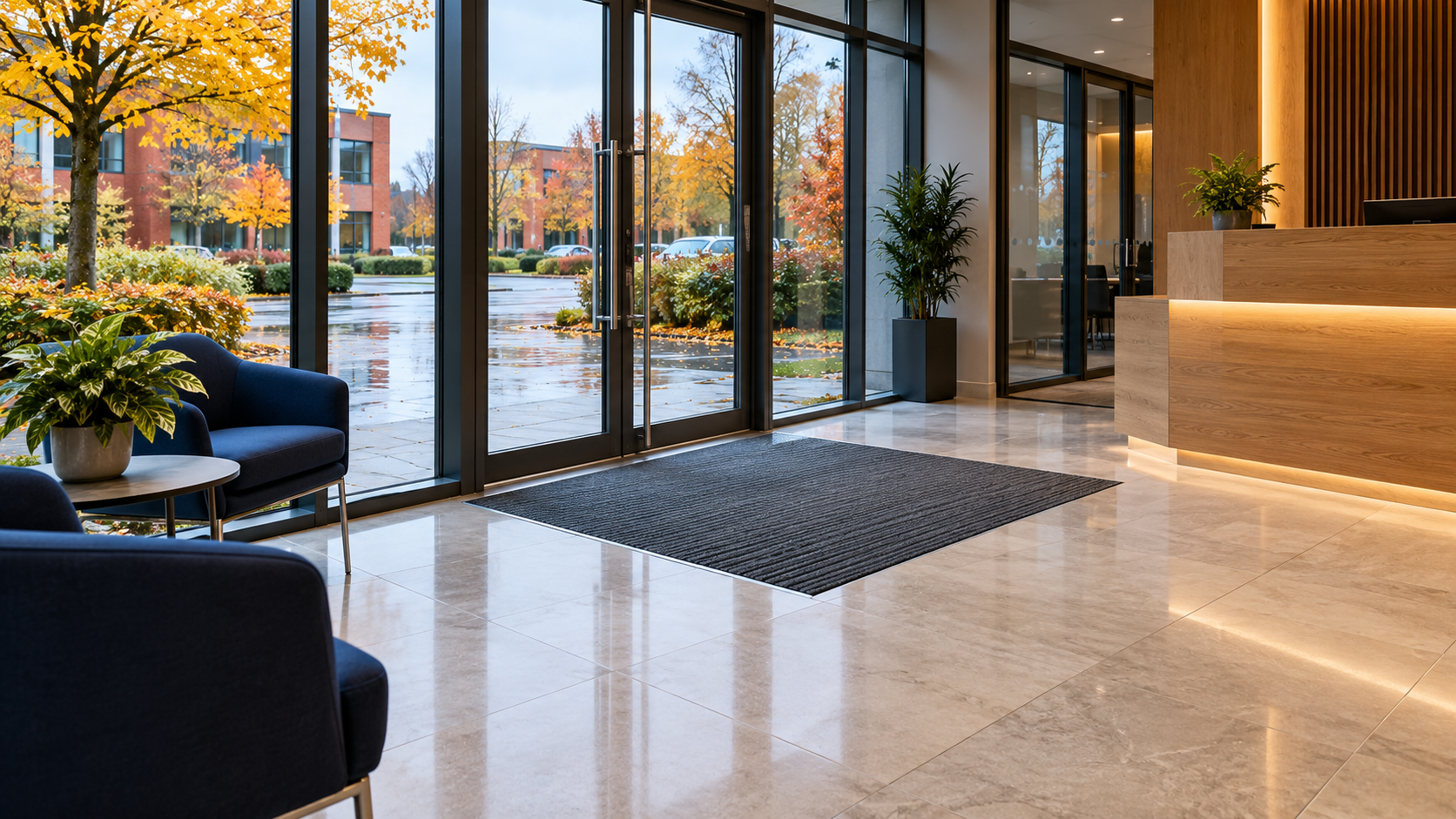
After a wet morning, walk the route from the mat to the first desk or waiting area. Notice where people turn and where grit settles after the floor dries. It can sit under a chair or at a change between hard flooring and carpet instead of at the most visible point near the door. Show the provider the surfaces and which areas the building controls. Note damaged edges and loose tiles for the property contact. An ordinary floor task can be assessed alongside the condition of the surface, but repair should remain a separate issue.
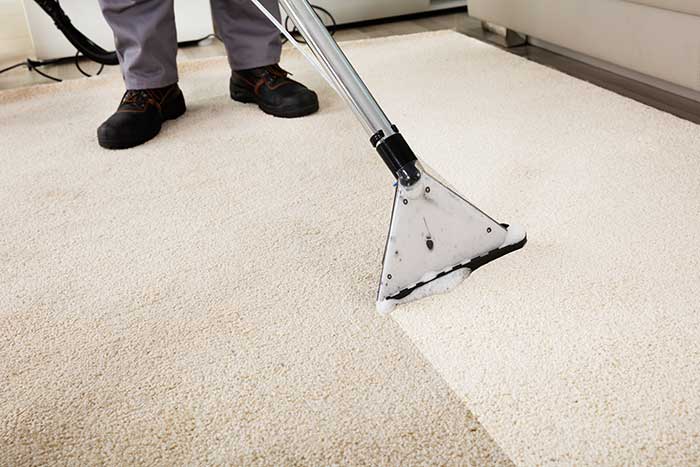
If there is a dark lane or a particular stain, tell us when it appeared and whether any treatment has been used. Give the provider care information if you have it. For work beyond regular vacuuming, see commercial carpet cleaning in London. Explain when the room can be kept clear and how equipment can reach it. Confirm who moves suitable furniture and whether someone needs the same route to reach another office. A periodic visit can then be discussed based on the condition, access and reopening deadline rather than on floor area alone.
Choose an inspection point before the first people arrive and use the same position when you check later. A comparison can show whether soil is carried past a mat or appears once a particular room is used. Record which entrance people used and when. The office can then decide whether to change the floor routine, discuss periodic work or raise a problem with the building contact.
Agree when staff will hand over the kitchen
A kitchenette can serve people who work later than the office staff. Ask who normally uses it last and when the sink and worktop can be cleared. Tell the provider what staff will do with cups, food and containers. Agree what surfaces can be reached and which area can be covered first if the room is occupied. If the available gap changes on particular days, record those days. A kitchen routine is easier to deliver if someone can confirm the room is free rather than assuming it is available whenever the office closes.
Separate tasks that need extra preparation. An exposed counter or appliance handle may be available at every visit, but a fridge interior requires staff to clear it. Show which objects can be moved and which need to remain in place. If a box or bin repeatedly blocks the same area, ask the office contact to find another place for it. The cleaner can identify the part of the floor that stayed out of reach. The office can then check whether a small change makes it accessible before asking to add another task or change the time allowed.
Check where waste goes during the visit. A store may serve more than one business or need a door the cleaner cannot normally use. Confirm the authorised route and the containers for ordinary office rubbish. Keep confidential or bulky items with the arrangements that already cover them. If access changes, give the provider someone who can confirm what to do. That keeps the end of the kitchen routine clear even when the usual office contact is not there.
Compare the same office scope across quotes
Give suppliers the same address, room list, access window and desired outcomes. Include the time for signing in, reaching equipment or using shared routes if that affects the proposed visit. Ask what tasks happen at each visit and what is rotated. Identify which supplies are included and where they can be stored. If a quote looks shorter, ask whether it assumes the office will be fully clear or leaves work out. If a quote includes common space, check whether the person who controls it has agreed. Comparing practical assumptions helps you judge what the office would actually receive.
Give additional work its own description. If you need work in an adjoining commercial unit, read about commercial cleaning in London and set out its use, condition and access separately. Do the same for periodic carpet work or an initial clean when an office is vacant. Give the provider any relevant care instructions and the time the area needs to reopen. A clear price for each additional task helps you decide what to arrange without changing the ordinary schedule or asking it to cover work that has not been assessed.
Decide how to review the quote after the first visits. Choose the rooms and times you want to check and agree how the provider reports an area that could not be reached. If you are replacing an existing schedule, tell us which results you want to keep. That gives the new proposal a practical starting point and makes it easier to see whether the change has improved the areas that prompted the enquiry.
Log interruptions by room, time and the action available
An access problem, late appointment or delivery can prevent work in part of the office. Agree how to identify the affected room and who can confirm another route or time. If another room can be cleaned first, put that into the brief. A person with permission to use the building should confirm any alternative entrance. The provider can record what work was possible and what could not happen. This helps the office distinguish a missed area from a visit that had to stop entirely. It also gives the right person enough information to respond without including private details about staff or visitors.
A recurring interruption is different from a one-off change. If a meeting room often stays occupied, check when it becomes free. If a delivery repeatedly blocks the access route, ask the site contact which period is normally clear. Try a different room order or visit slot if it can be agreed. Use the next check to see whether the change works. A record with the task and conditions can help the office and provider review a specific part of the schedule without treating every task as affected.
Keep the current instructions where the cleaner and office contact can find them. Give a backup person the same access information, shared through an appropriate private method. Ask the person who approves changes to record when they take effect. A visit plan can then survive a change of staff, a new occupier next door or a temporary closure without relying on someone to remember how the original arrangement worked.
Prepare a West Drayton office for a move or handover
If you are taking a new office or returning a suite, say which rooms can be assessed and when. Identify furniture, equipment and materials that will remain. A room may be empty of staff but unavailable because trades are still fitting it out. Agree who can say it is ready and who clears the surfaces. Give the expected opening or handover date and the routes that other people still need. A quote for initial work can be discussed separately from the ordinary visit after people are using the building. The condition, access and preparation can differ substantially.
Ask the person who will inspect the space to describe what they expect. List accessible floors, glass, surfaces and any facilities you want included. If the office shares an entrance, check which areas you can commission work in. Tell us about care instructions, finishes that must stay protected and repairs still outstanding. A clearer room list helps the provider see what can be assessed and what needs to be agreed before the work starts. It also gives the office a basis to inspect the result at the appropriate time.
After the move, review the actual layout. New desks can hide an edge of the floor and change where staff put belongings. A different reception position can change the visitor route. Update supplies, waste and access instructions as well as the room tasks. A brief written before staff arrive should be checked again once the building is used. That gives the continuing work a better chance of fitting the new setup.

Use one review format while keeping local access separate
A manager with offices in several West London locations can compare results in one place. Give each address its own room list, available times and local contact. A West Drayton office near Station Road may share the entrance while another site uses its own door after close. Even where both need the same desk and floor tasks, their routes and timing can differ. Ask who can show each space and who can authorise any work in common areas. Give a separate start date if the offices are opening or moving on different days.
See our Hayes office cleaning guide and Hillingdon office cleaning guide for nearby workplaces. The London office cleaning page lists other areas. Tell us which address should be assessed first and whether any decision is still with a landlord or building manager. A central contact can compare quotes and review results without assuming that instructions for one building can be carried over to another. The local contact can keep access, preparation and reporting up to date.
For the West Drayton site, send the address, room list and the hours when the cleaner can enter. Explain the readiness time you want to meet, and give an example of anything that makes it hard. We can discuss what to assess and which work should be considered separately. A short note about a typical day is enough to start the conversation and helps identify the details to confirm on site.
Frequently asked questions about office cleaners in West Drayton
What should I send for an office near West Drayton station?
Give the full address, unit and permitted entrance. Tell us which rooms you control, what the building already covers and when the first space needs to be ready. If the cleaner uses a different route from visitors, describe it and name the contact who can confirm access.
Can the office be quoted without its shared staircase?
Yes. Show where your tenancy begins and tell us what the building manager already arranges. The cleaner may need permission to use the stairs without including them in the work. Discuss extra common area work with the person who can authorise it.
How do we plan the visit if staff arrive before the front door opens?
Tell us the staff arrival time and which authorised entrance can be used. Identify the first rooms that need to be ready and when they can be reached. A quote can be discussed around the actual office timetable rather than the public opening hours.
What if the last meeting regularly overruns?
Agree another room or task to cover first and who can say when the meeting room is free. If the clash keeps happening, discuss a different order or slot. Record the room and task when it cannot be reached.
Should washroom refills appear in the same scope as fixture cleaning?
List them separately so the proposal can show who refills stock, who orders it and where it is kept. Tell us about any shared service. Give a separate route for faulty fittings and a contact for shortages between visits.
Can you discuss a carpet clean for a room off the High Street?
Tell us the carpet condition and available entrance for equipment. Give the period the room can stay clear, who will move furniture and when it needs to reopen. The work can be assessed separately from routine vacuuming.
When should we ask about a handover clean?
Share the date the room can be assessed, the expected handover and any trades or furniture still there. Ask who can confirm the space is ready. Discuss initial preparation separately from the schedule that will apply once the office is occupied.
Can one manager review West Drayton and Hayes together?
Yes. Give both addresses and separate room, access and timing details. The same person can compare proposals using a shared format while each local contact confirms the practical arrangements for their own office.
Ask for a West Drayton office cleaning quote
Call 0203 092 2297 or request a quote online. Give the office address, authorised entrance, room list and proposed visit hours. Mention any shared route, early staff arrival or planned work that affects when rooms can be assessed.
See office cleaners London for more locations and the wider service.
Clients we service
Organisations featured across Complete Clean Management’s client portfolio.
















GOOGLE CUSTOMER REVIEWS
What our customers say on Google
Selected review excerpts from Complete Clean Management’s London Google listing.
★★★★★
“Really happy with the deep clean! The team were friendly, professional and did a fantastic job.”
★★★★★
“We engaged with Complete Clean Management and they came in and did an absolutely fantastic job.”
★★★★★
“We have recently started to use Complete Clean Management for various cleaning services to our domestic and commercial renovation projects.”
★★★★★
“The team is punctual, professional, and pays great attention to detail.”
★★★★★
“We’ve been using this office cleaning service for several months, and it’s been outstanding.”
★★★★★
“Complete Clean Management has transformed the cleanliness of our workspace.”
Selected excerpts, checked 6 November 2026. Leave a Google review ↗