Complete Clean Management · North London
Office Cleaners Whetstone
Professional office cleaning tailored to your premises, working hours and priorities.
Request a free quote Call 0203 092 2297


Office cleaning in Whetstone for private suites and shared business buildings
An office cleaning enquiry in Whetstone should describe the particular workplace and the facilities it relies on. If your address is on the High Road, provide the building name and suite number as well as the street address. An entrance used by customers can differ from the one staff use, and a shared reception can be managed separately from the private office. A clear description gives Complete Clean Management the information needed to discuss the space you want assessed. It also helps identify who can confirm the arrangements outside your suite.
Start with the result your business needs. You might want an office ready for client appointments, a clearer handover at shared desks or a separate plan for carpet that has become marked. Describe the task, area and timing in practical terms. An office with several small rooms may have particular access and preparation needs even if the total floor area is modest. The more clearly you can describe those needs, the easier it is to see how the proposed routine would work during an ordinary week.
This guide covers the decisions involved in arranging cleaning for a Whetstone office, from identifying the tenant’s space to reviewing a proposed quotation. The office cleaners London page gives the wider service overview. For your local enquiry, put the building responsibilities, room use and any periodic requests into one brief that the people managing the office can use.
Find out what the building service already covers
In a shared workplace, the scope should start with a check of existing arrangements. Ask the building manager which entrances, stairs, lifts, washrooms and other facilities are already covered. Write those areas alongside the areas your business controls. Confirm where the boundary lies at a door, landing or shared mat. A scope is easier to compare when it states those details, because a private office quote and a building arrangement may refer to the same route while covering different parts of it.
Check the situation in less obvious rooms. A kitchenette on the landing may be shared even when your employees use it most often. A locked store might be controlled by the managing agent even if stock for your office is kept there. Explain the purpose and responsibility for each space instead of assuming it belongs to the business because it is close to the suite. Where you are unsure, include the relevant question for the property contact. The proposal can then identify the work to be assessed with that uncertainty visible.
Keep a short record of the outcome. For each area, name the owner of the arrangement and the person to contact about a problem. If a shared corridor is repeatedly affected by traffic, the office manager can then raise it through the appropriate route. If a concern is inside the suite, the same list identifies whether it belongs to the agreed office scope. This record is also useful when a lease changes or additional rooms are taken on.

Make a suite handover that works when the reception is closed
Check how the team would reach the office during the time you want considered. A shared reception can be open when staff arrive and closed at the time a cleaning visit would begin. Establish which door can be used, who is authorised to provide access and whether a lift or another route is available. Keep actual keys, codes and security details for the agreed private handover. An initial enquiry needs the structure of the arrangement and the contact who can confirm it, rather than sensitive access information.
Think about the complete visit. The person attending may need to reach water, a store or a waste point as well as the suite itself. Confirm whether those spaces are available in the proposed window. If equipment would pass through a shared part of the building, check the permitted route with the responsible contact. State if a narrow stair or small lift affects what can be brought in. A workable scope describes the tasks and the access that allows them to happen. Timing alone cannot settle those dependencies.
Plan what happens when the routine is interrupted. A room might be locked, a building contact unavailable or a visitor appointment may finish late. Agree how the affected area should be recorded and who can discuss an alternative. A temporary problem does not automatically require a permanent change to the schedule. Where it happens repeatedly, the record provides a concrete reason to review the sequence or the access arrangement rather than treating each visit as an isolated issue.
Choose tasks that match a small office’s real pattern of use
List the rooms and identify when each one matters most. A private office might have a desk that is occupied most days, a visitor room that has several appointments in one afternoon and a kitchen that remains active after meetings finish. Those areas do not necessarily need the same frequency or access window. An outline of the working week can show where demand is concentrated. Add the times when an area needs to be ready and the preparation the staff can provide before a visit.
Distinguish the important recurring work from detail work or a separate treatment. The desk surface may need attention more often than an accessible storage top. A carpeted route may need a regular routine and a separate discussion about wear or marks. A meeting room reset by staff can be part of the office’s own process between scheduled visits. Defining these elements makes the scope clearer than asking for every area to be cleaned in the same way. It also helps compare proposals that may interpret a broad request differently.
Build in a simple review point. Observe the actual use of the rooms and identify anything that differs from the original estimate. A change in appointments, a new member of staff or a room being used for a different purpose can affect the work. Record the change and the area involved. This gives the people managing the service a useful starting point for discussing any revision, rather than assuming that the first arrangement will fit every future use of the premises.
Prepare reception and appointment areas with the next visitor in mind
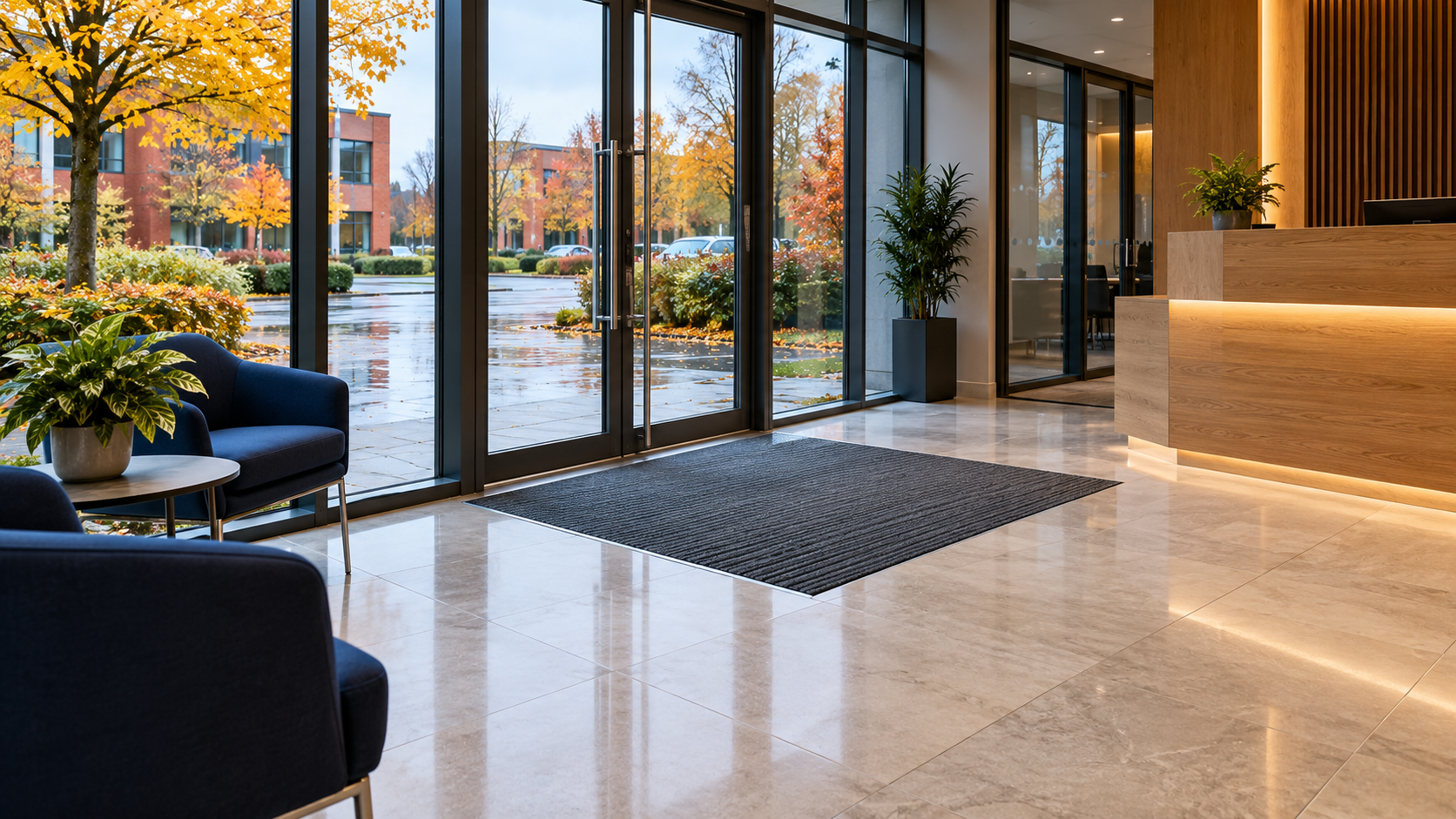
For a business that receives clients, the visitor route starts with the door and may pass through a small waiting area before reaching a meeting table. Decide which accessible surfaces you want included and when the area should be available. A visitor badge tray, brochures, displays or parcels may all occupy part of the space. Tell staff where temporary items should go and identify what needs to stay in position. An agreed preparation routine can keep the cleaning task focused on the available surfaces rather than leaving someone to reorganise office materials.
Consider seating and floors as separate tasks. A surface wipe, a routine floor clean and treatment of an upholstery mark have different implications. Describe the materials and any existing damage or previous treatment. If the business wants something considered beyond the recurring work, include it as a separate item. This gives the proposed service a clear expectation and allows the material and condition to be assessed. The area may also need to remain accessible for appointments, so explain the available window before a separate treatment is arranged.
Set the handover after a meeting. Staff can remove cups, collect papers and identify notes that must stay on a board. The recurring visit can then address the agreed accessible elements at its scheduled time. A single instruction for people using the room helps them leave it ready without expecting a cleaner to decide what should be retained. Where client information or connected equipment is present, keep those decisions within the business and describe any separate instruction needed for the proposed work.
Define what happens to papers, screens and shared equipment
A clear desk rule works best when it tells staff what to do with the things they use. Give active files, chargers and personal items a designated place. Describe which surfaces will be available and which fixed equipment must stay in position. In a small office, a desk can contain files for several clients or equipment configured for the next user. The business should retain decisions about those items and make the agreed cleaning surfaces easy to identify. A cleaner can then carry out the defined task without interpreting the work in progress.
Treat equipment as a separate subject. A request for desk cleaning does not describe how to handle a screen, handset or connected device. If work involving equipment is wanted, provide relevant care instructions and identify the person who can clarify restrictions. Explain which cables and devices are to remain in place. Staff can prepare an accessible area without disrupting the next working day. Keep confidential papers and unwanted documents within your own storage and disposal arrangements rather than relying on their position near a bin.
Look at the areas around the desk while writing the scope. Chair bases, reachable ledges and the floor under the desk may be accessible at different times. Identify boxes or furniture that cannot be moved and decide whether colleagues can prepare particular areas. Keep recurring tasks separate from occasional detail work. This creates a scope that describes the actual workstation and the way it is used, instead of relying on a list written for an empty office with no equipment or papers in it.
Keep a shared kitchenette workable through a clear staff agreement
A kitchenette can be used throughout the day even in a small office. A visitor meeting can add cups and food waste, while employees may need the same sink at several different times. List the accessible worktops, sink, appliance exteriors, cupboard fronts and floor. Establish what staff are expected to do with crockery and food before the visit. A sink full of dishes prevents access to a scheduled fixture task. An agreed staff routine can make the difference between a scope that works in practice and one that assumes the room is always ready.
Describe additional appliance tasks independently. If an internal fridge clean is wanted, identify who clears food and containers, what can be removed and whether the appliance must stay operating. A microwave interior or coffee machine may also have instructions that differ from an external surface wipe. Agree the preparation and access for anything you want considered. Keep the responsibility for disposing of food or operating equipment with the business unless a specific arrangement has been discussed. This avoids relying on a broad kitchen cleaning label to settle several different decisions.
Review the bin arrangement and the responsibility for supplies. Identify which containers are included, where they are emptied and who provides liners. If the kitchen is shared, establish who is entitled to arrange work and how the people using it will prepare the room. Note a route for reporting unusual volume after meetings or a missing supply. The proposed cleaning task can then be understood alongside the staff handover and building arrangements that affect whether it can be carried out.
Check washroom responsibilities and supply decisions in writing
Confirm whether your Whetstone office has private facilities or uses washrooms maintained through a building service. Identify the room and the responsible party. For facilities your business controls, describe the fixtures, mirrors, accessible surfaces and floor you would like assessed. Note the times the room is available and whether it serves visitors as well as staff. A clear area description prevents a private office quotation from being read as coverage for every facility that employees might use.
Separate the cleaning task from any stock or servicing arrangements. List the dispensers, consumables and person responsible for orders. Discuss whether the proposal should include checks, replenishment or a separate supply requirement. Our washroom services page gives information for that conversation. The scope for your office should state the particular work and items included. This allows the business to compare proposals on the same basis and prevents someone assuming that a stock check also includes supply.
Keep a route for maintenance observations. A leaking tap or damaged fitting may affect the room even after the agreed cleaning has been completed. Name the person who should receive the report and record what was observed. The property contact can consider the fault while the cleaning work can be reviewed against its own tasks. This distinction is useful in shared buildings because the people responsible for repairs, supplies and cleaning can be different. It also gives staff a clear point of contact for the concern they actually need resolved.
Plan periodic carpet work alongside ordinary floor care
Walk the route from the office entrance to the busiest rooms and mark the materials you know. A carpeted corridor, hard floor threshold and mat can all be used in one short journey. Explain where marks appear and how often the route is used. Existing repairs, worn areas and unknown finishes are useful to record. The assessment can then consider the surface and condition rather than relying on appearance alone. A damaged edge or defect may need a building decision while a proposed routine addresses agreed accessible floor care.
For commercial carpet cleaning in London, provide the material if known, the location of the affected areas and any treatment history. Explain whether furniture can be moved and which rooms or routes need to remain available. A planned treatment may require a different access and preparation arrangement from routine vacuuming. Ask about timing and return to use. If a carpeted room is used for appointments every day, its availability can matter as much as the condition of the material when discussing the work.
Agree a clear description of the proposed treatment and relevant limitations. Wear and soil are different issues, and not every mark can be addressed in the same way. Keep an occasional task separate in the written scope so it can be prepared for and reviewed on its own terms. A practical floor plan considers the material, the expected outcome and the way people need to use the office around the work. This makes a proposal easier to manage after the initial discussion as well as easier to compare beforehand.
Define how waste leaves the suite and what happens next
A clean office brief should describe the route from the room’s container to the agreed handover point. List the bins and materials included, then check the collection arrangements with the building contact where they are shared. State who is responsible after the waste reaches the agreed point. The phrase waste removal can cover different tasks in different proposals, so make the endpoint clear. This is particularly useful where several tenants use the same store or need a specific route through the building.
Keep confidential documents and unusual items separate. The business should decide what belongs in a confidential collection or another process and label the relevant containers. An item left beside a bin could be waiting for a colleague, could be confidential or could be equipment that needs a different arrangement. Staff should provide the instruction rather than leaving the decision to a cleaner. Describe any special items or exceptional volumes in advance so the appropriate person can confirm how they should be handled.
Check how the arrangement changes after a meeting, delivery or move. Extra packaging or furniture cannot necessarily follow the same route as ordinary office rubbish. Ask who can authorise the movement and where items should wait. A brief that distinguishes the recurring task from exceptional requests is easier to carry out and review. If access to the store is unavailable, the nominated contact can record the issue and clarify the next step without assuming that someone can use another part of the building instead.
Compare proposals and prepare a handover for a change of service
When comparing quotes, give each provider the same brief. Include the premises address, rooms, occupation, available times and any equipment or shared access restrictions. Check whether the response defines the same tasks and frequencies. One proposal may include a periodic item or a supply arrangement that another has treated separately. A price is easier to assess when the work and responsibilities behind it are visible. Ask for broad terms to be expressed in a way that the office manager can review after the service begins.
If you are changing arrangements, gather the details that affect the handover. Identify the person who controls access, the current room list and any recurring concern that needs discussion. Explain whether a preferred start date depends on another building decision. Make the initial condition and any existing repairs clear. A new proposal can then address the current requirements without assuming the previous arrangement covered everything or that all its tasks should be carried across unchanged. Our commercial cleaners London information may help where the enquiry includes other commercial areas.
If your organisation manages several nearby offices, the guides for Totteridge, North Finchley and Barnet cover different premises arrangements. Use a separate area list and access description for each building. You can coordinate enquiries through one person while allowing each proposed scope to reflect the conditions at its own address.

Request a Whetstone office cleaning quotation with a brief you can review
Put the address, suite, entrance and intended working pattern at the start. Name the rooms you want assessed and the tasks that matter most. Record shared areas, materials that need clarification and any temporary restriction on access. If you are asking about a new office, describe the condition and what needs to happen before the proposed visit. If you are reviewing an existing arrangement, explain the particular issue and when it occurs. This gives the discussion a practical basis without requiring a lengthy document.
Ask the building contact and the people using the office to contribute the information they hold. Reception or the property manager may know the access window, while staff can explain what happens to work surfaces, meeting rooms and the kitchen between visits. Keep responsibilities visible and separate recurring tasks from additional work. The parent London office cleaning service page describes the wider service. Your brief should stay focused on the Whetstone workplace you want assessed.
Use the quote button or call the London number shown here to contact Complete Clean Management. Share your priorities and any preferred dates as part of the enquiry. The initial conversation can identify the details needed to consider a proposal, including how the agreed work would fit the areas, access and normal operation of your office.
Frequently asked questions about office cleaners in Whetstone
What address details help for a Whetstone office on the High Road?
Provide the building name, full address, floor or suite and the entrance you use. Explain whether a shared reception controls entry and which contact can confirm access. A postal address may identify the building without describing the route to your office. The extra details help the enquiry account for the rooms and the practical route to them.
How do I check whether a shared area already has a cleaning arrangement?
Ask the building manager which entrances, corridors, washrooms and other facilities are covered. Record where the private suite begins and who receives feedback about the shared areas. A marked floor plan can help clarify a threshold or landing. Use the result in the office brief so the proposed scope identifies the areas your business can arrange work in.
Can we discuss cleaning when the building reception has closed?
Describe the preferred window and ask who can confirm entry and exit arrangements. Check that the relevant routes, facilities and storage can be reached then. A proposed visit should be considered against those practical details as well as staff hours. Keep keys, codes and sensitive security information for the agreed handover with the appropriate contact.
What should staff do with appointment records before a visit?
Use the business’s own storage and information handling process. Clear accessible surfaces and identify anything that should stay in position. Do the same for notes on boards and materials prepared for the next visitor. The scope can then describe the surfaces to clean without asking someone to decide which records or notes are still needed.
How can we compare quotations that use different service descriptions?
Check them against the same room and task list. Identify the proposed frequency, access assumptions, supplies and any periodic work. Ask for broad descriptions to be expressed as clear inclusions and responsibilities. Two prices can relate to different work, so the useful comparison is between the tasks and arrangements each proposal actually covers.
Can a worn area of carpet be included in a separate assessment?
Yes. Describe the material if known, the location, wear or marks and any previous treatment. Explain furniture restrictions and the times when the route must remain available. A planned carpet task can be considered separately from regular floor care. The assessment should explain the proposed approach and limitations for the particular material and condition.
What information should be retained when changing cleaning arrangements?
Keep the room list, access contacts, expected tasks and known condition issues. Record any uncertainty about shared facilities and describe the reason for reviewing the service. A preferred start date is useful alongside the dependencies that affect it. This gives the next proposal a clear basis and helps the office manager manage the handover with the relevant people.
Where can I enquire about cleaning in Whetstone and nearby areas?
Call 0203 092 2297 or use the existing contact page. Give separate addresses and practical briefs for each workplace if you want to discuss several. Our office cleaners London page provides the wider overview. Each scope should describe its own rooms, access and responsibilities even when the business has one person coordinating the enquiry.
Make the quotation reflect the suite you use
A workable office cleaning brief shows who controls each area and how the work can take place. Start with the suite, its normal occupation and the routes available. Identify any shared facilities or property decisions that need a separate contact. This keeps the proposed routine connected to the real workplace.
Record the accessible tasks, staff preparation and any periodic requirements you want considered. Keep uncertainties visible until the relevant person can clarify them. A clear brief can be used to compare proposals and reviewed later when the office changes, without relying on everyone remembering the original conversation.
Contact Complete Clean Management to discuss office cleaning in Whetstone through the quote button or London telephone number below. Share the address and priorities and explain any access or timing dependencies. The next conversation can focus on assessing a practical scope for your particular premises.
Clients we service
Organisations featured across Complete Clean Management’s client portfolio.
















GOOGLE CUSTOMER REVIEWS
What our customers say on Google
Selected review excerpts from Complete Clean Management’s London Google listing.
★★★★★
“Really happy with the deep clean! The team were friendly, professional and did a fantastic job.”
★★★★★
“We engaged with Complete Clean Management and they came in and did an absolutely fantastic job.”
★★★★★
“We have recently started to use Complete Clean Management for various cleaning services to our domestic and commercial renovation projects.”
★★★★★
“The team is punctual, professional, and pays great attention to detail.”
★★★★★
“We’ve been using this office cleaning service for several months, and it’s been outstanding.”
★★★★★
“Complete Clean Management has transformed the cleanliness of our workspace.”
Selected excerpts, checked 6 November 2026. Leave a Google review ↗