
Complete Clean Management · East London
Office Cleaners Hornchurch
Professional office cleaning tailored to your premises, working hours and priorities.
Request a free quote Call 0203 092 2297

Write the cleaning specification for a working High Street office
An office in Hornchurch town centre can have a front room for customer enquiries and a quieter suite for finance, planning or administration. Some premises sit alongside retail and hospitality. Havering’s Hornchurch town centre guide gives a useful picture of those adjoining uses. The work itself should be estimated from your layout and occupancy. Give the estimator a view of the office in operation, with the furniture in its usual position, so they can see which areas people reach and how the routine needs to fit around them.
Begin with the first three surfaces staff or visitors need when they arrive. For a business with a public counter, the front glass and waiting seats may matter most. For a team operating by appointment, a meeting table and its approach may be the priority. A desk-based team with few visitors may need to put more attention into shared workstations and a small kitchen. Put those outcomes in your brief before choosing a number of visits. The same area can need a different schedule when use shifts from private work to regular public appointments.
Mark rooms that have different rules. A boardroom can contain equipment that stays set up. A confidential interview room should be released by the person responsible for the booking. A store holding paperwork may stay locked even while the rest of the suite is cleaned. State what is expected in each space and who approves any change. That makes the estimate easier to compare and gives a visiting cleaner a clear answer when conditions change.
Plan a route that works during deliveries and evening trade
Town centre premises may have a main door intended for customers and a different approach for supplies and waste. When you ask for an estimate, identify the actual office entrance. Give the floor, name on the intercom and the route from the door to the room where equipment can be put down. If one person meets the cleaner, make sure the contact number reaches the person who is actually there. Have a second contact for a day when the usual opener or closer is away.
Check what else happens when you want the cleaning to take place. If a vehicle is unloading at the back, the route could be blocked even though the gate is open. If evening customers are using a nearby entrance, there may be people in a shared passage after the office shuts. Walk both the normal route and the route needed for a periodic floor job. Ask the managing contact where equipment may wait and who can approve a vehicle stopping for unloading. The council’s car parks directory helps with planning a site visit. Check the current signs and the property’s arrangements for the actual work.
Decide what a cleaner should do if the normal route is unavailable. State where they can wait, how they contact the duty person and whether they can begin elsewhere. A private rear entrance, a common doorway and an emergency exit may all look like ways through a building, but each can have a different rule. Explain the approved route in the induction and include enough time to take tools out again at the end of the visit.

Make a reception reset measurable from the customer side
Stand where a visitor enters the office and look at what they see before anyone greets them. The handrail, seat by the door and lower part of the glass can collect more use than surfaces behind a desk. For a regular reset, agree the surfaces that need attention, the items staff will move and the condition you expect before the first appointment. Review those outcomes at the time the room is normally used. The reflections through front glass and the visibility of marks can change during the day.
If the office doubles as a showroom, give the cleaner the limits around display items. A sample may belong to a live order or a presentation, while an empty delivery box can be taken away once staff have confirmed it. Mark which ledges and tables should be made available for wiping. Confirm who moves more fragile items and what the cleaner can do around them. Ask the team to use a consistent shelf or tray for paperwork left for a visitor so that the surrounding surface stays accessible.
Where a room has to be handed back between appointments, agree which tasks can reasonably be done in the gap. A brief reset can return chairs, remove ordinary waste and address a small spill under the agreed procedure. A longer visit might cover seating edges and the floor under movable furniture. Give the booking contact a simple way to say when the space is clear. If a late appointment prevents part of the work, record which area still needs attention and when staff can release it.
Build a quote for offices above another business
A High Street office above ground-floor premises can be quiet once you reach the suite even while the entrance and staircase stay busy. Establish which parts are maintained by the building owner. A tenant may have responsibility for a private landing while the main steps and front glass are within a communal agreement. Ask the property contact to show the boundary and record which surfaces serve both businesses. If the office quote covers some communal work, name the part it covers and put it on its own line.
Follow the route with the load an ordinary visit would need. A change of level or a narrow turn can affect how tools and supplies reach the office. If a suitable cupboard is available, ask who authorises keeping a small kit there. Check what happens on a day when the person who usually controls the stairs is unavailable. A plan that needs repeated journeys can benefit from an approved temporary position for clean supplies, as long as it leaves the way clear for anyone using the stairs. Give a relief cleaner the same route and boundary instructions.
If your team also looks after premises in Elm Park, compare the time to reach the office as well as the size of the rooms. A ground-floor suite and a similarly sized upstairs office can present different access needs. Use the same quote headings for recurring work, periodic floor care and access, but keep the responsibilities and visit windows separate. It then becomes clear which part of the estimate should change when a landlord updates a communal schedule.

Decide where regular carpet attention ends
Look at the carpet where people move from an outside or common entrance into your rooms. In wet weather, a dark walking line may begin immediately after the mat. A mark around a chair may have come from one appointment or from repeated movement over the same spot. Record where the mark appears, how it looks after drying and what remains after routine vacuuming. Check whether a mat or a change in the route would stop some of the dirt reaching the main room. Ask about worn edges and floor defects separately so they can be assessed as building issues.
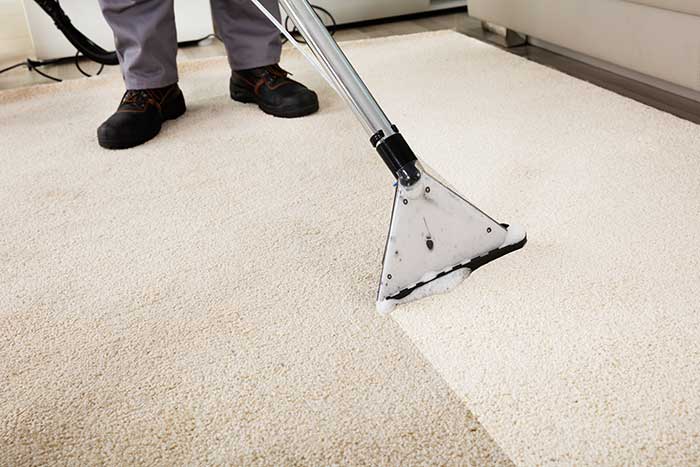
When asking about periodic commercial carpet cleaning, give the estimator the affected area and the material or previous treatment if known. Explain how furniture can be moved and when the room needs to be used again. A clean in a room booked the next morning has to account for the return of furniture and a check before visitors arrive. If staff cannot close the entire room, discuss where a workable section can begin and end. Keep any required route open under the agreed site procedure.
Use the estimate to decide which items are part of a regular visit and which should be arranged periodically. It may be useful to check the first few metres after the busiest day and schedule separate care for the seating area as required. Agree what the cleaner reports if marks return. If a repeated problem seems to come from the threshold, discuss the entrance with the property contact rather than asking for the carpet work to carry all of the load.
Create a practical plan for close-down near the town centre
A sign on the door can show that a Hornchurch business has closed to customers while staff are still taking calls or reconciling the day. Ask who is actually last out, which rooms they still use and when those rooms are released. Record who can move the work order if an appointment runs late. A cleaner may be able to start with the kitchen or a separate room and return once a quiet space is available. Give the duty contact a way to confirm that change without relying on the cleaner to interrupt a meeting.
Walk the exit route as part of the estimate. Identify which doors close on their own and which need a final check. Confirm whether another occupier stays after the office is empty and how that affects the common door. Use the property manager’s process for access credentials. The room list should contain the order and responsibilities, without being a place to store keys or sensitive codes. Give a substitute contact enough information to deal with the ordinary exit and an access fault. If the way out crosses a yard, confirm when that route is available.
Consider noise as well as access. A vacuum outside a thin meeting-room partition may be disruptive even when nobody is using the corridor. A trolley crossing a metal threshold can be more noticeable when the rest of the floor is quiet. Plan the louder jobs for a time when the rooms are available and agreed for use. If hours vary by weekday, put those differences into the brief. A separate time for one room may solve a recurring conflict without changing the entire visit window.
Set the meeting room up for two uses in the same day
A meeting space used for an early customer appointment and a later internal briefing can need two different layouts. Agree which arrangement the cleaner should leave and how staff handle a different request. Give the people finishing the first session somewhere to put cups, flipcharts and equipment. If an item should stay for the next group, make it visible as an exception. A used desk or table can only be cleaned properly when the authorised person has decided what can be moved.
Set the standard for the immediate turnaround and for the ordinary visit. A room that must be ready in a few minutes may need an accessible table, a clear walking line and the seats returned to position. Work below the table or around less accessible ledges might require a longer slot. If the site has only one meeting room, check which times it is genuinely free rather than allowing for detail work while staff book it without restrictions. Put the expected layout and the deadlines in the same diary people already use to book the room.
If you also run rooms in Harold Wood, use a common layout instruction and keep separate room names and contact details. Review whether the first booking of the day is consistently starting with a usable room. If a layout or cleaning task is missed, check who last used it and whether the room was released at the expected time. This helps distinguish a problem in the handover from one in the work itself and shows where to make a specific change.
Agree which washroom stocks belong to which occupier
Give every included washroom an identifier, such as the private room off reception or the shared room on the first landing. Note which facilities staff can use during a cleaning visit and whether one room also serves customers. Ask who supplies toilet tissue, soap and hand towels. Different fittings can use refills that look almost identical in a box. Show the correct pack and the location where reserve stock can be reached when the cleaner attends. Decide how much should be left before a busy day or longer gap.
Set the way faults are reported. If a dispenser sticks, the room can run short even though more refills are available. If a lock is damaged, the repair belongs with the person responsible for the building. Include the room, fixture and nature of the problem in the report, and say if someone else has already been told. Agree a suitable time to take a room briefly out of use for more detailed work. Give reception a way to know when it can be opened again, especially when visitors are already in the building.
For separate arrangements, use the washroom services guide and give the estimator the list of fittings and the responsibility split. Keep the lines for ordinary cleaning, refills and specialist servicing clear. If a stock delivery is made into a shared corridor, name the person who puts it away and check that it can reach the cupboard. Review consumption after a busy week. That gives the facilities contact a better basis for choosing a stock threshold than checking only immediately after replenishment.
Write a bin route for a busy parade of businesses
Identify the containers the office is allowed to use and walk the route from the workrooms to the store. Other tenants may share the same passage without sharing the same collection arrangements. Label the correct position and confirm whether it is accessible when the cleaner finishes. If it is locked or full, identify an authorised place for short-term storage within the office and say who handles the next step. The cleaner should not have to leave bags in a shared corridor while trying to contact somebody who has already gone home.
Use Havering’s business waste guidance and the details supplied by your provider when setting out who presents material. Write down which part of the task is included in the cleaning quote and which belongs to the site contact or collection service. If the office uses a separate process for confidential documents, show where those materials go and who can handle them. Ask staff to identify empty packaging. Boxes waiting to be returned or kept for an event should have a clear place away from ordinary waste.
Check what happens after the busiest delivery or meeting of the week. A bin that normally has space can fill long before the collection when the office receives bulk supplies. Tell the cleaner how to flag the problem and who approves a change. If the store moves or the collection provider changes, update the note for the people closing the building. Keep a clear walking route while the person with authority decides how to manage the extra material.
Review the kitchen around a specific working break
Walk through the office kitchen after a busy morning. Look at the first surface that fills and what staff put there. A small counter might be used to serve drinks to clients and prepare food for staff at different times. Give used items a place that leaves the sink and one work surface available. Decide who moves personal items before cleaning and who can make an appliance available when it needs attention. A few named responsibilities can make a bigger difference than asking the cleaner to work around the same clutter every evening.
Explain where food and stock are kept and which shelves are part of the routine. If something has to be removed for access, identify who can decide that. An agreed refrigerator clear-out can be a separate date, with staff told in advance. Give the cleaner a fallback if the only sink is still in use. A different room can be done first, or detail work can move to a quieter visit. Note how a spill during an appointment or staff break should be dealt with by the person already on site.
During the first review, check whether staff can follow the agreed handback without taking too much time out of the working day. If the counter is still occupied, ask what makes the process difficult. It may be enough to move a tray or to give the last group a place to put cups. Keep the accessible surfaces visible on the work list and ask the cleaner to report problems by location. That lets the office manager make one useful change at a time.
Decide what to add when the business takes more rooms
A business can extend from a small office into another room without changing its address. Tell the estimator which room is changing use, the first day it will be occupied and how people will reach it. An additional desk room may place more demand on a kitchen or washroom even if the existing workrooms stay the same. Decide whether any one-off work is needed before furniture goes in. Name the surfaces to be ready for the handover and the person who checks them. Keep the move and the normal schedule separate in the quote.
Show what the office will look like while the change is underway. A hallway used to move boxes may also be the only way for visitors to reach reception. The contractor needs to know when it will be clear and whether anything has changed in the access arrangements. If recent work has introduced a different floor finish, give the cleaner the relevant information and note any marks already present. For related work outside the office suite, discuss the London commercial cleaning service with a distinct list of rooms and uses.
After the move, follow the route of a typical visitor and the route staff take at break time. Compare them with the plan used to estimate the job. If one room needs greater attention while another is rarely used, review the frequency with the person approving work. Update the final scope and give staff the same version the cleaner receives. A revised quote should identify where the extra work is coming from and which tasks now fall away. If the reception moves to a different floor, check who can greet the cleaner at the new entrance and where visitors will wait.
Compare Hornchurch office cleaning estimates by outcome
Provide the full site address and exact door, which spaces you occupy, the floor materials and a typical working diary. Describe the first appointment after a visit and what the person attending should find. Note shared spaces, where equipment can be kept, who orders refills and how waste leaves the office. If the building’s closing arrangements affect the work, explain who can change them. Ask the estimator to walk the route rather than making assumptions from the office area alone.
Request separate lines for the routine, an initial clean and optional periodic work. Identify assumptions about rooms being cleared and who moves furniture or paperwork. Give each estimator the same information about the busiest day. Check how a missed access window will be recorded and when the first review will take place. If a proposal includes shared work, make sure the manager or other occupier has agreed which areas may be included. Comparing the same set of outcomes makes it easier to see the difference between quotes.
For other addresses, the London office cleaning directory provides separate guides. Keep the Hornchurch room list and building contact on a site sheet of its own. Give the agreed work list to the supervisor and the colleagues who open the building. On the first review, look at a normal day and a busy appointment day. Agree which observations require a change to the schedule and which belong with the people responsible for access, maintenance or the office handover.

Questions about arranging office cleaning in Hornchurch
How do I describe access to an upstairs office on Hornchurch High Street?
Give the exact door and floor, what appears on the buzzer and who can meet the cleaner. State whether the stairs are shared and whether equipment has another permitted entrance. Check the actual approach when you want work to happen, since another business may be trading or receiving supplies.
Can we clean our front office around late customer appointments?
Give a room release time and the name of the person who confirms it. List quiet tasks that can go ahead elsewhere and agree how to record any work that needs a new slot. Check how the cleaner leaves if the common door is locked after the last appointment.
Does a shared Hornchurch staircase go in the office quote?
Check the landlord’s schedule and name the areas included in the tenant’s agreement. Put any additional common-area work on a separate line. If your organisation has a second site, the Elm Park guide can help with its own access brief.
When is periodic carpet treatment worth pricing separately?
Show a persistent mark or traffic track after the usual vacuuming. Give the material, the room’s available time and the place equipment can enter. Discuss commercial carpet cleaning alongside the regular schedule and confirm when people need to use the room again.
Who checks a shared washroom on busy appointment days?
Confirm the tenant or building manager responsible for the room and the person who can order stock or log a repair. State the fixtures, refill types and typical peak demand. Use the washroom services page if you need a separate arrangement for replenishment.
Can the cleaning team put bags outside a shopfront at the end of a visit?
Use the storage and presentation arrangements agreed for your premises. Confirm who can use the correct store and who presents material for the provider. Check Havering’s business waste information and agree an internal fallback if the route is unavailable.
Can we use the same room checklist for Hornchurch and Harold Wood?
Use common headings for priorities and reporting. Give each office its own room names, entrance, contact and opening times. The Harold Wood guide can help with the other brief. Ask for site-specific prices if you expect the offices to change independently.
How do we add a one-off clean after changing the reception layout?
Send the date when the room will be clear, what is staying and when the first visitor needs it. Identify the finishes and areas newly exposed by the move. Agree who clears packing material and ask for a distinct scope before adding any new tasks to the regular visit.
Talk through your Hornchurch office cleaning brief
Describe your workrooms, access and the tasks you would like priced. For other sites, start with the London office cleaning guide.
Clients we service
Organisations featured across Complete Clean Management’s client portfolio.
















GOOGLE CUSTOMER REVIEWS
What our customers say on Google
Selected review excerpts from Complete Clean Management’s London Google listing.
★★★★★
“Really happy with the deep clean! The team were friendly, professional and did a fantastic job.”
★★★★★
“We engaged with Complete Clean Management and they came in and did an absolutely fantastic job.”
★★★★★
“We have recently started to use Complete Clean Management for various cleaning services to our domestic and commercial renovation projects.”
★★★★★
“The team is punctual, professional, and pays great attention to detail.”
★★★★★
“We’ve been using this office cleaning service for several months, and it’s been outstanding.”
★★★★★
“Complete Clean Management has transformed the cleanliness of our workspace.”
Selected excerpts, checked 6 November 2026. Leave a Google review ↗