Complete Clean Management · North London
Office Cleaners Southgate
Professional office cleaning tailored to your premises, working hours and priorities.
Request a free quote Call 0203 092 2297

Office cleaners for Southgate businesses with a shared address
An office address in Southgate can describe a room with its own front door or a suite reached through entrances and corridors maintained by several people. For a workplace near Chase Side or Station Parade, the person who arranges cleaning may be responsible for everything inside the suite while the building manager controls the way in. Start your enquiry by explaining that division. The name on the front of the building, the door staff use and the floor your business occupies are useful details even when the postcode looks straightforward.
Complete Clean Management can discuss the cleaning needs of your Southgate office. The best description is specific about rooms, use and access. It should explain which areas are private to your business, which are shared and what employees expect to be ready at the start of the working day. If your lease or building instructions leave an area uncertain, identify the question for the person responsible. A hallway or washroom needs an agreed owner before it can become part of a useful proposal.
This guide follows the practical decisions a tenant or office manager can make before requesting a quote. It covers access, room use, surface care and the handover between staff and cleaners. The broader office cleaners London page explains the service across the capital. Use the Southgate page to frame the enquiry around the particular suite and the parts of the building that your business is entitled to arrange work in.
Make a boundary schedule for your suite and the building
Walk from the public entrance to the last room you control and list each space in order. Mark the shared door, stair or lift, landing, reception and private office. The aim is to produce a boundary schedule, a short list that shows who is responsible for which area. Ask the building manager to clarify any uncertain point before asking for the work to be priced. A landing can serve more than one tenant, and a second door may belong to a business whose hours differ from yours.
Where two arrangements meet, describe the exact point of handover. A mat just inside the suite, a glass panel that forms part of the shared doorway and a small threshold between floor finishes may each be managed differently. A photo with a short caption or a marked floor plan can make that boundary obvious. Keep client information out of photos and send only what is needed to show the surface or area under discussion. Make the arrangement available to the colleague who will review the work.
Repeat the exercise for staff and visitor washrooms, waste collection and any cleaner’s store. If an item is managed through the building, record the relevant contact and what you would like to ask. This gives you a usable list for a conversation with the managing agent and a cleaner alike. It also makes it easier to update the brief if your business takes more space, gives up a room or moves to a different floor.

Plan a visit when the public door and office door work differently
A shopfront or shared reception can have opening hours that are different from the office behind it. Establish how a visit would begin when the public entrance is closed or the receptionist has gone home. Who can authorise access, and is there a separate route to the suite? Does the lift still serve your floor at the proposed time? Ask the people who manage the building. An empty office is available for cleaning only if the necessary route and facilities can be reached during the agreed window.
Work through the details from arrival to departure. Explain which entry point should be used, whether a nominated contact must meet the team and how access exceptions should be recorded. Keep key, alarm and security details for the agreed handover instead of putting them into a general quote enquiry. If a route crosses another business’s space, confirm the arrangement with that business or the building manager. A shared corridor may still be in use during a proposed visit, so record when particular work can take place without obstructing other occupants.
Think about access for equipment and supplies, not just people. The nearest place to park or unload may be different from the entrance your staff normally use. Describe stairs, narrow doors or storage limitations as part of the enquiry and confirm any restrictions directly. A particular hour may suit your desk team but leave no suitable place to bring equipment in. These practical points can affect the sequence of work and should be discussed alongside the tasks you want included.
Choose visit frequency by looking at the rooms that stay busy
Start with a room list and a typical week. Record the days people are usually in the suite, the times when visitors are expected and any regular events that affect the layout or waste. The desk area may be used heavily on two days while a small meeting room is booked most of the week. A visit frequency can then be discussed against those different demands rather than inferred from a headcount or the total floor area. It may be useful to consider separate priorities for particular areas within the same visit.
Identify the signs that a routine needs reviewing. A bin frequently fills before the next scheduled visit, meeting room tables become inaccessible, or wear builds up around a route that has become busier. The observation should say where it occurs and when. This gives the person managing the service a way to distinguish a change in use from an agreed task that has not been completed. Keeping the evidence simple also makes it easier to compare it against the written scope.
If your office is changing the way it works, describe the new arrangement as a trial until actual use is clearer. An extra day of team attendance can affect the kitchen and washroom more than it affects a quiet private room. Review the proposed scope when you have observed the new pattern and discuss any change to tasks or frequency explicitly. A useful cleaning schedule follows the occupation of the suite and can be understood by the colleagues who will manage it week to week.
Set a presentation standard for compact meeting and waiting spaces
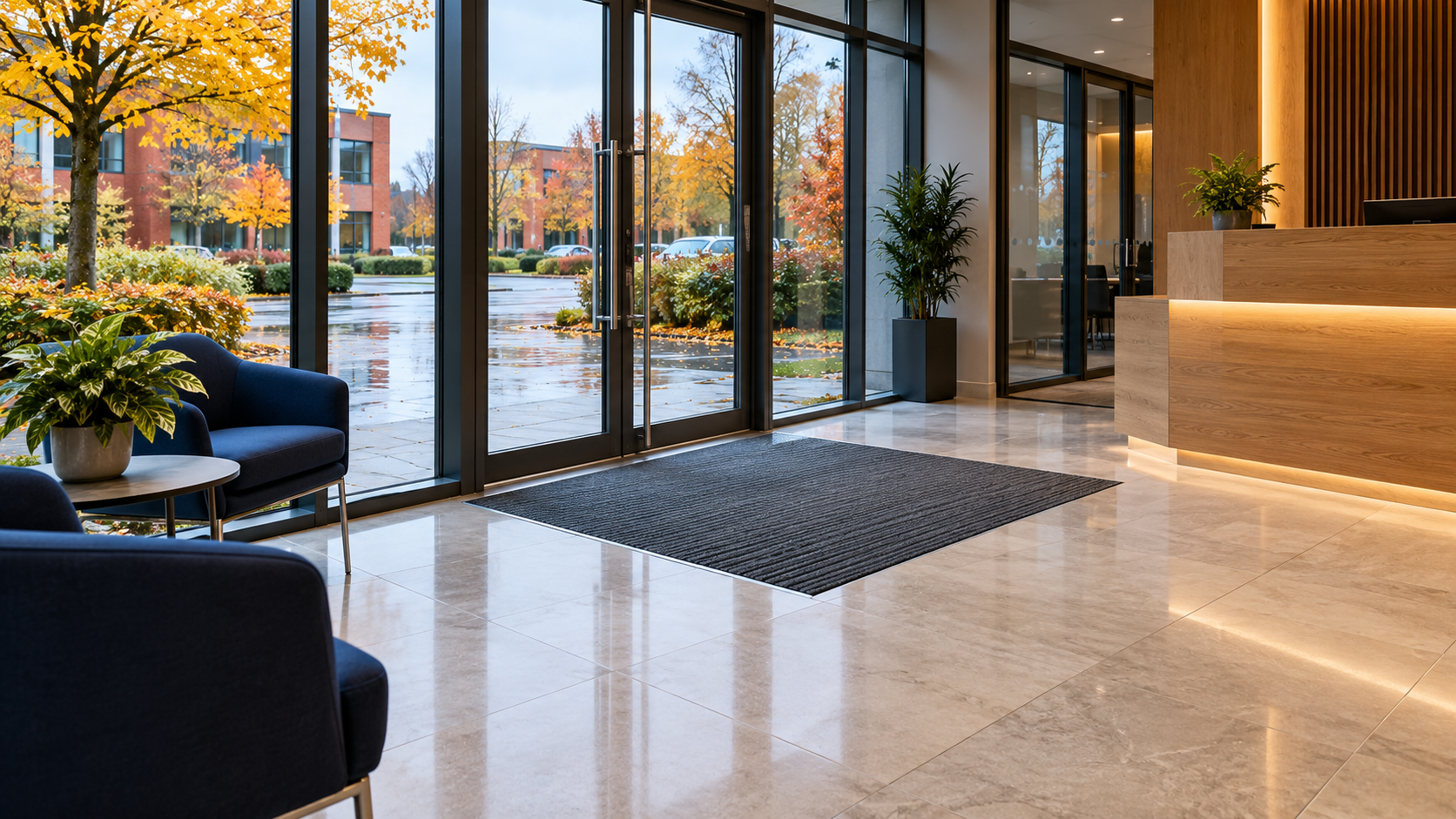
A small waiting space can double as an entrance, a collection point and the first place a visitor sits down. Decide which surfaces the cleaning routine should address and which items are part of the business’s day. A parcel awaiting collection, a tray of forms or a sample display needs an instruction if it is in the way. Giving those objects an agreed place allows the accessible counter, table or seat to be considered without asking a cleaner to rearrange the business’s materials.
Walk through the change between an occupied and an available room. Ask staff where cups and notes should go after an appointment and which equipment they should leave in place. If you need a room reset between bookings, assign that responsibility separately from the scheduled clean. Explain what the room should look like after the cleaning visit and which surfaces can be reached. Special materials, upholstery marks or delicate finishes should be raised as individual questions so the proposed work can be assessed appropriately.
Keep confidential material within your own handling process. Whiteboard writing, appointment sheets and documents on a meeting table can remain important after the people who used them have left. State how staff will indicate what must be retained and what is available for cleaning. The room instructions should be easy to follow without requiring someone unfamiliar with the business to decide whether notes can be removed. If the area is used for specialised activities, explain the boundary and any relevant requirements before a routine office proposal is prepared.
Keep office equipment outside assumptions about desk care
A professional office may rely on screens, charging stations, telephones and other connected equipment arranged for the next working day. Decide which surfaces can be cleared and how staff should do it. A desk does not need to be empty of every permanent object, but the agreed routine should identify what is accessible. The business should provide separate instructions for any device care, including relevant manufacturer guidance and the person who can clarify a restriction. General desk cleaning should not rely on someone deciding to unplug or move equipment on the spot.
Look at what happens around shared workstations. If several colleagues use the same desk on different days, a labelled storage point can prevent chargers and paperwork from being left loose. Staff should know how to leave the station ready for the next person and which areas are available at the cleaning visit. Keep personal items and confidential documents separate from the ordinary waste route. An unlabeled pile beside a bin is an unreliable indication of what should be discarded.
Include detail work in the schedule where it matters. Accessible chair bases, partition edges, shelves and under desk areas can collect soil without making the desktop look untidy. Describe any obstruction, such as cabling or storage boxes, before a frequency is discussed. This connects the proposed work to the area that can actually be reached. If a desk remains occupied during a visit, agree how access will be handled and how any unavailable work is to be reported.
Arrange washroom servicing around the tenancy boundary
A small suite may have its own toilet, share facilities on a landing or rely on a washroom managed for the whole building. Begin by confirming which arrangement applies to each facility. Where your business controls the room, describe the accessible fixtures, touchpoints, mirrors and flooring you want assessed. Where another party manages it, record who handles feedback and supply requests. This avoids asking an office proposal to cover a room the tenant is unable to authorise work in.
Separate cleaning from replenishment and other servicing. Check which dispensers are fitted, what supplies are used and who orders them. Decide whether the cleaning scope should include stock checks or replenishment and state how stock shortfalls should be reported. Additional arrangements can be discussed with reference to our washroom services page. Make the particular elements clear in the quotation so that an agreement to clean fixtures is not read as a supply arrangement for everything used in the room.
Some concerns belong with maintenance. A loose dispenser, damaged toilet seat or leaking fitting can remain an issue after the agreed clean is carried out. Provide a contact and a simple route for reporting the observation. The person reviewing the work should be able to tell which concern relates to cleaning and which has been sent for a building decision. This helps prevent a recurring defect being reported repeatedly as though the cleaner could resolve it through the routine task alone.
Treat a kitchenette as a group of specific tasks
In a small Southgate office, the kitchenette can be a cupboard run, a shared room or part of a meeting area. The available surfaces and the way people use them determine what a proposed routine needs to address. Describe the sink, worktop, splashback, floor and accessible cupboard fronts individually. Establish who removes crockery and how staff should leave the area before a visit. A cleaning specification cannot make an occupied sink accessible unless there is a practical agreement about what happens to the items in it.
Think separately about appliances and supplies. An external microwave surface can be considered without implying an internal clean at every visit. For fridge work, appoint someone to deal with food and containers and explain any restriction on switching equipment off. Specialist drink equipment may require instructions from the people who use or maintain it. Make these tasks explicit in the enquiry if you want them considered. A small kitchen can still contain several different responsibilities, despite its limited floor area.
Describe the bins and their route to the collection point. If the collection area belongs to the building, confirm who controls access and where each kind of waste goes under that arrangement. State who provides liners and how unusual volumes are handled. Keeping the kitchen scope clear helps staff understand what they need to do after use and gives the person reviewing the service a practical reference when a task cannot be completed as planned.
Check the finish before agreeing floor and carpet work
Town centre offices can include different floor materials in a short route, from a communal stair to a carpeted corridor and a hard surface in the kitchenette. Record each material you know and which party controls it. Add the areas where people turn, wait or enter from outside, because their use can differ from the rest of the room. Flag loose edges, existing repairs and persistent marks so they can be discussed separately from ordinary soil. Appearance alone is an unreliable guide to the finish and its care needs.
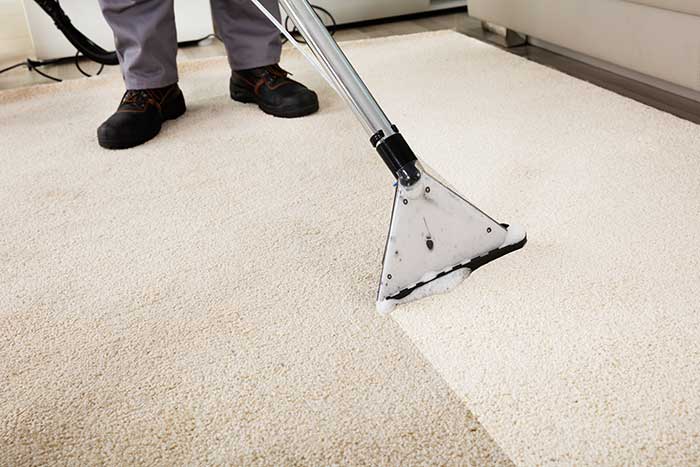
Discuss regular floor tasks and more detailed work independently. For a commercial carpet cleaning London enquiry, supply the material if known, the problem, the previous treatment history and any restrictions on moving furniture. A photo can support the description, but it cannot establish the suitability of a treatment by itself. Explain whether the carpeted space is essential for access, whether nearby occupants need the route and when the area must be ready to use again.
The cleaning proposal should make the work and limitations visible. An old worn patch and a fresh mark may call for different expectations. Ask what preparation would be required and whether a task needs a separate visit. Where floor damage needs attention from the landlord or another responsible person, record it through that route. A realistic scope considers the material, condition and use together, rather than treating a cleaning request as a promise to restore any surface regardless of its history.
Use an office move to establish a reliable starting condition
Taking on a new suite is a good time to write down the condition of the areas you will use. Before furniture arrives, note the floor finishes, visible defects, accessible shelving and any work left by the previous occupation. Make clear which observations need to go to the landlord and which tasks you want a cleaning proposal to consider. Keep a record of existing damage separately from a request for cleaning. That makes it easier to review the condition later without attributing a pre-existing issue to the new routine.
Separate the work needed before occupation from the recurring service after staff move in. An empty suite may offer access that changes once cabinets and desks are installed. Conversely, a room being used for deliveries or fitting out may not be ready for the work you have in mind. Explain what has taken place, who will clear the room and when it will be available. Unusual dust, residual materials or building work should be disclosed so the requirement can be assessed appropriately. Routine office care and preparation after other work may involve different scopes.
Once the team is in place, check what has changed. The initial layout might have assumed a quiet meeting room, but the space could become the busiest part of the suite. Revisit the tasks and occupation pattern against the actual use. If your enquiry extends to other commercial areas, the commercial cleaners London page describes the wider service. Identify those areas separately so their requirements can be considered with the right information.
Keep a short record for building issues and service feedback
When reviewing a visit, name the area, the task and the observation. Include the time it was noticed and whether the room was available during the visit or used again afterwards. That is often enough information to begin a useful discussion. A clear photo may help where it shows the issue without disclosing documents or personal information. Route observations through the agreed contact so the person reviewing them can compare the concern with the scope and access notes.
Divide incoming issues into decisions that belong with the building and decisions that belong with the service. A failed access card, defective fitting or ongoing leak may need action by a property contact. A question about the expected frequency of an accessible task belongs in a cleaning review. A request to add a room or occasional work should be discussed as a change in scope. Keeping a short record of those distinctions reduces repeated messages and helps the relevant person take the next step.
You can use the same review format across several locations while keeping each brief specific. See the guides for Oakwood, New Southgate and Arnos Grove for related premises considerations. Supply the particular building arrangements for each address. A common contact for your business can help organise enquiries, while the visit scope for each site still needs to reflect its own rooms, facilities and access.

Put the details that matter into a Southgate quote request
A useful first message gives the address, suite or floor, working hours and areas you want assessed. Explain whether the building has a shared reception or separate entrance and identify the person who can clarify access. Add the regular tasks, the occasional work to consider and any concerns that prompted the enquiry. For example, describe a busy meeting area or a waste arrangement that causes difficulty. That is more useful than a general request to cover everything within the building.
If you compare quotes, give each provider the same information. Ask how the rooms, tasks, supplies and access assumptions appear in the proposed scope. A broad term can mean different work in different proposals. Keep any extra task or separately managed facility visible. An enquiry for a small suite does not need a complicated tender document, but it should be clear enough for a colleague to understand what is being discussed without having attended the original conversation.
Call Complete Clean Management on the London number or use the existing contact page to describe your Southgate workplace. State a preferred date if it matters, alongside any dependencies such as a key handover, room move or landlord decision. The London office cleaning service page provides the wider overview. The next step can then focus on confirming the areas, responsibilities and practical arrangements needed for an appropriate proposal.
Frequently asked questions about office cleaners in Southgate
What details help identify our Southgate suite if the street entrance is shared?
Include the building name, full address, floor or suite and the door the person attending should use. Explain whether a reception or building manager controls entry during the proposed window. Keep keys and alarm details for a private handover. These details help the discussion account for the route to the office as well as the rooms inside it.
Can we ask about cleaning a landing used by two tenants?
Describe the landing and check who is entitled to arrange work there. The building manager may already provide a communal service or may need to clarify a shared responsibility. Record the exact boundary with your private suite. A proposal can then identify where work is being considered without implying that one tenant controls all areas reached from the shared landing.
How can a small office prepare a meeting room between appointments?
Agree a simple reset for staff, including where used cups, documents and presentation materials should go. State what should remain in place and how staff mark notes that must be kept. Discuss the recurring cleaning visit separately. It can address the agreed accessible surfaces at a confirmed time while staff handle the immediate room preparation between bookings.
Should we send photos before moving into a Southgate office?
Photos can help describe visible condition, materials or areas that need assessment, provided they avoid private information. Add the room name and a short explanation of what you want considered. Separate existing damage and landlord concerns from the proposed cleaning work. Explain whether the suite will be empty, occupied or still being fitted out at the time you want to discuss.
How should shared washroom consumables appear in a cleaning brief?
Confirm which facilities your business controls and who orders and supplies the consumables. List the dispensers and describe whether you want stock checks, replenishment or a supply arrangement discussed. Keeping those items separate from fixture and floor cleaning makes the proposal easier to understand. If the facilities are managed by the building, check the agreed responsibility before asking for extra work.
Can carpet treatment be discussed for a corridor that stays in use?
Yes. Explain which rooms rely on the corridor, the periods when access could be limited and any other route available. Provide the material if known and describe the issue, earlier treatment and furniture restrictions. The assessment should address both the carpet and the practical arrangements for the space to return to use. Keep the proposed treatment separate from the recurring floor care routine.
What is a good way to report a problem with the agreed cleaning?
Send the room name, the task you expected and what was observed, including when the room was used or available. Use the agreed contact rather than several different instructions from staff. Where the problem is a building fault or a request to add work, say so clearly. The person reviewing the concern can then decide which arrangement needs attention.
How do I get a quote for a Southgate office and another London site?
Use the existing contact form or call 0203 092 2297. Provide a separate address, area list and access outline for each premises, with the name of the person coordinating the enquiry. The office cleaners London page gives the wider service overview. Each scope should still reflect the building’s own occupation, facilities and responsibilities.
Start with the suite and the people who manage it
Ask the people who know the building to fill in the details that affect a cleaning visit. An office manager may understand room use, a property contact may manage shared doors and a colleague may hold the relevant equipment instructions. Bring their information into one practical brief so the proposal can reflect the way the workplace operates.
Make room for questions in that brief. A shared facility, uncertain material or preferred access time may need confirmation. Describe the priorities and separate the recurring tasks from additional requirements. This gives the cleaning discussion a clear basis while leaving any uncertain matter visible for the appropriate person to resolve.
Complete Clean Management can discuss your office cleaning requirements in Southgate through the existing enquiry options. Use the quote button or call the London number and explain the spaces, occupation and working arrangements you want considered. The initial conversation can then focus on what needs assessing and the scope you would like to agree.
Clients we service
Organisations featured across Complete Clean Management’s client portfolio.
















GOOGLE CUSTOMER REVIEWS
What our customers say on Google
Selected review excerpts from Complete Clean Management’s London Google listing.
★★★★★
“Really happy with the deep clean! The team were friendly, professional and did a fantastic job.”
★★★★★
“We engaged with Complete Clean Management and they came in and did an absolutely fantastic job.”
★★★★★
“We have recently started to use Complete Clean Management for various cleaning services to our domestic and commercial renovation projects.”
★★★★★
“The team is punctual, professional, and pays great attention to detail.”
★★★★★
“We’ve been using this office cleaning service for several months, and it’s been outstanding.”
★★★★★
“Complete Clean Management has transformed the cleanliness of our workspace.”
Selected excerpts, checked 6 November 2026. Leave a Google review ↗